A legendary 12-day Himalayan adventure to the foot of Everest. Trek through Sherpa villages, ancient monasteries, and Sagarmatha National Park, surrounded by breathtaking peaks and an unforgettable high-altitude experience.
Everest Base Camp Trek – A Journey to the Foot of the World's Highest Mountain
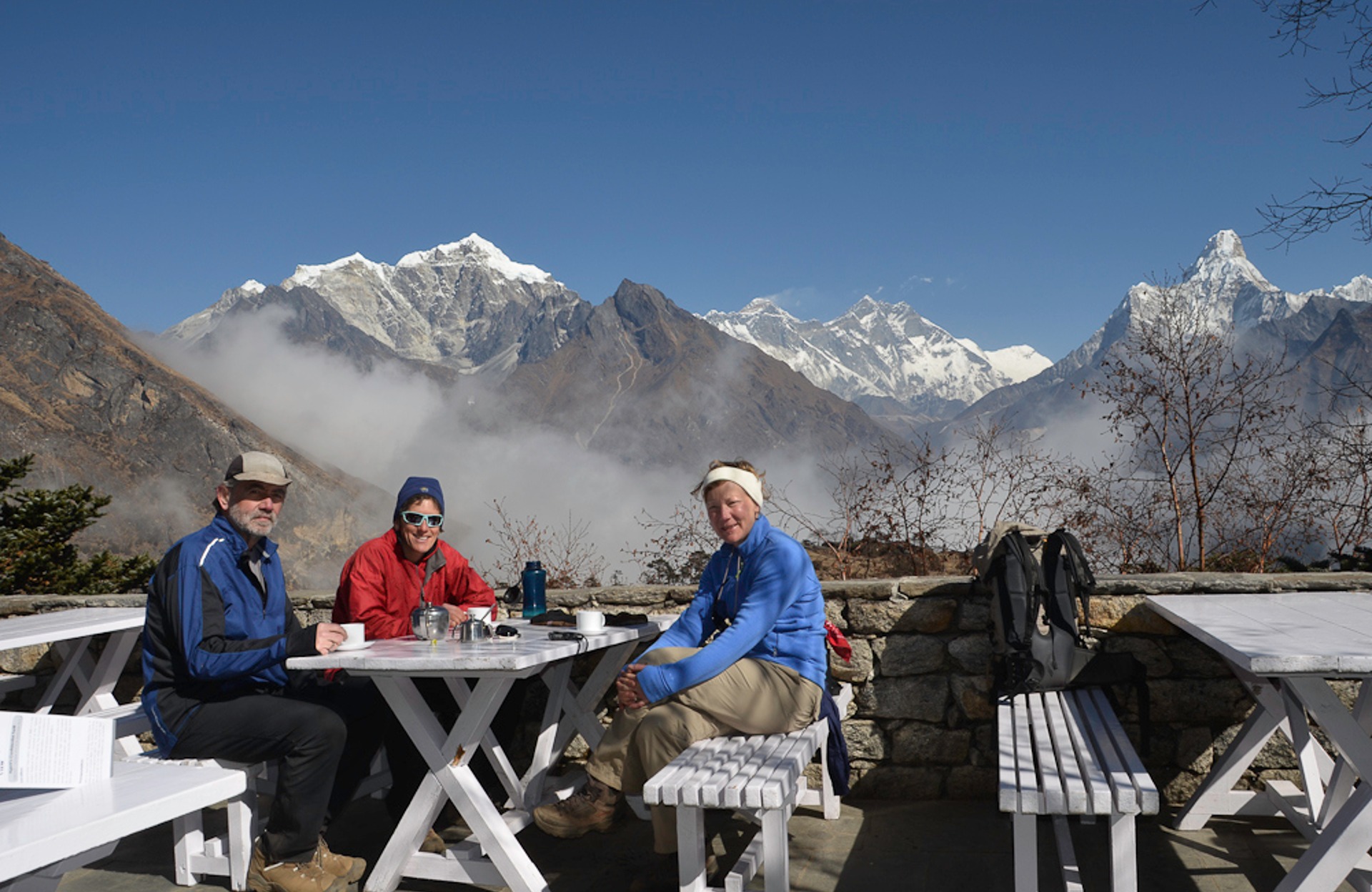
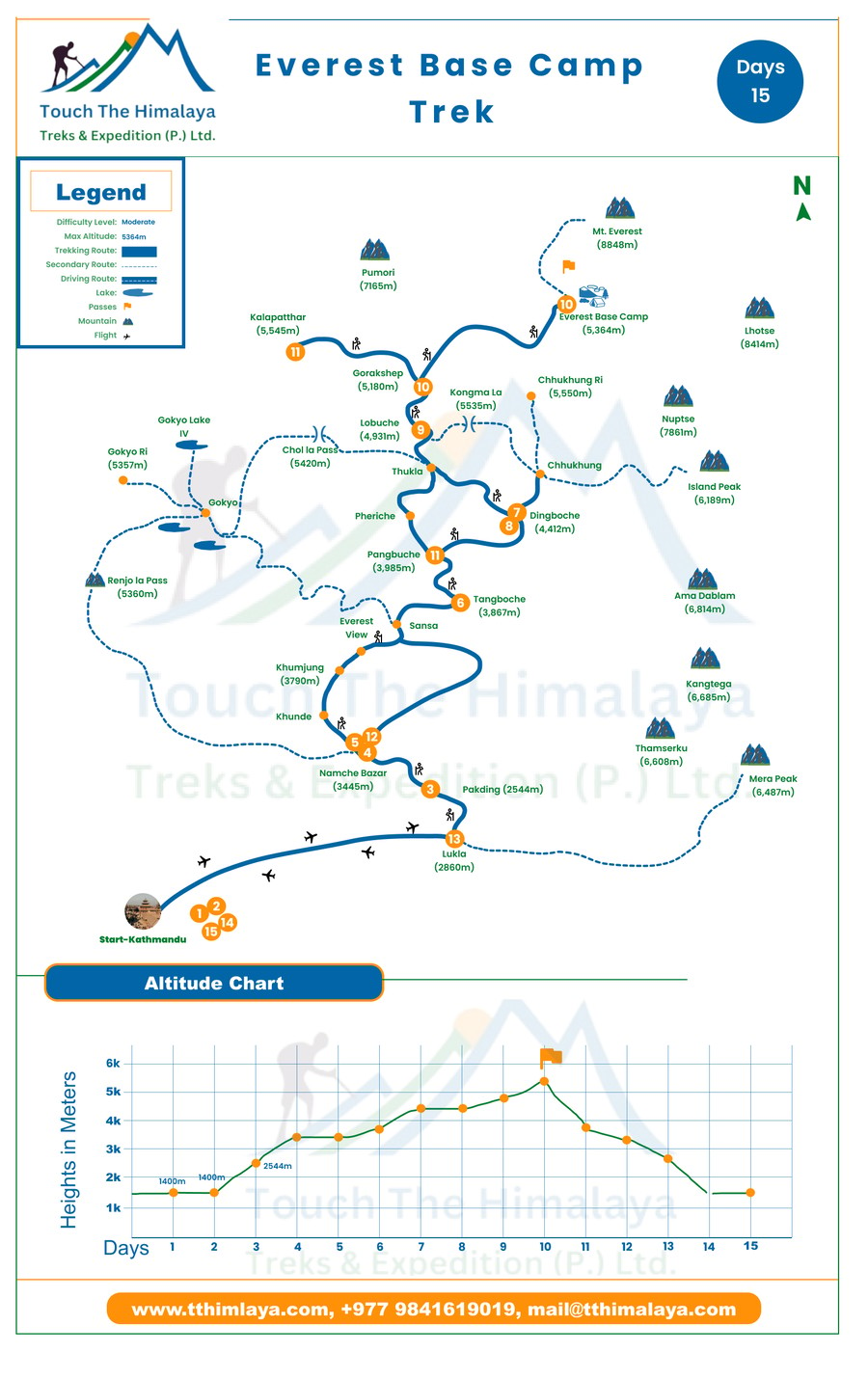
The Everest Base Camp Trek is your invitation to walk into one of the world’s most legendary landscapes. Over twelve days, this Himalayan adventure brings you to the foot of Mount Everest at 8,848.86 meters, threading through the heart of Nepal’s Khumbu region. From the moment your mountain flight touches down in Lukla, you follow the Dudh Koshi River past Sherpa villages, rhododendron forests, and suspension bridges, with the peaks of Everest, Lhotse, Ama Dablam, and Cho Oyu rising around you. The trail climbs steadily through Phakding, Namche Bazaar, Tengboche, and Dingboche, each stop revealing deeper culture and higher views, until you reach Everest Base Camp at 5,364 meters. Standing beside the Khumbu Icefall, you’ll feel the weight of every step rewarded.
The journey doesn’t end at Base Camp. A sunrise ascent to Kala Patthar at 5,545 meters offers the region’s finest close-up of Everest, golden light washing over the mountain. Along the way, you explore the vibrant Sherpa capital of Namche Bazaar, visit the serene Tengboche Monastery, and walk through Sagarmatha National Park, a UNESCO World Heritage Site. Every day brings new scenery, from green valleys to glacial terrain, and the chance to connect with Sherpa traditions through prayer flags, mani walls, and warm tea house hospitality. This trek is a complete experience—natural beauty, cultural depth, and personal achievement—all set against the world’s highest peaks.
This is a demanding journey that rewards preparation and respect for the altitude. While the trail is well-established and supported by experienced guides and porters, the challenge of reaching over 5,300 meters requires a steady pace, proper hydration, and a positive mindset. The rewards are immense: each day unfolds with a new perspective on the Himalayas, from the bustling streets of Namche to the quiet solitude of the glacier. Whether you are a seasoned trekker or taking on your first high-altitude adventure, this route offers a profound sense of accomplishment. The combination of physical effort, cultural immersion, and awe-inspiring scenery makes the Everest Base Camp Trek a defining experience in any traveler’s life.
Kathmandu to Lukla to Phagding (2,610m/8,560ft)
Your Everest Base Camp adventure begins with a scenic 30-minute mountain flight to Lukla’s famous Tenzing Hillary Airport at 2,865 meters. After landing, your guide organizes porters while you enjoy tea at a nearby lodge. From Lukla, you follow the Dudh Koshi River on a 3-hour trek covering 8 kilometers to Phakding, passing through Cheplung, Thado Koshi, and Ghat villages. The gentle trail introduces you to suspension bridges, prayer flags, and the warm hospitality of the Khumbu region.
You arrive in Phakding at 2,610 meters, a charming village nestled in a pine forest with comfortable lodges. The afternoon is yours to settle in, explore the peaceful surroundings, and connect with your fellow trekkers over a hot meal. This first day sets a steady pace, allowing you to adjust to the altitude while already feeling the pull of the mountains rising in the distance. Rest well—your journey into the heart of the Himalayas has truly begun.
Trek from Phakding to Namche Bazaar (3,445 m) – Gateway to the Khumbu
After breakfast in Phakding, you begin a 6-hour trek to Namche Bazaar (3,445m), climbing 901 meters along the Dudh Koshi River. Cross suspension bridges, pass through Zamphuti and Chomoa, and enjoy your first clear views of Thamserku Peak. At Monjo, you enter Sagarmatha National Park, a UNESCO World Heritage Site.
Continuing through Jorsale, you cross a larger suspension bridge and begin the final ascent, where you catch your first glimpse of Mount Everest rising above the surrounding peaks. About half an hour later, you arrive in Namche Bazaar.
Namche Bazaar is the bustling trading capital of the Khumbu region, offering excellent lodges, bakeries, shops, monasteries, and the Sagarmatha National Park headquarters. Take time to explore this vibrant Sherpa town and prepare for the days ahead among the world's highest peaks.
Acclimatization Day at Namche Bazaar – Rest, Explore, and Adapt
After a nourishing breakfast in Namche Bazaar, you have a full day to acclimatize, a crucial step for the high-altitude journey ahead. Several day hikes help your body adjust while rewarding you with stunning views. One popular option is a gentle 1.6-kilometer climb up the hill behind town to the Everest View Point Hotel, where you are treated to breathtaking vistas of Everest, Lhotse, and Ama Dablam. This short, steady walk is the perfect way to get your blood flowing without overexerting yourself. Alternatively, visit the Sagarmatha National Park Museum to delve into Sherpa culture and the history of mountaineering in the Khumbu. You can also simply wander through Namche Bazaar itself, exploring its vibrant market streets and soaking in the unique atmosphere of this Sherpa capital. Take leisurely walks around the surrounding hillsides, allowing your body to adapt to the altitude while you enjoy the lively energy of this Himalayan hub. This rest day is designed to prepare you physically and mentally for the higher elevations ahead, ensuring you trek safely and comfortably to Everest Base Camp.
Namche Bazaar to Tengboche (3,867m/12,684ft) – 6 Hours
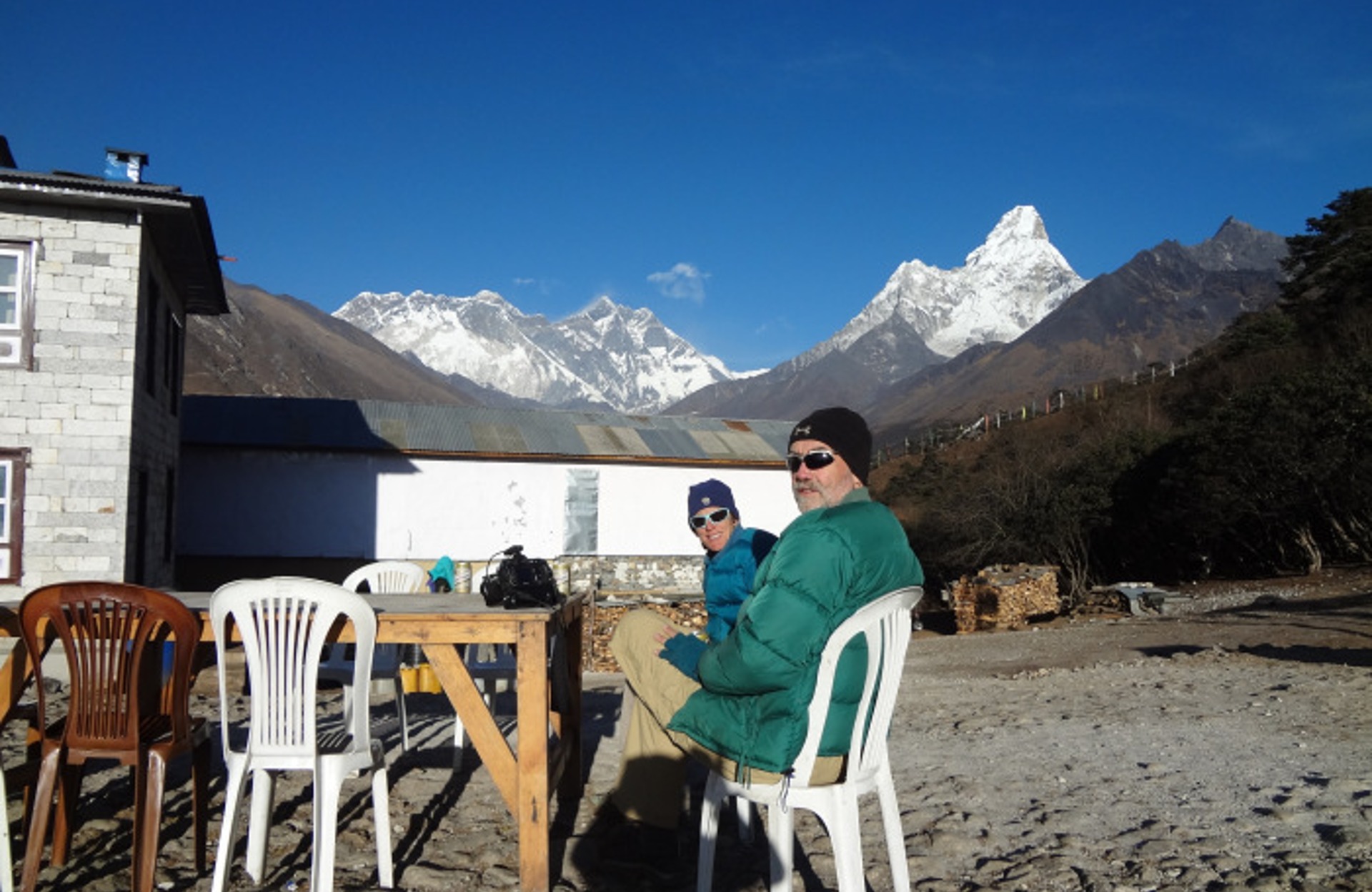
After breakfast in Namche Bazaar, you set off on a scenic 10-kilometer trek to Tengboche, gaining 422 meters over about six hours. The trail winds through forest and opens to stunning views of Everest, Nuptse, Lhotse, and Ama Dablam. Cross a high suspension bridge at Phunki Tenga for a lunch stop, then climb through shaded forest into the open beauty of Tengboche, home to the Khumbu's largest Buddhist monastery. Arrive at a field of tea houses with Ama Dablam as your backdrop. Spend a restful night soaking in the serene atmosphere, prayer flags humming, and peaks glowing at sunset.
Tengboche (3,867m) trek to Dingboche (4,412m/14,471ft) -5/6 hrs.
After a fulfilling breakfast in Namche Bazaar (3,445m), embark on a scenic 10km trek to Tengboche (3,867m/12,684ft) that takes approximately 6 hours. Enjoy the pleasant walk through the forest, with breathtaking views of Everest, Nuptse, Lhotse, Ama Dablam, Thamserku, and Kwangde peak. Pause at Phunki Tenga for a refreshing lunch before ascending through the forested path. Arrive at Tengboche, renowned for its picturesque beauty and the largest gompa in the region. Admire the field of campsites, tea houses, and lodges beneath the majestic peak of Ama Dablam. Rest and rejuvenate, surrounded by the serene ambiance and the awe-inspiring Himalayan peaks.
Another Acclimatization day at Dingboche (4,412m / 14,471ft)
Enjoy another well-deserved rest day at Dingboche (4,412m/14,471ft) before the final stretch to Everest Base Camp. Take advantage of this day to acclimatize and recharge.
For acclimatization, embark on a day hike up the hill, offering a panoramic view of the Chhukung Valley on the right and the Pheriche Valley on the left. Reach a height of 4,650m, which takes approximately 2-3 hours, before returning to your lodge for a relaxing day of rest and a rejuvenating night’s sleep.
As you hike towards Chhukung, you’ll gradually experience the thin air, reminding you of the increasing altitude. Witness the breathtaking snow-capped peaks and glaciers in the Imjatse Valley towards the east, adding to the awe-inspiring beauty of the surroundings. Use this day to acclimate and prepare yourself for the incredible journey ahead.
Dingboche trek to Lobuche (4,931m / 16,174 ft) -5/6 hrs
Embark on a remarkable trek from Dingboche (4,412m / 14,471ft) to Lobuche (4,931m / 16,174ft), covering a distance of 12km over a span of 5-6 hours. The elevation gain for the day is 519m.
The trail ascends steeply, leading you to the terminal moraine of the Khumbu glacier. Along the way, you will pass through the memorial area of Chukpilhara, honoring climbers who have lost their lives in the Everest region. As you approach Lobuche, be prepared to witness the stunning sunset on Mt. Nuptse, creating a breathtaking spectacle. Above the lodges, the majestic Lhotse Ridge stands tall, adding to the scenic beauty of the surroundings. Enjoy the serenity of Lobuche and spend the night in a cozy lodge, cherishing the memories of another beautiful day of your trek.
Lobuche to Gorakshep & Everest Base Camp – 6 hours
Today you reach the most anticipated milestone. Leaving Lobuche, the trail climbs across a rocky moraine with the Khumbu Glacier on your left. After about three hours, you arrive at Gorakshep at 5,164 meters, the last settlement on the trail.
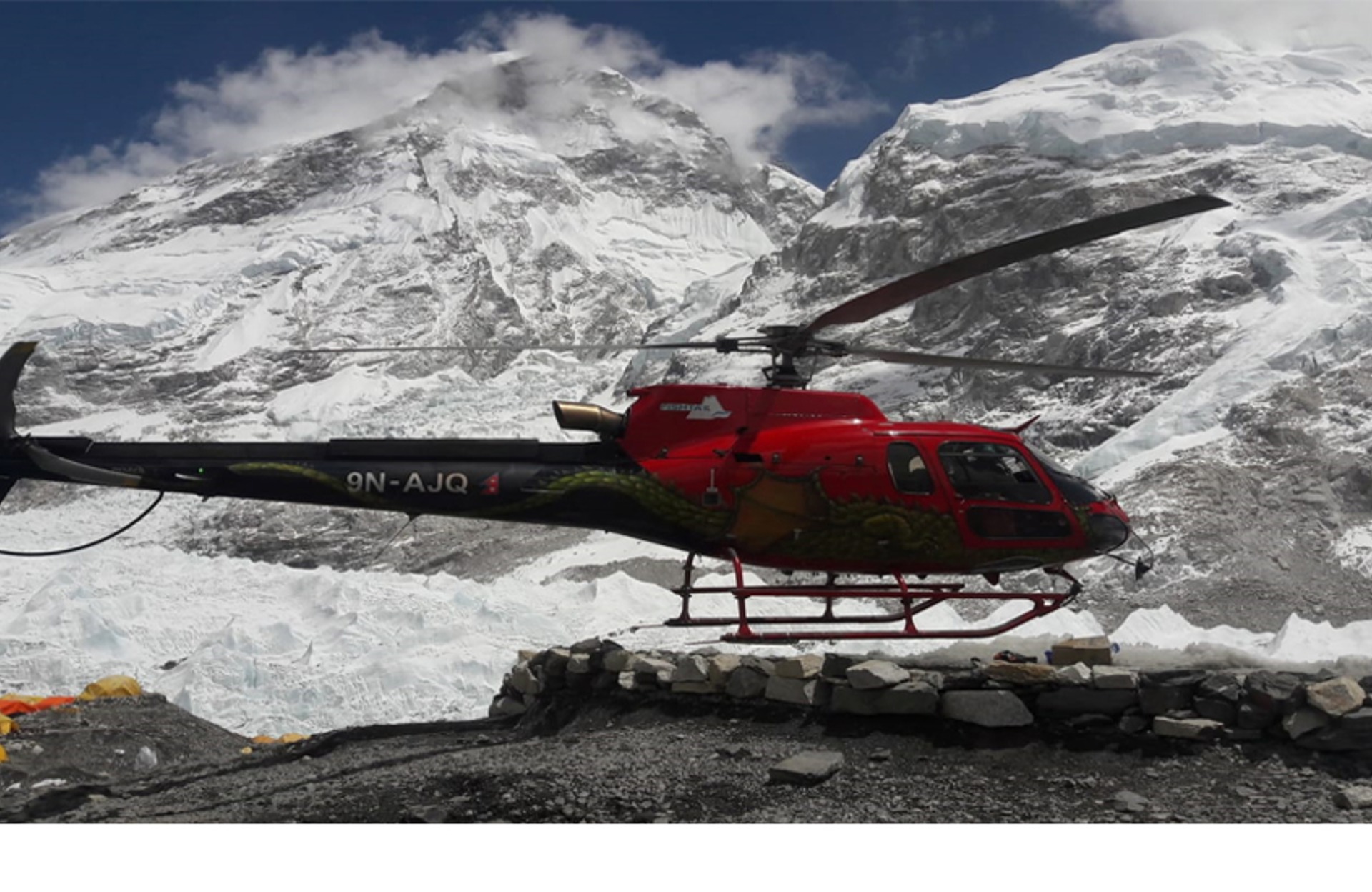
After lunch, you set out for Everest Base Camp. The walk takes two to three hours over the glacier's lateral moraine, marked by cairns and prayer flags. Standing at 5,364 meters beside the Khumbu Icefall, you feel the profound silence of this legendary place. The return to Gorakshep follows the same path, with evening shadows stretching across the glacier.
GorakShep to Kala Pattar (5,550m/18,204ft) to Pangboche -7/8 Hours
Your day begins before dawn with a steep climb to Kala Patthar at 5,550 meters, taking roughly two to three hours. As the first light catches Everest’s summit, the mountain glows gold against a deep blue sky, with Lhotse, Nuptse, and Ama Dablam forming a dramatic amphitheater around you. This is the emotional peak of the journey.
After sunrise, you descend to Gorak Shep for breakfast, then continue downhill through the rocky Khumbu Valley, passing Lobuche and the Khumbu Glacier moraine to reach Pangboche. The seven- to eight-hour walk brings steady altitude loss, making each breath easier. In Pangboche, one of the oldest Sherpa villages, you can visit its ancient monastery and settle into a warm tea house to reflect on the morning’s grandeur.
Trek from Pangboche to Namche Bazaar, 3,445 meters, 6 hours
Your trek today takes you from the peaceful Sherpa settlement of Pangboche back toward the vibrant hub of Namche Bazaar, offering a fresh perspective on the landscape. The trail winds downhill through juniper and rhododendron forests with clear views of Ama Dablam's sharp peak, crosses the Imja Khola, and passes the village of Orsho. Walking is gentle for the first few hours before you reach the junction near Tengboche.
From here, a brief climb brings you to Tengboche Monastery, a spiritual landmark worth revisiting or simply admiring against the Himalayan backdrop. You then descend through pine forest to the Dudh Koshi River, crossing the suspension bridge at Phunki Tenga, before a steady hour-long uphill climb to Namche Bazaar. The entire journey takes about six hours, leaving plenty of time to settle into your teahouse and enjoy the cafes and warm hospitality of this bustling Sherpa capital.
Trek Down from Namche to Lukla – 3,445m to 2,860m, 6-7Hours
Your final day is a rewarding descent from Namche Bazaar to Lukla, taking 6 to 7 hours through lush pine and rhododendron forests. The trail drops steadily, crossing familiar suspension bridges and passing villages like Phakding and Monjo. The air grows warmer with every step, a gentle reminder you are leaving the high-altitude realm behind.
This walk is a chance to reflect on your journey. You move with the quiet confidence of someone who has stood at Everest Base Camp and watched sunrise from Kala Patthar. The Dudh Koshi River rushes beside you as Lukla's rooftops come into view, blending accomplishment with gentle nostalgia. It is a peaceful, contemplative end to your Himalayan adventure.
Fly from Lukla to Kathmandu — Scenic Mountain Flight to the Valley
Your final day begins with an early morning in Lukla. After breakfast, board your flight to Kathmandu a short but unforgettable journey offering one last panoramic view of the Himalayas. Watch Everest, Lhotse, and Ama Dablam recede into the horizon, their snow-covered summits glowing in the morning light.
Upon arrival, you'll be transferred to your hotel with the rest of the day free to explore Kathmandu's ancient temples, vibrant markets, or simply relax and reflect. Your guide will assist with any final arrangements, including airport transfers for your onward journey. The flight itself is a spectacular aerial farewell to the mountains that have been your constant companions.
$1,422
$1,330
$1,240
$1,215
$1,205
$1,195
Included
Not included
Before you go
Everest National Park Permit
Khumbu Pasang Lhamu Rural Municipality Permit
Secure Your Trek Today with Just a $30 Deposit
Only $30 due today · Free cancellation
Talk to a local expert
Our Kathmandu team is available 09:00–18:00 NPT
From
$1,195/ person
No fixed departures scheduled right now — we run private departures on any date.
Request a custom date →Witness the Splendor of the Himalayan Sunrise at Nagarkot !!
“My tour guides, Beekash and Roshan, were incredibly helpful and knowledgeable about the sunrise trip to Nagarkot. They were friendly, and kind, and made sure I was comfortable throughout the journey. The driver ensured a safe and smooth ride. We watched the stunning sunrise and enjoyed a two-hour hike, which felt like an outing with friends rather than a guided tour. I would highly recommend them! Amazing Sunrise Nargarkot Tour - nagarkot.”

Subatra D
Traveler ratings for the guides on this trek.
Everest base camp trek
“This is not my first choice of Touch the Himalayas. Having good experience of one-day trip around Kathmandu last year, and based on the experience of my friends, we chose this firm again for Everest BC and Gokyo lakes individual trek. I admire director of firm Madan and his ability to meet all client expectations. Madan helped us to prepare for the trip, resolved our queries and offered complements after trek (such as massage and farewell dinner). Despite of some unpleasant weather conditions, this was wonderful trek and wonderful experience with a lot of sweet memories I also appreciate the efforts of our dear guide and porter during the trek we were the best team ever I do reconnect Touch the Himalayas to organize your trek in Nepal or ever in neighboring countries.”
Tatiana
Everest base camp trek
“This is not my first choice of Touch the Himalayas. Having good experience of one-day trip around Kathmandu last year, and based on the experience of my friends, we chose this firm again for Everest BC and Gokyo lakes individual trek. I admire director of firm Madan and his ability to meet all client expectations. Madan helped us to prepare for the trip, resolved our queries and offered complements after trek (such as massage and farewell dinner). Despite of some unpleasant weather conditions, this was wonderful trek and wonderful experience with a lot of sweet memories I also appreciate the efforts of our dear guide and porter during the trek we were the best team ever I do reconnect Touch the Himalayas to organize your trek in Nepal or ever in neighboring countries.”
Tatiana
Similar treks
Other treks in Everest Region and nearby regions.