
Personalized itineraries
Tailor your trek to fit your schedule and preferences.
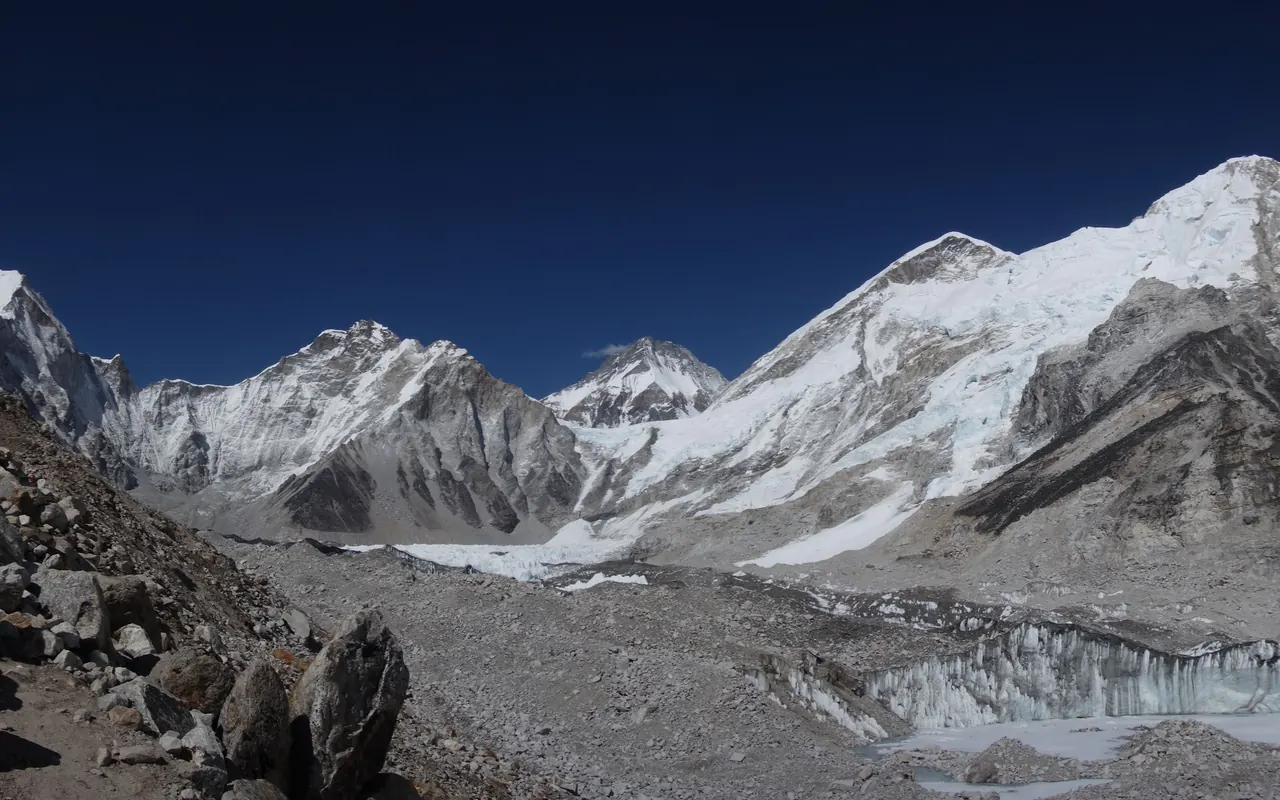
Nepal treks, Tibet and Bhutan tours with a local Kathmandu operator.
Specialist guides
Local Himalaya team
Restricted area
Permits handled for you
Private or group
Private trek or fixed departure
Transparent costs
No hidden fees
Treks across Nepal and tours in Tibet and Bhutan, planned and run by our own team in Kathmandu.
Why Touch The Himalaya
Our team of local guides, porters, and operations staff are experts in the Himalaya region. We’ve been guiding treks here for over 20 years, and we know every trail, pass, and permit.
Discover Touch The HimalayaTrusted local operator
We plan and run every trek and tour ourselves, from our office in Thamel, Kathmandu.
Local experts
Guides who work Everest, Annapurna, Kailash and the Bhutan valleys every season.
Sustainable travel
Treks and tours that respect nature and support the mountain communities we work with.
Flexible itineraries
Book a private trek on your dates, or join a fixed group departure.
Safe & supported
Acclimatisation built in, with 24/7 help from Kathmandu.
Happiness guaranteed
Small groups and honest pacing — we never add strangers to a private trek.


668+ Happy Trekkers
Explorations that last a lifetime.
Fixed group departures
Set dates on selected treks where other travellers join the same small group — ideal if you travel solo or want to share the trail and the cost. Want your own group only? Book a private trek.
Fixed departures will appear here once dates are published in the CMS.
Any of our treks can be booked as a private trek on the dates you choose. Only your own group walks with your guide — we never add other travellers. Prefer company? Join a fixed group departure instead.
Tailor your trek to fit your schedule and preferences.
Expert guidance with personal attention on restricted trails.
Custom acclimatisation and emergency support from Kathmandu.
Trek at your pace without the pressure of a mixed group.
Perfect for couples, families, and small private groups.
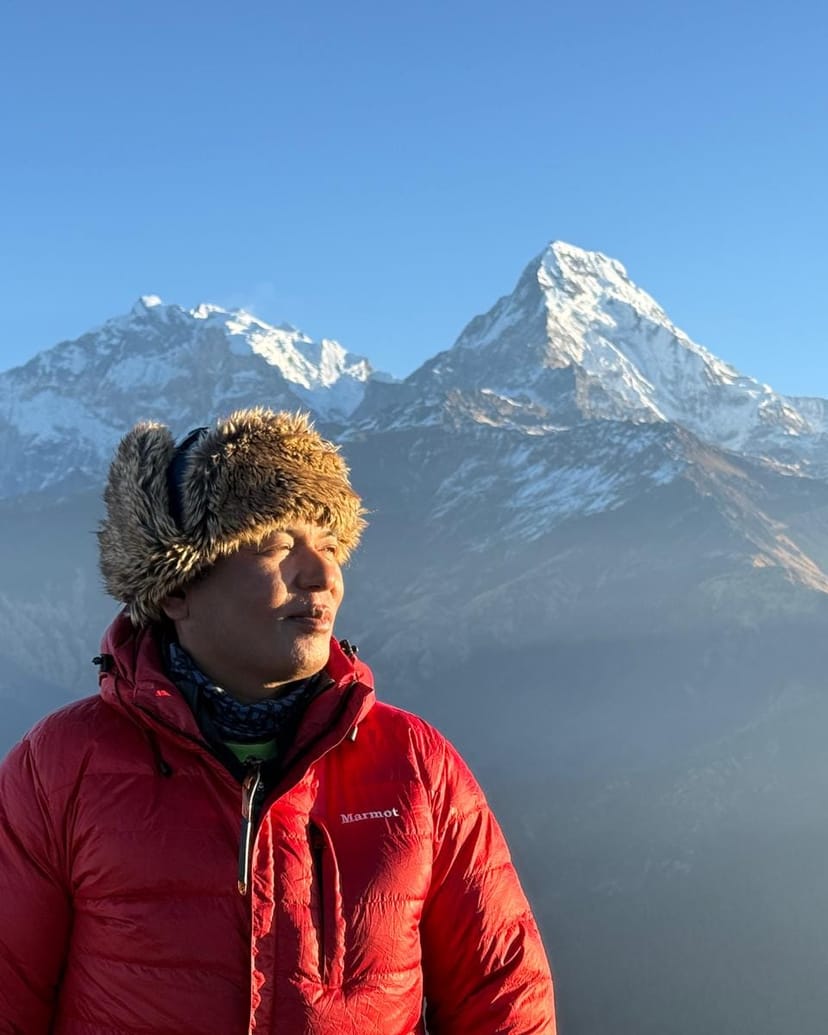
Trekking Guide
Ambar Bahadur Tamang
15 years on the trail
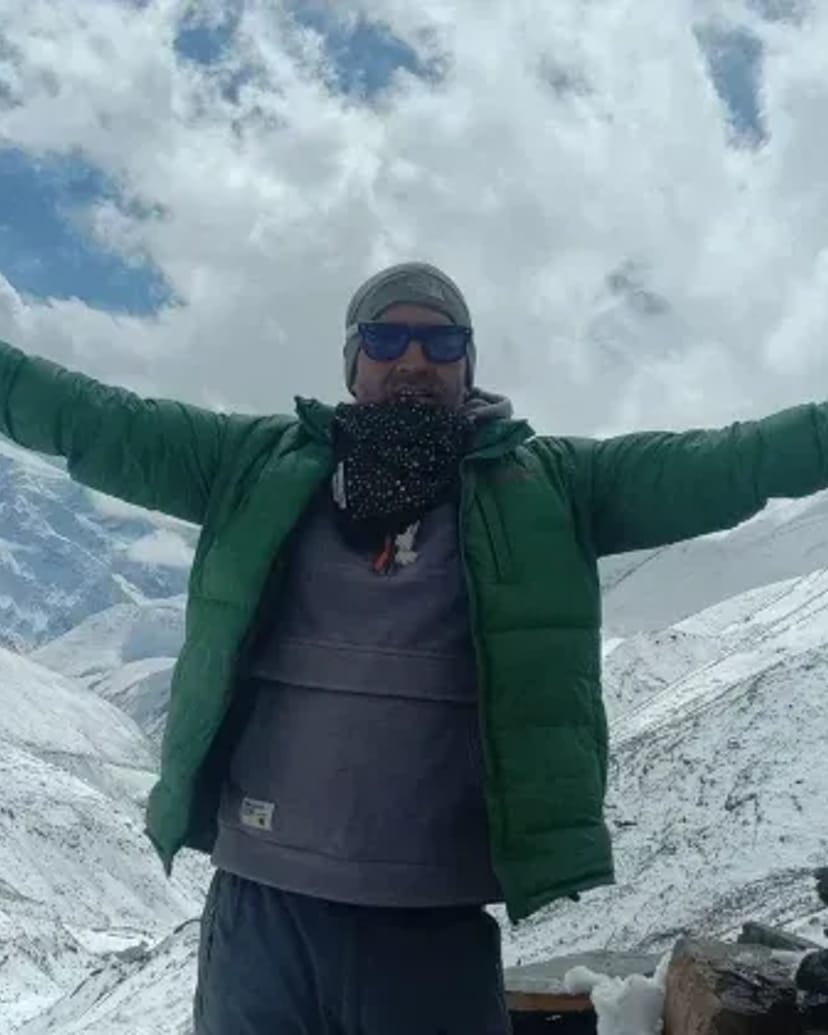
Trekking Guide
Arjun Neupane
14 years on the trail
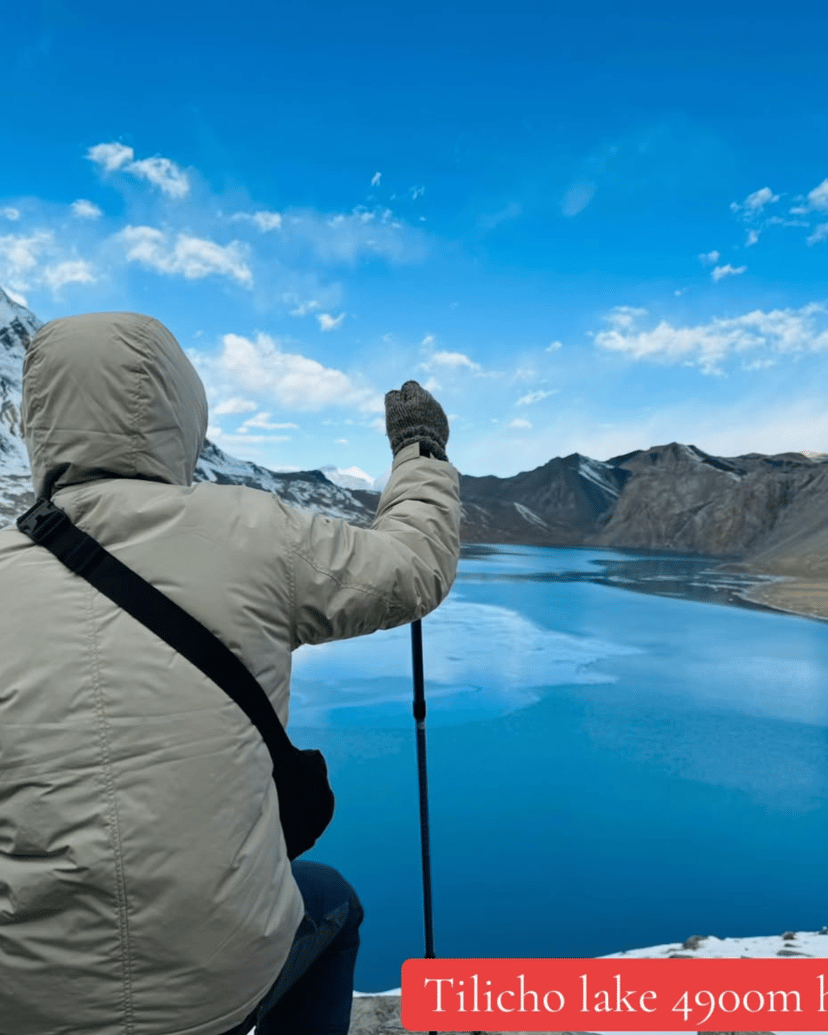
Trekking Guide
Bijay Gurung
10 years on the trail
Driver
Bikash Neupane
10 years on the trail
The people on the trail
Meet the local guides behind your Himalaya journey — experienced professionals who know the trails, villages, mountain conditions, and communities of this remarkable region.
From your first planning conversation in Kathmandu to the remote trails of Himalaya, our team is there to support you throughout the journey. We bring practical mountain experience, local knowledge, and genuine connections with the communities that call this region home.
Local knowledge. Experienced guides. Personal support.
20+ Years
Himalayan Trekking Experience
Local Guides
From Himalaya Region
Himalaya
Trekking Specialists
Tripadvisor
Our local guides work alongside our experienced operations team in Kathmandu to organize your Himalayan adventure. Here are the Tripadvisor awards our travellers have helped us earn.
Notes from Kathmandu, permits, seasons, and life on the Himalaya trails.
Is it possible to complete poonhill trek in 2days ?
Can you complete poonhill trek in 2days? Yes, the Ghorepani Sunrise Trek can be completed in 2 days starting from pokhara and end at Pokhara, though it’s more commonly done over 4 to 5 days for a relaxed walk. The 2-day version is ideal for those with limited time who still want to experience the iconic Poon Hill sunrise and stunning Himalayan views. This condensed itinerary involves a jeep ride to Ulleri to save time, followed by a trek to Ghorepani on day one, and a sunrise hike to Poon Hill, descent to Hille, and return to Pokhara on day two. It requires good fitness and early starts but is very doable for active trekkers.
Table of ContentsIs it possible to complete poonhill trek in 2days ?Ghorepani a scenic mountain village.Poon Hill: A Window to the Himalayas2 Days Itinerary for Poon Hill form Pokhara.Day 1. Drive form Pokhara to Ulleri (2050m) – Trek to Ghorepani(2874m).Day 2. Hike to Poon hill (3210m) Return to Ulleri -Drive back to Pokhara.Top Things to do in Ghorepani Poon Hill Trek.1. Walk through Rhododendron forest.Facts about Rhododendron.2. Explore the village and community.3. Enjoy Local Culture and Food.4. Relax and Reconnect.5. Photography.How much does it cost to complete poon hill trek in 2 days?Please Fill up this form to proceedAbove mentioned price inclusion and exclusionCost IncludesCost Excludes.What you should pack up for this trek ?Why Choose Touch The Himalaya for this Trekking?Our Social Media handles.
Ghorepani a scenic mountain village.
Ghorepani is a scenic mountain village located at an altitude of 2,874 meters in Nepal’s Annapurna region, best known as the gateway to the famous Poon Hill viewpoint. Surrounded by lush rhododendron forests and nestled beneath towering Himalayan peaks like Annapurna South, Dhaulagiri, and Machhapuchhre (Fish-tail) mountain, it is a popular overnight stop for trekkers on the Ghorepani Poon Hill Trek. Inhabited mainly by the Magar community, the village offers a natural beauty, cultural richness, and great hospitality. Trekkers enjoy cozy teahouses, local food, and stunning sunrise views, making Ghorepani a must visit destination for anyone exploring Nepal.Can you complete poonhill trek in 2days?
Poon Hill: A Window to the Himalayas
Poon Hill, a renowned viewpoint nestled in Nepal’s Annapurna region, is a favorite among trekkers seeking unforgettable mountain scenery. Rising to an altitude of 3,210 meters, it provides sweeping views of the majestic Himalayan range. The real magic of Poon Hill unfolds at sunrise, when the sky gradually shifts from soft blues to warm golds and pinks. As the first rays of sunlight touch the snow-covered summits, the mountains begin to glow with a golden hue, creating a dramatic and serene moment that leaves a lasting impression. Many trekkers start their hike in the early morning darkness, just to witness this magical spectacle. Though sunrise is the most popular time to visit, sunset views from Poon Hill are equally captivating. As the sun dips behind the horizon, the sky transforms into a palette of fiery reds and oranges, casting long shadows and a dreamlike glow over the surrounding landscape.
Poon Hill is not only a highlight of the Ghorepani trek but also one of the most accessible and rewarding viewpoints in all of Nepal. It combines physical adventure with visual splendor, making it a must-visit for anyone exploring the Annapurna region. poonhillpoonhillpoonhillpoonhillpoonhillpoonhill
2 Days Itinerary for Poon Hill form Pokhara.
Day 1. Drive form Pokhara to Ulleri (2050m) – Trek to Ghorepani(2874m).
Day 2. Hike to Poon hill (3210m) Return to Ulleri -Drive back to Pokhara.
Top Things to do in Ghorepani Poon Hill Trek.
1. Walk through Rhododendron forest.
Ghorepani is surrounded by lush Rhododendron Forests, which are especially stunning during the spring season when the flowers bloom in vibrant reds, pinks, and whites. These forests are part of the Annapurna Conservation Area, and short treks around Ghorepani offer the chance to explore this natural beauty. The forests are rich in wildlife, such as various bird species and small mammals. Trekking through the tranquil forest trails offers a peaceful escape, with the sound of rustling leaves and birdsong creating a serene atmosphere. poonhillpoonhillpoonhillpoonhillpoonhillpoonhillpoonhillpoonhill
Facts about Rhododendron. Name Origin: The name Rhododendron comes from Greek words “rhodon” (rose) and “dendron” (tree), meaning “rose tree”. Oldest Fossils: Fossils of rhododendrons date back over 50 million years, showing their ancient origins. Wide Altitude Range: They grow from sea level up to 6,000 meters in the Himalayas, one of the highest growing flowering plants. National Symbol: Rhododendron arboreum is the national flower of Nepal and the state flower of Himachal Pradesh and Uttarakhand in India. Largest Species: Rhododendron giganteum can grow up to 30 meters (98 feet) tall, making it the tallest known rhododendron species. Azaleas Are Rhododendrons: Azaleas are actually a subgroup of rhododendrons, often smaller with thinner leaves. Protective Role: In forests, rhododendrons provide habitat and erosion control with their dense roots and evergreen leaves. Popular in Gardens: Despite their toxicity, they are among the most popular ornamental shrubs worldwide, especially in temperate gardens.
2. Explore the village and community.
The Ghorepani Community is a small but meaningful local initiative, where visitors can learn about the region’s culture, history, and environmental conservation. It also offers books on trekking, wildlife, and Nepal’s diverse ethnic groups. Located near the heart of the village, it’s a great place to relax and gain insights into the local community and their sustainable efforts. The library also hosts educational programs and projects to benefit the village, making it a cultural hub where travelers can connect with local efforts to preserve the environment and traditions.
3. Enjoy Local Culture and Food.
Ghorepani is home to diverse ethnic groups like the Gurung and Magar, each with its own unique customs, language, and traditions. Interacting with locals is a rewarding experience, as they are often warm and welcoming, eager to share their culture with visitors. You can learn about traditional farming practices, local festivals, and the significance of the mountains in their spiritual beliefs. Sampling local foods, such as dal bhat (lentil soup with rice) and momo (dumplings), adds to the cultural experience.
4. Relax and Reconnect.
After a day of trekking, Ghorepani offers a peaceful environment to relax and enjoy breathtaking mountain views. Many of the local tea houses and lodges have panoramic views of the Annapurna and Dhaulagiri ranges. It’s the perfect place to unwind, enjoy a hot drink, and soak in the serenity of the surroundings. The village itself has a laid-back atmosphere, with a few shops and cafés where trekkers can enjoy the natural beauty without the hustle of larger cities. Watching the sunset or sunrise over the snow-capped peaks is a memorable experience.
5. Photography.
Photography in Ghorepani offers stunning opportunities to capture breathtaking landscapes, vibrant culture, and diverse wildlife. The panoramic mountain views of Annapurna, Dhaulagiri, and Machapuchare provide perfect sunrise shots, while the rhododendron forests bloom in spring, offering colorful backdrops. Cultural photography thrives with the Gurung and Magar communities, capturing traditional life, festivals, and portraits. The scenic trekking trails to nearby villages provide charming shots of rural life, terraced fields, and stone houses. Additionally, the area’s rich wildlife and flora offer unique nature photography opportunities.
Tips for Photography in Ghorepani:
How much does it cost to complete poon hill trek in 2 days? Touch the Himalaya Treks & Expedition offers the 2 Days Poon Hill Trekking Cost based on group size. Please follow the below table for the group price details No. of Pax Starting Price (USD)Action 1 250$BOOK NOW2 to 4 210$BOOK NOW 5 to 10 190$BOOK NOW If you have any question about this Package you can contact us by following: Telephone: 977-1-5357629 WhatsApp: +977 984 161 9019. (Mr. Madan Neupane) Emails: [email protected], [email protected] Web: https://www.tthimalaya.com Please Fill up this form to proceed Your Name*: Your Email*: Your Phone No*: Your Message*: (window.cfturnstileQueue=window.cfturnstileQueue||[]).push("-cf7-2835761461");if(window.cfturnstileRender)window.cfturnstileRender(); #cf-turnstile-cf7-2835761461 { margin-left: -15px; } document.addEventListener("DOMContentLoaded",function(){document.querySelectorAll('.wpcf7-form').forEach(function(e){e.addEventListener('submit',function(){if(document.getElementById('cf-turnstile-cf7-2835761461')){setTimeout(function(){turnstile.reset('#cf-turnstile-cf7-2835761461');},1000)}})})});
Above mentioned price inclusion and exclusion
Cost Includes Private Jeep to Ulleri (trek start point) from Pokhara Annapurna Conservation Area Project( ACAP permit) and Trekkers Information management permits (TIMS permit ) 3 Main course meals (Breakfast, Lunch, and Dinner) and 3 hot drinks per day during trekking. Accommodations in (Tea houses/lodges) during the trekking. English-speaking guide (with their salary, accommodation, meals, transportation, and insurance). Assistant guide if the group is more than 6 people (with their salary, accommodation, meal, transportation, and insurance). First aid kit with guide Private Jeep to Pokhara from (trek endpoint). Government taxes, paper works, and company service charges for the trek. Certificate of achievement with the signature of the company director and your trekking guide. Cost Excludes. Nepal visa fees and International Airfare. Travel, emergency rescue and insurance cost. Sightseeing entrance fees, Food accommodation in Kathmandu and Pokhara Food other than mentioned above, telephone bills, laundry and shower fees during trekking. Wi-Fi or internet cost and battery charging bill during the trek. Extra porter and activities rather than the itinerary. Lunch & dinner costs during Kathmandu and Pokhara stay. Other costs caused by a natural disasters, flight delays, early arrival from trek etc. Tips or gifts for the guides and porters. Any kind of transportation in the city.
What you should pack up for this trek ?
(1) Comfortable hiking boots/Socks(2) Trekking poles(3) Headlight(4) Water bottle(5) First-aid kit (6) Water purification drops or taplates(7) Down jacket(8) Sleeping bag(9) Sunglasses(10) Full fingers gloves (11) Raincoat(12) Sunscreen(13) Fleece(14) Thermal cap(15) Duffel Bag or back pack
Why Choose Touch The Himalaya for this Trekking?
Touch The Himalaya Treks & Expedition Pvt. Ltd is the most responsible and experienced company of Nepal, contributing its 20 years over the tourism sector of Nepal. Touch The Himalaya Treks & Expedition Pvt. Ltd has earned a well stardom throughout the world. With the moto of “Touch The Himalaya, Beyond your imagination…..” we are giving our service to our clients. We manage all the required requirements of our clients for the trek in Nepal; the way travelers are looking for. We prefer eco-friendly tourism in Nepal and conserve what travelers has seen now so that they can be seen by their coming generation pure.
Our Social Media handles.
Facebook Instagram Youtube Whatsapp Twitter Tiktok Linkedin
Touch The Himalaya Treks & ExpeditionP.O. Box No: 23434, Chhetrapati – J.P Road Marg, Thamel, Kathmandu, Nepal. Telephone: 977-1-5357629 Mob/Viber/WhatsApp: +977 984 161 9019. (Mr. Madan Neupane) Emails: [email protected], [email protected] Web: ttps://www.tthimalaya.com FIND US IN MAP
Duration of the Everest Base Camp Trek: How Long Does It Take To Hike To Everest Base Camp?
How Long Does It Take To Hike To Everest Base Camp? The Everest Base Camp (EBC) trek typically takes 12 to 14 days to complete, depending on the chosen itinerary, pace, and acclimatization requirements. The journey begins with a scenic flight from Kathmandu to Lukla, followed by a trek through charming Sherpa villages like Phakding and Namche Bazaar, the gateway to the Khumbu region. Acclimatization days are essential along the way, particularly in Namche Bazaar and Dingboche, to prevent altitude sickness as the trek ascends toward higher elevations. How Long Does It Take To Hike To Everest Base Camp
The trek continues through landmarks such as Tengboche and Lobuche, before reaching Everest Base Camp’s ultimate destination. After spending time at Base Camp, trekkers return by retracing their steps to Lukla, where they catch a flight back to Kathmandu. How Long Does It Take To Hike To Everest Base Camp
While a typical trek spans around 12 to 14 days, it is possible to shorten the trip by taking a helicopter flight from Everest Base Camp to Lukla. This option can cut down the return trek by a couple of days, allowing for a faster journey but at an additional cost. How Long Does It Take To Hike To Everest Base Camp
In any case, the trek duration depends on the trekkers’ physical condition and pace, with enough time for acclimatization crucial for a safe and enjoyable experience. How Long Does It Take To Hike To Everest Base Camp
Table Of Contents. How Long Does It Take To Hike To Everest Base Camp How Long Does It Take To Hike To Everest Base Camp? The Normal Itinerary Of The Everest Basecamp Trek (EBC)Is it possible to do EBC Trek in 7 Days? A rough outline of a 7-day EBC Trek itinerary:Essential Tips for Trekkers to Avoid DelaysTraditional Trek (12-14 days)With Helicopter Pickup Ensuring Safety and Altitude Acclimatization on the EBC Trek
This Is The Normal Itinerary Of The Everest Basecamp Trek (EBC)
Day 1: Arrival in Kathmandu (1,400m)Arrive in Kathmandu, where you will be welcomed and transferred to your hotel. In the evening, attend a pre-trek briefing and make final preparations for your adventure to Everest Base Camp.
Day 2: Flight to Lukla (2,860m) and Trek to Phakding (2,610m)Start the day with a thrilling flight to Lukla, offering spectacular views of the Himalayas. After landing, begin trekking through lush forests and charming villages. The trail follows the Dudh Koshi River, leading to the small village of Phakding, where you will stay overnight.
Day 3: Trek to Namche Bazaar (3,440m)Cross several suspension bridges and trek through pine forests on the way to Namche Bazaar. Along the trail, enjoy views of Thamserku and glimpses of Everest. Namche, the vibrant hub of the region, offers shops, cafes, and a chance to experience local Sherpa culture.
Day 4: Acclimatization Day in Namche BazaarSpend the day acclimatizing to the altitude. Take a short hike to the Everest View Hotel for panoramic views of Everest, Ama Dablam, and other peaks. You can also explore Namche’s markets and visit the Sherpa Museum to learn about the region’s history.
Day 5: Trek to Tengboche (3,860m)Follow a scenic trail with views of Everest, Lhotse, and Ama Dablam. After a steep climb through rhododendron forests, arrive at Tengboche, home to the region’s largest monastery. The evening offers a chance to witness monks performing prayers.
Day 6: Trek to Dingboche (4,410m)Descend to Debuche and cross the Imja Khola before ascending towards Dingboche. The landscape becomes more barren as you move higher, with breathtaking views of the surrounding peaks. Dingboche, a picturesque village, offers a serene atmosphere for rest.
Day 7: Acclimatization Day in DingbocheTake another day to acclimatize. Optional hikes to Nagarjun Hill or Chukhung offer stunning views of Makalu, Lhotse, and other towering peaks. Resting here helps your body adjust to the increasing altitude.
Day 8: Trek to Lobuche (4,910m)The trail passes through alpine meadows and reaches the Thukla Pass, where memorials honor climbers who lost their lives on Everest. Continuing the trek, you reach Lobuche, a small settlement nestled among towering mountains.
Day 9: Trek to Gorak Shep (5,140m) and Visit Everest Base Camp (5,364m)Today is the highlight of the trek. Trek to Gorak Shep and, after a short break, continue to Everest Base Camp. Walk alongside the Khumbu Glacier, taking in close-up views of the icefall. After exploring Base Camp, return to Gorak Shep for the night.
Day 10: Hike to Kala Patthar (5,545m) and Trek to Pheriche (4,280m)Start early for a hike to Kala Patthar, the best vantage point for sunrise views of Everest and the surrounding peaks. After enjoying the incredible scenery, descend to Pheriche, a village known for its high-altitude clinic.
Day 11: Trek to Namche BazaarRetrace your steps back to Namche Bazaar. The descent is easier, allowing you to enjoy the scenery and reflect on your journey. Reaching Namche feels like returning to a bustling mountain town after days in remote areas.
Day 12: Trek to Lukla and Flight to KathmanduComplete the final section of the trek back to Lukla, passing familiar villages and trails. In Lukla, celebrate the end of your trek before flying back to Kathmandu, where you can relax and explore the city.
About Mt.Everest Mount Everest, 8,848.86 meters (29,031.7 feet), is the tallest mountain in the world, located in the Himalayas on the border of Nepal and Tibet. Known as “Sagarmatha” in Nepali and “Chomolungma” in Tibetan, it holds cultural and spiritual significance for local communities. Climbers from around the globe aspire to conquer its summit, making it a coveted but formidable challenge due to extreme weather, high altitude, and technical climbing routes. How Long Does It Take To Hike To Everest Base Camp? How Long Does It Take To Hike To Everest Base Camp
Is it possible to do EBC Trek in 7 Days?
Yes, completing the Everest Base Camp (EBC) trek in 7 days is possible, but it requires a faster pace and limited time for Acclimatization. This condensed itinerary increases the risk of altitude sickness due to reduced acclimatization time. To minimize risks, it’s crucial to be in excellent physical condition.
Here’s a rough outline of a 7-day EBC Trek itinerary:
How Long Does It Take To Hike To Everest Base Camp?
Day 1: Arrival in KathmanduArrive in Kathmandu and transfer to your hotel. Spend the day exploring the city and preparing for your trek. You will have a pre-trek briefing and check your gear.
Day 2: Fly from Kathmandu to Lukla & Trek to Phakding (2,610m)Fly to Lukla (2,860m) in the morning, which takes about 30 minutes. Upon arrival, begin your trek to Phakding (2,610m), a 3-4 hour trek through the Sherpa village.
Day 3: Phakding to Namche Bazaar (3,440m)Trek to Namche Bazaar, the largest town in the Khumbu region, which takes around 6-7 hours. This day involves a steady ascent with some great views of the surrounding peaks.
Day 4: Acclimatization Day at Namche BazaarSpend the day acclimatizing in Namche. You can take short hikes to nearby viewpoints like the Everest View Hotel for stunning views of Everest, Lhotse, and Ama Dablam.
Day 5: Namche Bazaar to Tengboche (3,860m)Trek from Namche Bazaar to Tengboche, known for its famous monastery. This day’s trek takes about 5-6 hours, and you’ll pass through beautiful forests and cross the Imja Khola River.
Day 6: Tengboche to Dingboche (4,410m)Continue trekking to Dingboche, a small village with stunning views of the surrounding peaks. This day’s trek takes around 5-6 hours and helps with acclimatization.
Day 7: Dingboche to Everest Base Camp (5,364m)Trek from Dingboche to Everest Base Camp (5,364m), the final destination. This long day takes about 7-8 hours, with incredible views of Everest, Nuptse, and the surrounding glaciers. After reaching Base Camp, you can enjoy the moment before heading back to Gorak Shep for the night.
This 7-day itinerary is an ideal option for those looking to experience Everest Base Camp at a relatively quick pace while allowing for acclimatization and rest days.
While the 7-day trek is feasible, it may be physically demanding and puts less emphasis on proper acclimatization. It’s essential to monitor your health closely and consider extending the trek for safety and enjoyment. How Long Does It Take To Hike To Everest Base Camp?
Can Helicopter Flight from Everest Base Camp reduce the days of EBC Trek?
A helicopter tour to Everest Base Camp (EBC) is an exhilarating way to experience the majestic Everest region without the need for a long trek. The journey begins with an early morning flight from Kathmandu to Lukla, followed by a scenic aerial adventure over iconic landmarks like Namche Bazaar, Tengboche, and the Khumbu Glacier. The helicopter then lands at Kala Patthar, offering breathtaking views of Mount Everest, Lhotse, Nuptse, and Ama Dablam. This stop allows for a short exploration and photo session before heading back. The entire trip takes around 4-5 hours, including brief landings and refueling. The package typically includes the helicopter flight, fuel surcharge, and oxygen supply for high-altitude comfort, while national park fees and personal expenses are usually excluded. This tour is ideal for those seeking a once-in-a-lifetime experience of Everest’s grandeur in a short timeframe.
Yes, a helicopter flight from Everest Base Camp (EBC) can significantly reduce the duration of the EBC trek. Normally, the trek takes about 12-14 days, including both ascent and descent. However, if you opt for a helicopter flight back from EBC or Gorak Shep to Lukla or Kathmandu: How Long Does It Take To Hike To Everest Base Camp?
This option is increasingly popular among trekkers seeking a shorter itinerary or wishing to conclude their trek with a unique helicopter experience. How Long Does It Take To Hike To Everest Base Camp?
Traditional Trek (12-14 days)How Long Does It Take To Hike To Everest Base Camp
The typical trek to EBC and back to Lukla involves 12 to 14 days, including acclimatization stops and the return trek from EBC to Lukla. How Long Does It Take To Hike To Everest Base Camp
With Helicopter Pickup (7-9 days) How Long Does It Take To Hike To Everest Base Camp?
A helicopter pickup from Everest Base Camp (EBC) can reduce the total trek duration to 8-9 days, compared to the usual 12-14 days. Here’s a breakdown: How Long Does It Take To Hike To Everest Base Camp?
Standard Trek Route: How Long Does It Take To Hike To Everest Base Camp?
Benefits of Helicopter Pickup: How Long Does It Take To Hike To Everest Base Camp?
Essential Tips for Trekkers to Avoid Delays
To avoid delays during the Everest Base Camp trek, plan your trip during stable seasons like spring or autumn to reduce weather-related disruptions. Book Lukla flights well in advance, and include buffer days in your itinerary to account for unforeseen issues such as bad weather or altitude sickness. Securing permits early ensures a smooth passage through checkpoints. Starting each day’s trek early helps avoid afternoon weather changes and allows for safe arrivals before dark. How Long Does It Take To Hike To Everest Base Camp?
Hiring an experienced guide or agency can streamline logistics and provide valuable support. Monitor for altitude sickness symptoms and take acclimatization seriously to prevent emergencies. Packing smartly with essential gear, staying informed about flight schedules, and following local advice on trail conditions will further help you stay on track. How Long Does It Take To Hike To Everest Base Camp? How Long Does It Take To Hike To Everest Base Camp?
What to Pack For The Trek? How Long Does It Take To Hike To Everest Base Camp?
The Everest Base Camp weather can be pretty unpredictable. Packing versatile clothing that can adapt to rapidly changing conditions is crucial. How Long Does It Take To Hike To Everest Base Camp?
Important Notes
When planning the daily distances for the Everest Base Camp trek, it’s important to consider elevation gains as well as the hours of walking, rather than just the distance. For instance, the trek from Lobuche to Everest Base Camp and then to Gorak Shep typically takes 7 hours under good conditions. It’s crucial to follow a detailed training plan to prepare for this. Additionally, be mindful of the terrain, especially the significant downhill sections, and ensure you’re physically prepared for the challenge. How Long Does It Take To Hike To Everest Base Camp?
Why Choose Touch The Himalaya For This Trek? How Long Does It Take To Hike To Everest Base Camp?
Choosing Touch The Himalaya Treks and Expenditure for your Everest Base Camp trek means partnering with an experienced and reliable team dedicated to making your journey unforgettable. Our expert guides, many of whom are from the local region, provide valuable insights and ensure your safety throughout the trek. With our seamless logistical support, including timely permits and transport arrangements, we take the stress out of planning. We prioritize your comfort and well-being, offering personalized service and flexible itineraries to suit your needs. With years of experience in guiding trekkers to Everest Base Camp, Touch The Himalaya guarantees an exceptional. How Long Does It Take To Hike To Everest Base Camp?
Ensuring Safety and Altitude Acclimatization on the EBC Trek
Touch The Himalaya Treks and Expedition, your safety and well-being are our top priorities. To guarantee a successful and enjoyable trek to Everest Base Camp, we carefully implement strict safety protocols and altitude acclimatization strategies.
Is Nepal a safe place to travel, especially for solo travelers?
Is Nepal a safe place to travel, especially for solo travelers? This is a very common question when people plan to visit Nepal. Yes, Nepal is generally a very safe destination for travelers, including solo adventurers. The country is known for its warm hospitality and friendly locals who are always ready to help. While petty theft can occur, it’s rare, and by taking common-sense precautions—like keeping your belongings secure and avoiding isolated areas at night you can enjoy a worry-free trip. Nepal’s diverse landscapes and vibrant culture offer a unique experience, making it an ideal destination for all kinds of travelers.
For solo travelers, here are a few key safety tips:
By being prepared and mindful of your surroundings, you can have a safe and memorable journey in Nepal. Solo travelers often find Nepal not only safe but incredibly rewarding due to the country’s breathtaking landscapes and rich cultural experiences.”
Trekking is a synonymous name for walking or hiking. It is normally a multi-day hiking adventure and expedition through rural villages and mountainous landscapes in Nepal.
Nepal is a landlocked country in South Asia. It is located mainly in the Himalayas but also includes parts of the Indo-Gangetic Plain. With an estimated population of 29 million, it is the 48th largest country by population and the 93rd largest country by area. It borders China in the north and India in the south, east, and west while Bangladesh is located within only 27 km (17 mi) of its southeastern tip and Bhutan is separated from it by the Indian state of Sikkim. Nepal has a diverse geography, including fertile plains, subalpine forested hills, and eight of the world’s ten tallest mountains including Mount Everest, the highest point on Earth. Kathmandu is the nation’s capital and largest city. Nepal is a multiethnic nation with Nepali as the official language.
Nepal is geographically elongated from East to West, whereas it remains compact from North to South. The distance between the North and South territory of Nepal is almost 100 km. Within these 100 kilometers, one can experience boiling hot tropical climates to unnerving arctic weather. Out of Fourteen Eight Thousand meters of mountains in the world, eight are in Nepal. Eight Thousanders refers to those mountains whose elevation ranges higher than Eight Thousand Meters. Starting from the East it stretches all the way up to western Nepal.
East to West Series will stand as – “Mt. Kanchenjunga | Mt. Makalu | Mt. Lhotse | Mt. Everest | Mt. Choyou | Mt. Manaslu | Mt. Annapurna | Mt. Dhaulagiri with a home for world’s highest mountain, i.e. Mount Everest. Nepal is the one and only country in the world with elevation starting from 70 m from sea level to 8848 m from sea level. This means the lowest elevation of Nepal is 70 m from the sea level and the highest elevation is 8848 m from the sea level.
Nepal has 122 different local languages. We all are familiar with world heritage sites listed by UNESCO (United Nations Educational, Scientific and Cultural Organization). Kathmandu itself is home to seven such world heritage sites under cultural categories. Within a radius of 15 kilometers of Kathmandu Valley, all those sites are located. “Kathmandu Durbar Square | Patan Durbar Square | Bhaktapur Durbar Square” are similar architecture which used to be a king’s palace before the unification of Nepal. Similarly “Bouddhanath Stupa | Swoyambhunath Stupa” is similar architecture with a white dome. Finally “Pashupatinath Temple | Changunarayan Temple” are the Hindu Temples.
Nepal offers a wide variety of mountains and peaks for hiking that you may experience while also coming into contact with different communities, people, cultures, traditions, and lifestyles. It also has the world’s tallest peak, which is a natural wonder.
Problems include high altitude sickness, mountain sickness, pulmonary edema (fluid accumulation in the lung), cerebral edema (swelling brought on by low oxygen levels in the brain), and hypoxia (a pathological condition in the body) might arise depending on the altitude and the area.
Yes! A Nepali visa is easily available upon your arrival at the entry places. Make the process easier by downloading & completing the application form, having the correct USD cash, and two passport photographs.
Nepal is one of the new democratic countries in the world with many active political parties, ideas, ideologies, and leaders. Nepali have ladies’ leaders. As such there might be some disturbances in some parts of the country. But it does not and will not affect the daily life of the residents in the other parts. Life moves on, as usual, unperturbed.
 Chat with MadanTypically replies in a few minutes