
Guide
Best Time to Trek in Nepal: Season and Month Guide
When is the best time to trek in Nepal? Compare autumn, spring, winter and monsoon, see a month-by-month guide, and find the best season for Everest, Annapurna, Manaslu, Mustang and other regions.
Updated November 22, 2026
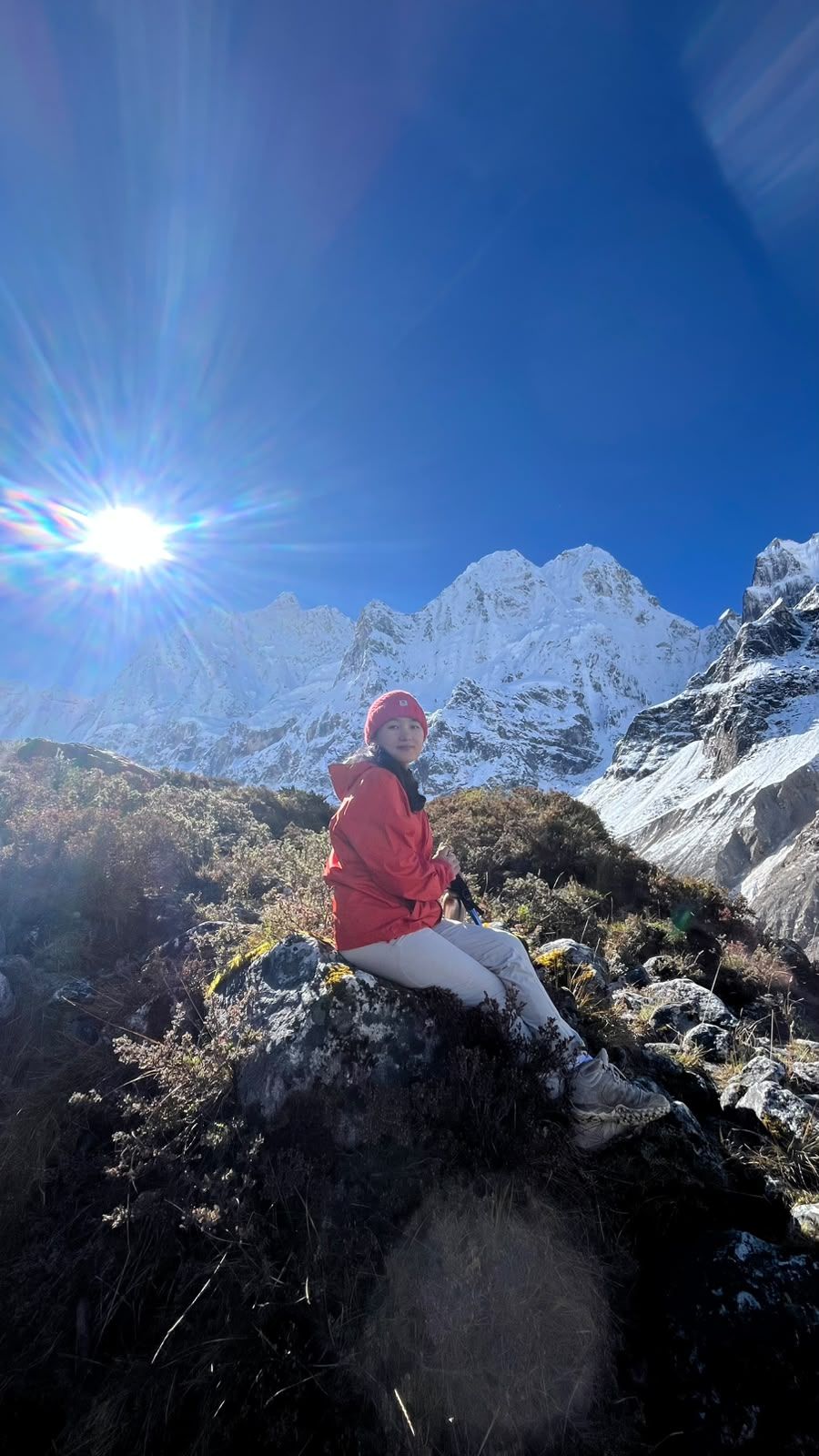
Nepal can be visited all year, but the season makes a big difference to views, temperatures and trail conditions. Autumn (late September to November) and spring (March to May) are the classic trekking seasons, while winter and the monsoon suit certain routes very well.
Seasons at a Glance
Season | Months | Weather | Best for |
|---|---|---|---|
Autumn | Late Sep–Nov | Clear skies, stable, mild days, cold nights | All classic treks, best mountain views |
Winter | Dec–Feb | Cold, dry, clear; snow on high passes | Lower treks, quiet trails |
Spring | Mar–May | Warmer, rhododendrons, some afternoon cloud | All treks, flowers, climbing season |
Monsoon | Jun–Aug | Rain, cloud, leeches at lower levels | Rain-shadow treks: Mustang, Dolpo, Nar Phu |
Month-by-Month Guide
Month | Conditions | Trekking rating |
|---|---|---|
January | Cold and icy but generally clear; some high lodges closed | Good for low treks |
February | Cold, warming towards the end; rhododendrons begin low down | Good for low–mid treks |
March | Pleasant; rhododendrons bloom from about 2,000 m | Very good |
April | Warm lower down, flowers at their best | Excellent |
May | Warm, hazier; pre-monsoon showers late in the month | Very good |
June | Monsoon arrives; rain in the hills | Rain-shadow treks |
July | Peak monsoon | Rain-shadow treks |
August | Monsoon continues, greenest landscapes | Rain-shadow treks |
September | Rain eases late in the month; green and fresh | Good, improving |
October | Peak season – crystal-clear skies | Excellent |
November | Very clear, colder nights, fewer crowds late in the month | Excellent |
December | Cold and clear; high passes can be snowy | Good |
Autumn (September–November)
The most popular season. After the monsoon the air is washed clean, giving the sharpest mountain views of the year. Days are mild and nights cold at altitude. It is also festival time, with Dashain and Tihar. Book flights, permits and lodges early for October. Read more in our guide to autumn treks in Nepal.
Spring (March–May)
The second peak season, with warmer temperatures and rhododendron forests in full bloom. It is also the main Everest climbing season. Views can be a little hazier than in autumn, especially in May.
Winter (December–February)
Cold but often beautifully clear, with very few trekkers. Lower and mid-altitude treks such as Poon Hill, Langtang, Helambu and the Everest Panorama are ideal. High passes like Thorong La, Larkya La and the Everest Three Passes can be blocked by snow, and some high lodges close.
Monsoon (June–August)
Rain falls mainly in the afternoon and at night, trails are muddy and clouds often hide the mountains. But the rain-shadow regions north of the Himalaya stay dry – Upper Mustang, Upper Dolpo and Nar Phu are excellent in summer. See our summer vacation in Nepal guide.
Best Season by Region
Region / trek | Best months |
|---|---|
Everest Base Camp, Gokyo | Oct–Nov, Mar–May |
Annapurna Circuit, Annapurna Base Camp | Oct–Nov, Mar–Apr |
Manaslu Circuit, Tsum Valley | Oct–Nov, Mar–May |
Langtang, Helambu | Oct–Dec, Mar–May |
Upper Mustang | Apr–Oct (good in the monsoon) |
Upper Dolpo | May–Oct |
Kanchenjunga | Oct–Nov, Apr–May |
Poon Hill and short treks | Almost all year except peak monsoon |
Plan Your Trek
Not sure when to go? Tell us your dates and we will recommend the trek that is at its best during your holiday.