
Permits
Climbing Permits in Nepal
How climbing permits work in Nepal: royalty fees for Everest and other expedition peaks, trekking peaks issued by the Nepal Mountaineering Association, extra permits, rules and how we arrange them.
Updated November 22, 2026
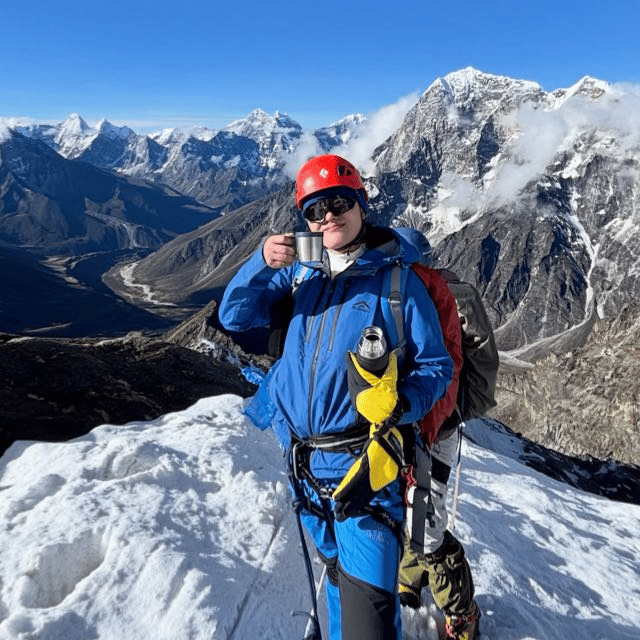
Every mountain climb in Nepal needs a permit. Who issues it and how much it costs depends on the peak, its height, the route and the season. We arrange all permits for our climbing and expedition clients – this page explains how the system works.
Two Types of Climbing Permit
Expedition peaks | Trekking (NMA) peaks | |
|---|---|---|
Issued by | Department of Tourism, Government of Nepal | Nepal Mountaineering Association (NMA) |
Examples | Everest, Manaslu, Ama Dablam, Himlung | Island Peak, Mera Peak, Lobuche East, Yala Peak |
Typical height | Mostly 6,500 m and above | Mostly 5,500–6,500 m |
Requirements | Registered expedition agency, liaison officer, licensed climbing guides | Registered agency and licensed climbing guide |
Everest Royalty Fees (Foreign Climbers)
New fees came into effect on 1 September 2025, the first increase in a decade.
Season | Royalty per person (South Col route) |
|---|---|
Spring (March–May) | USD 15,000 |
Autumn (September–November) | USD 7,500 |
Winter and monsoon | USD 3,750 |
Other 8,000 m Peaks
Season | Royalty per person |
|---|---|
Spring | USD 3,000 |
Autumn | USD 1,500 |
Winter and monsoon | USD 750 |
Peaks below 8,000 m have lower royalty fees that also vary by altitude band and season. Fees can change – we always confirm the current rate when you book.
Trekking Peaks (NMA)
Popular climbing peaks such as Island Peak, Mera Peak and Lobuche East are permitted by the Nepal Mountaineering Association. Fees depend on the peak and season and are lower in autumn, winter and summer than in spring.
Other Permits and Fees You May Need
- National park or conservation area permit – for example Sagarmatha National Park or the Annapurna Conservation Area.
- Local area fees – such as the Khumbu Pasang Lhamu Rural Municipality fee in the Everest region.
- Restricted area permit – for peaks in restricted regions such as Manaslu or Mustang.
- Garbage deposit – a refundable deposit to make sure expeditions bring their waste back down.
- Insurance for Nepali staff – compulsory for guides, porters and climbing Sherpas.
Key Rules for Climbers
- Every expedition must be organised by a registered Nepali agency, and climbers on 8,000 m peaks must climb with licensed guides.
- Teams must follow waste management rules and bring rubbish back to base camp.
- Summit certificates are issued by the Department of Tourism after verification.
- A valid passport, photos and proof of insurance including rescue cover are needed for the permit.
How We Help
Touch The Himalaya handles every step: permit applications, royalty payments, liaison officers, insurance for staff, garbage deposits and summit certificates. You focus on training and the climb.
Explore Our Climbing Trips
Browse our peak climbing and expedition programmes, from first climbs on Island Peak and Mera Peak to 8,000 m expeditions. Contact us for current permit fees for any peak.