

Village
Lobuche
लोबुचे
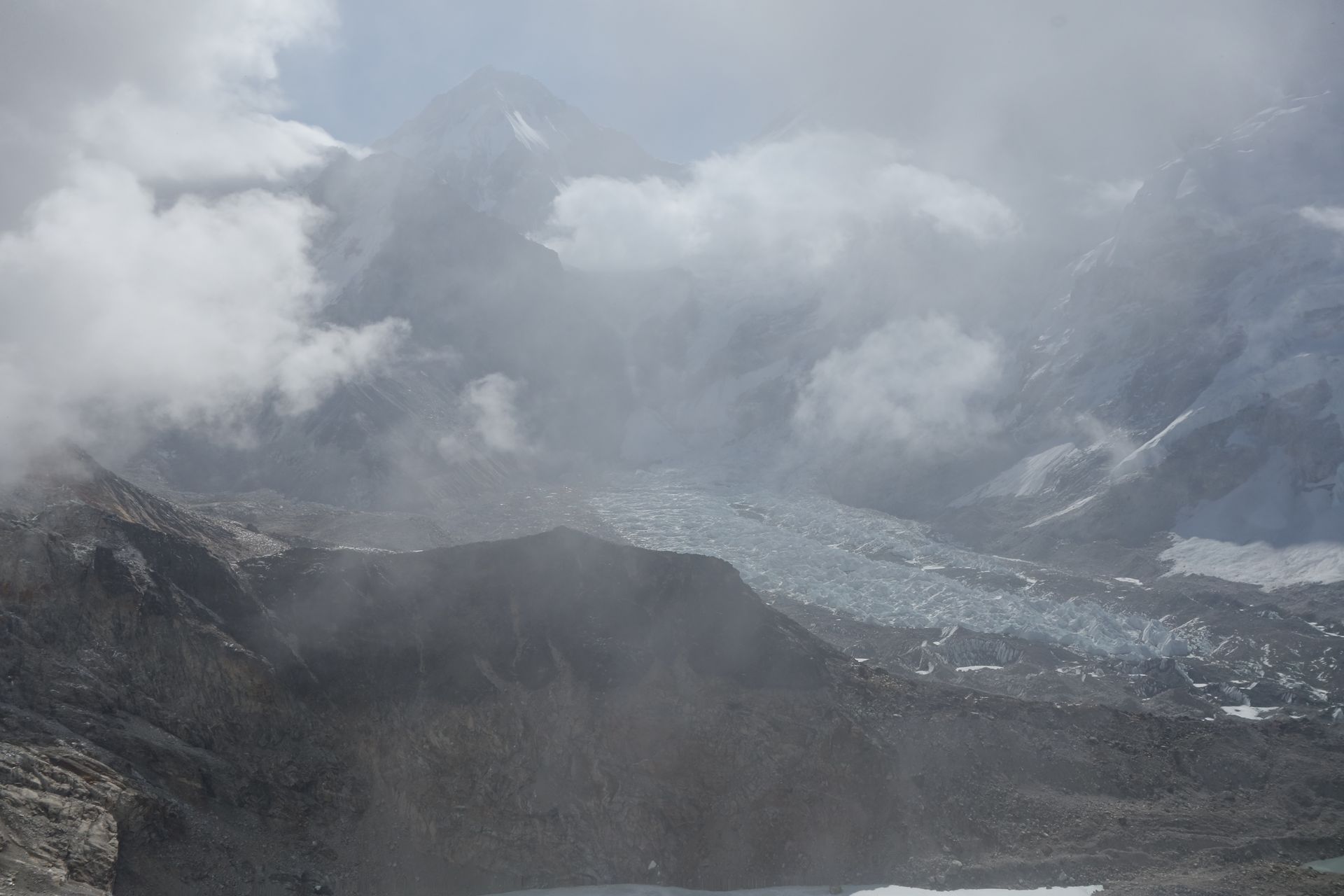
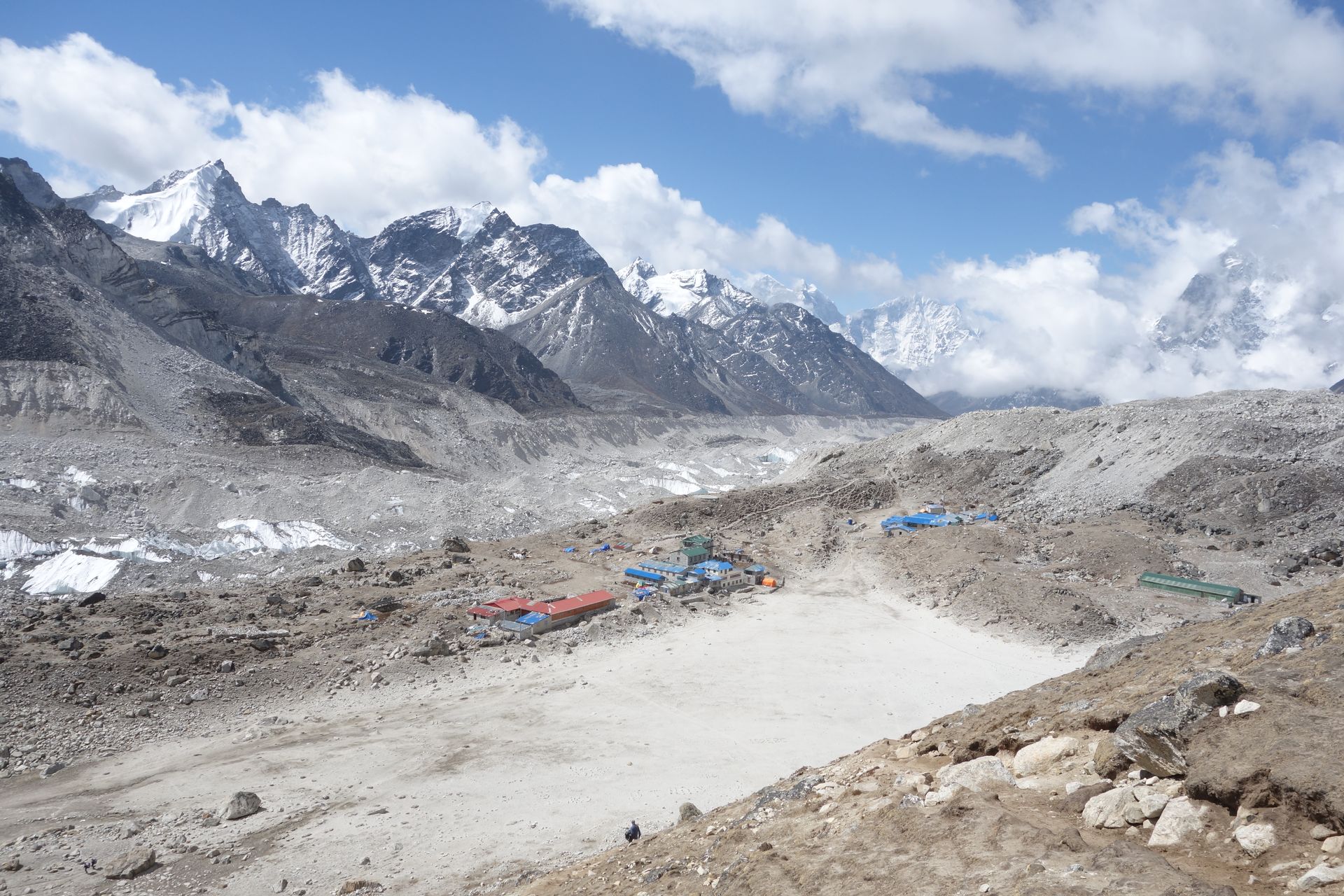
Lobuche is a cluster of lodges beside the Khumbu Glacier and the last overnight stop before Gorak Shep and Everest Base Camp. Nights here are very cold and many trekkers feel the altitude.
- Elevation: ~4,940 m / 16,207 ft
- Type: Village
- Region: Everest Region
- District: Solukhumbu
- Treks: Everest Base Camp Trek, Everest Three Passes Trek, EBC Gokyo Lakes Trek
About Lobuche
Lobuche, also spelled Lobuje, is a small high-altitude settlement in the Khumbu region of Nepal, situated at approximately 4,910–4,940 metres above sea level. Located beside the Khumbu Glacier's lateral moraine, it is one of the final overnight stops on the famous Everest Base Camp trekking route before Gorak Shep and Everest Base Camp.
Surrounded by rugged mountains, rocky slopes and glacial landscapes, Lobuche is an important resting point for trekkers and mountaineers. The settlement has several tea houses and lodges that provide accommodation and meals for visitors preparing for the journey towards Everest Base Camp, Kala Patthar and nearby climbing destinations.
Location and Altitude
Lobuche lies in the upper Khumbu Valley of Solukhumbu District, within Sagarmatha National Park. It is located between Thukla and Gorak Shep, along the trekking trail leading towards the Khumbu Glacier and Everest Base Camp.
- Location: Khumbu, Solukhumbu District, Koshi Province, Nepal
- Altitude: Approximately 4,910–4,940 metres
- Region: Everest / Khumbu
- Coordinates: Approximately 27.9500° N, 86.8130° E
- Nearby places: Thukla, Gorak Shep, Dingboche and Everest Base Camp
- Main significance: Final major overnight stop before Gorak Shep on the Everest Base Camp route
Treks That Pass Through Lobuche
- Everest Base Camp Trek: Lobuche is a key overnight stop before trekkers continue to Gorak Shep and Everest Base Camp.
- Everest Three Passes Trek: The route passes through the upper Khumbu region and connects Lobuche with high mountain trails, including the Cho La and Kongma La areas.
- Kala Patthar Trek: Trekkers stay in Lobuche before heading towards Gorak Shep and the famous Kala Patthar viewpoint.
- Lobuche East Peak Climbing: The settlement serves as an important staging area for climbers attempting Lobuche East Peak, which rises to 6,119 metres.
- Everest Expedition Routes: Lobuche is used by trekking groups and mountaineering teams travelling deeper into the Everest region.
Tea Houses and Accommodation in Lobuche
Lobuche has several tea houses, mountain lodges and basic guesthouses that mainly serve trekkers and climbers. As one of the last major accommodation settlements before Gorak Shep, it becomes particularly busy during the spring and autumn trekking seasons.
- Tea Houses and Lodges: Simple mountain lodges provide rooms, dining areas and basic overnight facilities.
- Food and Meals: Visitors can generally find dal bhat, noodle soup, rice, potatoes, pasta, eggs, tea, coffee and other basic meals.
- Dining Rooms: Shared dining areas offer shelter and a place to rest after long hours on the mountain trail.
- Basic Accommodation: Rooms are generally simple, with shared bathrooms and limited facilities.
- Electricity and Charging: Charging facilities may be available for an additional fee, but electricity can be limited.
- Internet and Communication: Wi-Fi and mobile connectivity may be unreliable.
- Seasonal Services: More lodges and services generally operate during the main spring and autumn trekking periods.
Due to the remote location and high altitude, accommodation and meals can be more expensive than in lower villages. It is advisable to carry warm clothing, a sleeping bag and essential personal supplies.
Nature and Landscape of Lobuche
Lobuche is surrounded by a dramatic alpine environment featuring glaciers, rocky moraines, snow-covered mountains and wide mountain valleys. Unlike the forested landscapes of lower Khumbu, the area has very little tree cover because of its extreme altitude and cold climate.
- Khumbu Glacier: The settlement is located beside the extensive Khumbu Glacier system, with rocky glacial deposits shaping the surrounding landscape.
- Himalayan Mountain Views: Trekkers can enjoy views of Nuptse, Pumori, Lobuche Peak and other surrounding Himalayan mountains.
- Rocky Moraines: Glacial debris, boulders and gravel-covered slopes create a distinctive high-altitude landscape.
- Alpine Vegetation: Hardy grasses, mosses and small mountain plants survive in sheltered areas during the short growing season.
- Mountain Wildlife: The wider region supports Himalayan wildlife and birds adapted to high-altitude conditions, although sightings are uncommon.
- Cold Mountain Climate: Strong winds, freezing nights and rapidly changing weather are common, particularly outside the main trekking seasons.
The combination of glaciers, rugged terrain and towering peaks makes Lobuche one of the most striking natural landscapes along the Everest Base Camp trail.
Best Time to Visit Lobuche
The best time to visit Lobuche is during spring and autumn, when trekking conditions are generally more favourable in the Everest region.
- Spring (March to May): A popular season for Everest Base Camp trekking, with active tea houses and opportunities to enjoy clear mountain views.
- Autumn (September to November): Often offers crisp mountain air, good visibility and favourable trekking conditions.
- Winter (December to February): Extremely cold temperatures, snow and icy trails make trekking more challenging.
- Monsoon (June to August): Rain, cloud and changing weather can affect visibility and trail conditions.
Main Attractions in Lobuche
- Khumbu Glacier: Explore the impressive glacial landscape near the settlement, with its rocky moraines and dramatic mountain surroundings.
- Lobuche East Peak: A popular trekking peak reaching 6,119 metres, attracting climbers looking for a challenging Himalayan mountaineering experience.
- Lobuche West Peak: A higher neighbouring summit at approximately 6,145 metres, generally requiring a more demanding expedition-style approach.
- Thukla Memorial Ridge: Visit the memorials dedicated to climbers and Sherpas who lost their lives on Everest and surrounding mountains.
- Himalayan Mountain Scenery: Enjoy views of Nuptse, Pumori, Lobuche Peak and the surrounding snow-covered landscape.
- Everest Base Camp Trail: Continue from Lobuche towards Gorak Shep and Everest Base Camp through the rugged upper Khumbu Valley.
- Kala Patthar Route: Use Lobuche as an overnight stop before travelling towards one of the region's most famous Everest viewpoints.
Lobuche and the Everest Base Camp Route
Lobuche plays an important role in the final stages of the Everest Base Camp trek. After passing the Thukla Memorial Ridge, trekkers follow a rocky trail beside the Khumbu Glacier towards the settlement. Most itineraries include an overnight stay here before continuing to Gorak Shep and Everest Base Camp the following day.
The high altitude makes this section physically demanding. Trekkers should walk slowly, stay hydrated, monitor symptoms of altitude sickness and follow a properly planned acclimatization schedule.
Where is Lobuche?
The exact point on the Himalaya trail, with nearby places for context.
On this map
Nearby places
Village
Gorak Shep
गोरखशेप
5,164 m
Gorak Shep is a frozen lakebed with a handful of lodges and the final overnight stop on the Everest Base Camp trek. From here trekkers walk to Base Camp and climb Kala Patthar. It was the site of the original 1953 Everest expedition’s base camp.
Read place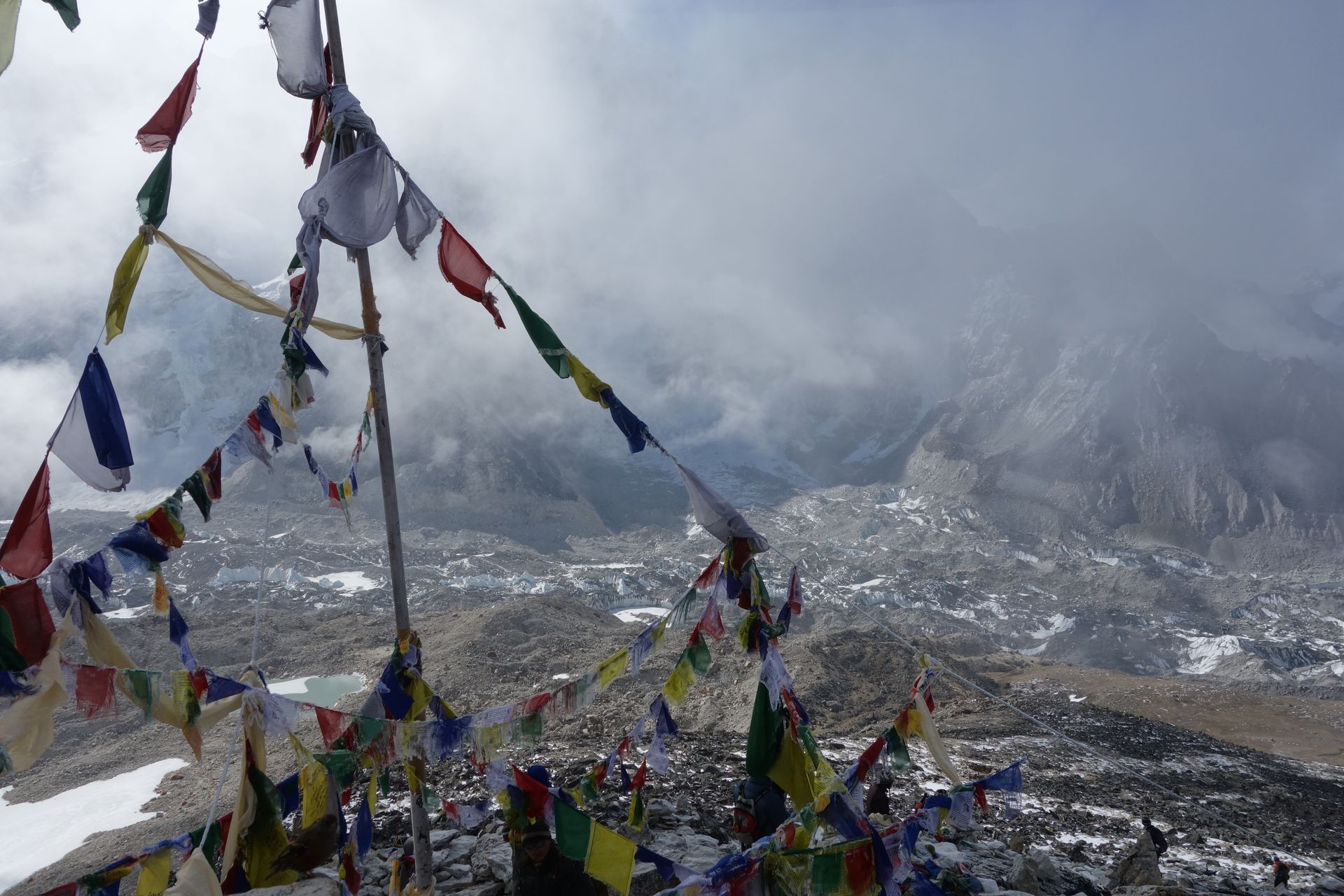
Village
Thukla
थुक्ला (Dughla)
4,620 m
Thukla, also called Dughla, is a small cluster of lodges below the terminal moraine of the Khumbu Glacier. It is a lunch stop on the way from Dingboche to Lobuche. Above it the trail climbs steeply to the Thukla Pass, lined with stone memorials to climbers who died on Everest.
Read place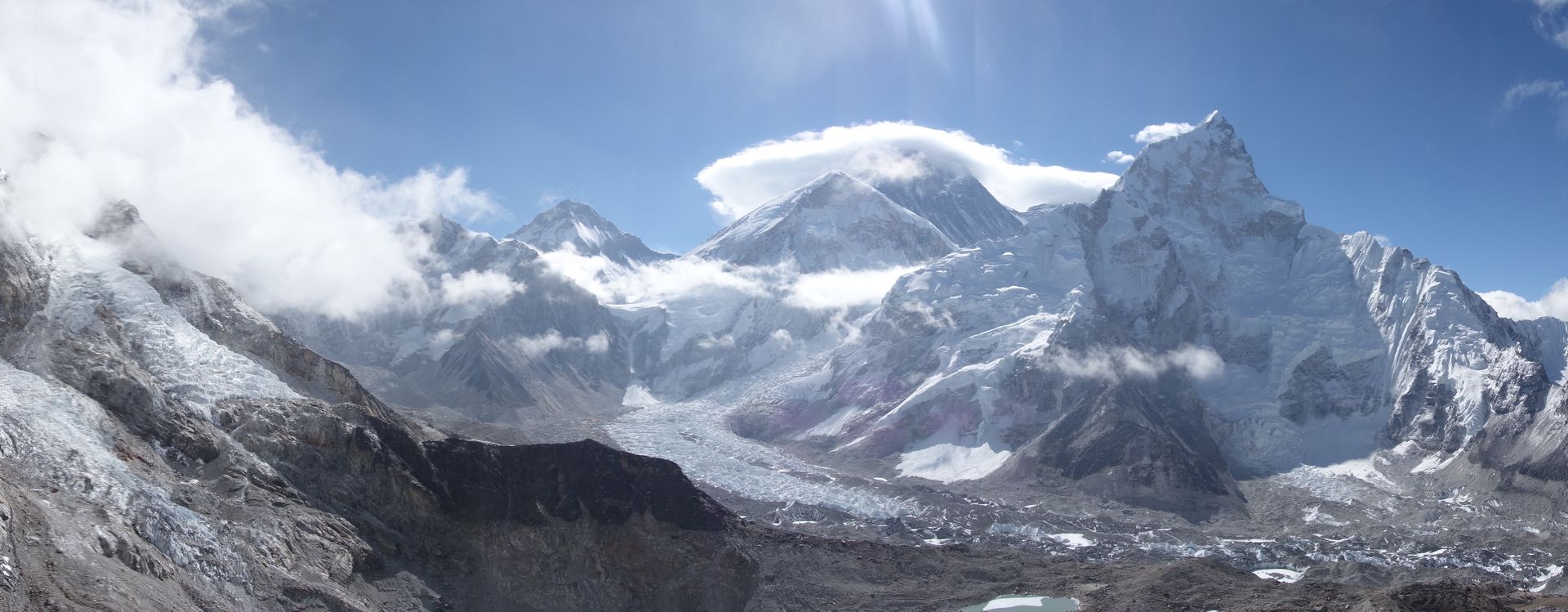
Glacier
Khumbu Glacier
खुम्बु हिमनदी
4,900 m
The Khumbu Glacier flows down from the Western Cwm of Everest, over the Khumbu Icefall and past Everest Base Camp. It is the highest glacier of its size in the world. The EBC trail follows its lateral moraine from Thukla to Gorak Shep, and Base Camp sits on its surface.
Read place