
Village
Gorak Shep
गोरखशेप
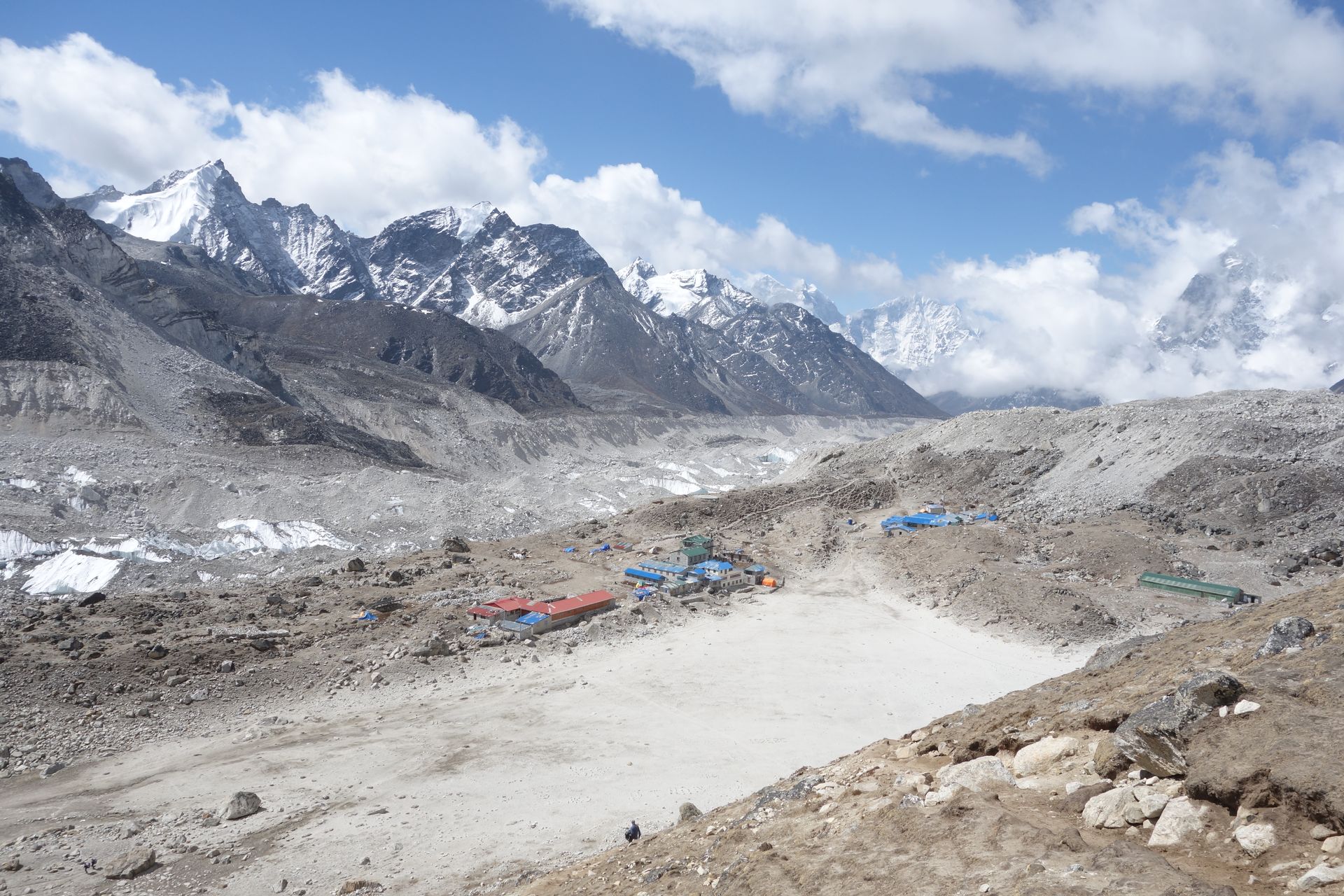
Gorak Shep is a frozen lakebed with a handful of lodges and the final overnight stop on the Everest Base Camp trek. From here trekkers walk to Base Camp and climb Kala Patthar. It was the site of the original 1953 Everest expedition’s base camp.
- Elevation: ~5,164 m / 16,942 ft
- Type: Village
- Region: Everest Region
- District: Solukhumbu
- Highest lodges on the EBC route
- Treks: Everest Base Camp Trek, Everest Three Passes Trek, EBC Gokyo Lakes Trek
About Gorak Shep
Gorak Shep, also written as Gorakshep, is a small seasonal settlement in the Khumbu region of Nepal, located at approximately 5,164 metres above sea level. It is the last settlement with tea houses on the classic Everest Base Camp trekking route and one of the highest overnight stops in the Everest region. Situated on a flat, sandy former glacial lakebed near the Khumbu Glacier, Gorak Shep is surrounded by rocky terrain, glaciers and towering Himalayan peaks.
Gorak Shep is an important base for trekkers visiting Everest Base Camp and Kala Patthar. Most visitors spend a night here before making these final high-altitude excursions. The settlement has only a small collection of seasonal tea houses and basic lodges, but its dramatic landscape and location make it one of the most memorable stops on the Everest journey.
Location and Altitude
Gorak Shep is located in the upper Khumbu Valley of Solukhumbu District, inside Sagarmatha National Park. It lies beyond Lobuche and below Kala Patthar, close to the Khumbu Glacier and the route towards Everest Base Camp.
- Location: Khumbu, Solukhumbu District, Koshi Province, Nepal
- Altitude: Approximately 5,164 metres
- Region: Everest / Khumbu
- Coordinates: Approximately 27.9806° N, 86.8286° E
- Nearby places: Lobuche, Everest Base Camp and Kala Patthar
- Main significance: Last tea house settlement before Everest Base Camp
Treks That Pass Through Gorak Shep
- Everest Base Camp Trek: Gorak Shep is the final overnight settlement before trekkers walk to Everest Base Camp on the Khumbu Glacier.
- Kala Patthar Trek: Many trekkers stay in Gorak Shep before making an early-morning ascent to Kala Patthar for panoramic views of Mount Everest and surrounding peaks.
- Everest Three Passes Trek: The settlement is part of the high-altitude route through the upper Khumbu region, connecting with trails towards Kongma La and other mountain passes.
- Lobuche to Gorak Shep Trek: This demanding section follows rocky moraine terrain beside the Khumbu Glacier and gradually gains altitude.
- Gorak Shep to Everest Base Camp: A memorable high-altitude walk across glacial and rocky terrain leads to the famous base camp.
Tea Houses and Accommodation in Gorak Shep
Gorak Shep has a small number of seasonal tea houses and basic mountain lodges that accommodate trekkers heading to Everest Base Camp and Kala Patthar. Accommodation is simple because of the settlement's extreme altitude and remote location.
- Tea Houses and Lodges: A handful of lodges provide basic rooms, meals and overnight accommodation during the main trekking seasons.
- Food and Meals: Common options include dal bhat, noodle soup, rice, potatoes, pasta, eggs, tea, coffee and simple snacks.
- Dining Rooms: Shared dining spaces offer shelter where trekkers can eat, rest and warm up.
- Basic Rooms: Rooms are generally simple, often with shared bathroom facilities and limited heating.
- Charging and Internet: Electricity, device charging and Wi-Fi may be limited or available for an additional fee.
- Water Facilities: Boiled or treated drinking water is important because safe water sources are limited in this exposed environment.
- Seasonal Availability: Many lodges operate mainly during spring and autumn, with fewer services during the harsh winter months.
Trekkers should expect basic facilities rather than comfortable hotel-style accommodation. It is wise to carry warm sleeping layers, a power bank and suitable cold-weather equipment.
Nature and Landscape of Gorak Shep
Gorak Shep has one of the most dramatic and barren landscapes along the Everest Base Camp trail. The settlement occupies a sandy former glacial lakebed, surrounded by rocky moraines, ice fields and enormous Himalayan peaks. At this elevation, trees are absent and vegetation is extremely sparse.
- Former Glacial Lakebed: The flat sandy basin is the remains of an ancient glacial lake, giving the settlement its distinctive open appearance.
- Khumbu Glacier: The nearby glacier and its rugged moraine formations create a spectacular high-altitude environment.
- Mountain Views: The surrounding skyline includes Pumori, Nuptse and other major Himalayan peaks. Mount Everest itself is not clearly visible from the settlement because intervening ridges and mountains obstruct the view.
- Kala Patthar Landscape: The rocky slopes above Gorak Shep lead to Kala Patthar, one of the region's best-known viewpoints of Mount Everest.
- Alpine Vegetation: Very little vegetation survives in this cold, exposed environment, with only occasional hardy plants in sheltered places.
- Himalayan Birds: High-altitude birds, including ravens and choughs, may be seen around the wider area.
- Cold and Windy Climate: Strong winds, freezing nights and rapidly changing weather are common.
The combination of sandy ground, glacial terrain and snow-covered mountains gives Gorak Shep an almost otherworldly Himalayan atmosphere.
Best Time to Visit Gorak Shep
The best time to visit Gorak Shep is during spring and autumn, when weather and trail conditions are generally more suitable for high-altitude trekking.
- Spring (March to May): A popular trekking season with more active tea houses, favourable trekking conditions on many days and impressive mountain scenery.
- Autumn (September to November): Often offers clear skies, crisp mountain air and excellent opportunities for Himalayan photography.
- Winter (December to February): Extremely cold temperatures, snowfall and icy trails make trekking challenging. Many tea houses close.
- Monsoon (June to August): Cloud, rain and changing weather can affect mountain visibility and trail conditions.
Main Attractions in Gorak Shep
- Everest Base Camp: The famous destination for trekkers following the classic Everest Base Camp route. It offers a close experience of the Khumbu Glacier and the mountaineering environment.
- Kala Patthar: One of the most popular viewpoints in the Everest region, offering spectacular panoramic views of Mount Everest, Nuptse, Lhotse and surrounding peaks.
- Khumbu Glacier: Explore the dramatic glacial landscape near the settlement, featuring ice formations, rocky moraines and rugged mountain terrain.
- Pumori Mountain: Admire the impressive pyramid-shaped summit of Pumori, which dominates the mountain scenery above Gorak Shep.
- Nuptse Mountain: The enormous mountain ridge creates a dramatic backdrop to the upper Khumbu Valley.
- Traditional Tea Houses: Experience the simple hospitality of mountain lodges while enjoying warm drinks and meals at one of the highest trekking settlements in Nepal.
- Ancient Glacial Lakebed: Walk across the flat sandy basin that gives Gorak Shep its distinctive landscape.
Historical Significance of Gorak Shep
Gorak Shep has an important place in the history of Himalayan mountaineering. Its flat glacial basin was used as a staging area by early Everest expeditions before the modern Everest Base Camp location became established farther up the Khumbu Glacier.
Today, Gorak Shep continues to support trekkers, guides, porters and mountaineering teams travelling towards Everest Base Camp. Although it is only a small seasonal settlement, its position makes it a significant landmark in the history and development of tourism in the Everest region.
Where is Gorak Shep?
The exact point on the Himalaya trail, with nearby places for context.
On this map
Nearby places
Base camp
Everest Base Camp
सगरमाथा आधार शिविर
5,364 m
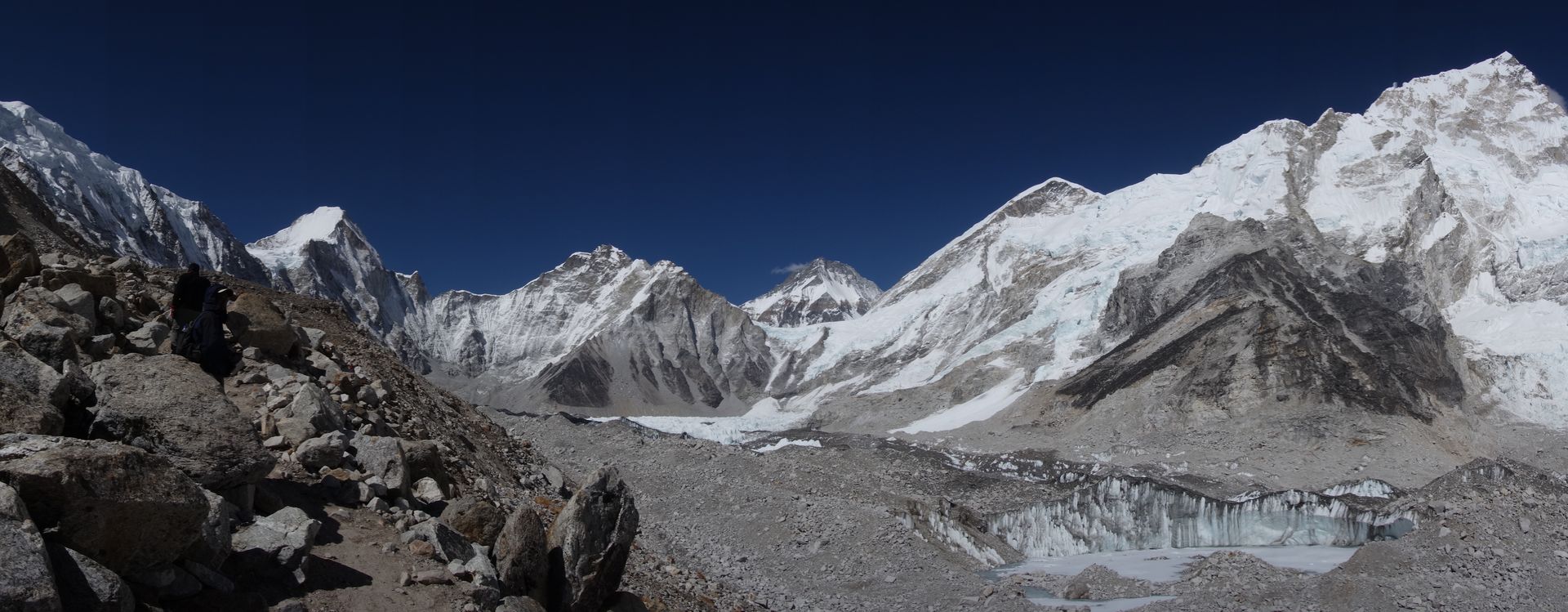
Everest Base Camp on the Khumbu Glacier is the goal of Nepal’s most famous trek. In spring it becomes a tent village of climbing expeditions preparing to tackle the Khumbu Icefall on the South Col route.
Read place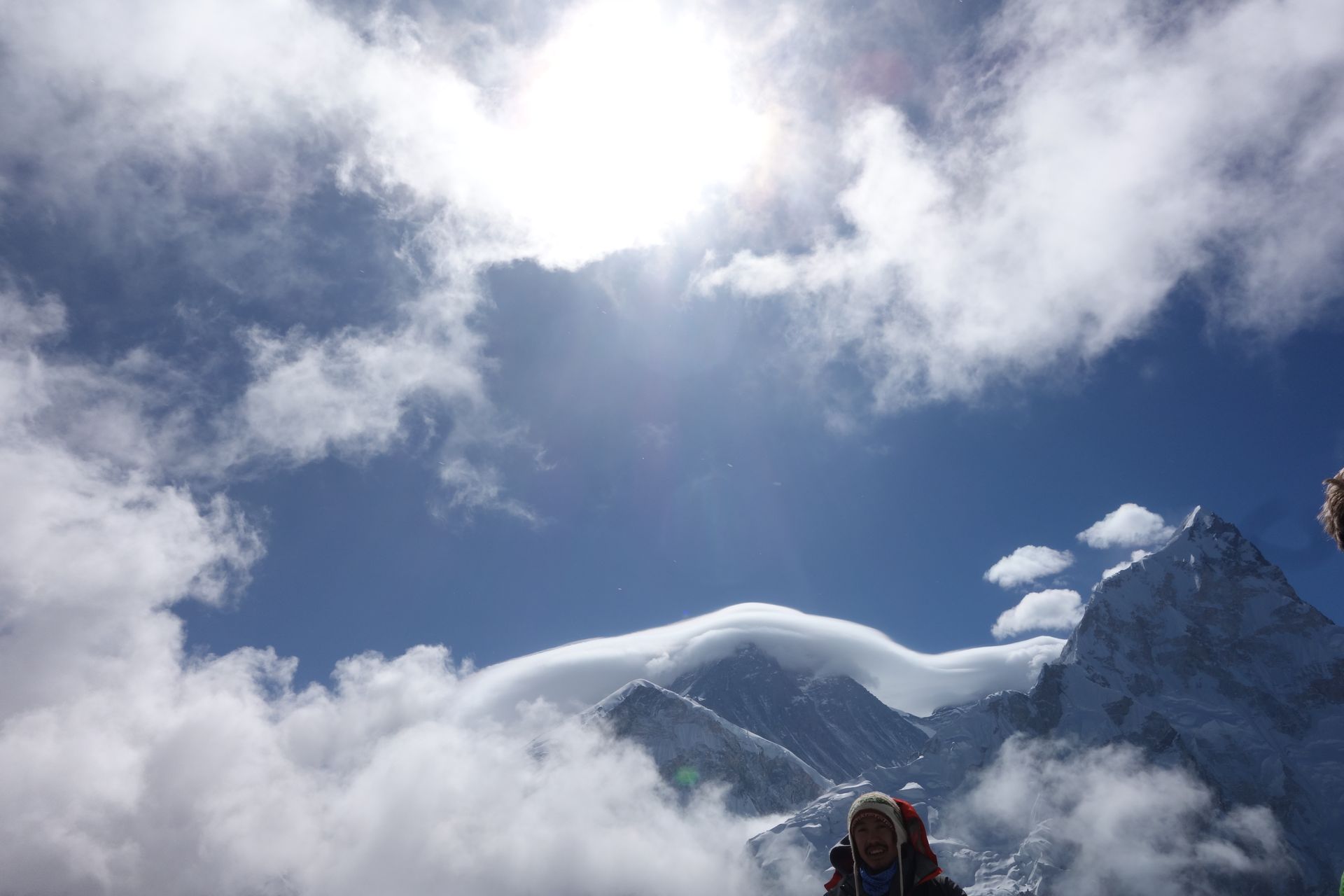
Viewpoint
Kala Patthar
काला पत्थर
5,545 m
Kala Patthar, meaning “black rock”, is a brown ridge above Gorak Shep and the highest point of most Everest Base Camp treks. It gives the closest full view of Everest’s summit pyramid available to trekkers.
Read place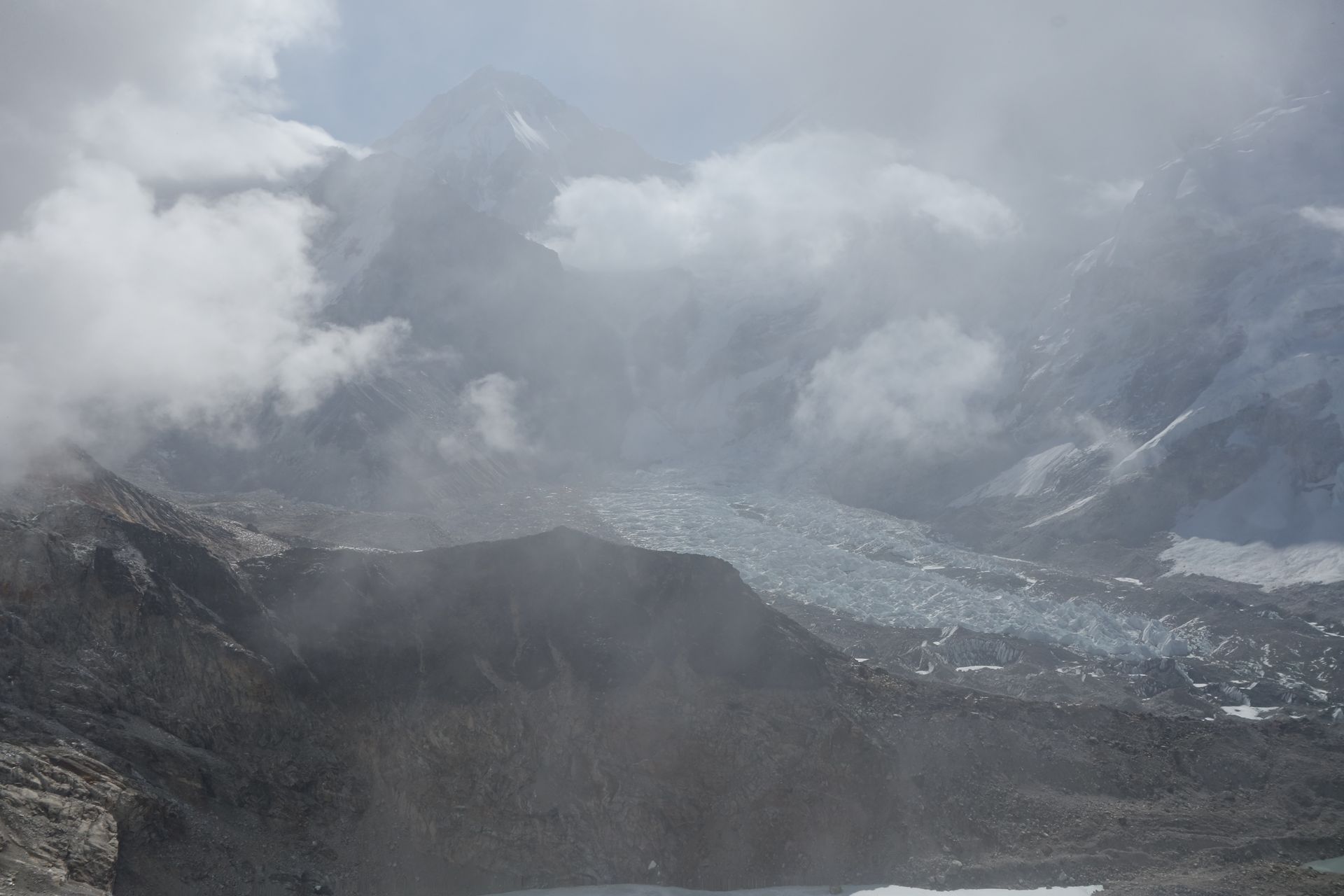
Village
Lobuche
लोबुचे
4,940 m
Lobuche is a cluster of lodges beside the Khumbu Glacier and the last overnight stop before Gorak Shep and Everest Base Camp. Nights here are very cold and many trekkers feel the altitude.
Read place