
Viewpoint
Kala Patthar
काला पत्थर
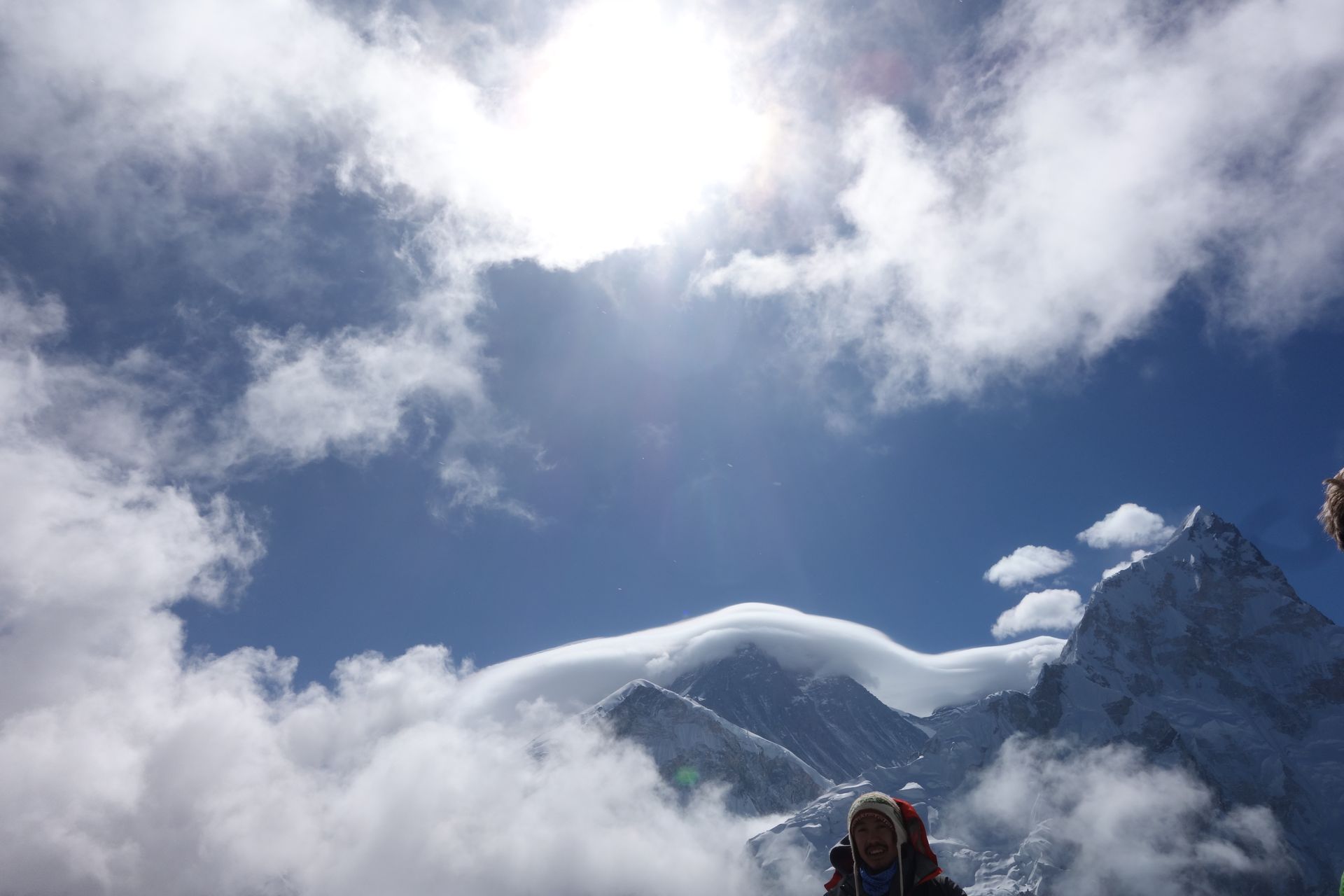
Kala Patthar, meaning “black rock”, is a brown ridge above Gorak Shep and the highest point of most Everest Base Camp treks. It gives the closest full view of Everest’s summit pyramid available to trekkers.
- Elevation: ~5,545 m / 18,192 ft
- Type: Viewpoint
- Region: Everest Region
- District: Solukhumbu
- Best close-up view of Everest
- Treks: Everest Base Camp Trek, Everest Three Passes Trek, EBC Gokyo Lakes Trek
About Kala Patthar
Kala Patthar, meaning "Black Rock" in Nepali, is one of the most famous mountain viewpoints in the Everest region of Nepal. Located above Gorak Shep in the Khumbu region, it sits on the southern ridge of Pumori and offers one of the closest accessible panoramic views of Mount Everest for trekkers.
The popular Kala Patthar viewpoint is approximately 5,545 metres (18,192 feet) above sea level, although the higher rocky point on the ridge is reported at around 5,644 metres. It is a major highlight of the Everest Base Camp Trek, attracting visitors who want to witness the spectacular sunrise over Everest, Lhotse, Nuptse, Pumori and the Khumbu Glacier.
Location and Altitude
Kala Patthar is situated in the upper Khumbu Valley of Solukhumbu District, Koshi Province, Nepal, inside Sagarmatha National Park. It lies above Gorak Shep and is usually reached through a steep walking trail from the settlement.
- Location: Khumbu, Solukhumbu District, Koshi Province, Nepal
- Popular viewpoint altitude: Approximately 5,545 metres
- Higher ridge point: Approximately 5,644 metres
- Coordinates: Approximately 27.9958° N, 86.8284° E
- Mountain range: Khumbu Himal
- Nearby places: Gorak Shep, Everest Base Camp and Lobuche
- Main significance: One of the best accessible viewpoints of Mount Everest
Treks That Pass Through Kala Patthar
- Everest Base Camp Trek: Kala Patthar is a popular side hike on the classic Everest Base Camp itinerary, usually approached from Gorak Shep.
- Everest Base Camp and Kala Patthar Trek: This route combines a visit to Everest Base Camp with an early-morning climb to the Kala Patthar viewpoint.
- Everest Three Passes Trek: Trekkers following the challenging Three Passes circuit often include Kala Patthar as an additional viewpoint.
- Gorak Shep to Kala Patthar Hike: A steep uphill trail leads from Gorak Shep to the viewpoint, usually taking around 1.5–2.5 hours to ascend depending on pace and conditions.
Tea Houses and Accommodation Near Kala Patthar
There are no permanent tea houses, hotels or guesthouses at the Kala Patthar viewpoint itself. Trekkers generally stay overnight in Gorak Shep, the nearest settlement with basic mountain lodges, before making the early-morning hike.
- Gorak Shep Tea Houses: Basic lodges provide rooms, meals and dining facilities for trekkers visiting Kala Patthar.
- Food and Meals: Common meals include dal bhat, noodle soup, rice, potatoes, pasta, eggs, tea and coffee.
- Warm Dining Areas: Shared dining rooms offer a place to rest and warm up before or after the hike.
- Basic Facilities: Accommodation is simple, and hot showers, electricity, charging and Wi-Fi may be limited or cost extra.
- Seasonal Availability: Most lodges operate during the main spring and autumn trekking seasons.
Trekkers should carry warm clothing, a headlamp, drinking water and snacks for the early-morning ascent.
Nature and Landscape of Kala Patthar
Kala Patthar offers an extraordinary high-altitude Himalayan landscape featuring rocky ridges, glaciers, snow-covered peaks and dramatic mountain valleys. Its exposed slopes are mostly covered with dark rocks and loose gravel, with very little vegetation surviving at this elevation.
- Mount Everest: Enjoy a close and spectacular view of Everest's summit pyramid and southwestern face.
- Pumori Mountain: The impressive Pumori rises behind Kala Patthar and forms part of its mountain ridge.
- Nuptse and Lhotse: These enormous Himalayan peaks create a dramatic skyline alongside Everest.
- Khumbu Glacier: The extensive glacier and its rugged moraine formations can be seen below the viewpoint.
- Khumbu Icefall: Observe the impressive ice formations and glacier terrain along the traditional Everest climbing route.
- Alpine Environment: The rocky, exposed landscape has very little plant life because of the extreme altitude and cold climate.
- Mountain Wildlife: The wider Sagarmatha National Park supports Himalayan birds and high-altitude animals, although sightings around Kala Patthar are uncommon.
The sunrise view is particularly beautiful as the first golden light illuminates Everest and the surrounding Himalayan peaks.
Best Time to Visit Kala Patthar
The best time to visit Kala Patthar is during spring and autumn, when mountain visibility and trekking conditions are generally more favourable.
- Spring (March to May): A popular season for trekking, with active Everest expeditions and beautiful mountain scenery.
- Autumn (September to November): Often provides clear skies, crisp mountain air and excellent sunrise photography opportunities.
- Winter (December to February): Extremely cold temperatures, snow and icy trails make the climb more challenging.
- Monsoon (June to August): Clouds, rain and changing weather can reduce visibility and make trekking conditions difficult.
Sunrise and Sunset: Many trekkers start before dawn to reach the viewpoint for sunrise. Sunset will also provide beautiful mountain colours, depending on weather conditions.
Main Attractions in Kala Patthar
- Panoramic Mount Everest View: The main attraction is the close-up view of Mount Everest, which is difficult to see clearly from Everest Base Camp itself.
- Kala Patthar Sunrise: Watch the first sunlight illuminate the summit of Everest and surrounding Himalayan mountains.
- Pumori Mountain: Enjoy the impressive view of Pumori rising above the rocky ridge.
- Nuptse and Lhotse: Admire the dramatic neighbouring peaks that form part of the spectacular Everest mountain panorama.
- Khumbu Glacier: Look down towards the extensive glacier and its rugged rocky surroundings.
- Everest Base Camp View: Observe the location of Everest Base Camp from above, particularly during the spring expedition season when colourful tents may be visible.
- Prayer Flags and Summit Cairn: The viewpoint is marked by prayer flags and a small stone cairn, creating a memorable place for photographs.
- Himalayan Photography: The mountain scenery makes Kala Patthar one of the most popular photography destinations in the Everest region.
Kala Patthar Sunrise Viewpoint
The sunrise hike to Kala Patthar is one of the most memorable experiences of the Everest Base Camp Trek. Trekkers usually leave Gorak Shep early in the morning, often before dawn, using headlamps to follow the steep rocky trail.
After reaching the viewpoint, visitors can watch the first sunlight illuminate Mount Everest, Nuptse, Lhotse and Pumori. The changing colours of the Himalayan peaks create a spectacular natural display and provide excellent opportunities for photography.
The climb is not a technical mountaineering ascent, but the extreme altitude makes it physically demanding. Trekkers should ascend slowly, follow their guide's advice and turn back if they develop symptoms of altitude sickness.
Important Travel and Safety Information
- Acclimatization: Complete proper acclimatization before attempting the climb above 5,000 metres.
- Warm Clothing: Carry insulated jackets, gloves, warm socks, hats and windproof outer layers.
- Headlamp: Essential for early-morning hikes before sunrise.
- Footwear: Wear sturdy trekking boots suitable for loose rocks and potentially icy trails.
- Hydration: Carry sufficient drinking water and snacks.
- Weather Conditions: Check weather forecasts and follow local guide recommendations before starting.
- Altitude Sickness: Watch for headaches, nausea, dizziness, unusual fatigue and breathlessness at rest. Stop ascending and seek medical assistance if symptoms develop.
Where is Kala Patthar?
The exact point on the Himalaya trail, with nearby places for context.
On this map
Nearby places
Village
Gorak Shep
गोरखशेप
5,164 m
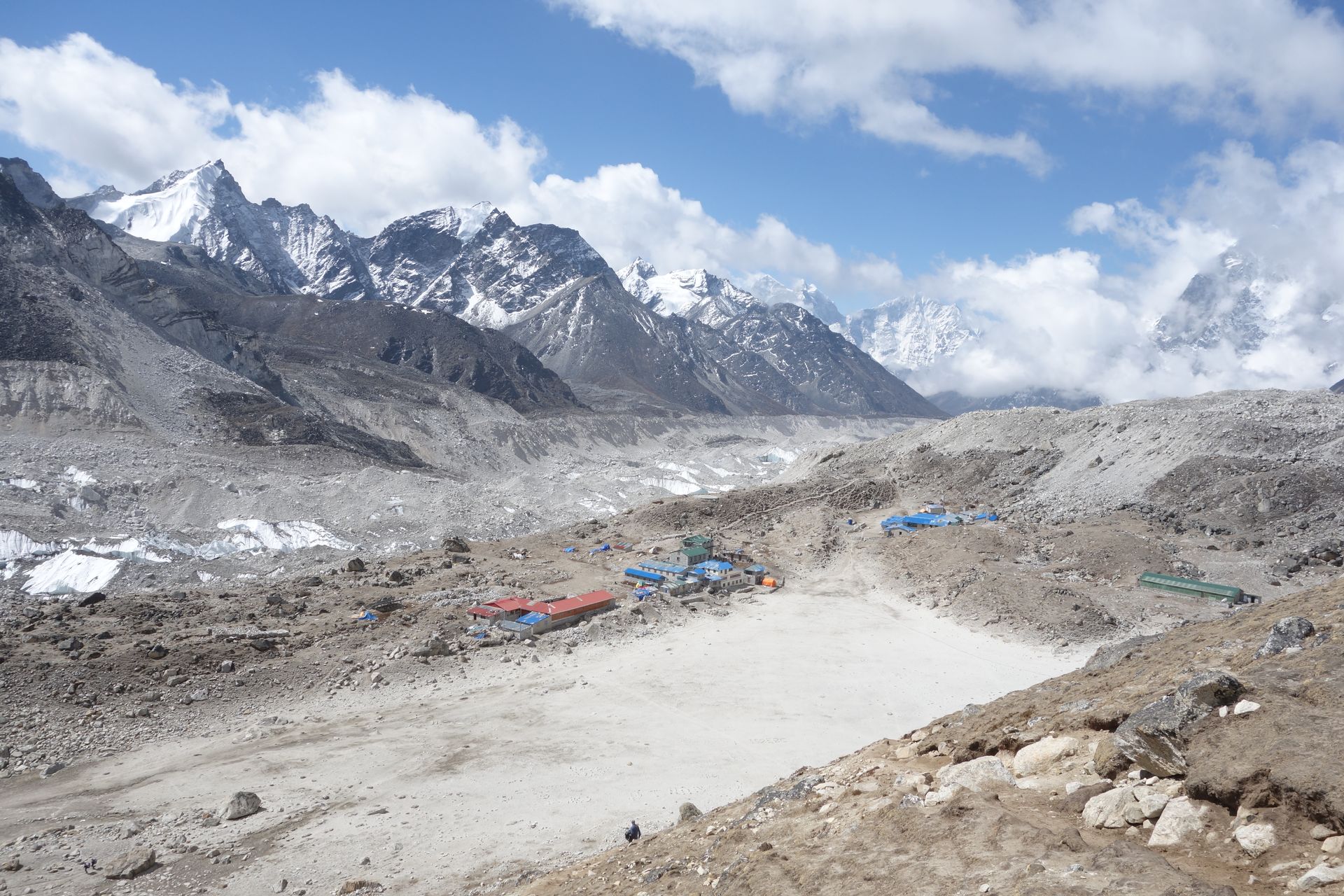
Gorak Shep is a frozen lakebed with a handful of lodges and the final overnight stop on the Everest Base Camp trek. From here trekkers walk to Base Camp and climb Kala Patthar. It was the site of the original 1953 Everest expedition’s base camp.
Read place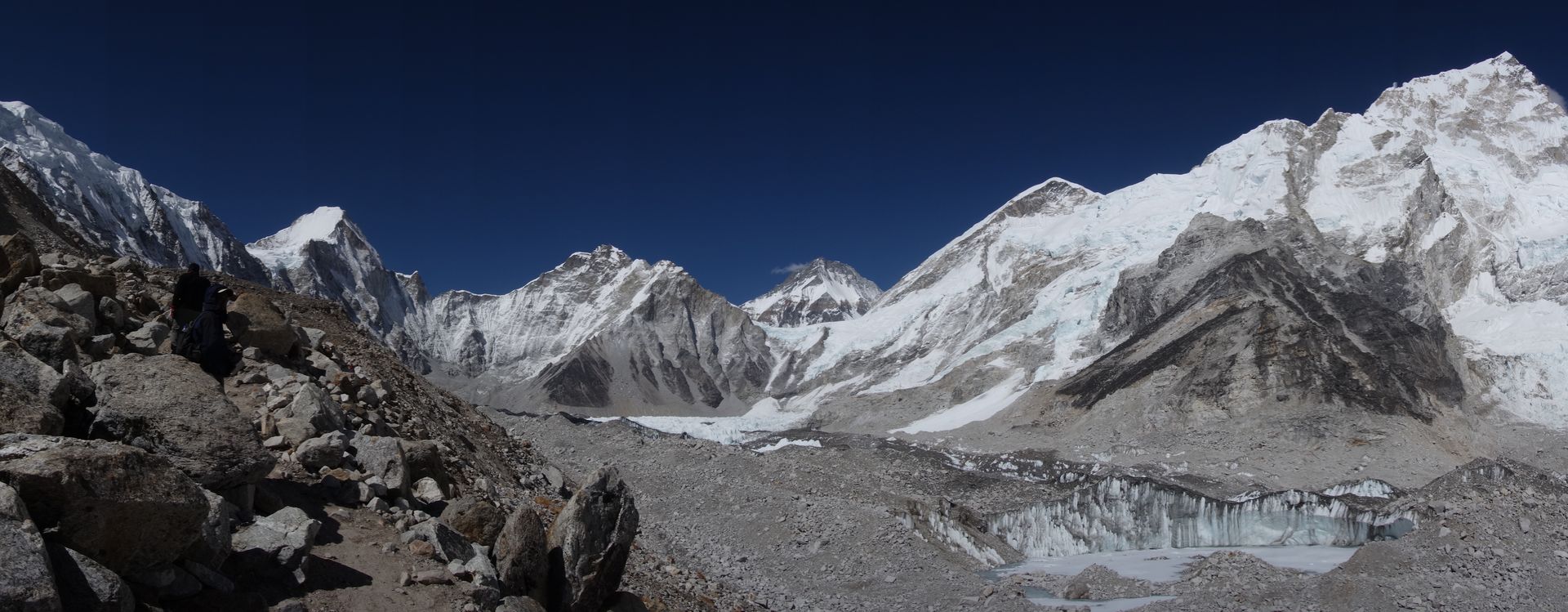
Base camp
Everest Base Camp
सगरमाथा आधार शिविर
5,364 m
Everest Base Camp on the Khumbu Glacier is the goal of Nepal’s most famous trek. In spring it becomes a tent village of climbing expeditions preparing to tackle the Khumbu Icefall on the South Col route.
Read place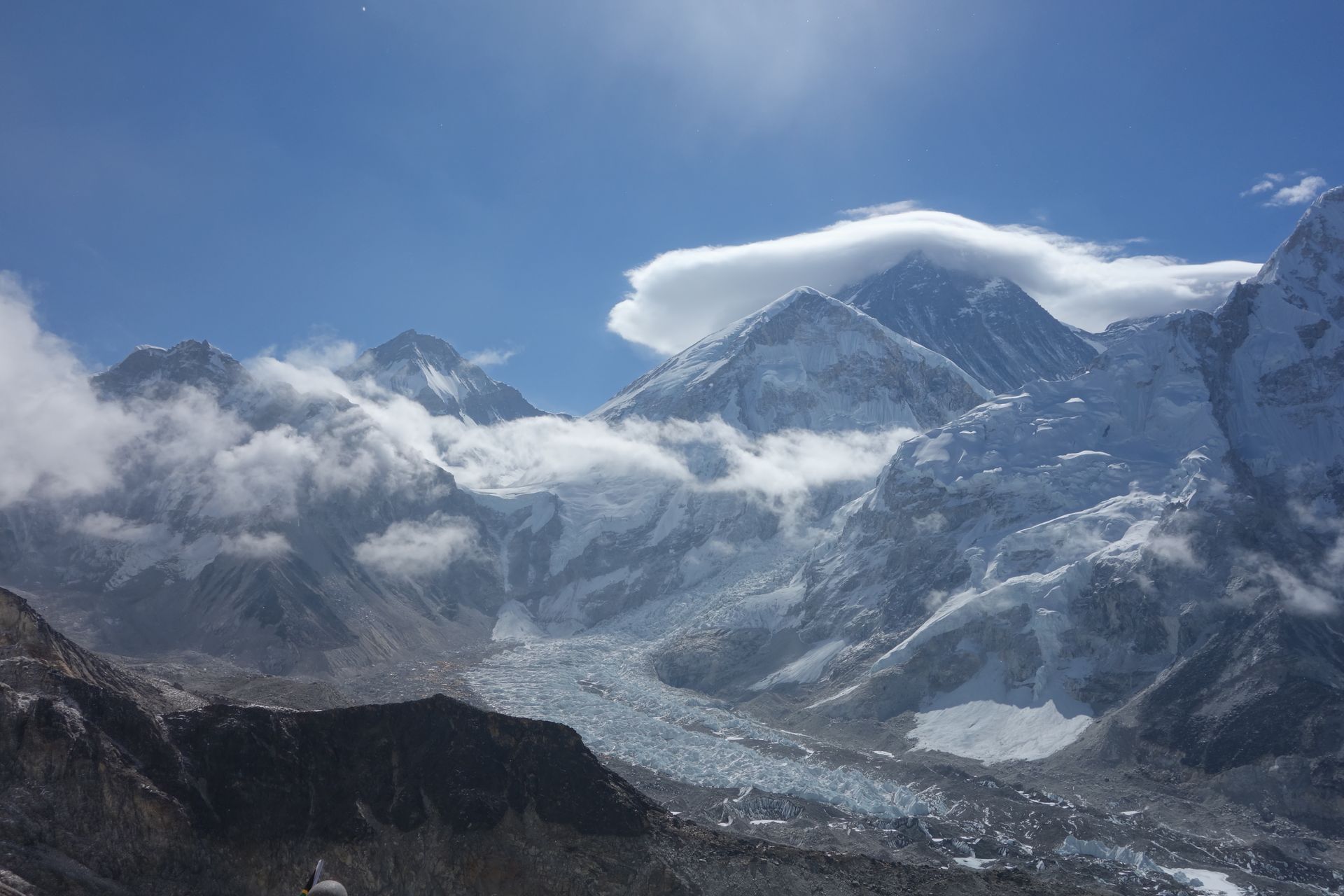
Mountain peak
Mount Everest
सगरमाथा (Sagarmatha) / Chomolungma
8,849 m
Mount Everest, known in Nepal as Sagarmatha and in Tibetan as Chomolungma, is the highest mountain on Earth at 8,849 m. It stands on the Nepal–Tibet border at the head of the Khumbu valley and is the centrepiece of every Everest Region trek.
Read place