

Trek Guide
How Hard Is the Annapurna Base Camp Trek? Difficulty Explained
An honest guide to how hard the Annapurna Base Camp trek is: the stone steps, daily walking hours, altitude and how to prepare.
On this page
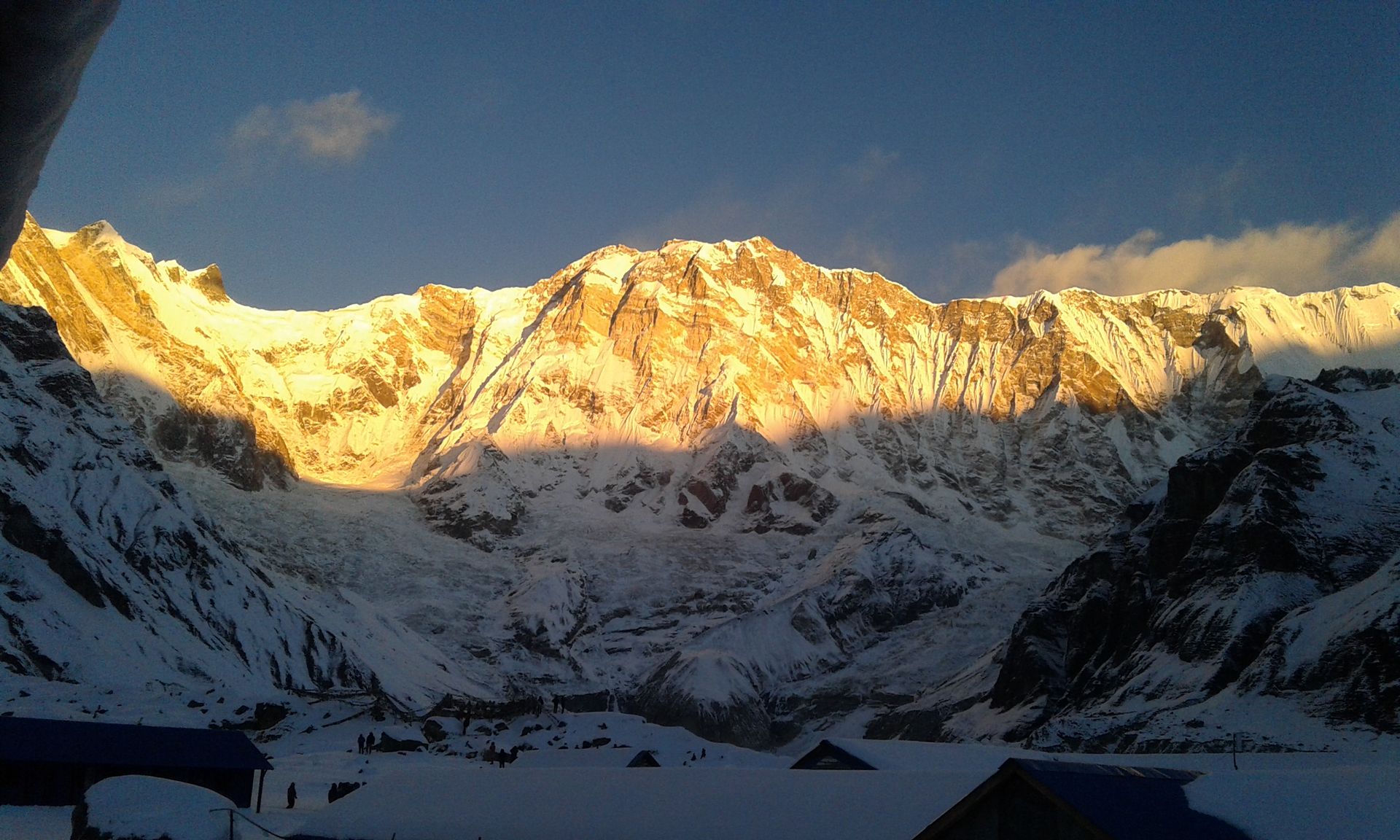
Annapurna Base Camp (ABC) is one of the most achievable big-mountain treks in Nepal. It is lower and shorter than Everest Base Camp, but it is not a stroll: the trail is famous for its stone steps. Here is how hard it really is.
The short answer
We grade the Annapurna Base Camp trek as moderate. You walk 4–7 hours a day and reach 4,130 m at base camp. There is no technical climbing. The main challenge is the thousands of stone steps, up and down, especially around Chhomrong. A reasonably fit person, including a first-time trekker, can do it with some training.
Annapurna Base Camp difficulty at a glance
At a glance | Details |
|---|---|
Our grade | Moderate |
Length | 12 days from Kathmandu, with about 8 days of walking |
Highest point | Annapurna Base Camp, 4,130 m (13,550 ft) |
Typical day | 4–6 hours of walking |
Longest day | 6–7 hours |
Technical climbing | None |
What makes the trek hard
- Stone steps. Long staircases climb and descend between villages. The descent to the river below Chhomrong, and the climb back up on the return, are the best known.
- Ups and downs. The trail crosses side valleys, so you often lose height before gaining it again.
- Altitude. Base camp is at 4,130 m. That is high enough for altitude sickness, though the risk is lower than on Everest or the Annapurna Circuit.
- Weather. After heavy snow, the section between Deurali and Machhapuchhre Base Camp can carry avalanche risk.
- Wet trails in the monsoon make the steps slippery.
The hardest days
- Ghandruk to Chhomrong (5–6 hours): a real up-and-down day, with a steep descent to the river and a long climb.
- Bamboo to Deurali (5–6 hours): steady climbing through forest into the narrow upper valley.
- Deurali to Annapurna Base Camp: not long, but you gain height quickly and feel the thin air above 3,700 m.
How fit do you need to be?
If you can walk 5–6 hours on hilly ground and climb stairs steadily, you can do this trek. Train for six to eight weeks with stair climbing and hill walks, and practise walking downhill too, because the descents are hard on the knees.
Beginners, children and older trekkers
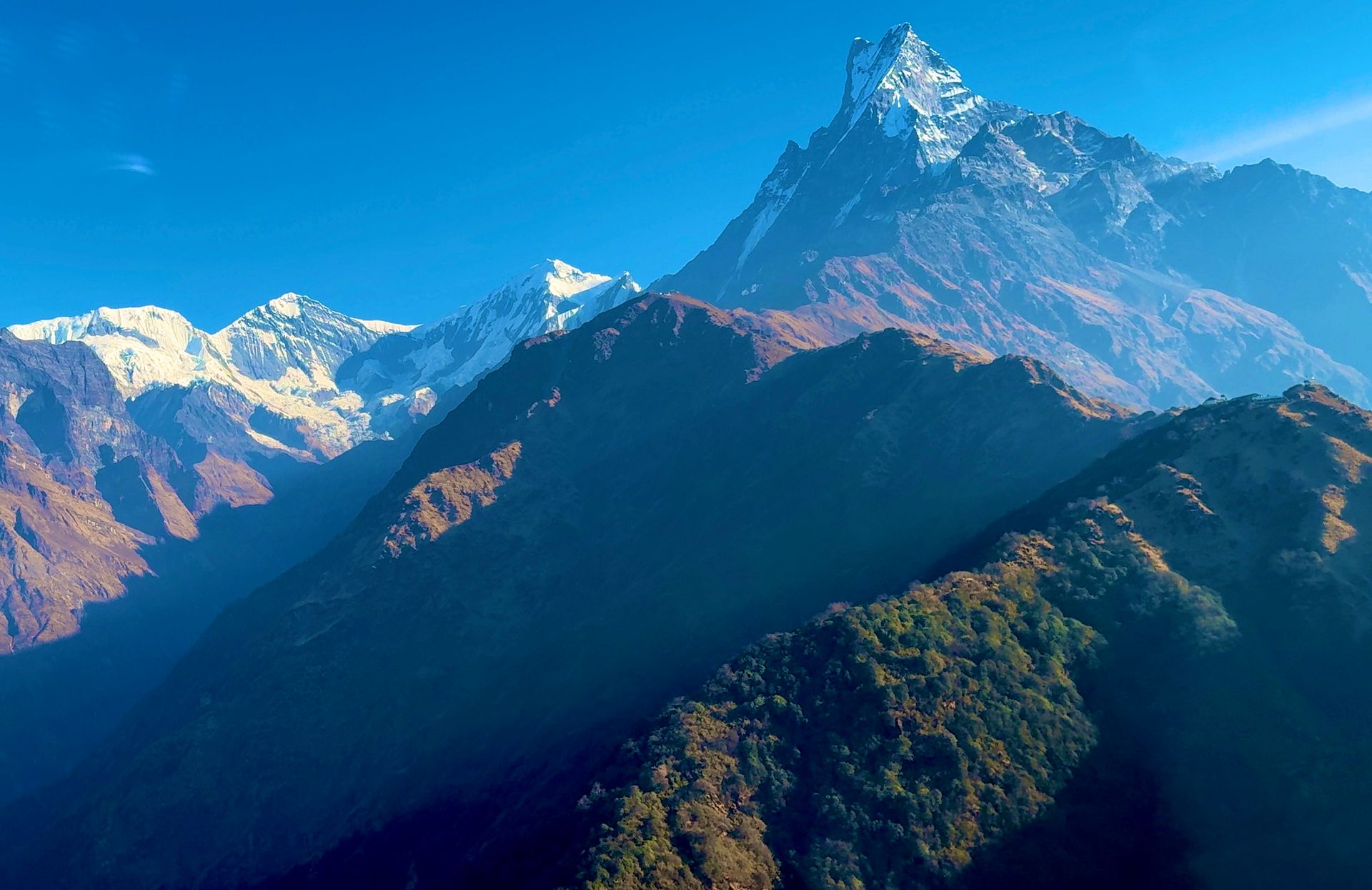
Beginners: this is one of the best first treks in Nepal. Children from about age 8 to 10 who enjoy walking have done it with a slow itinerary. Older trekkers manage well with trekking poles and a porter; the steps are the main thing to prepare for. If you want something shorter, our Mardi Himal trek is nearby.
How to make it easier
- Train for two to three months before you go, with long walks on hills and stairs while carrying a daypack.
- Walk slowly. A steady pace is the best protection against altitude sickness.
- Drink plenty of water and avoid alcohol while you are gaining height.
- Hire a porter, so you carry only a light daypack.
- Use trekking poles. They take a lot of strain off your knees on the steps.
- Do not rush the last two days up to base camp.
Frequently asked questions
Is the Annapurna Base Camp trek easy or difficult?
It is moderate. It is easier than Everest Base Camp because it is lower and shorter, but the stone steps make it a real workout.
How many steps are there on the Annapurna Base Camp trek?
Nobody has an official count, but there are several thousand. The longest staircases are around Chhomrong and Ulleri (if you start through Ghorepani).
Is the Annapurna Base Camp trek safe?
Yes, with a guide and in the right season. The main risks are altitude sickness and avalanches after heavy snowfall, both of which your guide watches for.
Is ABC harder than Mardi Himal?
ABC is longer and has more steps. Mardi Himal is shorter, but its ridge is steeper and more exposed to weather.
Plan your Annapurna Base Camp trek
Plan with local guides
Ready to walk the Himalaya trail?
Tell us your dates and pace. We’ll sort permits, guides and a route that fits — straight from the people who live here.
Keep reading
Other Blogs
Best Time for the Annapurna Base Camp Trek: Month by Month
Touch The HimalayaNovember 28, 20265 min read
When to trek to Annapurna Base Camp: a season-by-season and month-by-month guide, including the best time for snow and for rhododendrons.
Shey Phoksundo Lake Trek Guide: Best Time, Permits and Itinerary
Touch The HimalayaNovember 28, 20268 min read
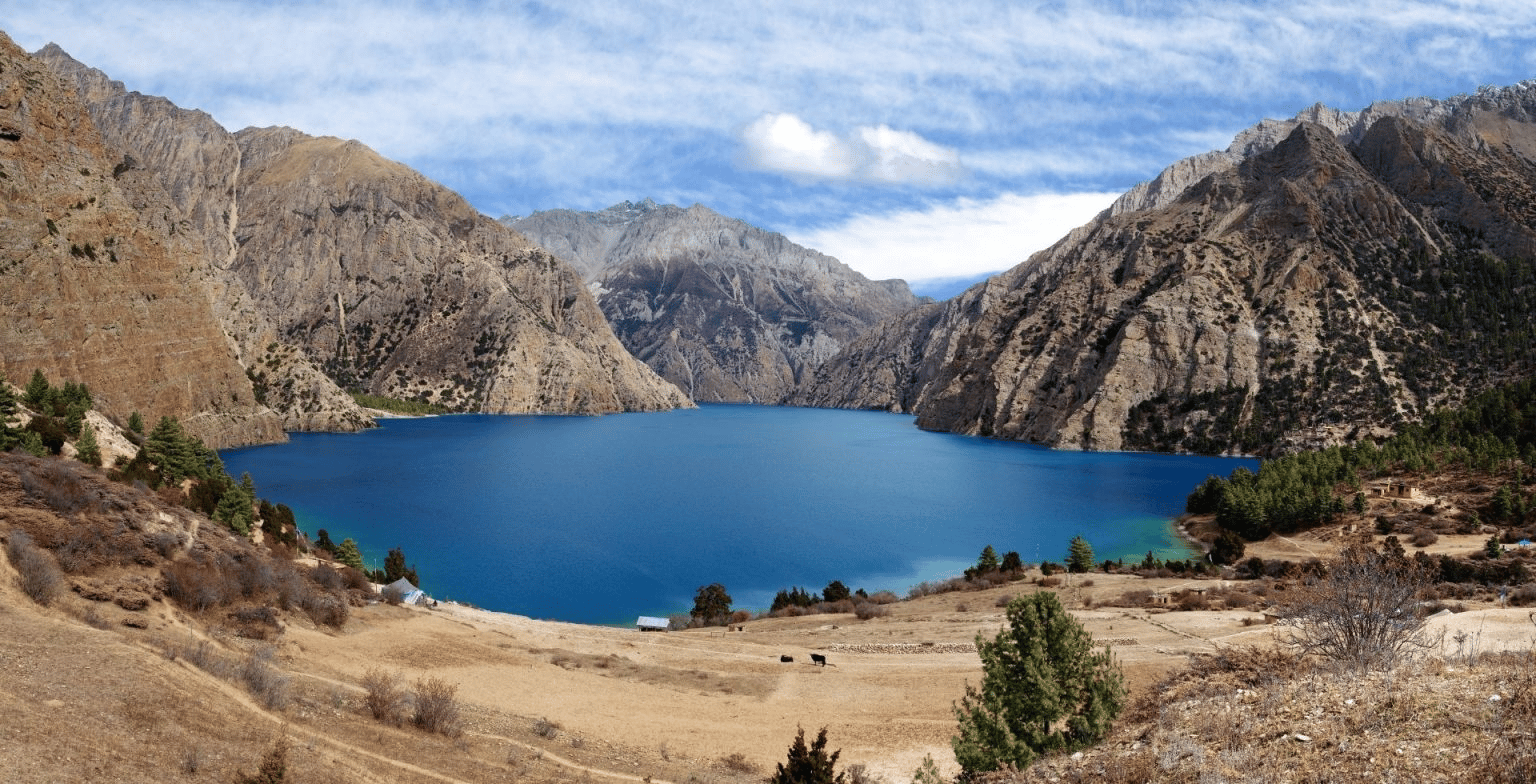
Plan the Shey Phoksundo Lake trek in Lower Dolpo: what the trek is like, when to go, the cost, the permits, the lodges and the day-by-day route.
Rara Lake Trek Guide: Best Time, Difficulty, Itinerary and How to Get There
Touch The HimalayaNovember 28, 20268 min read
Plan the Rara Lake trek in north-west Nepal: what the trek is like, when to go, the cost, the permit, the lodges and the day-by-day route.