

Trek Guide
How Hard Is the Everest Base Camp Trek? Difficulty Explained
An honest guide to how hard the Everest Base Camp trek is: altitude, daily walking hours, the hardest days and how to prepare.
On this page
The Everest Base Camp trek needs no climbing skills, but it is a long walk to high altitude. This guide explains how hard it really is, day by day, and what you can do to prepare.
The short answer
We grade the Everest Base Camp trek as challenging. The trail itself is a well-made path, and you do not need ropes or technical skills. What makes it hard is the altitude: you sleep above 5,000 m at Gorak Shep and climb to 5,545 m at Kala Patthar. A fit person who walks regularly, trains beforehand and keeps the acclimatisation days can do it.
Everest Base Camp difficulty at a glance
At a glance | Details |
|---|---|
Our grade | Challenging |
Length | 14 days from Kathmandu, with 11 days of walking |
Highest point | Kala Patthar, 5,545 m (18,192 ft) |
Typical day | 5–7 hours of walking |
Longest days | 7–8 hours, on the days to base camp and Kala Patthar |
Technical climbing | None |
What makes the trek hard
- Altitude. Above 3,000 m there is less oxygen with every step, and everyone slows down. Altitude sickness can affect anyone, however fit.
- Many days in a row. You walk for 11 days with only two acclimatisation days, and those include a hike as well.
- Cold. Nights at Lobuche and Gorak Shep are below freezing in every season.
- Simple lodges. Rooms are unheated, and sleep is often poor at altitude.
- Long descents. The walk back down covers up to 20 km in a day.
The hardest days
- Phakding to Namche Bazaar (6–7 hours): a long, steep climb at the end of the day brings you to 3,440 m.
- Lobuche to Gorak Shep and Everest Base Camp (7–8 hours, about 15 km): a long day on rocky moraine above 5,000 m.
- Kala Patthar and down to Pheriche (7–8 hours): a steep pre-dawn climb to 5,545 m, the highest point of the trek, then a long descent.
How fit do you need to be?
You should be able to walk 5–7 hours a day on hilly ground, several days in a row, carrying a daypack. You do not need to be an athlete. Regular hill walking, stair climbing, jogging, cycling or swimming for two to three months before the trek makes a big difference. If you have a heart or lung condition, check with your doctor first.
Beginners, children and older trekkers
Beginners can do this trek if they are fit and train beforehand, but it helps to have done some multi-day walking. Children who are used to long walks have completed it, usually from about age 10 with extra acclimatisation days. Trekkers over 50 or 60 do it every season; a slower itinerary and a porter help. If you would like something easier first, our Everest Panorama trek goes no higher than about 3,900 m.
How to make it easier
- Train for two to three months before you go, with long walks on hills and stairs while carrying a daypack.
- Walk slowly. A steady pace is the best protection against altitude sickness.
- Drink plenty of water and avoid alcohol while you are gaining height.
- Hire a porter, so you carry only a light daypack.
- Keep the acclimatisation days. They are what make the high days possible.
- Add an extra day if you can. A slower itinerary is the simplest way to make this trek easier.
Frequently asked questions
Is the Everest Base Camp trek harder than Kilimanjaro?
They are different. Kilimanjaro is higher (5,895 m) and climbed in fewer days, so the summit day is harder. Everest Base Camp is longer, with more days of walking, but gains height more slowly.
Can a beginner trek to Everest Base Camp?
Yes, if you are fit, train for a few months and follow an itinerary with acclimatisation days.
Is the Everest Base Camp trek dangerous?
The main risk is altitude sickness, which is managed by climbing slowly and going down if symptoms get worse. The trail itself is not technical.
Do you need oxygen for Everest Base Camp?
No. Trekkers do not use bottled oxygen. Your body adjusts to the altitude over the days of the trek.
Plan your Everest Base Camp trek
Plan with local guides
Ready to walk the Himalaya trail?
Tell us your dates and pace. We’ll sort permits, guides and a route that fits — straight from the people who live here.
Keep reading
Other Blogs
Best Time for the Everest Base Camp Trek: Month-by-Month Guide
Touch The HimalayaNovember 28, 20265 min read
When should you trek to Everest Base Camp? A season-by-season and month-by-month guide to weather, views, crowds and Lukla flights.
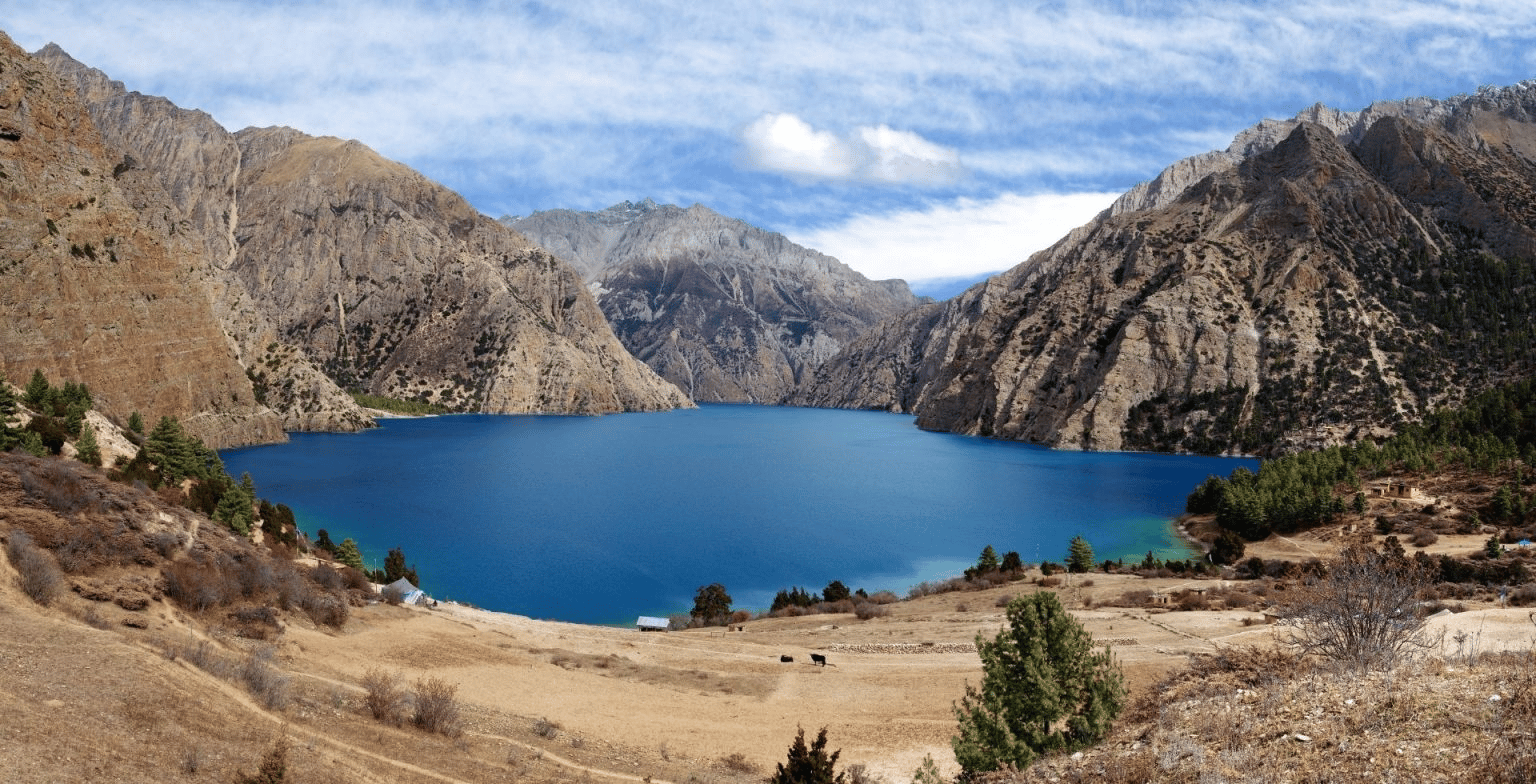
Shey Phoksundo Lake Trek Guide: Best Time, Permits and Itinerary
Touch The HimalayaNovember 28, 20268 min read
Plan the Shey Phoksundo Lake trek in Lower Dolpo: what the trek is like, when to go, the cost, the permits, the lodges and the day-by-day route.
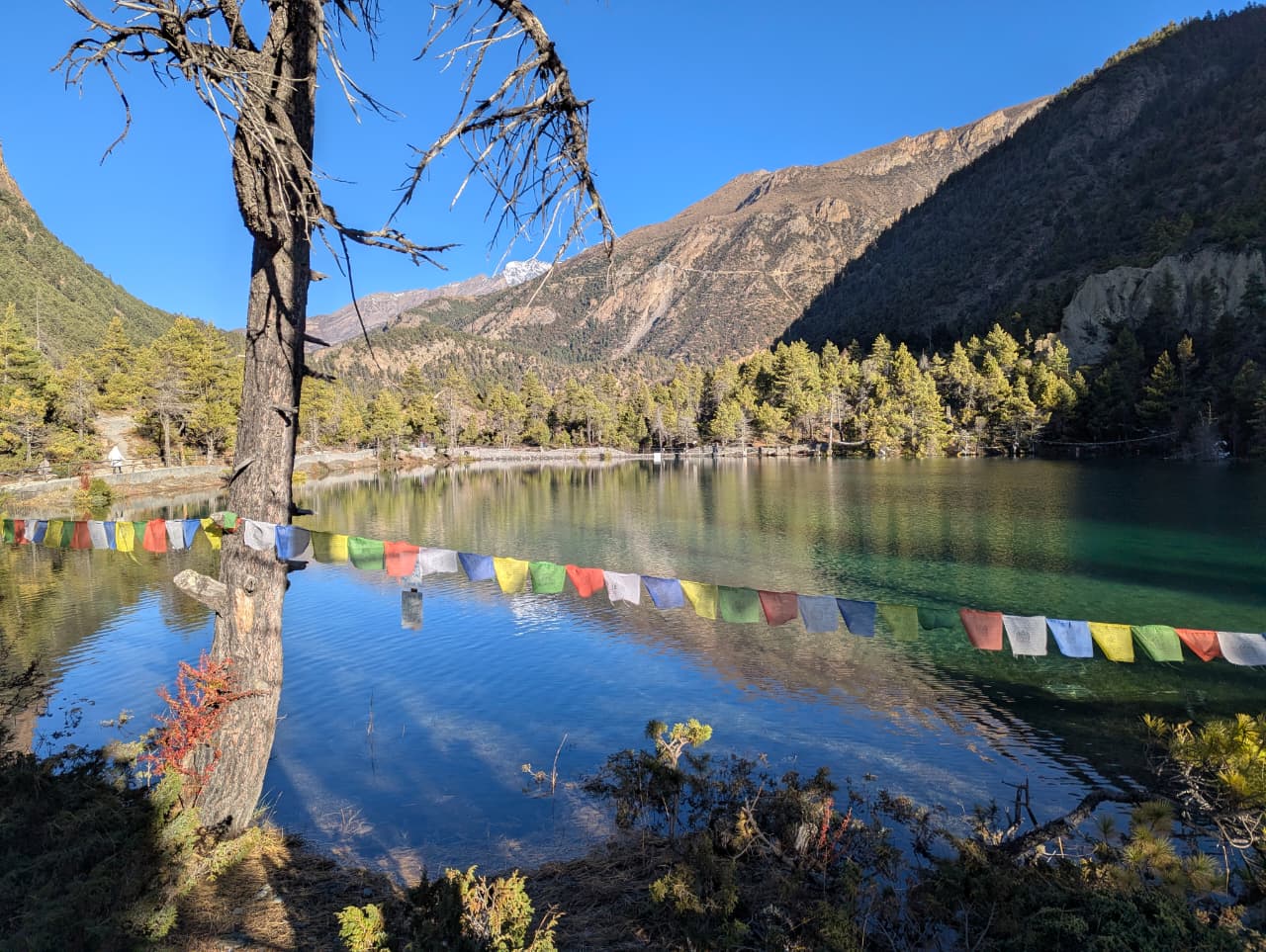
Rara Lake Trek Guide: Best Time, Difficulty, Itinerary and How to Get There
Touch The HimalayaNovember 28, 20268 min read
Plan the Rara Lake trek in north-west Nepal: what the trek is like, when to go, the cost, the permit, the lodges and the day-by-day route.