
Valley
Tsum Valley
चुम उपत्यका
Tsum Valley is a sacred Himalayan valley in northern Gorkha, regarded as a beyul, or hidden valley. It opened to trekkers in 2008 and preserves a strong Tibetan Buddhist culture. It is reached via Philim on the lower Manaslu route.

- Elevation: ~1,900–4,000 m
- Type: Valley
- Region: Manaslu Region
- District: Gorkha
- Sacred hidden valley (beyul)
- Restricted area since opening in 2008
- Treks: Tsum Valley Trek, Tsum Valley Trek and Manaslu Circuit
About Tsum Valley
Tsum Valley is a sacred Himalayan valley in northern Gorkha, regarded as a beyul, or hidden valley. It opened to trekkers in 2008 and preserves a strong Tibetan Buddhist culture.
It is reached via Philim on the lower Manaslu route.
Location and altitude
Tsum Valley spans roughly 1,900 to 4,000 metres in Gorkha district, in the Manaslu Region of Nepal. It lies within Manaslu Conservation Area. Nearby places include Chumling, Chhokangparo and Mu Gompa.
Treks that visit Tsum Valley
Tsum Valley is part of these Nepal Trek Services itineraries: Tsum Valley Trek, Tsum Valley Trek and Manaslu Circuit and Tsum Valley Manaslu Trek Heli Trek.
Best time to visit
Tsum Valley can be visited most of the year. Spring (March to May) and autumn (September to November) give the clearest mountain views; the June–August monsoon brings rain, leeches and cloud, and winter is cool but often clear.
Where is Tsum Valley?
The exact point on the Himalaya trail, with nearby places for context.
On this map
Nearby places
Village
Chumling
चुम्लिङ
2,386 m
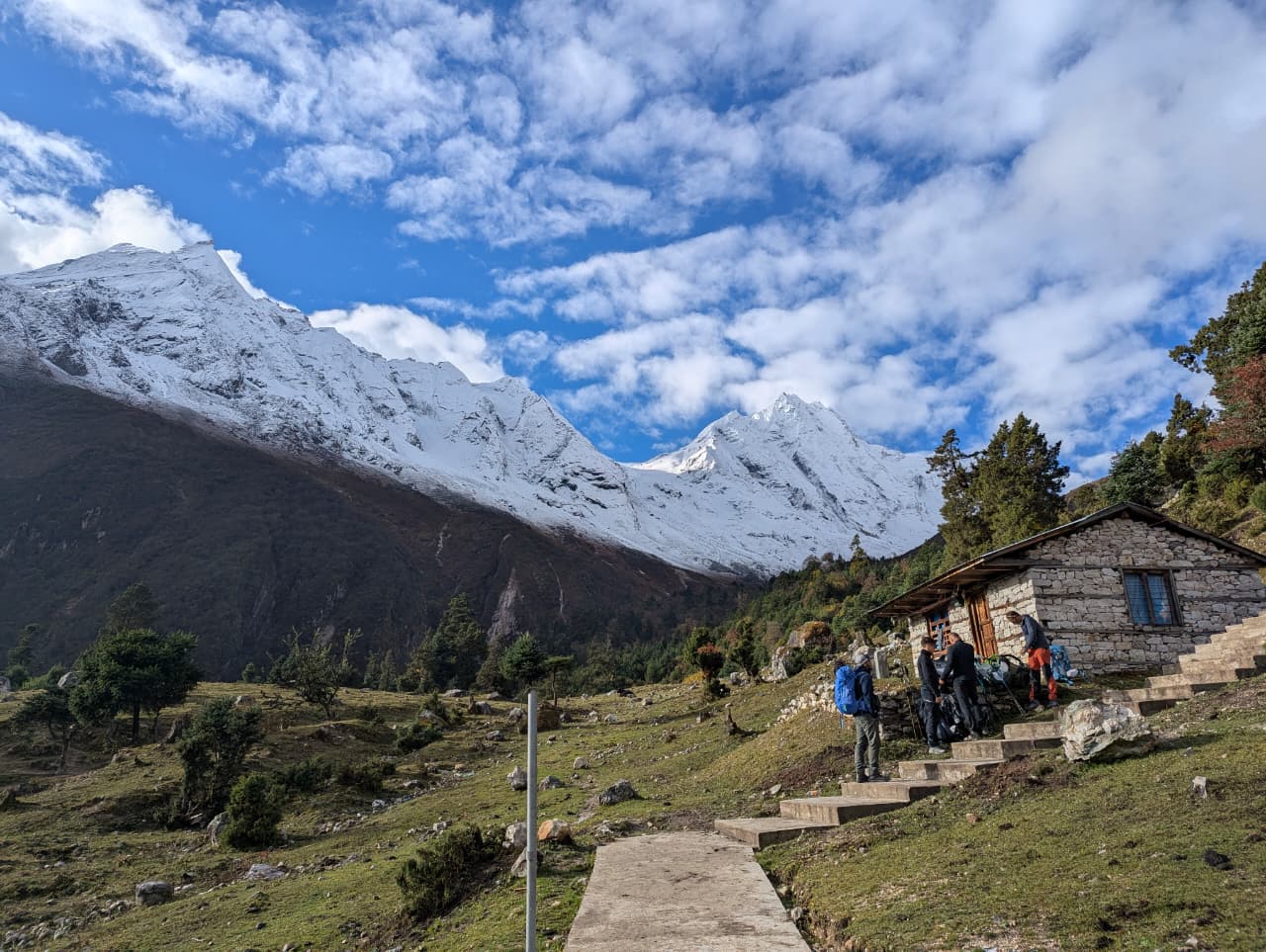
Chumling is the first village of Lower Tsum, with an old gompa and stone houses. It looks up at Shringi Himal. It is a common overnight on the Tsum Valley trek.
Read place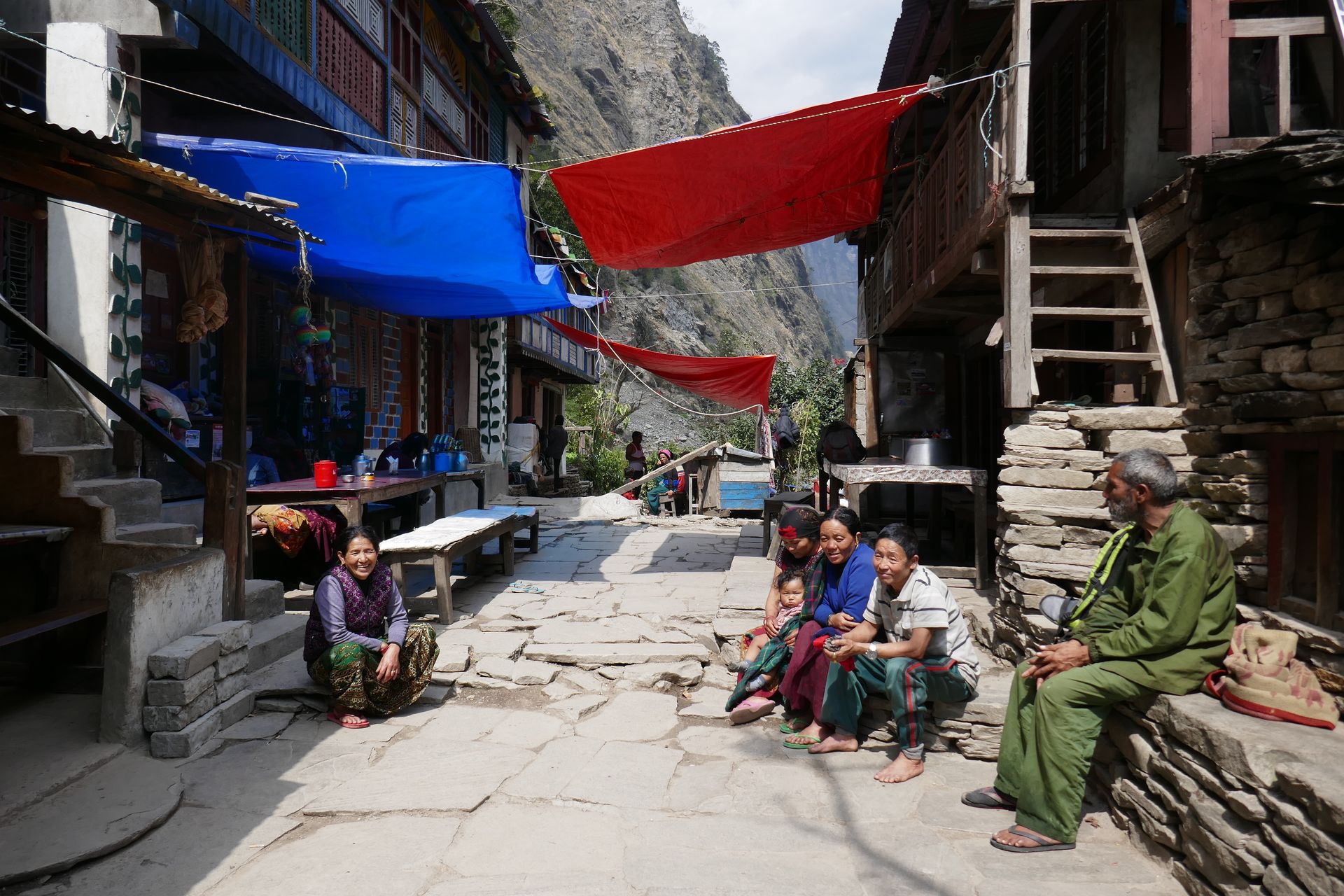
Village
Chhokangparo
छोकाङपारो
3,010 m
Chhokangparo is a pair of villages in Upper Tsum on a wide plateau with views of Ganesh Himal. It is a centre of Tsumba culture. The Milarepa cave is near here.
Read place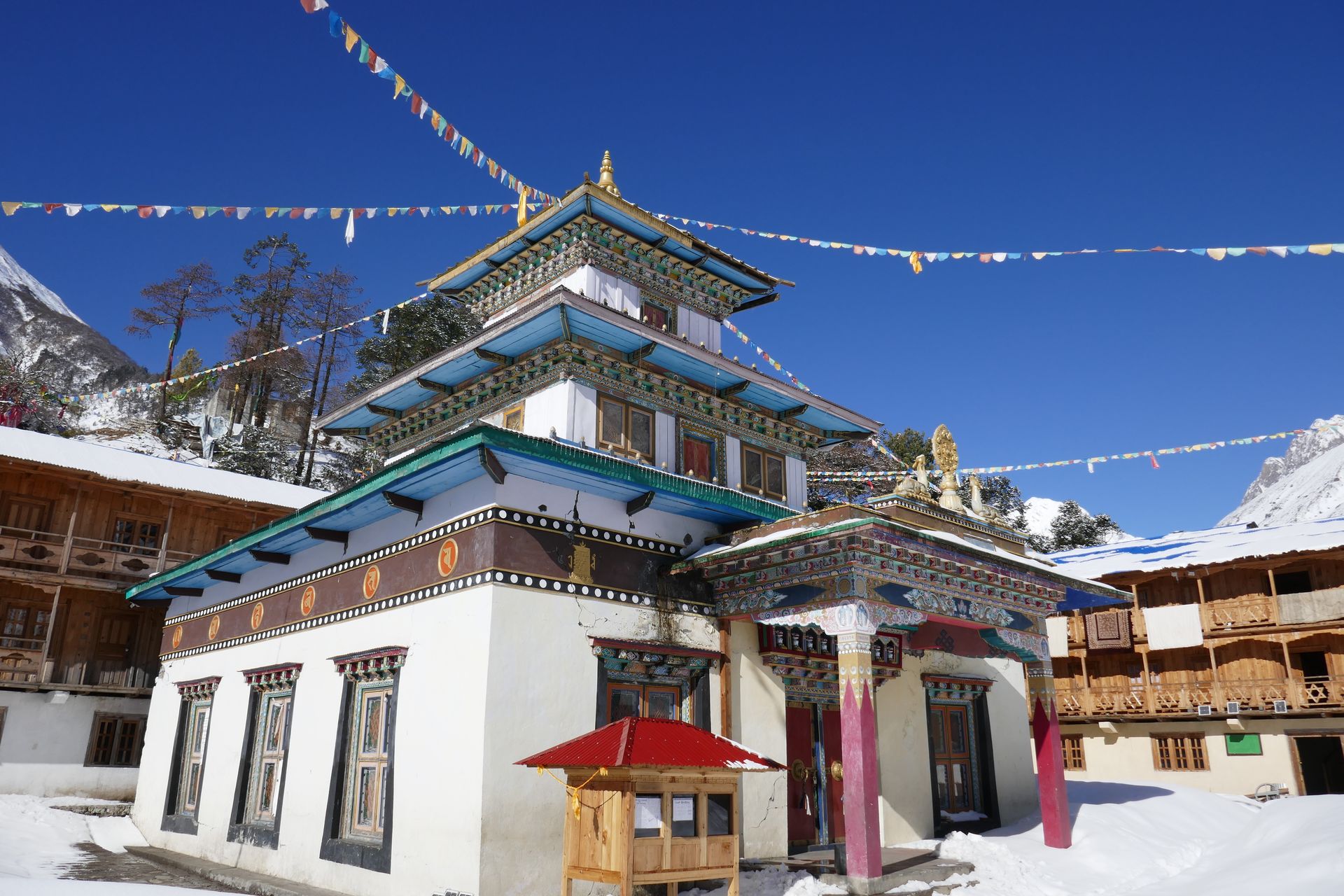
Religious site
Mu Gompa
मु गुम्बा
3,700 m
Mu Gompa is the largest monastery in the Tsum Valley, set high near the Tibetan border. It is the end point of most Tsum treks. Monks and nuns live here, and the setting is dramatically remote.
Read place