

Village
Pangboche
पाङबोचे
Pangboche is one of the oldest Sherpa villages in the Khumbu, with a gompa thought to date back over 300 years. It sits almost directly beneath Ama Dablam and is the jumping-off point for Ama Dablam Base Camp.
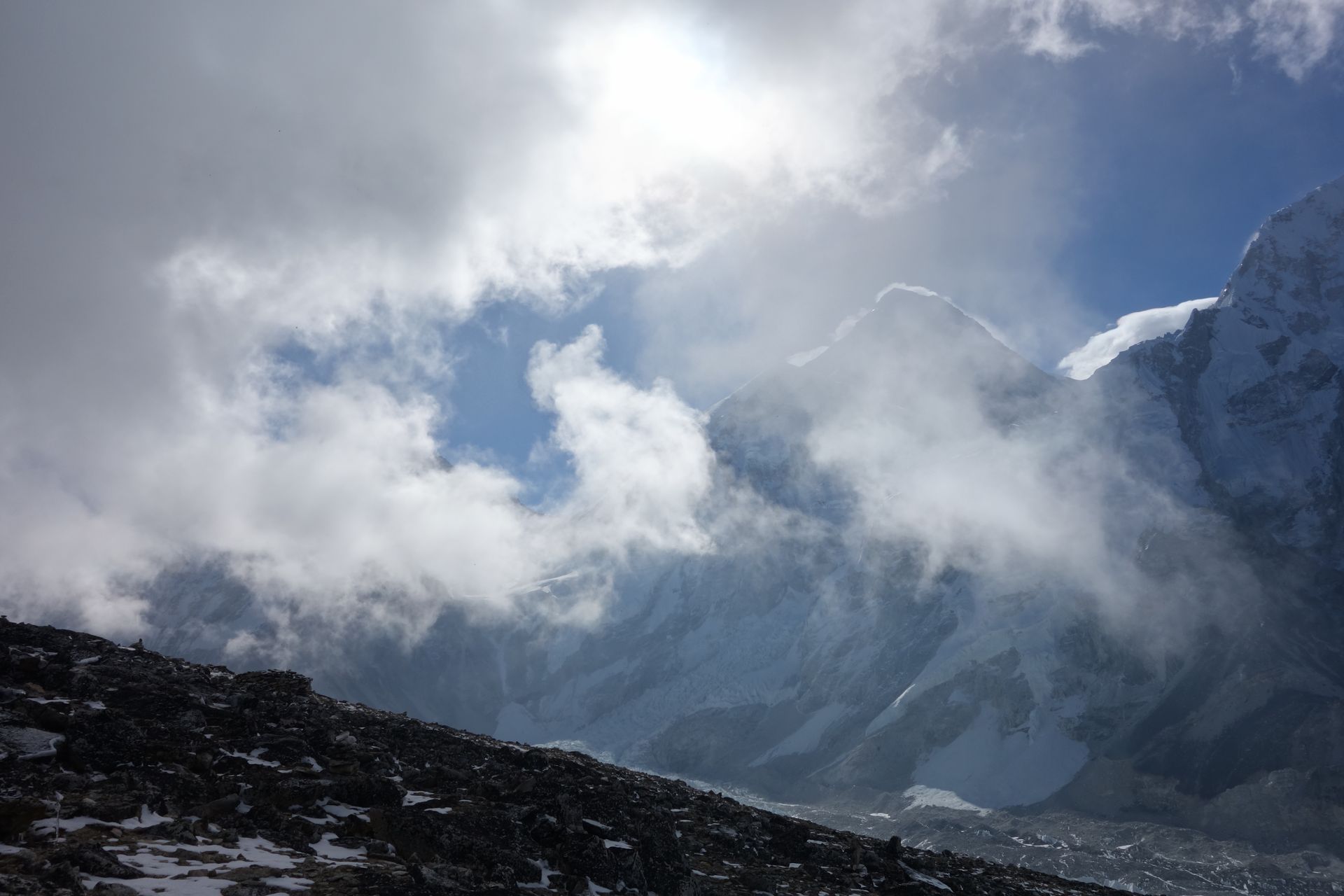
- Elevation: ~3,985 m / 13,074 ft
- Type: Village
- Region: Everest Region
- District: Solukhumbu
- Treks: Everest Base Camp Trek, Everest Three Passes Trek, EBC Gokyo Lakes Trek
About Pangboche
Pangboche is a traditional Sherpa village in the Khumbu region of Solukhumbu District, northeastern Nepal. Located along the famous Everest Base Camp trekking route, between Tengboche and Dingboche, the village is known for its ancient Buddhist heritage, traditional stone houses, Sherpa culture and spectacular views of Mount Ama Dablam. It is one of the most culturally significant settlements in the Everest region.
Situated at approximately 3,930–3,985 metres above sea level, Pangboche is divided into Upper Pangboche and Lower Pangboche. Upper Pangboche is particularly famous for its historic monastery, traditionally regarded as one of the oldest Buddhist monasteries in the Khumbu region. The village is also a popular resting place for trekkers and mountaineers travelling towards Everest Base Camp, Dingboche and Ama Dablam Base Camp.
Location and Altitude
Pangboche is located in Khumbu Pasanglhamu Rural Municipality, Solukhumbu District, Koshi Province, Nepal. It lies in the Imja Khola Valley, inside Sagarmatha National Park, northeast of Tengboche and southwest of Dingboche.
The village sits at approximately 3,930–3,985 metres (12,894–13,074 feet) above sea level, depending on whether the elevation refers to the lower or upper settlement.
Treks That Pass Through Pangboche
Everest Base Camp Trek: Pangboche is an important stop on the classic Everest Base Camp route. Trekkers pass through the village after Tengboche and continue towards Dingboche, Lobuche and Everest Base Camp.
Ama Dablam Base Camp Trek: Pangboche is a popular starting point for the hike to Ama Dablam Base Camp, offering close views of the mountain and its dramatic surrounding landscape.
Everest Three Passes Trek: The village is included in many itineraries exploring the challenging high mountain passes of the Khumbu region.
Phortse to Pangboche Trek: This scenic alternative route connects Phortse with Pangboche along trails overlooking the Imja Khola Valley and surrounding Himalayan mountains.
Best Time to Visit Pangboche
The best seasons to visit Pangboche are spring (March to May) and autumn (September to November). Spring brings pleasant trekking conditions, blooming rhododendrons and clear views of Ama Dablam. Autumn generally offers stable weather and excellent mountain visibility, making it popular for trekking and mountaineering.Winter (December to February) can be extremely cold, while the monsoon season (June to August) often brings rain, clouds and slippery trails.
Main Attractions in Pangboche
Pangboche Monastery: Located in Upper Pangboche, this historic Buddhist monastery is traditionally regarded as one of the oldest monasteries in the Khumbu region. It is an important spiritual centre for local Sherpa communities.
Upper and Lower Pangboche: The village is divided into two settlements. Upper Pangboche is known for its ancient monastery and traditional homes, while Lower Pangboche has teahouses, lodges and stone-walled agricultural fields.
Ama Dablam Mountain Views: Pangboche offers spectacular views of Ama Dablam, one of the most iconic and beautiful mountains in the Himalayas.
Ama Dablam Base Camp: Trekkers can take a rewarding side hike from Pangboche to Ama Dablam Base Camp, enjoying close views of the mountain's dramatic slopes and surrounding glaciers.
Traditional Sherpa Culture: Visitors can experience authentic Sherpa hospitality, Buddhist traditions, traditional stone houses and the local mountain lifestyle.
Sacred Juniper Trees: The area around Upper Pangboche Monastery features sacred juniper trees that hold cultural and religious significance for the local community.
Himalayan Landscapes: The village is surrounded by beautiful mountain scenery, alpine vegetation, river valleys and impressive views of the Khumbu Himalayas.
Imja Khola Valley: The nearby river valley provides scenic trekking trails and connects Pangboche with Tengboche, Dingboche and other settlements in the Everest region.
Pangboche Monastery and Its History
Pangboche Monastery, located in Upper Pangboche, is traditionally attributed to the Buddhist saint Lama Sangwa Dorje. It is widely regarded as one of the oldest monasteries in the Khumbu region and remains an important place of Buddhist worship and cultural heritage.
The monastery is also associated with local legends about the Yeti. Historical stories describe a relic believed to be a Yeti scalp and hand, which attracted curiosity from visitors and researchers. These accounts are part of local folklore rather than verified evidence of the creature's existence
Where is Pangboche?
The exact point on the Himalaya trail, with nearby places for context.
On this map
Nearby places
Village
Tengboche
तेङबोचे
3,867 m
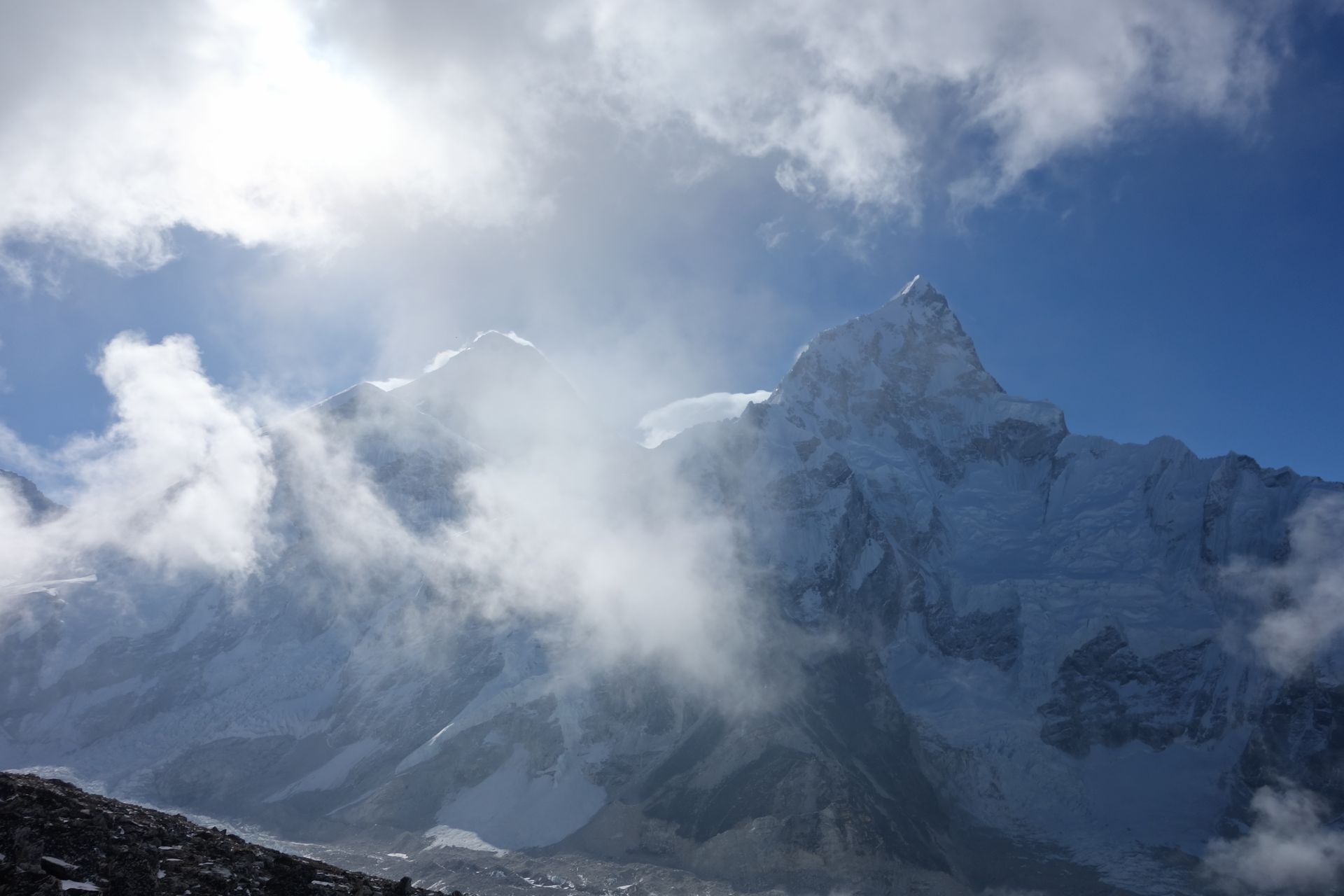
Tengboche is a ridge-top settlement best known for its monastery, with one of the most celebrated mountain views in Nepal: Ama Dablam, Everest, Lhotse and Nuptse rising beyond a forest of rhododendron.
Read place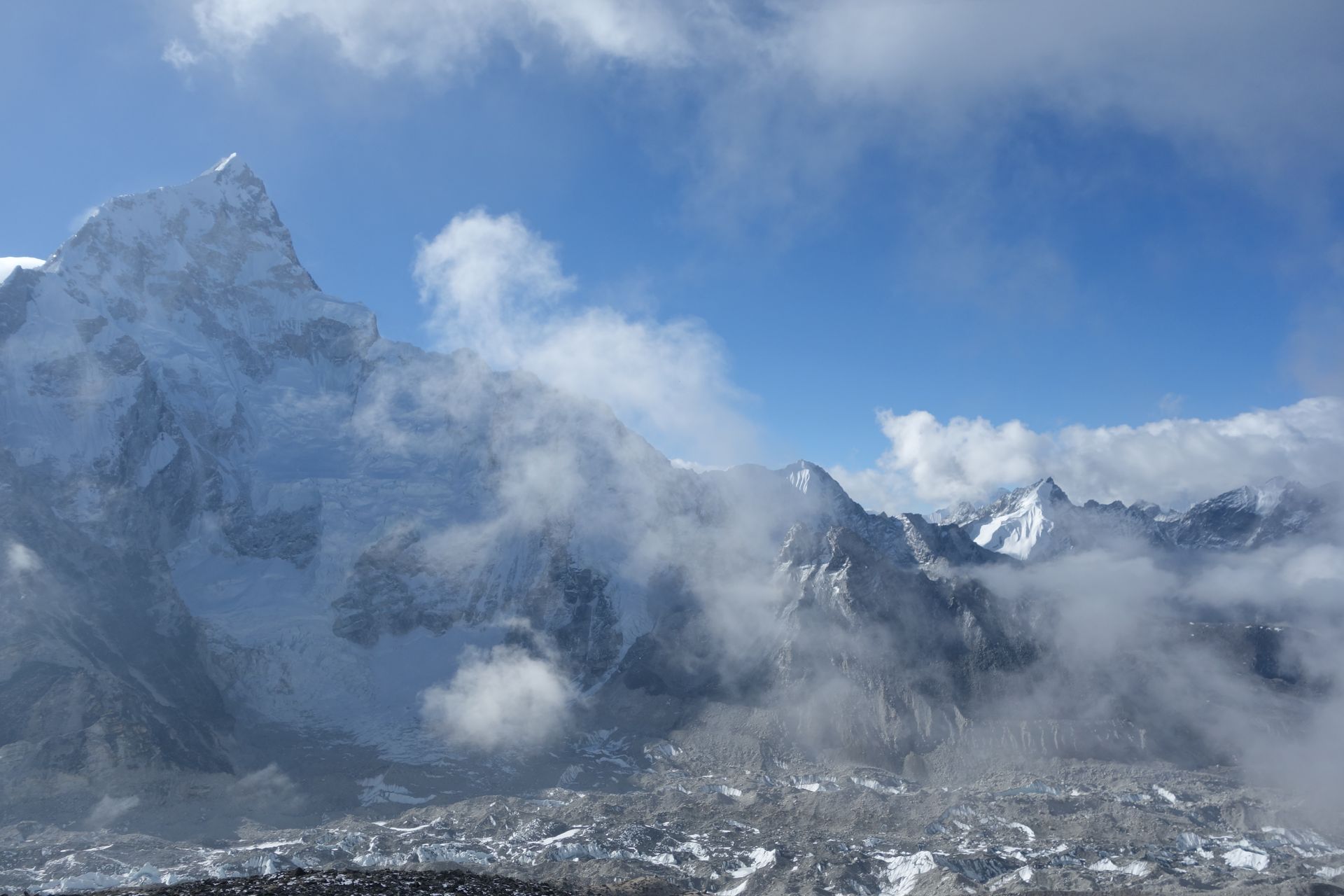
Village
Dingboche
डिङबोचे
4,410 m
Dingboche is a broad summer settlement in the Imja valley, its potato fields enclosed by stone walls. It is the second main acclimatisation stop on the Everest Base Camp trek.
Read place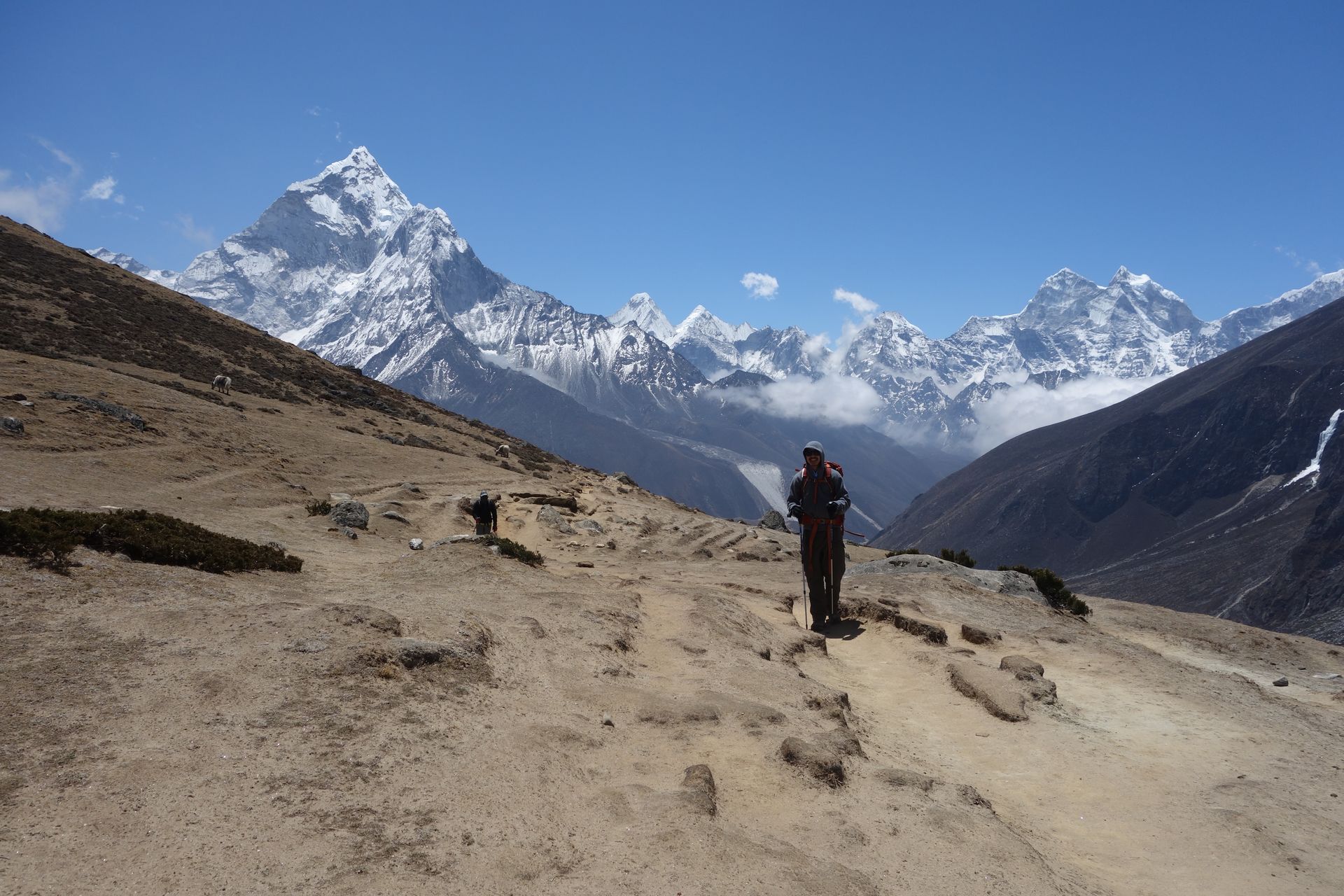
Base camp
Ama Dablam Base Camp
आमा डब्लम आधार शिविर
4,600 m
Ama Dablam Base Camp is a grassy meadow beneath the west face of Ama Dablam, reached in a few hours from Pangboche. Climbing expeditions camp here in spring and autumn.
Read place