
Trek Guide
Peak Climbing in Nepal: Island Peak, Mera Peak and Lobuche Compared
Island Peak, Mera Peak or Lobuche East? A guide to Nepal’s most popular trekking peaks: height, difficulty, best season, days and cost.
On this page
Nepal's "trekking peaks" are mountains of 5,500 to 6,500 m that fit, experienced trekkers can climb with a guide, without joining a full expedition. Island Peak, Mera Peak and Lobuche East are the three most popular. This guide compares them.
The short answer
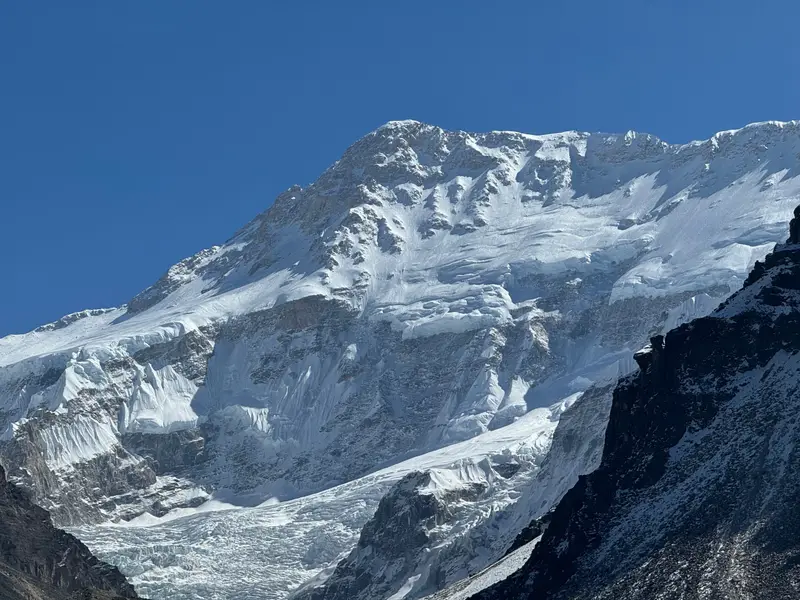
- Mera Peak (6,476 m) is the highest and the least technical. It is the best choice for a first 6,000 m summit.
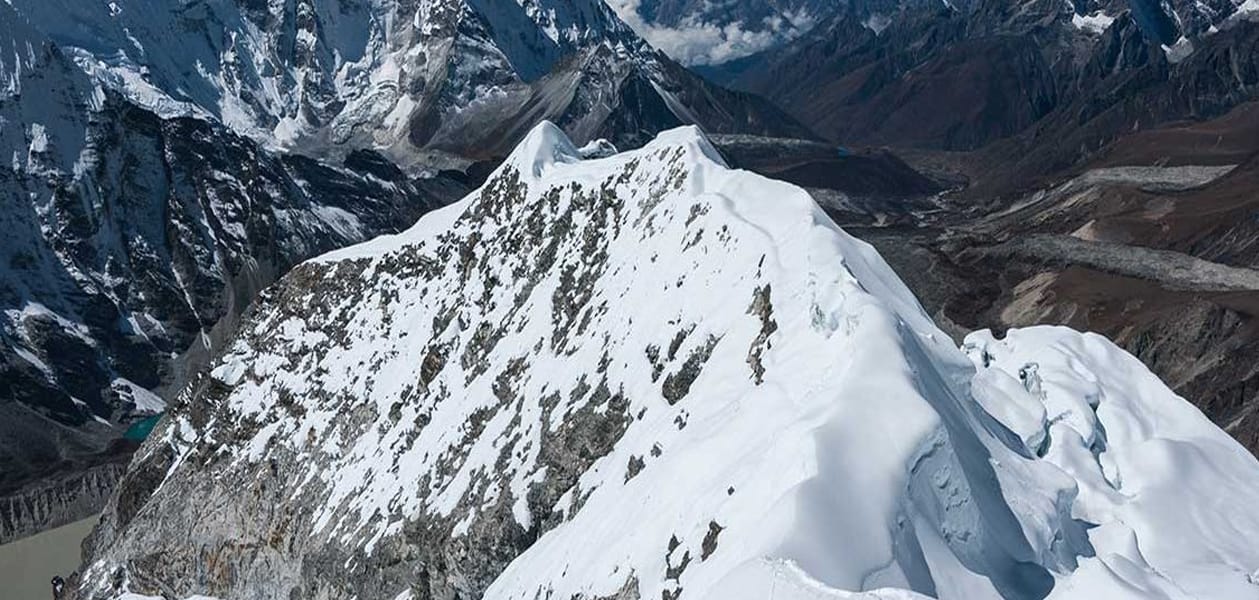
- Island Peak (6,189 m) is more technical, with a steep ice headwall near the top. It combines well with Everest Base Camp.
- Lobuche East (6,119 m) is the steepest of the three, and suits people with some climbing experience.
- Best time: April to May and October to November.
Island Peak, Mera Peak and Lobuche East side by side
Compare | Island Peak | Mera Peak | Lobuche East |
|---|---|---|---|
Height | 6,189 m | 6,476 m | 6,119 m |
Our trip | |||
Starts from | Chhukung and Island Peak Base Camp | Khare, then a high camp | Lobuche and a high camp |
Climbing | Glacier, crevasses and a steep headwall on fixed ropes | A long glacier walk, steeper just below the summit | Steep rock slabs, snow and an exposed ridge |
Views | Lhotse south face, Ama Dablam, Makalu | Everest, Lhotse, Cho Oyu, Makalu and Kanchenjunga | Everest, Lhotse, Nuptse, Ama Dablam and Pumori |
Price per person | US$2,030–2,366 | US$2,030–2,366 | US$2,030–2,366 |
Prices depend on your group size; each trip page shows the price for every group size and exactly what is included.
Best time for peak climbing in Nepal
Season | What to expect | Verdict |
|---|---|---|
Spring (April to May) | Warmer, with longer days. Snow conditions are usually good | Excellent |
Autumn (October to November) | The most stable weather and clearest views; colder nights | Excellent |
Winter (December to February) | Extremely cold and windy at 6,000 m | Experienced climbers only |
Monsoon (June to September) | Snowfall, cloud and poor visibility | Not recommended |
How hard are they?
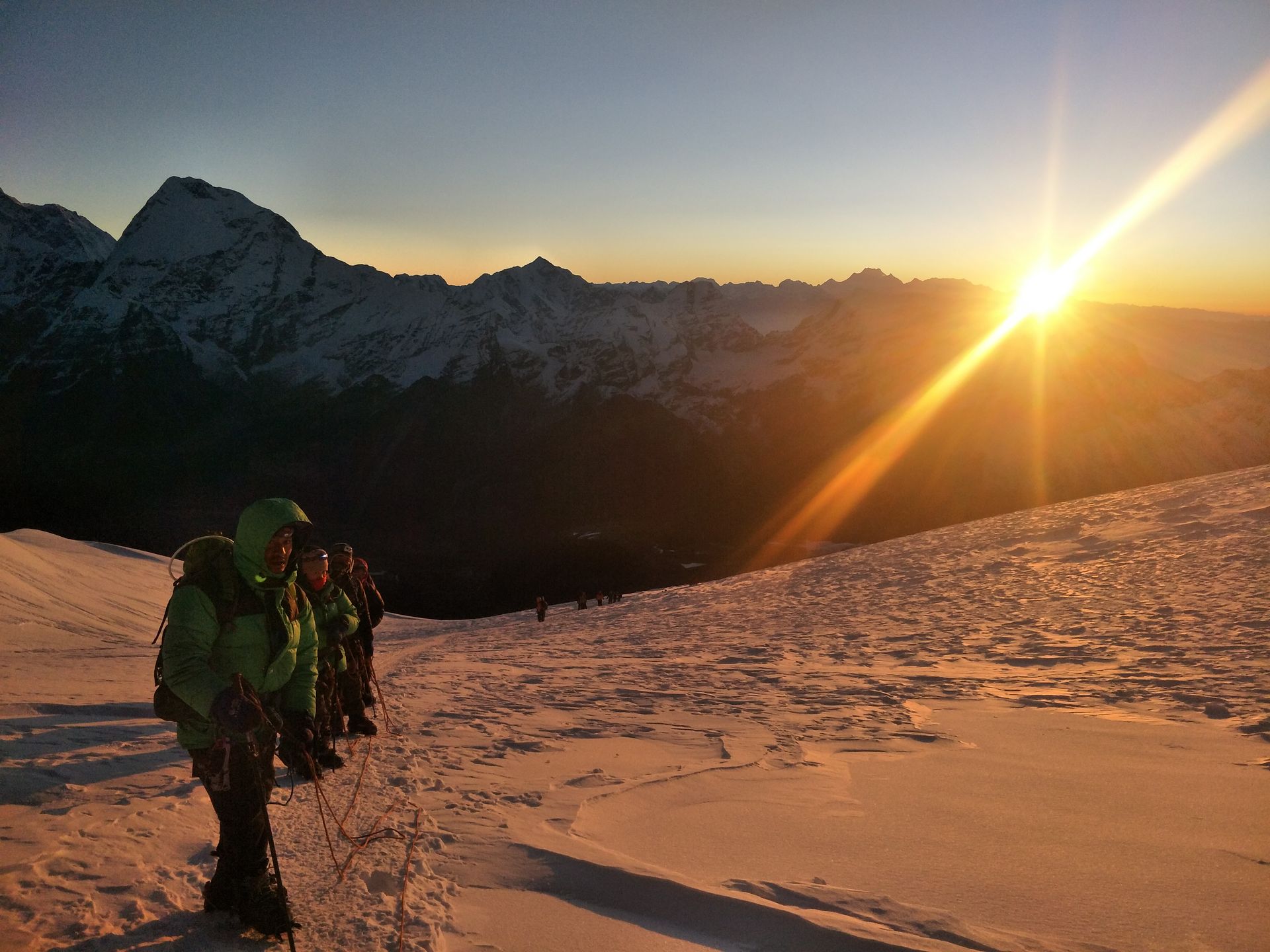
None of these peaks needs previous mountaineering, but all of them need excellent fitness and experience of trekking at altitude. Summit day starts between midnight and 2 am and lasts 10 to 14 hours.
- Mera Peak is mostly a walk on a glacier in crampons, roped to your guide. The difficulty is the altitude.
- Island Peak adds ladders or detours across crevasses and a headwall of about 100 m climbed with a jumar on fixed ropes.
- Lobuche East is steeper for longer, and you should be comfortable on exposed ground.
Before the climb, your guide teaches you to use crampons, an ice axe, a harness, a jumar and a descender. The summit is never guaranteed: weather, snow and how you are coping with the altitude decide on the day.
Climbing with Everest Base Camp
Island Peak and Lobuche East lie just off the Everest Base Camp trail. Our Lobuche trip includes the trek to base camp and Kala Patthar first, which helps you acclimatise before the climb. Island Peak is reached through Chhukung, and a visit to Everest Base Camp can be added to it; ask us when you book. Mera Peak is in a separate, quieter valley and is usually climbed on its own.
Other peaks to climb in Nepal
Peak | Height | Region | Our trip |
|---|---|---|---|
Yala Peak | 5,520 m | Langtang | |
Naya Kanga | 5,844 m | Langtang | |
Pisang Peak | 6,091 m | Annapurna | |
Thorong Peak | 6,145 m | Annapurna | |
Larke Peak | 6,249 m | Manaslu |
Yala Peak is the gentlest introduction and combines well with the Langtang Valley trek.
Permits and gear
Every trekking peak needs a climbing permit, and the fee changes with the season. The climbing permit is included in our trips; check the "Included" list on each trip page for the full details. See climbing permits in Nepal. You need mountaineering boots, crampons, a harness, an ice axe and a helmet, most of which can be rented in Kathmandu.
Frequently asked questions
Which is easier, Island Peak or Mera Peak?
Mera Peak is technically easier, although it is higher. Island Peak is shorter on summit day but steeper.
Can beginners climb Mera Peak?
Yes, if they are very fit and have trekked at high altitude before. No technical climbing experience is needed.
Is Island Peak dangerous?
It is a real mountain, with crevasses and a steep headwall. With a qualified guide, fixed ropes and good weather, the risks are well managed.
How high is Mera Peak?
6,476 m (21,247 ft), the highest trekking peak in Nepal.
Plan your climb
Plan with local guides
Ready to walk the Himalaya trail?
Tell us your dates and pace. We’ll sort permits, guides and a route that fits — straight from the people who live here.
From this story
Treks mentioned
Keep reading
Other Blogs
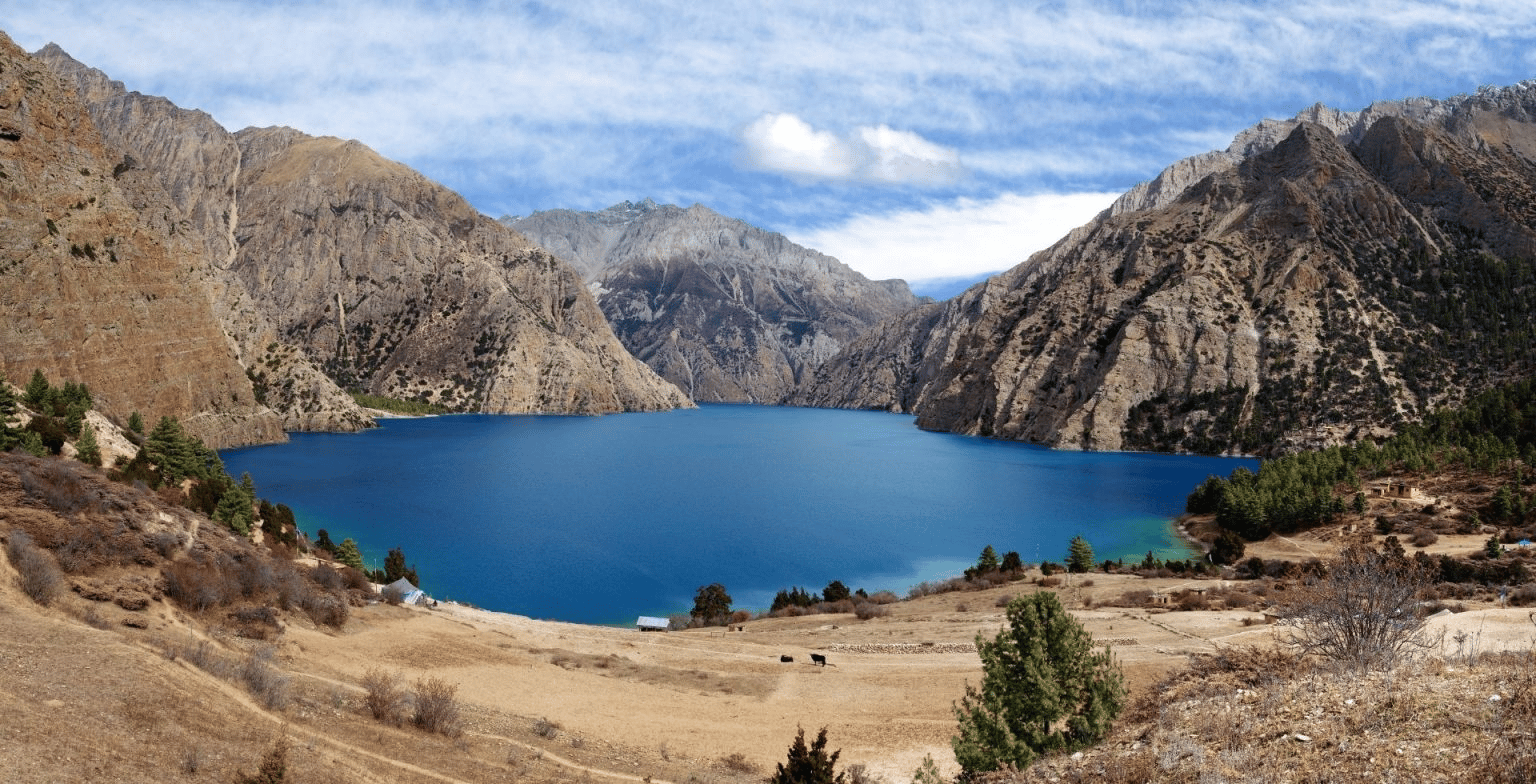
Shey Phoksundo Lake Trek Guide: Best Time, Permits and Itinerary
Touch The HimalayaNovember 28, 20268 min read
Plan the Shey Phoksundo Lake trek in Lower Dolpo: what the trek is like, when to go, the cost, the permits, the lodges and the day-by-day route.
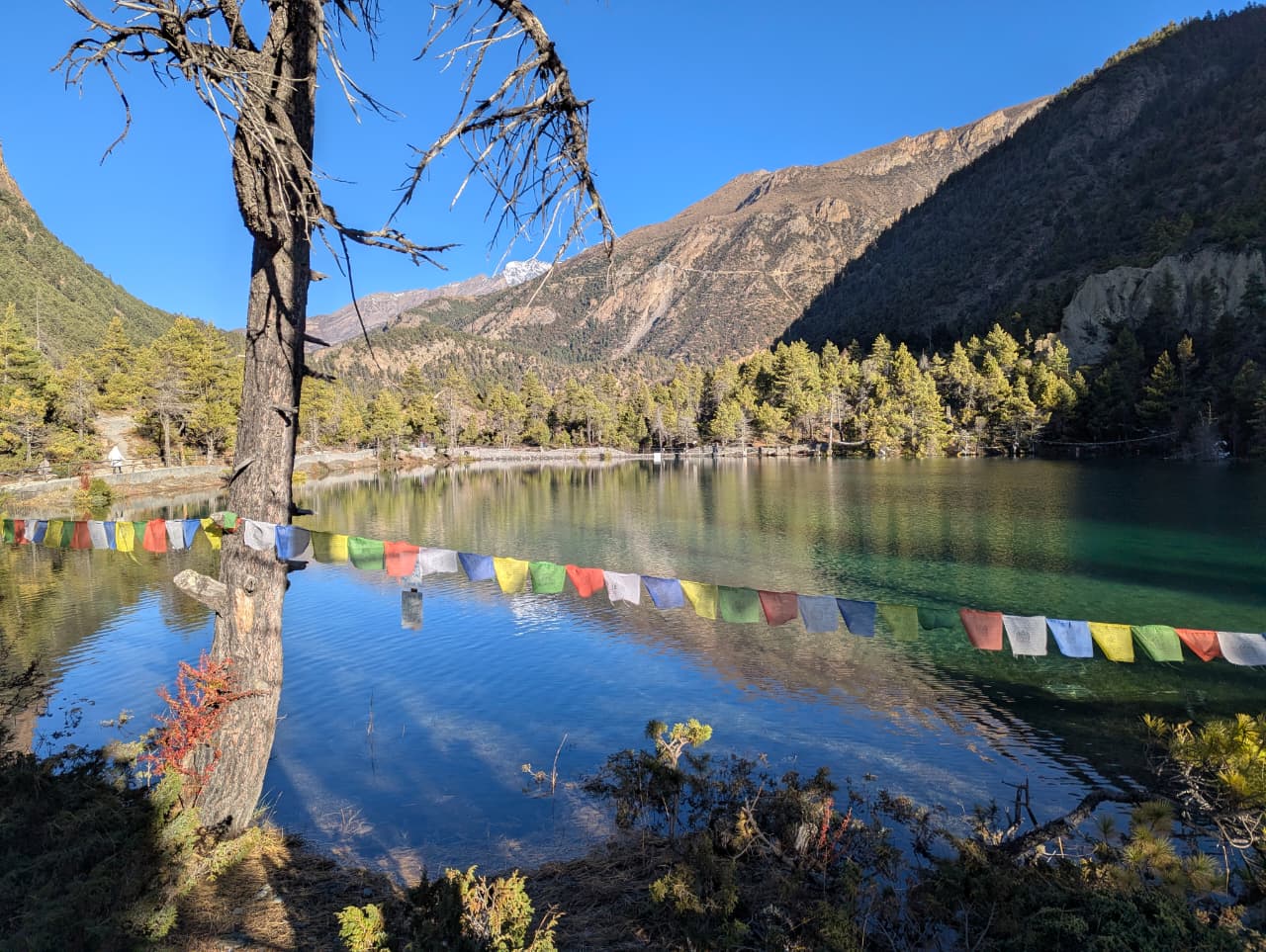
Rara Lake Trek Guide: Best Time, Difficulty, Itinerary and How to Get There
Touch The HimalayaNovember 28, 20268 min read
Plan the Rara Lake trek in north-west Nepal: what the trek is like, when to go, the cost, the permit, the lodges and the day-by-day route.
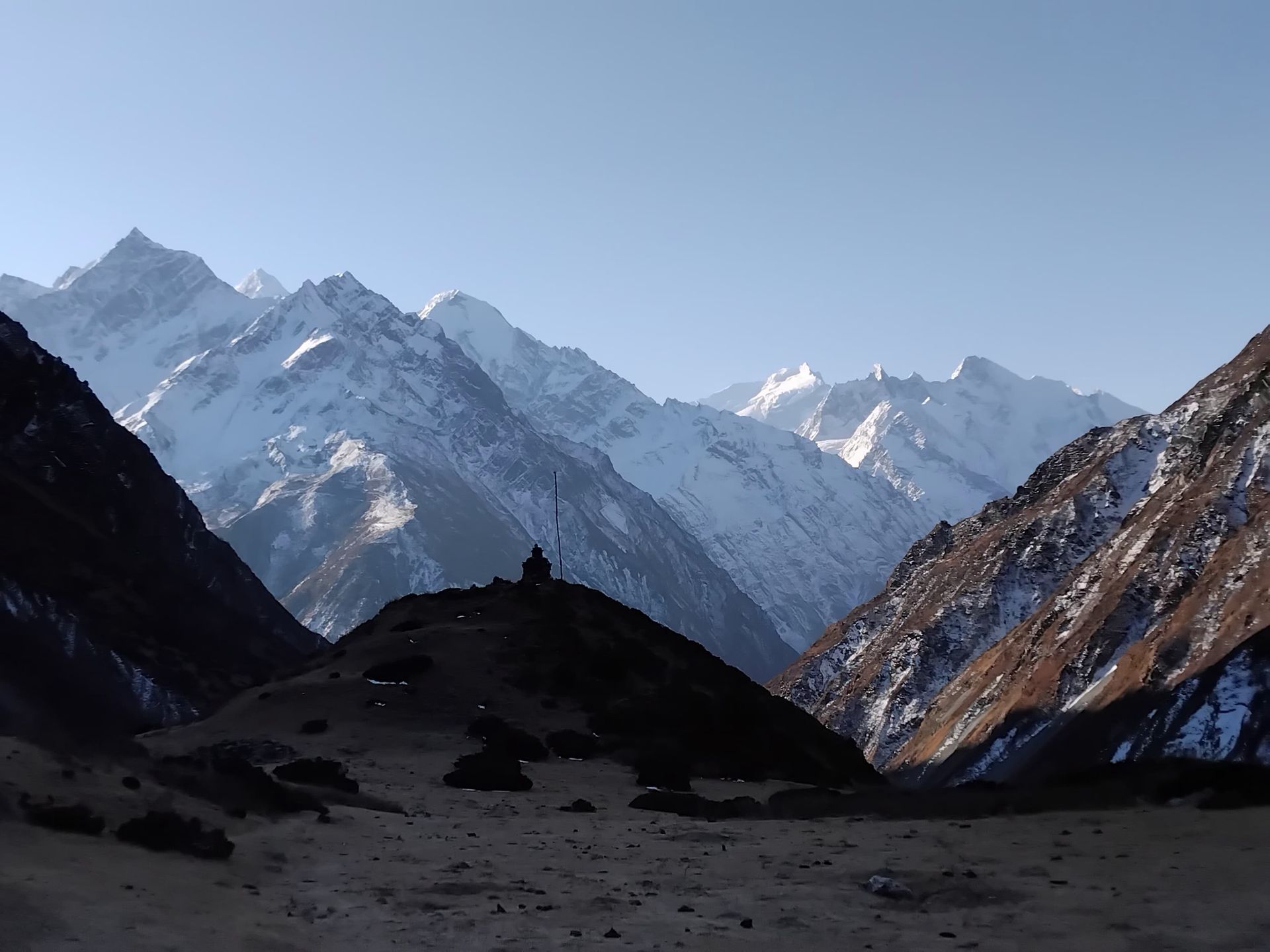
Tsum Valley Trek Guide: Best Time, Permit, Difficulty and Itinerary
Touch The HimalayaNovember 28, 20269 min read
Plan the Tsum Valley trek near Manaslu: what the trek is like, when to go, the cost, the restricted area permit, the lodges and the day-by-day route.