
trek guide
Workation in Nepal: How to Work Remotely in the Himalaya
Plan the perfect workation in Nepal: visas, the best bases in Kathmandu and Pokhara, internet and coworking, costs, and the treks, tours and weekend adventures to fit around your work.
On this page
Imagine closing your laptop and watching the sun set over Machhapuchhre, or spending your weekend walking to a Himalayan viewpoint. Nepal is affordable, welcoming and increasingly well connected, which makes it a great place for a workation – a few weeks or months of remote work mixed with adventure.
Is Nepal Good for Remote Work?
Factor | What to expect |
|---|---|
Internet | Fibre broadband widely available in Kathmandu and Pokhara; 4G in most towns |
Power | Reliable in cities; most hotels have backup |
Cost of living | Low – comfortable stays for much less than in Europe or the US |
Time zone | UTC+5:45 – good overlap with Europe mornings and Asia afternoons |
Coworking | Several coworking spaces and laptop-friendly cafés in Kathmandu and Pokhara |
Community | Growing digital-nomad community, especially in Pokhara's Lakeside |
Visa Requirements
Most nationalities can get a tourist visa on arrival at Tribhuvan International Airport or online in advance, valid for 15, 30 or 90 days. Tourist visas can be extended in Kathmandu or Pokhara, up to 150 days in a calendar year. A tourist visa does not allow you to work for a Nepali employer – remote work should be for clients or employers outside Nepal. Check the latest rules with the Department of Immigration before you travel.
Where to Base Yourself
Kathmandu
The capital offers the best infrastructure, fast internet, international food and endless culture. Stay in Thamel for convenience, Jhamsikhel or Patan for a quieter, residential feel, or Boudha for a peaceful Buddhist atmosphere.
Pokhara
Nepal's favourite lakeside town is the top choice for longer stays. Lakeside has many guesthouses with good Wi-Fi, and on clear mornings the Annapurna range fills the sky. Paragliding, kayaking and short hikes are on your doorstep.
Hill towns and homestays
For a week of slow living, try Bandipur, Nagarkot or a village homestay. Internet is slower, so check before you book if you have video calls.
Practical Tips for Working
- Buy a local SIM card (Ncell or Nepal Telecom) on arrival as a mobile data backup for calls.
- Ask your hotel for a speed test before committing to a long stay.
- Choose a room with a proper desk and a good chair.
- Schedule important calls for mornings, when connections are most stable.
- Bring a power bank and a universal adapter (Nepal uses types C, D and M).
Getting Around
Taxis and ride-hailing apps work in Kathmandu and Pokhara. Tourist buses and short domestic flights connect Kathmandu with Pokhara and Chitwan. We can arrange private vehicles if you prefer comfort.
Top Things to Do Between Work
1. Explore Kathmandu's heritage – Pashupatinath, Boudhanath, Swayambhunath and the three Durbar Squares.
2. Ride the Chandragiri cable car for Himalayan views from above the valley.
3. Sunrise at Nagarkot – an easy overnight escape from the city.
4. Fly with a paraglider over Phewa Lake in Pokhara.
5. Trek to Poon Hill – a 4–5 day trek that fits a long weekend plus a few days off.
6. Go on a jungle safari in Chitwan National Park.
7. Take a mountain flight past Everest on a free morning.
8. Raft the Trisuli River for a day of white water.
9. Join a yoga or meditation retreat in Kathmandu or Pokhara.
10. Stay in a village homestay in Chitlang or Bandipur.
Best Time for a Workation
Autumn (October–November) and spring (March–May) bring clear skies and the best trekking. Winter (December–February) is cool, sunny and quieter – great for working. The monsoon (June–September) is green and cheap, though rain can disrupt travel.
Plan Your Workation with Us
We can arrange airport pickup, accommodation with reliable Wi-Fi, and weekend trips, treks and tours that fit around your work schedule. Tell us how long you want to stay and we will build a plan.
Plan with local guides
Ready to walk the Himalaya trail?
Tell us your dates and pace. We’ll sort permits, guides and a route that fits — straight from the people who live here.
Keep reading
Other Blogs
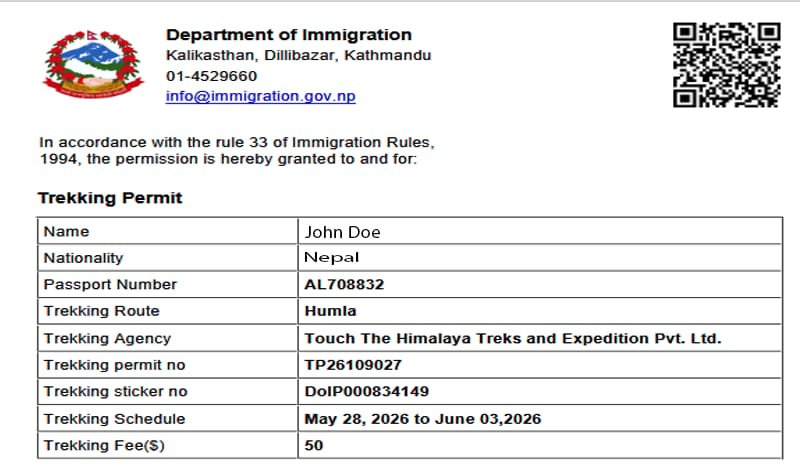
Solo Trekkers Can Now Get a Restricted Area Permit in Nepal (2026 Update)
Touch The HimalayaAugust 9, 20267 min read
Since 22 March 2026, solo trekkers can obtain Nepal's restricted area permits in their own name – but a licensed guide and a registered agency are still mandatory. Here is what changed and how to apply.
Kailash Door Darshan: See Holy Kailash from Nepal Without a Tibet Visa
Touch The HimalayaJune 16, 20267 min read
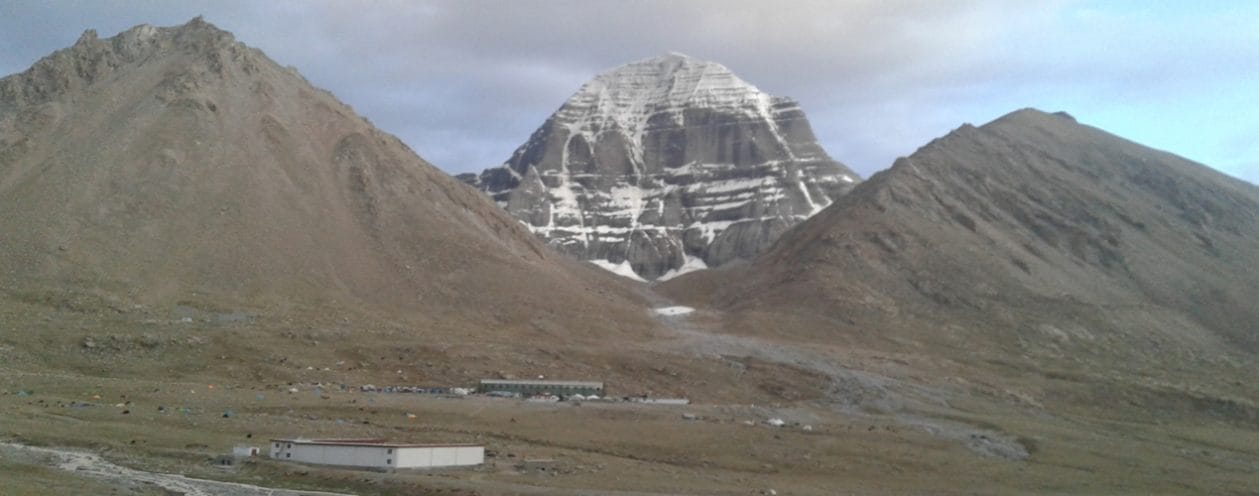
Kailash Door Darshan lets you see Mount Kailash and Lake Mansarovar from Lapcha La in Nepal's Humla – no Chinese visa or Tibet permit. Route, itinerary, costs compared with the Tibet yatra, and tips.
Pikey Peak Trek: Everest Views Without the Crowds
Touch The HimalayaSeptember 27, 20257 min read
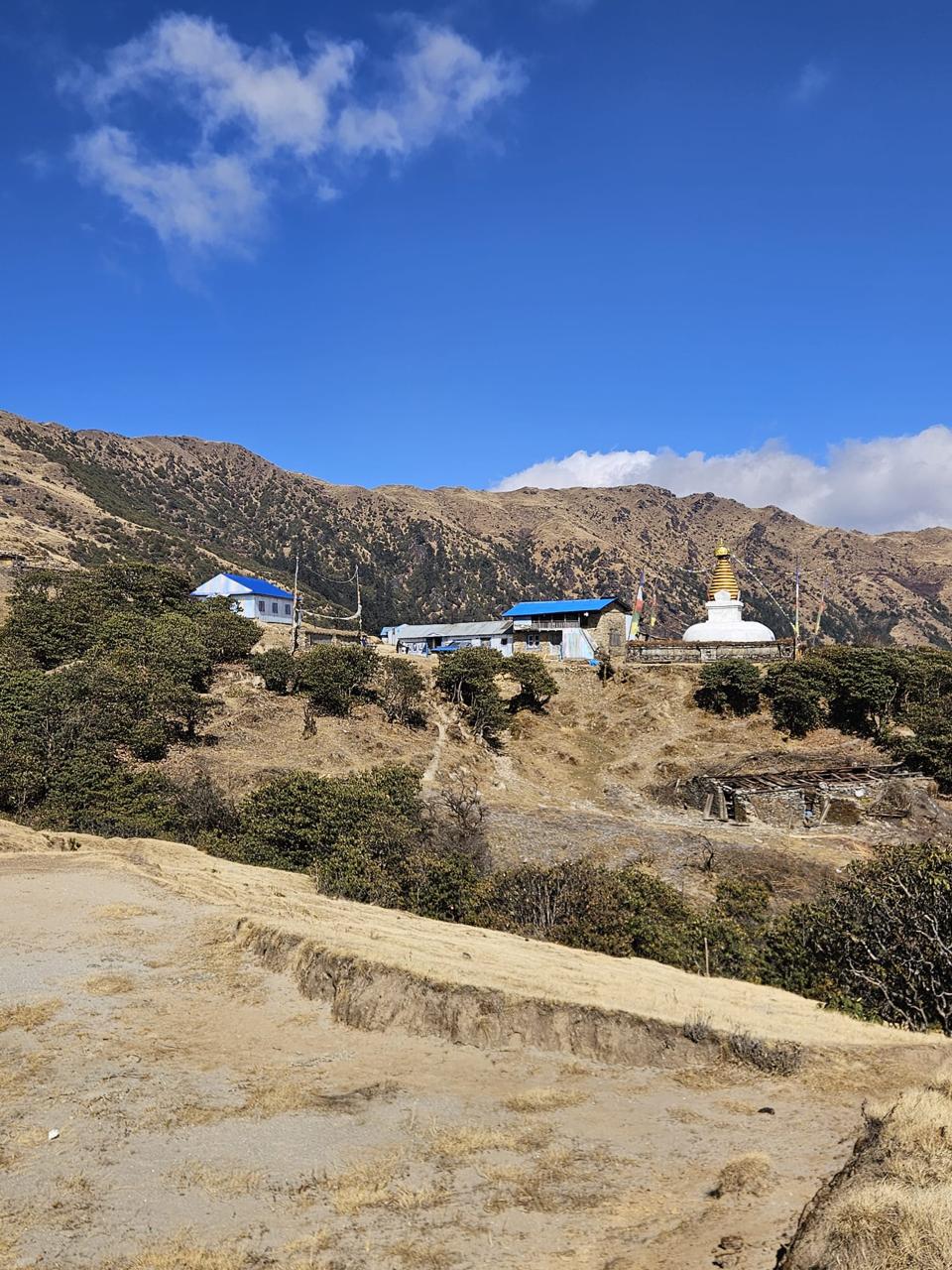
Pikey Peak (4,065 m) in lower Solukhumbu offers one of the best Himalayan panoramas in Nepal, including Everest. Itinerary, how to get there, best season, permits, teahouses and tips.