

Religious site
Tengboche Monastery
तेङबोचे गुम्बा (Dawa Choling Gompa)
Tengboche Monastery, also called Dawa Choling Gompa, is the largest Buddhist monastery in the Khumbu. First built in 1916, it was destroyed by an earthquake in 1934 and by fire in 1989, and rebuilt both times with community support.
- Elevation: ~3,867 m / 12,687 ft
- Type: Religious site
- Region: Everest Region
- District: Solukhumbu
- Largest gompa in the Khumbu
- Hosts the Mani Rimdu festival (Oct/Nov)
- Treks: Everest Base Camp Trek, Everest Three Passes Trek, EBC Gokyo Lakes Trek
About Tengboche Monastery
Tengboche Monastery, also known as Thyangboche Monastery or Dawa Choling Gompa, is one of the most famous and important Buddhist monasteries in Nepal's Everest region. It is located in Tengboche village in the Khumbu region of Solukhumbu District, within Sagarmatha National Park. The monastery is a major spiritual centre for the Sherpa community and is renowned for its peaceful atmosphere, traditional Buddhist architecture and spectacular Himalayan surroundings.
Situated at approximately 3,867 metres above sea level, the monastery stands on a scenic ridge overlooking some of the world's most impressive mountains, including Ama Dablam, Mount Everest, Lhotse and Nuptse. It is also an important stop on the Everest Base Camp trekking route, attracting trekkers, mountaineers, Buddhist pilgrims and visitors from around the world.
Location and Altitude
Tengboche Monastery is located in Khumbu Pasanglhamu Rural Municipality, Solukhumbu District, Koshi Province, Nepal. It lies between Namche Bazaar and Pangboche along the main Everest Base Camp trekking trail.
The monastery is situated at approximately 3,867 metres (12,687 feet) above sea level, inside Sagarmatha National Park.
Treks That Pass Through Tengboche Monastery
Everest Base Camp Trek: The monastery is one of the major cultural and scenic highlights along the classic Everest Base Camp route. Trekkers usually visit it while travelling from Namche Bazaar towards Pangboche and Dingboche.
Gokyo Lakes Trek: Some itineraries include Tengboche before connecting to alternative trails towards the Gokyo Valley and its beautiful glacial lakes.
Everest Three Passes Trek: This challenging trekking circuit includes Tengboche as an important cultural stop while exploring the high mountain passes of the Khumbu region.
Everest View Trek: This shorter trekking experience offers visitors the opportunity to explore Tengboche Monastery, Namche Bazaar and nearby Sherpa settlements while enjoying spectacular mountain scenery.
Best Time to Visit Tengboche Monastery
The best seasons to visit Tengboche Monastery are spring (March to May) and autumn (September to November). Spring brings pleasant trekking conditions, blooming rhododendrons and clear Himalayan views. Autumn offers generally stable weather and is especially popular because the Mani Rimdu festival is often celebrated during this season.
Winter (December to February) can be very cold, while the monsoon season (June to August) often brings rain, clouds and slippery trekking trails.
Main Attractions of Tengboche Monastery
Main Prayer Hall: The monastery's main prayer hall is decorated with colourful Buddhist paintings, religious images and traditional artwork. It is an important place for daily prayers, meditation and religious ceremonies.
Buddhist Statues and Murals: Visitors can admire sacred Buddhist statues, detailed wall paintings and traditional decorations that reflect Tibetan Buddhist beliefs and artistic heritage.
Mani Rimdu Festival: One of the monastery's most famous events, Mani Rimdu is a colourful Buddhist festival featuring prayers, religious ceremonies, ritual dances and traditional masked performances by monks. It is generally held in October or November, depending on the Tibetan lunar calendar.
Panoramic Himalayan Views: The monastery's hilltop location offers breathtaking views of Ama Dablam, Mount Everest, Lhotse, Nuptse and other Himalayan peaks.
Sherpa Buddhist Culture: Tengboche Monastery is an important spiritual centre for the Sherpa community, preserving Buddhist traditions, religious teachings and cultural practices.
Rhododendron and Pine Forests: The monastery is surrounded by beautiful pine forests, azaleas and colourful rhododendrons, making the area especially attractive during spring.
Peaceful Mountain Environment: Its quiet setting, prayer flags, mountain scenery and traditional monastery architecture create a peaceful atmosphere for visitors and pilgrims.
History of Tengboche Monastery
Tengboche Monastery was founded in 1916 by Lama Gulu and became an important centre of Tibetan Buddhist practice in the Khumbu region. Its main temple was damaged by the major earthquake of 1934 and subsequently rebuilt with the support and contributions of local Sherpa communities.
In 1989, a devastating fire destroyed the monastery. It was rebuilt with local and international support, preserving its importance as a spiritual and cultural centre. Today, it remains one of the most recognised Buddhist monasteries in Nepal.
Where is Tengboche Monastery?
The exact point on the Himalaya trail, with nearby places for context.
On this map
Nearby places
Village
Tengboche
तेङबोचे
3,867 m
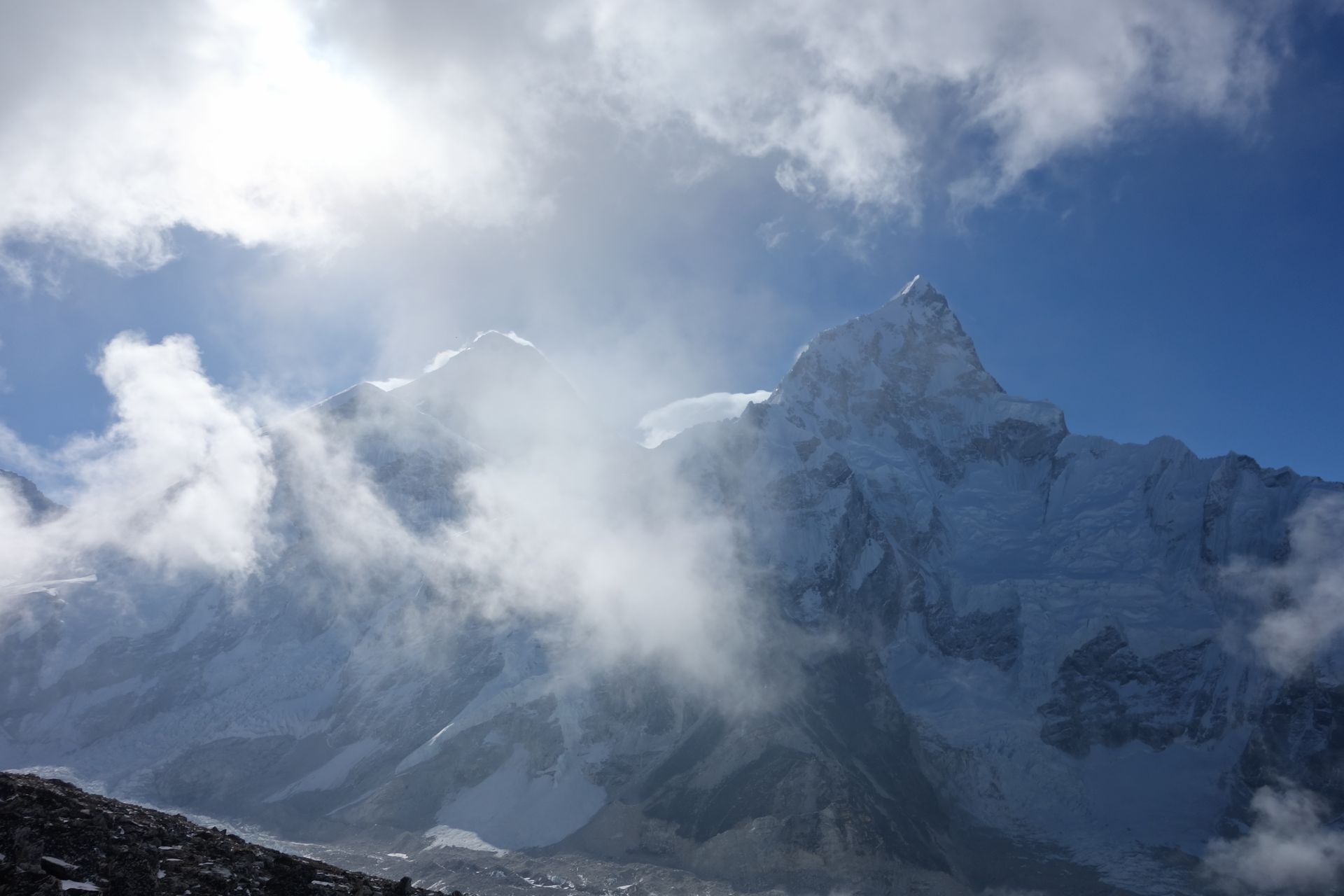
Tengboche is a ridge-top settlement best known for its monastery, with one of the most celebrated mountain views in Nepal: Ama Dablam, Everest, Lhotse and Nuptse rising beyond a forest of rhododendron.
Read place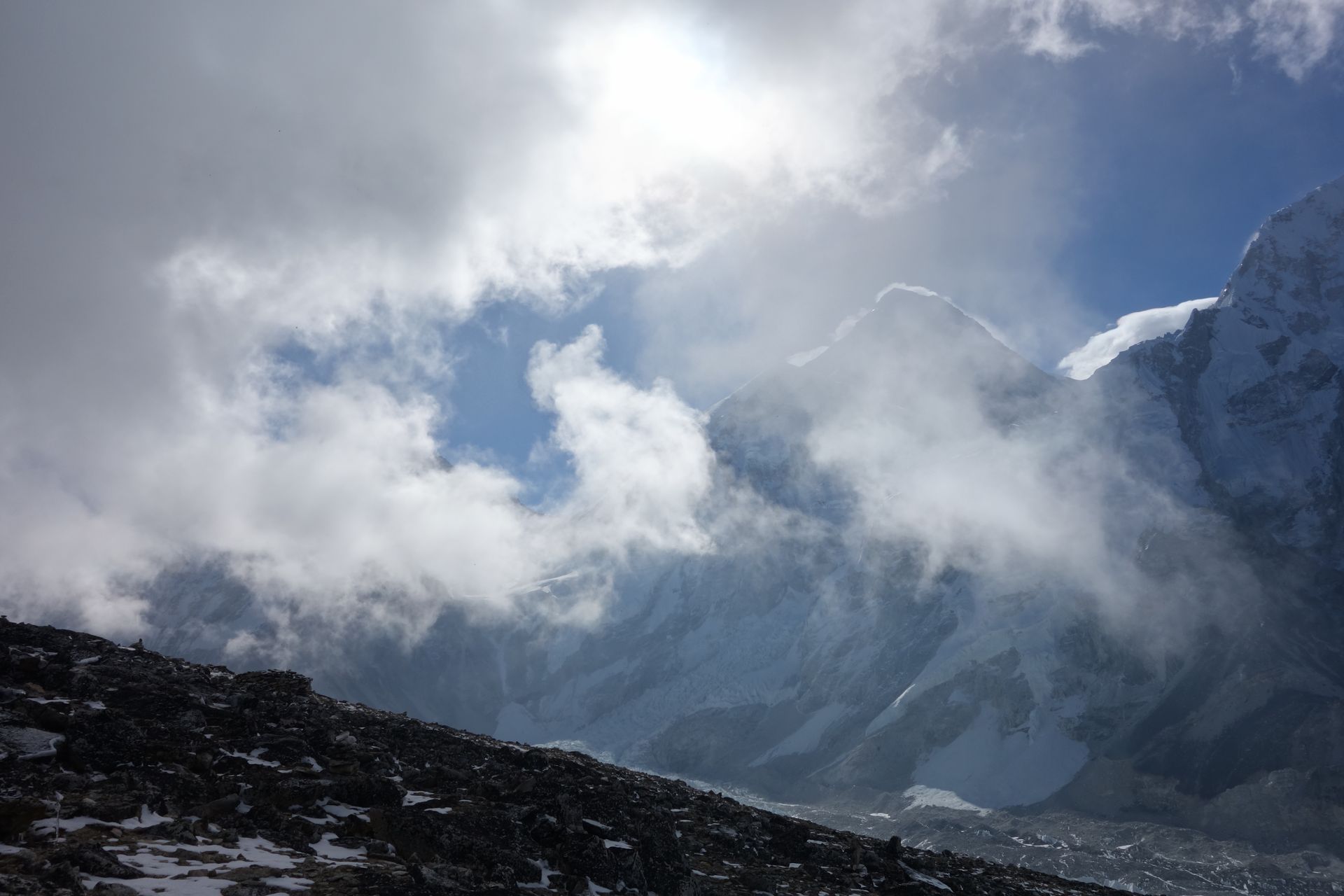
Village
Pangboche
पाङबोचे
3,985 m
Pangboche is one of the oldest Sherpa villages in the Khumbu, with a gompa thought to date back over 300 years. It sits almost directly beneath Ama Dablam and is the jumping-off point for Ama Dablam Base Camp.
Read place