

Village
Thame
थामे
Thame is a traditional Sherpa village in the Bhote Koshi valley west of Namche, known as the home of many famous Everest climbers, including Tenzing Norgay, who grew up here, and record-holder Apa Sherpa. It is far quieter than the main Everest trail and is the first stop on the way to the Renjo La.
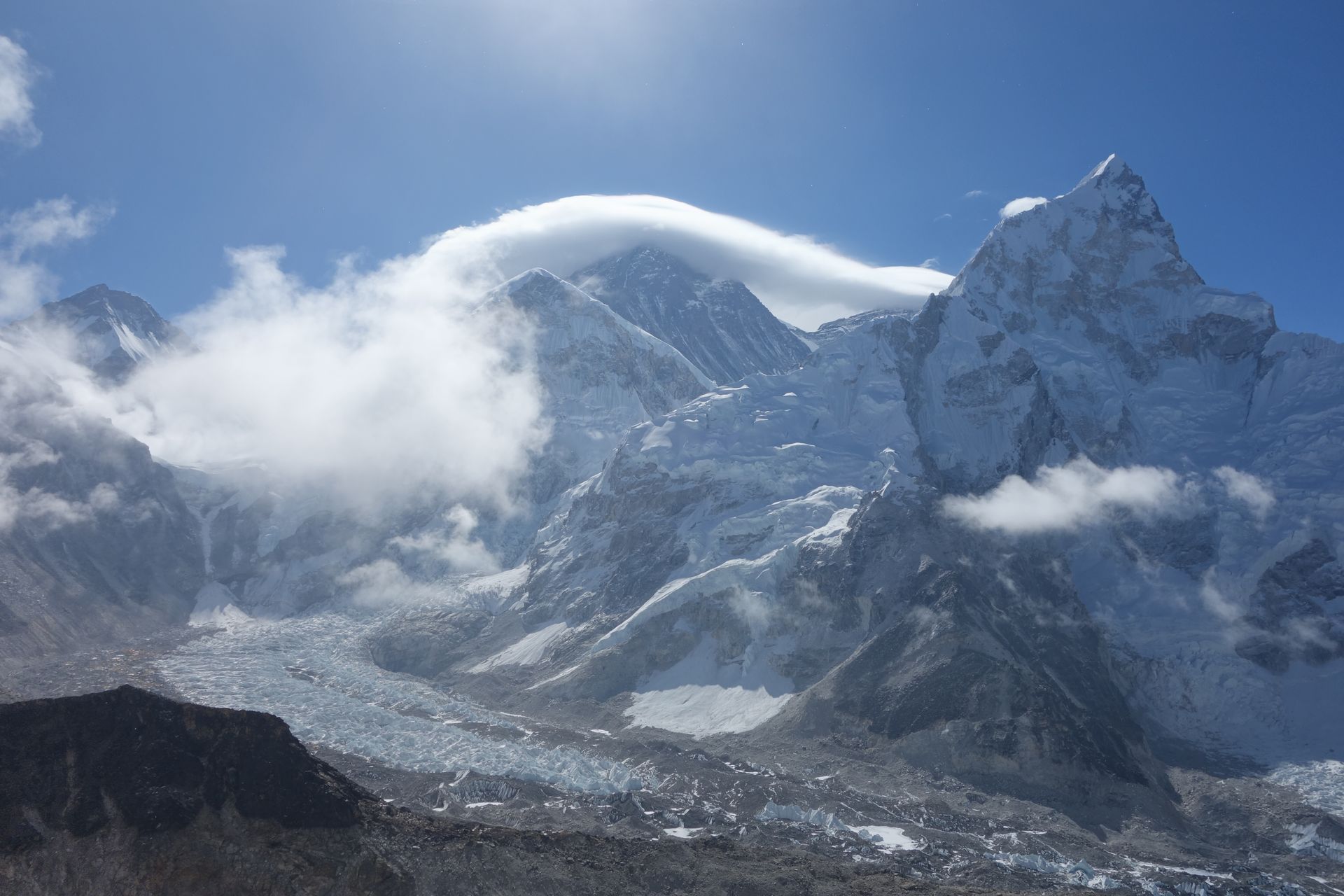
- Elevation: ~3,820 m / 12,533 ft
- Type: Village
- Region: Everest Region
- District: Solukhumbu
- Hometown of many Everest Sherpas
- Treks: Thame Valley Trek, Everest Three Passes Trek
About Thame
Thame is a traditional Sherpa village in the upper Bhote Koshi Valley of the Khumbu region, in Solukhumbu District, Nepal. Located northwest of Namche Bazaar at approximately 3,800 metres (12,467 feet) above sea level, it is one of the culturally significant settlements in the Everest region. Surrounded by mountain slopes, forests, traditional stone houses and grazing pastures, Thame offers a quieter experience away from the busy Everest Base Camp trekking trail.
The village is famous for its historic Thame Monastery, traditional Sherpa lifestyle and connection with legendary mountaineers, including Tenzing Norgay, who spent his childhood in the area. Thame also lies along an old Himalayan trading route towards Nangpa La on the Nepal–Tibet border. Today, it attracts trekkers interested in Sherpa culture, Buddhist heritage, mountain scenery and routes connecting Namche Bazaar, Renjo La Pass and Gokyo.
Location and Altitude
- Location: Upper Bhote Koshi Valley, Khumbu, Solukhumbu District, Nepal
- Altitude: Approximately 3,800 m (12,467 ft)
- Province: Koshi Province, Nepal
- Region: Everest region, northeastern Nepal
- Protected Area: Sagarmatha National Park
- Nearest Major Settlement: Namche Bazaar
- Nearby Villages: Thamo, Mende and Marlung
- Main River: Bhote Koshi River and its tributary, the Thame River
- Famous Landmark: Thame Monastery (Thame Gompa)
- Main Trekking Routes: Thame Valley Trek, Renjo La Pass Trek and Everest Three Passes Trek
Thame is situated west of Namche Bazaar in a side valley connected to the Bhote Koshi River system. The walking trail passes through Thamo and other small settlements before reaching the village.
Treks That Pass Through Thame
Thame is an important cultural destination and trekking stop on routes exploring the western part of the Khumbu region.
- Thame Village Trek: A popular side trip from Namche Bazaar, this route passes through Thamo and traditional Sherpa settlements before reaching Thame. It is ideal for visitors interested in local culture, monasteries and mountain scenery.
- Renjo La Pass Trek: Trekkers descending from Renjo La and Gokyo can continue through Lungden and Marlung towards Thame and Namche Bazaar.
- Everest Three Passes Trek: Thame can be included in a longer circuit connecting Renjo La, Cho La and Kongma La with the main Everest trekking region.
- Nangpa La and Upper Bhote Koshi Valley Route: The upper valley follows an old Himalayan trading corridor towards Nangpa La, historically used for trade between Khumbu and Tibet. Access towards the border is restricted and requires appropriate permissions.
- Tashi Lapcha Pass Route: Experienced trekkers travelling between the Rolwaling and Khumbu regions may approach Thame through this demanding high-altitude crossing.
Walking time: The journey from Namche Bazaar to Thame generally takes around 4–5 hours, depending on pace, weather and trail conditions.
Tea Houses and Accommodation in Thame
Thame has traditionally offered small family-run tea houses, trekking lodges and homestays for visitors exploring the Bhote Koshi Valley. However, accommodation and services have been affected by the severe glacial lake outburst flood in August 2024, which damaged homes, lodges and other village infrastructure. Facilities and reopening status should be confirmed locally before travelling.
- Accommodation: Simple rooms in local lodges and homestays, subject to current availability.
- Food and Meals: Traditional Nepali and Sherpa-style meals, including dal bhat, noodles, soups, rice, potatoes and hot drinks.
- Dining Areas: Some lodges have communal dining rooms where trekkers can rest and enjoy meals.
- Local Hospitality: Homestays provide opportunities to experience Sherpa food, traditions and everyday village life.
- Facilities: Electricity, hot showers, charging facilities and mobile connectivity may be limited or vary between establishments.
- Seasonal Services: Accommodation is generally more available during the spring and autumn trekking seasons.
Trekkers should check with local operators or authorities in Namche Bazaar about which lodges and services are currently operating. Carrying sufficient cash and essential supplies is advisable.
Nature and Landscape of Thame
Thame is surrounded by a beautiful Himalayan landscape of forested slopes, rocky mountain ridges, alpine pastures and glacial river valleys. The natural environment is different from the barren high-altitude terrain around Gokyo and Everest Base Camp, with more vegetation and traditional agricultural land around the village.
- Bhote Koshi River: The river flows through the valley and forms an important part of the surrounding landscape.
- Thame River: This tributary flows through the village and joins the Bhote Koshi downstream.
- Mountain Forests: Lower slopes contain juniper, rhododendron, pine and other Himalayan vegetation.
- Alpine Pastures: Open grazing areas around the village support yaks and other livestock, reflecting traditional Sherpa livelihoods.
- Mountain Views: The surrounding landscape includes Kongde Ri, Tengi Ragi Tau and other rugged Himalayan peaks.
- Wildlife: The wider region supports Himalayan tahr, musk deer, pheasants and other mountain wildlife. Snow leopards inhabit the broader Khumbu ecosystem but are rarely seen.
- Glacial Landscape: Glaciers and glacial lakes in the upper Thame Valley shape the river system and surrounding mountain terrain.
The combination of forest, river, mountain pasture and traditional settlements makes Thame one of the distinctive natural and cultural destinations in the Khumbu region.
Best Time to Visit Thame
The best times to visit Thame are spring (March to May) and autumn (September to November). These seasons generally provide more favourable walking conditions, comfortable daytime temperatures and clearer mountain views.
- Spring (March–May): A beautiful season for exploring the village, visiting Thame Monastery and experiencing the spring Mani Rimdu festival when scheduled.
- Autumn (September–November): Clear skies, good mountain visibility and popular trekking conditions.
- Winter (December–February): Cold temperatures and possible snowfall can make the trail and village conditions more challenging.
- Monsoon (June–August): Rainfall, landslide risks and possible flood-related hazards can affect access and safety.
Because of the August 2024 flood, visitors should pay particular attention to local weather warnings and trail conditions, especially during the monsoon season.
Main Attractions in Thame
Thame offers a mixture of Sherpa cultural heritage, Buddhist landmarks, traditional settlements and beautiful Himalayan scenery.
- Thame Monastery: One of the most important Buddhist monasteries in the Khumbu region, located on a rocky hillside above the village. It is famous for its religious traditions and spring Mani Rimdu celebrations.
- Traditional Sherpa Village: Explore stone houses, agricultural fields, mani walls and traditional village paths that reflect the cultural heritage of the Khumbu.
- Tenzing Norgay's Childhood Home Area: Thame is closely associated with Tenzing Norgay, who spent his childhood in the village before becoming one of the first confirmed climbers to reach Mount Everest's summit in 1953 alongside Edmund Hillary.
- Bhote Koshi Valley: Enjoy peaceful river scenery, mountain slopes and traditional settlements along the valley.
- Old Tibetan Trading Route: Discover the historic trade corridor that connected Khumbu with Tibet through Nangpa La.
- Kongde Ri Views: Enjoy views of the impressive mountain scenery surrounding the village.
- Local Homestays: When available, experience Sherpa hospitality, traditional food and local customs through family-run accommodation.
Thame Monastery and Buddhist Culture
Thame Monastery, also known as Thame Gompa, is one of the oldest and most respected Buddhist monasteries in the Khumbu region. It stands on a rocky hillside above the village, overlooking the surrounding valley. Its traditional architecture, prayer halls, religious paintings and Buddhist ceremonies make it an important cultural attraction.
The monastery is especially known for its Mani Rimdu festival, a sacred Buddhist celebration featuring masked dances, prayers, rituals and religious performances. The festival is generally held in spring, although the exact dates follow the Tibetan lunar calendar and should be confirmed locally.
Visitors should respect monastery customs, remove their shoes where required and ask permission before taking photographs during religious ceremonies.
History, Famous Mountaineers and Traditional Trade
Thame has a long history as one of the traditional Sherpa settlements of the Khumbu region. Its location along the old route towards Nangpa La made it an important place for Himalayan trade, particularly exchanges involving salt, wool, livestock and other goods between Tibet and Nepal.
The village is also closely connected with some of Nepal's most celebrated mountaineers.
- Tenzing Norgay: The legendary Everest mountaineer spent his childhood in Thame before becoming internationally famous for the 1953 Everest ascent.
- Apa Sherpa: One of the most celebrated Everest climbers, known for his numerous successful ascents.
- Kami Rita Sherpa: A renowned mountaineer from the Thame area, famous for his record number of Everest summits.
- Lama Zopa Rinpoche: A respected Tibetan Buddhist teacher who was born in Thame in 1946.
These connections have made Thame an important place in both Sherpa cultural history and the development of Himalayan mountaineering.
The 2024 Thame Glacial Lake Outburst Flood
On 16 August 2024, a destructive glacial lake outburst flood (GLOF) affected Thame village. The flood originated from glacial lakes in the upper valley and sent a powerful flow of water and debris downstream, damaging houses, lodges, a school, a health facility and other infrastructure.
The event highlighted the vulnerability of Himalayan communities to glacial hazards and changing mountain environments. Recovery and reconstruction have been important issues for the village since the disaster. Visitors should check current local access, accommodation and safety information before planning a trip.
Where is Thame?
The exact point on the Himalaya trail, with nearby places for context.
On this map
Nearby places
Religious site
Thame Monastery
थामे गुम्बा
3,970 m
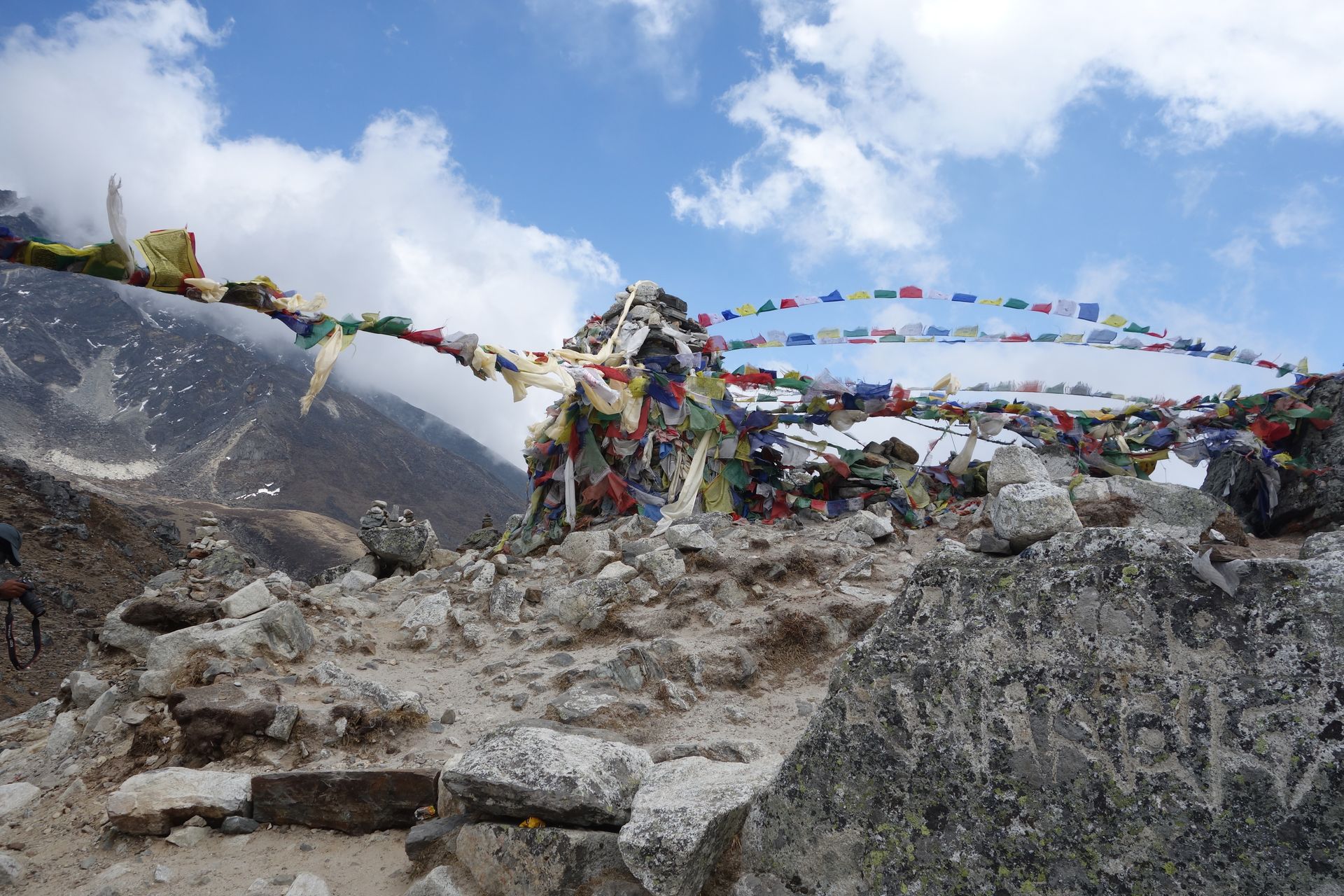
Thame Monastery is one of the oldest gompas in the Khumbu, built against a cliff above Thame village. It was badly damaged in the 2015 earthquake and has since been rebuilt. It hosts the Mani Rimdu festival in spring.
Read place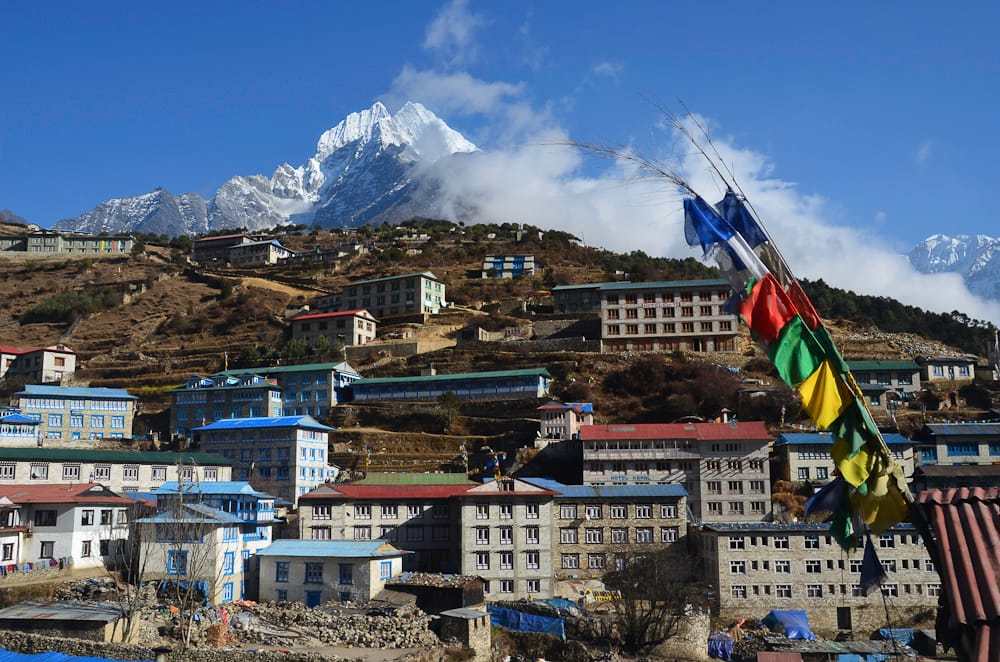
Town / city
Namche Bazaar
नाम्चे बजार
3,440 m
Namche Bazaar is the Sherpa capital of the Khumbu, a horseshoe-shaped town built into a hillside high above the Dudh Koshi. It is the region’s main trading hub, with lodges, bakeries, gear shops, banks and a Saturday market.
Read place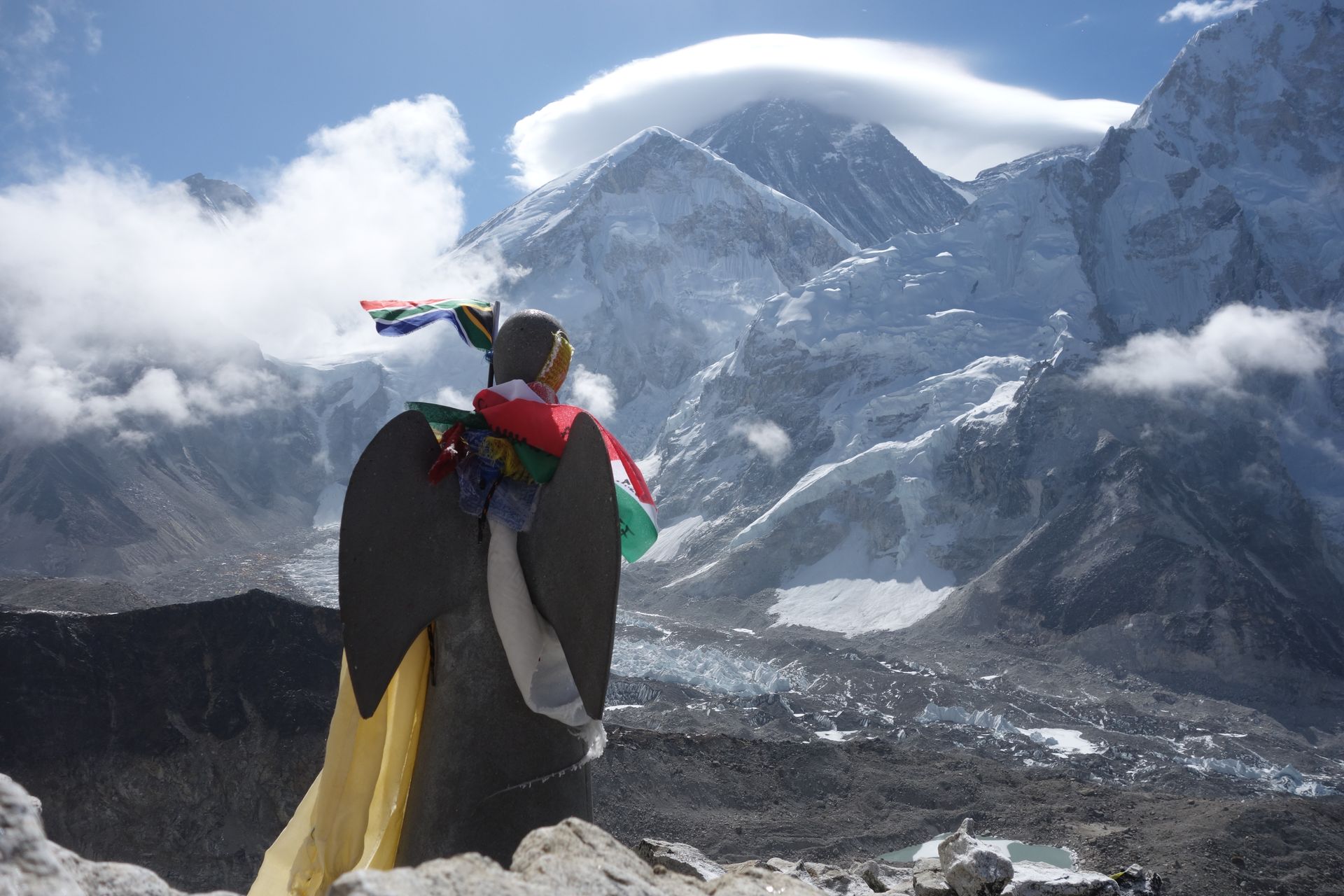
Village
Lungden
लुङदेन
4,380 m
Lungden is a small group of lodges in the upper Bhote Koshi valley and the overnight stop before or after the Renjo La. The valley above leads towards the Nangpa La, an old trade pass to Tibet. It is remote and quiet, with only a few lodges.
Read place