

Religious site
Thame Monastery
थामे गुम्बा
Thame Monastery is one of the oldest gompas in the Khumbu, built against a cliff above Thame village. It was badly damaged in the 2015 earthquake and has since been rebuilt. It hosts the Mani Rimdu festival in spring.
- Elevation: ~3,970 m / 13,025 ft
- Type: Religious site
- Region: Everest Region
- District: Solukhumbu
- Hosts Mani Rimdu in spring
- Treks: Thame Valley Trek
About Thame Monastery
Thame Monastery, also known as Thame Gompa (Dekshe Choling Monastery), is one of the oldest and most culturally significant Buddhist monasteries in the Khumbu region of Nepal. Located on a rocky hillside above Thame village at approximately 3,900 metres (12,795 feet), the monastery overlooks the beautiful Bhote Koshi Valley and the traditional Sherpa settlement below. It is an important centre of Tibetan Buddhist religion, culture and spiritual life in the Everest region.
Surrounded by Himalayan mountains, traditional stone houses and peaceful alpine landscapes, Thame Monastery is famous for its historic religious traditions and annual Mani Rimdu festival. The monastery is closely connected with the Sherpa community and the spiritual heritage of the Khumbu. It is also associated with Lama Ralwa Dorje, who is traditionally credited with establishing the monastery several centuries ago. Today, it remains an important destination for pilgrims, cultural visitors and trekkers exploring the quieter western valleys of the Everest region.
Location and Altitude
- Location: Above Thame village, Khumbu region, Solukhumbu District, Nepal
- Altitude: Approximately 3,900 m (12,795 ft)
- Village: Thame
- Province: Koshi Province, Nepal
- Protected Area: Sagarmatha National Park
- Mountain Region: Himalayas
- Nearby River: Bhote Koshi River
- Nearby Settlement: Namche Bazaar
- Main Religious Tradition: Tibetan Buddhism
- Famous Festival: Mani Rimdu
Thame Monastery stands on a hillside above Thame village, northwest of Namche Bazaar. Visitors reach it by following a steep walking trail from the village, generally taking around 20–30 minutes.
Treks That Pass Through Thame Monastery
Thame Monastery is an important cultural attraction along trekking routes in the western Khumbu region.
- Thame Village Trek: The most direct route begins at Namche Bazaar and follows the trail through Thamo to Thame. Visitors can explore the village and climb to the monastery.
- Everest Three Passes Trek: Trekkers can include Thame as part of the western Khumbu route, particularly when travelling between Renjo La, Lungden and Namche Bazaar.
- Renjo La Pass Trek: Trekkers descending from Gokyo and Renjo La can pass through Lungden and Marlung before reaching Thame and visiting the monastery.
- Nangpa La Valley Exploration: The upper Bhote Koshi Valley follows a historic Himalayan trading corridor towards Nangpa La. Access to the border area is restricted, so visitors must follow applicable regulations.
Walking time: Namche Bazaar to Thame generally takes around 4–5 hours. From Thame village, the monastery is approximately 20–30 minutes uphill, depending on walking pace.
Tea Houses and Accommodation Near Thame Monastery
There are no regular commercial accommodation facilities inside Thame Monastery itself. Trekkers and visitors generally stay in Thame village, where local tea houses and lodges have traditionally provided rooms and meals.
The August 2024 glacial lake outburst flood severely damaged Thame village, including homes, hotels and other infrastructure. Recovery work has been ongoing, so current accommodation availability should be confirmed before travelling.
- Accommodation: Basic rooms in local lodges and homestays, depending on current availability.
- Food and Meals: Traditional Nepali and Sherpa meals, including dal bhat, noodles, rice, potatoes, soups and hot drinks.
- Local Hospitality: Family-run homestays offer opportunities to experience Sherpa traditions and village life.
- Facilities: Electricity, hot showers, charging facilities and internet access may be limited.
- Monastery Visits: Visitors generally explore the monastery during the day and return to the village for accommodation.
- Seasonal Services: More trekking facilities are generally available during spring and autumn.
Namche Bazaar offers a wider selection of accommodation, restaurants and trekking supplies for visitors who prefer to stay there and make a side trip to Thame.
Nature and Landscape of Thame Monastery
Thame Monastery is surrounded by a beautiful Himalayan landscape of rocky mountain slopes, green hillsides, traditional settlements and river valleys. Its elevated position offers impressive views of Thame village and the upper Bhote Koshi Valley.
- Himalayan Mountains: The monastery overlooks rugged peaks and mountain ridges surrounding the upper Khumbu region.
- Bhote Koshi Valley: The river valley provides a dramatic natural setting below the monastery.
- Mountain Forests: Lower slopes contain juniper, rhododendron and other Himalayan vegetation.
- Alpine Pastures: Traditional grazing areas around Thame support yaks and other livestock.
- Traditional Landscape: Stone houses, terraced fields, mani walls and prayer flags add cultural character to the natural surroundings.
- Mountain Wildlife: The wider Sagarmatha National Park supports Himalayan tahr, musk deer, pheasants and other mountain wildlife.
The combination of Buddhist architecture, traditional Sherpa settlements and mountain scenery makes Thame Monastery a particularly attractive cultural destination.
Best Time to Visit Thame Monastery
The best time to visit Thame Monastery is during spring (March to May) and autumn (September to November). These seasons generally offer favourable trekking conditions, clearer mountain views and opportunities to experience local Buddhist traditions.
- Spring (March–May): A particularly interesting time to visit because the monastery's Mani Rimdu festival is traditionally celebrated during this season. Exact dates vary according to the Tibetan lunar calendar.
- Autumn (September–November): Clear skies, comfortable daytime trekking conditions and excellent mountain scenery.
- Winter (December–February): Cold temperatures and possible snowfall can make the trail more challenging.
- Monsoon (June–August): Rainfall, cloud cover and potential landslide or flood hazards can affect travel.
Visitors should check the local festival calendar and current trail conditions before planning their visit.
Main Attractions at Thame Monastery
Thame Monastery offers a combination of Buddhist religious heritage, traditional architecture, cultural ceremonies and beautiful mountain scenery.
- Historic Prayer Hall: Explore the monastery's traditional prayer hall, which serves as an important place for Buddhist worship and ceremonies.
- Buddhist Murals and Religious Art: Discover traditional religious paintings, sacred images and Buddhist decorations that reflect Tibetan Buddhist artistic traditions.
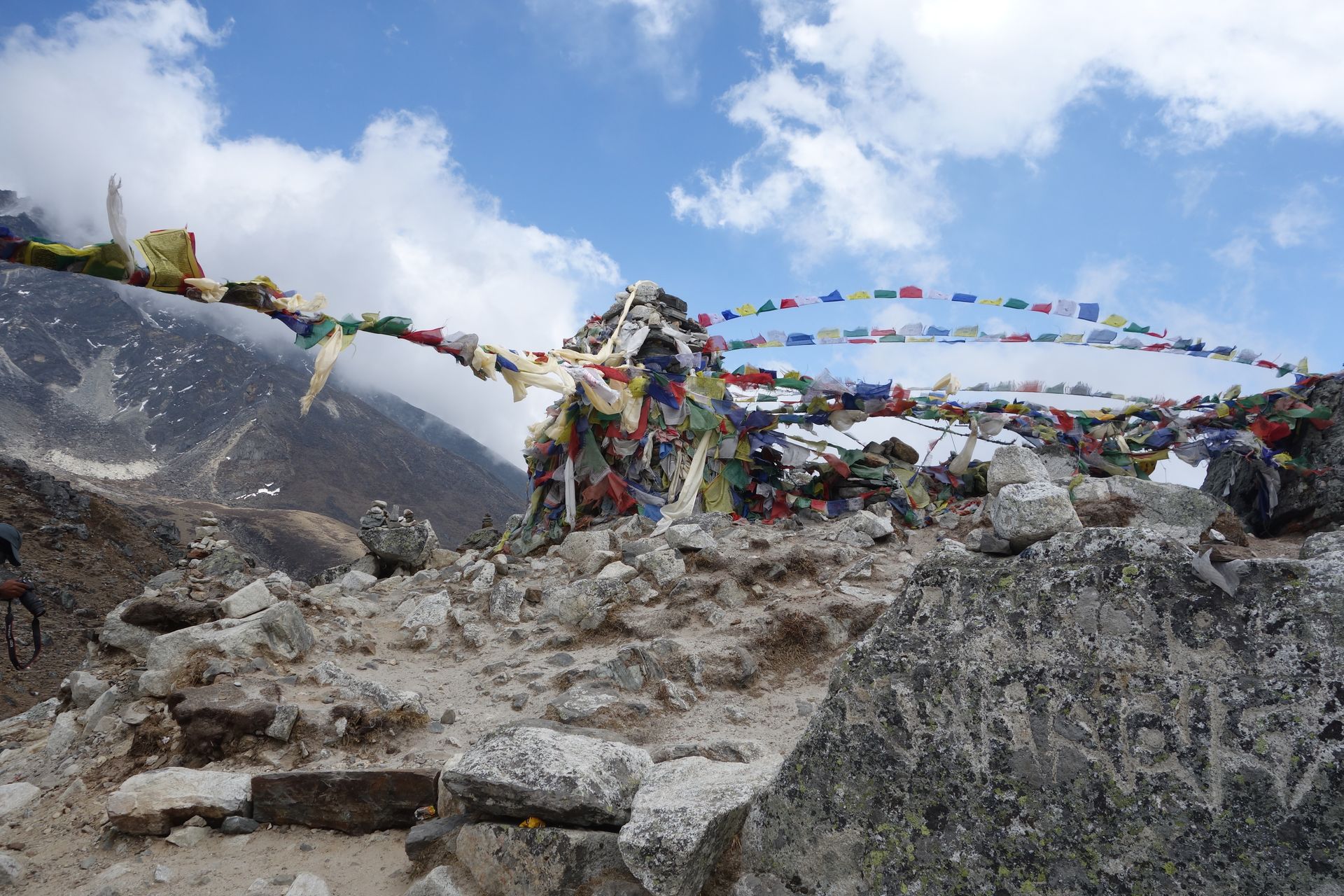
- Prayer Flags: Colourful prayer flags surrounding the monastery create a peaceful spiritual atmosphere and reflect local Buddhist customs.
- Mani Rimdu Festival: Experience one of the most important religious celebrations in the Khumbu region, featuring masked dances, prayers and Buddhist rituals.
- Monastery Courtyard: Observe the traditional architecture and peaceful surroundings of the monastery.
- Himalayan Views: Enjoy beautiful views of Thame village, the Bhote Koshi Valley and surrounding mountain slopes.
- Sherpa Cultural Heritage: Learn about the religious traditions and community history that have shaped life in the Khumbu region.
History and Religious Significance of Thame Monastery
Thame Monastery has an important place in the religious history of the Khumbu region. Local traditions associate its establishment with Lama Ralwa Dorje, one of three brothers traditionally credited with founding important monasteries in the Khumbu several centuries ago. The other two brothers are associated with Pangboche and Rimijung monasteries.
The monastery follows Tibetan Buddhist traditions and has long served the spiritual needs of the Sherpa communities living in the surrounding valleys. Monks conduct prayers, religious ceremonies and Buddhist teachings, helping preserve the area's religious heritage.
Thame Monastery is also associated with the wider spiritual history of the region through Lama Zopa Rinpoche, who was born in Thame village in 1946. His connection to the village has contributed to Thame's international recognition among Buddhist communities.
Mani Rimdu Festival at Thame Monastery
Mani Rimdu is one of the most important Buddhist festivals celebrated in the Khumbu region. At Thame Monastery, the festival traditionally takes place in spring, usually around May, although the exact dates depend on the Tibetan lunar calendar.
The celebration includes several religious activities:
- Sacred Masked Dances: Monks perform traditional dances representing Buddhist deities and symbolic stories.
- Prayers and Rituals: Religious ceremonies are conducted for peace, compassion and the well-being of all living beings.
- Traditional Music: Ceremonial instruments, chanting and religious music form an important part of the festival.
- Blessings: Visitors and local devotees gather to receive blessings from religious leaders.
- Community Gathering: The festival brings together Sherpa families, monks, pilgrims and visitors from surrounding villages.
The festival is an important expression of Sherpa Buddhist identity and helps preserve the religious traditions of the Khumbu.
Thame Monastery and the 2024 Glacial Lake Outburst Flood
On 16 August 2024, a destructive glacial lake outburst flood swept through Thame village. The flood originated from the upper Thame Valley and caused severe damage to homes, hotels, a school, a health facility and other village infrastructure.
Importantly, Thame Monastery on the hillside was not destroyed by the flood. Its elevated location helped protect this historic religious site from the main flow of floodwater. The disaster nevertheless affected the surrounding community and its cultural heritage, making recovery and preservation especially important.
UNESCO has also supported work documenting the impact of the disaster on Thame's living heritage and strengthening efforts to protect Sherpa cultural traditions.
Where is Thame Monastery?
The exact point on the Himalaya trail, with nearby places for context.
On this map
Nearby places
Village
Thame
थामे
3,820 m
Thame is a traditional Sherpa village in the Bhote Koshi valley west of Namche, known as the home of many famous Everest climbers, including Tenzing Norgay, who grew up here, and record-holder Apa Sherpa. It is far quieter than the main Everest trail and is the first stop on the way to the Renjo La.
Read place