
safety altitude
Altitude Tips for Trekking in Nepal: How to Prevent and Recognise Altitude Sickness
Practical advice for staying healthy at altitude on Nepal's treks: how acclimatisation works, the golden rules of ascent, warning signs of AMS, HAPE and HACE, and when to descend.
On this page
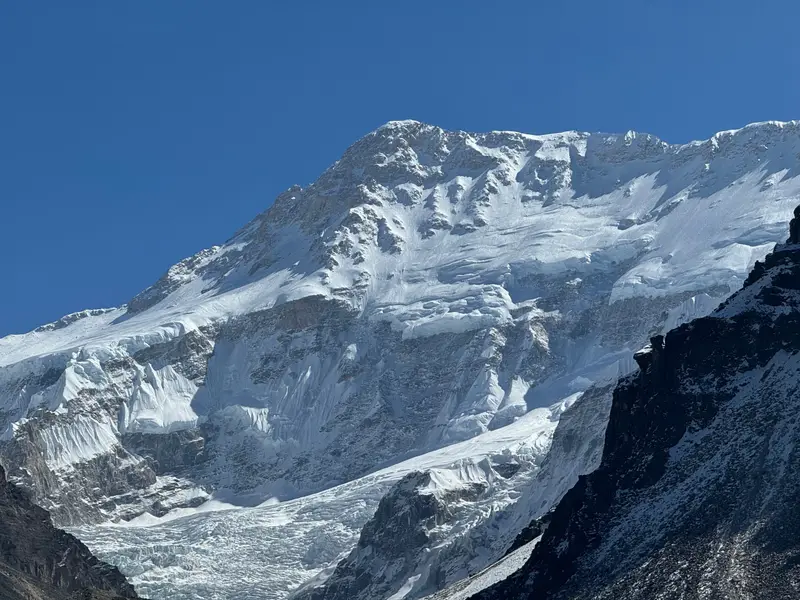
Nepal's most famous treks climb high: Everest Base Camp reaches 5,364 m, the Thorong La 5,416 m and even Annapurna Base Camp 4,130 m. At these heights the air holds far less oxygen, and every trekker – young or old, fit or not – needs time to adjust. The good news is that altitude sickness is largely preventable if you understand how it works and follow a few simple rules.
What Is Altitude Sickness?
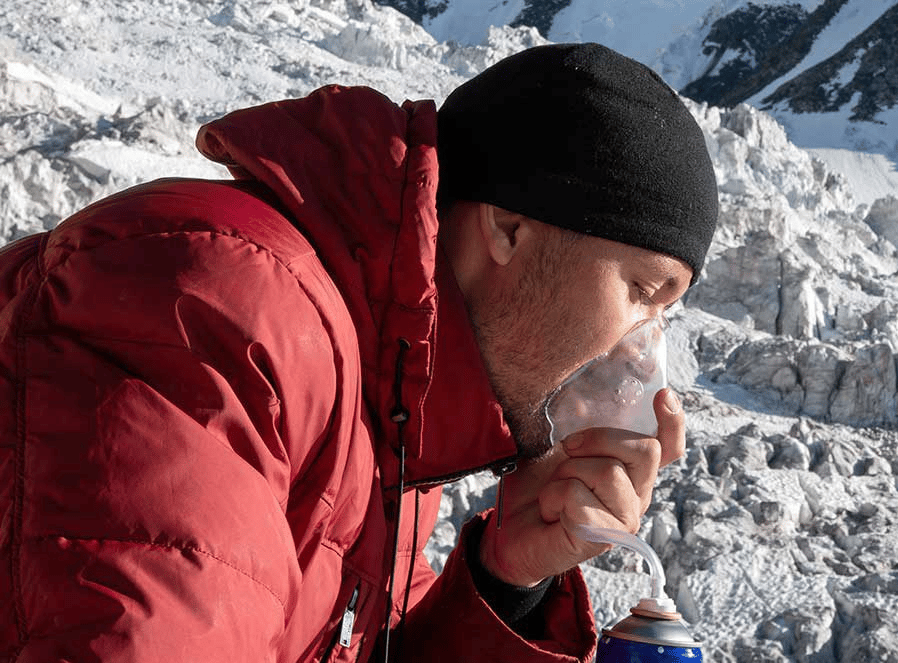
Acute Mountain Sickness (AMS) happens when you climb faster than your body can adapt to lower air pressure and oxygen. It usually starts above about 2,500 m and becomes more common the higher you go. Fitness does not protect you – marathon runners get AMS too.
The three forms
Condition | What it is | Key signs |
|---|---|---|
**AMS** | Mild to moderate altitude sickness | Headache plus nausea, tiredness, dizziness, poor sleep |
**HAPE** | Fluid in the lungs – an emergency | Breathlessness at rest, cough, gurgling chest, extreme fatigue |
**HACE** | Swelling of the brain – an emergency | Confusion, loss of balance, drowsiness, odd behaviour |
HAPE and HACE can kill within hours. If you or anyone in your group shows these signs, descend immediately and seek medical help – do not wait for the morning.
The Golden Rules of Acclimatisation
1. Climb slowly
Above about 3,000 m, try not to increase your sleeping altitude by more than 300–500 m per day. Our itineraries are built around this.
2. Take rest days
Plan an acclimatisation day every 3–4 days, or after every 1,000 m of height gain – for example in Namche Bazaar, Manang or Samagaun.
3. Climb high, sleep low
On rest days, hike a few hundred metres higher and come back down to sleep.
4. Drink, eat and rest
Drink plenty of water (3–4 litres a day), eat well – dal bhat is perfect trekking fuel – and avoid alcohol and sleeping pills at altitude.
5. Never ascend with symptoms
A headache at altitude is AMS until proven otherwise. Rest where you are until you feel better; if symptoms get worse, go down.
Medication
Some trekkers use acetazolamide (Diamox) to help acclimatisation. It is a prescription medicine with side effects, so talk to your doctor before your trip about whether it is right for you. Medication never replaces a slow ascent.
How Our Guides Keep You Safe
- Itineraries with built-in acclimatisation days
- Daily health checks and a pulse oximeter on high treks
- First-aid training and knowledge of the nearest health posts
- Emergency helicopter evacuation arranged through your insurer
Travel Insurance Is Essential
Make sure your policy covers trekking to the maximum altitude of your trip and helicopter rescue. Without it, an evacuation must be paid in full before take-off.
Frequently Asked Questions
At what altitude does altitude sickness start?
Usually above about 2,500 m, but it varies from person to person.
Can I prevent altitude sickness completely?
Not always, but a slow ascent, rest days and good hydration greatly reduce the risk.
What should I do if I feel unwell?
Tell your guide, stop climbing, and descend if symptoms worsen or include breathlessness at rest or confusion.
Trek High, Trek Safe
Choose an itinerary with proper acclimatisation – see our Everest Base Camp, Annapurna Circuit and Langtang Valley treks – and trek with an experienced guide.
Plan with local guides
Ready to walk the Himalaya trail?
Tell us your dates and pace. We’ll sort permits, guides and a route that fits — straight from the people who live here.
From this story
Treks mentioned
Keep reading
Other Blogs
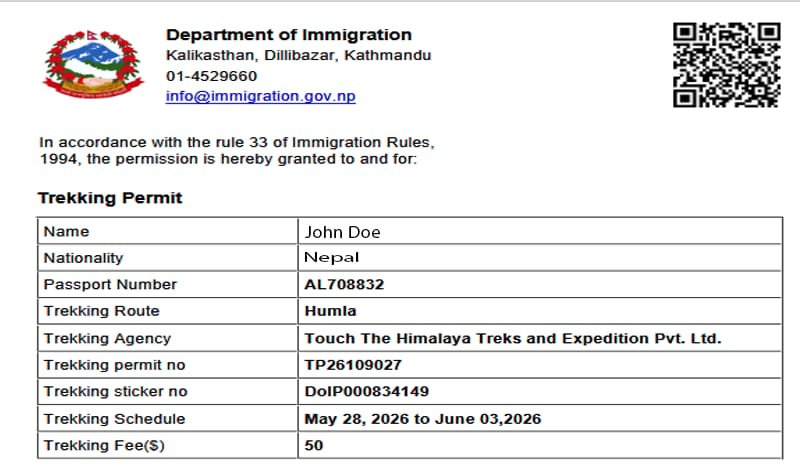
Solo Trekkers Can Now Get a Restricted Area Permit in Nepal (2026 Update)
Touch The HimalayaAugust 9, 20267 min read
Since 22 March 2026, solo trekkers can obtain Nepal's restricted area permits in their own name – but a licensed guide and a registered agency are still mandatory. Here is what changed and how to apply.
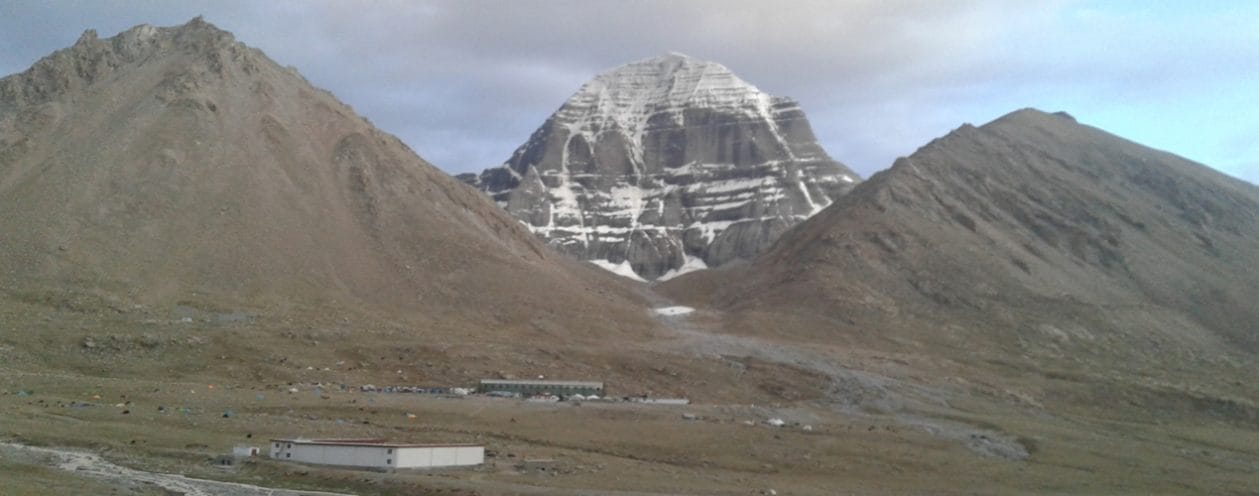
Kailash Door Darshan: See Holy Kailash from Nepal Without a Tibet Visa
Touch The HimalayaJune 16, 20267 min read
Kailash Door Darshan lets you see Mount Kailash and Lake Mansarovar from Lapcha La in Nepal's Humla – no Chinese visa or Tibet permit. Route, itinerary, costs compared with the Tibet yatra, and tips.
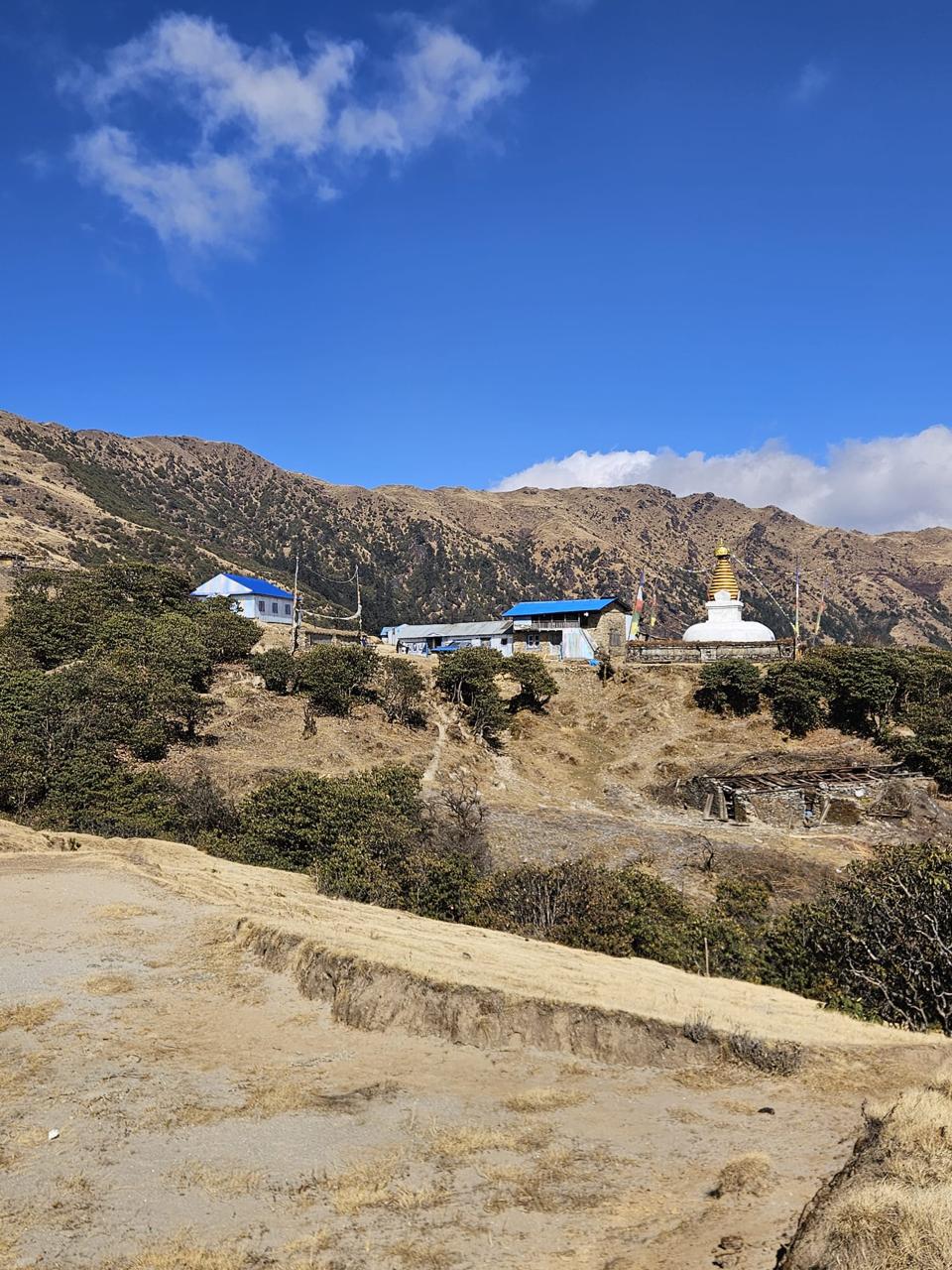
Pikey Peak Trek: Everest Views Without the Crowds
Touch The HimalayaSeptember 27, 20257 min read
Pikey Peak (4,065 m) in lower Solukhumbu offers one of the best Himalayan panoramas in Nepal, including Everest. Itinerary, how to get there, best season, permits, teahouses and tips.