Holi Festival Celebration in Nepal
Holi festival in Nepal (Fagu Purnima) will be celebrated on March 2nd in the Hilly regions (including Kathmandu and Pokhara) and on March 3rd in the Terai region.
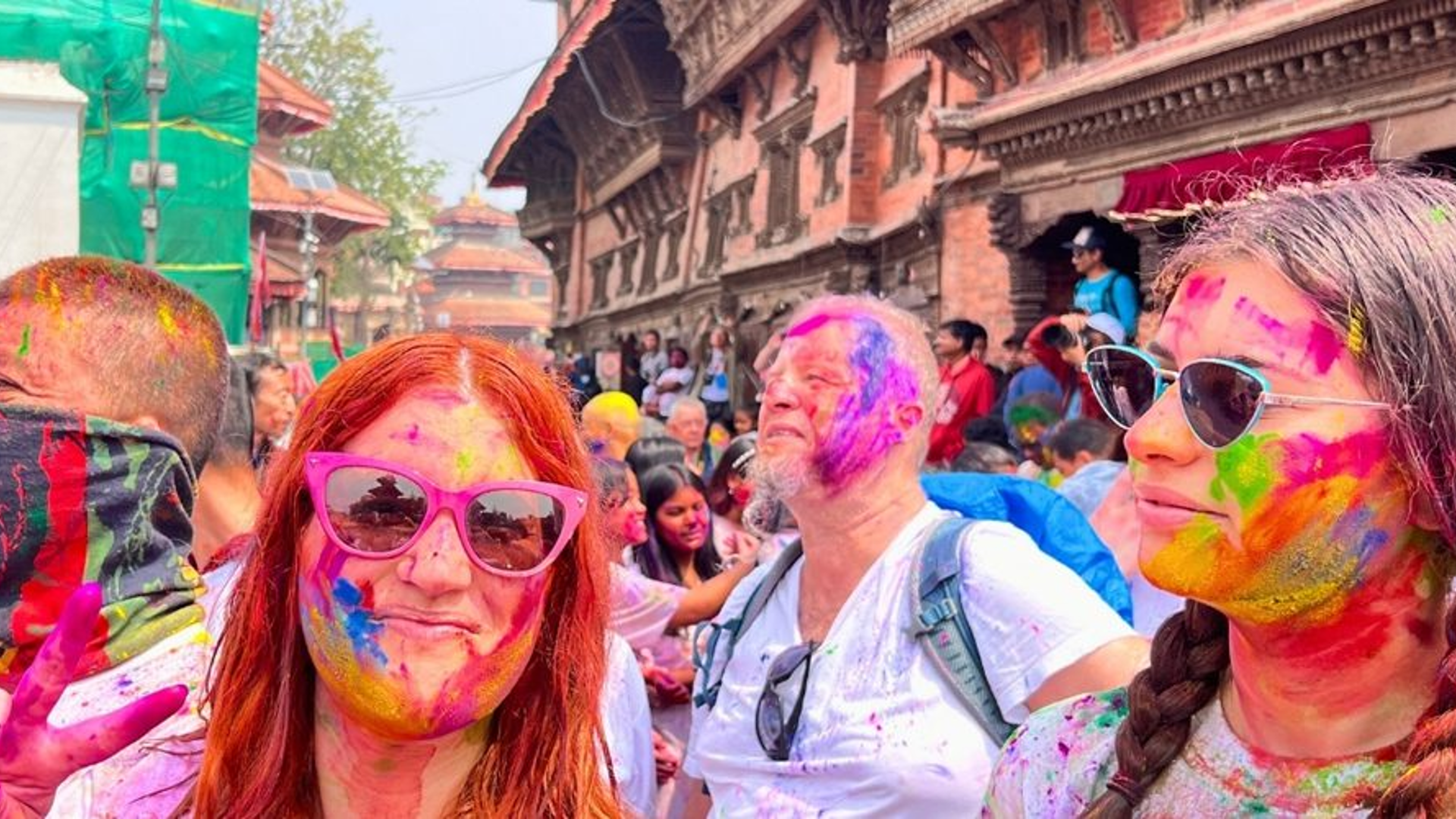
Holi Festival Celebration in Nepal: festival of Joy and Colors
In 2026, the Holi festival in Nepal (Fagu Purnima) will be celebrated on March 2nd in the Hilly regions (including Kathmandu and Pokhara) and on March 3rd in the Terai region. This vibrant festival of colors involves throwing colored powders and water, marking the arrival of spring and victory over evil.
Holi Festival is one of the most vibrant and joyous celebrations in the world. Known as the Festival of Colors, it is celebrated with enthusiasm in India, Nepal, and various parts of the world where Hindu communities reside. Holi symbolizes the arrival of spring, the victory of good over evil, and the renewal of life with colors and happiness. The Holi Celebration is marked by smearing colors, playing with water, singing, dancing, and indulging in festive foods and sweets.
Holi is a spectacular celebration of colors, unity, and festivity. From the vibrant streets of Kathmandu to the Terai region, people gather to throw colors, dance to traditional music, and share festive sweets. The festival begins with the ceremonial raising of the ‘Chir’ at Basantapur Durbar Square and ends with joyous gatherings across the country. Experience the unique cultural blend of Holi in Nepal, where history, tradition, and fun come alive!
History of Holi
The History of Holi is deeply rooted in Hindu mythology and ancient traditions. The festival is primarily associated with the legend of Prahlad and Holika. According to Hindu scriptures, King Hiranyakashipu was granted a boon that made him nearly invincible. He wanted everyone to worship him as a god, but his son, Prahlad, remained devoted to Lord Vishnu. Enraged, Hiranyakashipu sought to kill Prahlad with the help of his sister, Holika, who had a magical fireproof cloak. However, Holika perished in the fire while Prahlad was saved, symbolizing the triumph of good over evil. This event is commemorated with Holika Dahan, a bonfire ritual held the night before Holi.
Another significant legend tied to Holi Festival is that of Lord Krishna and Radha. Krishna, known for his playful nature, applied colors on Radha and other Gopis, which started the tradition of playing with colors during Holi. This event is especially significant in Mathura and Vrindavan, where Holi is celebrated in a grand and traditional manner.
Holi Celebration: Traditions and Rituals
The Holi Celebration begins with Holika Dahan, a ritual bonfire where people gather, sing, and perform religious ceremonies to cleanse negativity and mark the victory of good over evil. The next day, people take to the streets to play with dry and wet colors, water balloons, and pichkaris (water guns).
Music, dance, and feasting are integral parts of Holi Festival. Traditional sweets like gujiya, malpua, and drinks like thandai, often infused with bhang, add to the festive spirit. Holi fosters unity and harmony as people forget past grievances and celebrate together, strengthening bonds of friendship and love.
Holi Festival: A Global Celebration
Beyond Holi in India and Holi in Nepal, this colorful festival has gained popularity worldwide. Countries like the USA, UK, Australia, and Canada host Holi-inspired events, featuring music, dance, and vibrant color throwing. These events promote cultural exchange and bring people together regardless of nationality or religion.
Foods and Drinks of Holi Festival
Holi is incomplete without its mouthwatering traditional foods:
- Gujiya – A sweet dumpling filled with khoya and dry fruits.
- Malpua – Deep-fried pancakes soaked in sugar syrup.
- Puran Poli – A Maharashtrian sweet flatbread.
- Thandai – A cooling milk-based drink, often mixed with bhang.
- Sel Roti & Aloo Chop – Special Holi in Nepal treats enjoyed with spicy pickles.
Tips for a Safe and Eco-Friendly Holi Celebration
To enjoy the Holi Festival responsibly:
- Use organic colors to prevent skin and eye irritation.
- Protect your hair with oil before playing.
- Stay hydrated and avoid excessive consumption of intoxicants.
- Play respectfully and ensure that everyone enjoys the festival willingly.
- Clean up properly after the celebration to keep the environment clean.
Holi in Nepal: A Grand Celebration
Holi in Nepal is one of the most widely celebrated festivals. Kathmandu and other major cities turn into a riot of colors as people gather in the streets to throw colored powders and water. The celebrations start with a wooden pole (chir) being erected at Basantapur Durbar Square, symbolizing the beginning of the festival. The festival is celebrated differently in the hilly regions and the Terai, with Terai communities extending the celebration by an extra day.
Traditional delicacies like sel roti, yomari, and drinks like chhaang are enjoyed during Holi in Nepal. People visit family and friends, exchange sweets, and play with colors in a joyous atmosphere.
Holi in India: Regional Variations
Holi in India is celebrated with regional variations, each with its own cultural uniqueness:
- Lathmar Holi (Barsana & Nandgaon) – Women playfully hit men with sticks, reenacting Radha and Krishna’s divine love story.
- Vrindavan & Mathura Holi – Celebrated with flowers and colors in temples dedicated to Krishna.
- Hola Mohalla (Punjab) – Sikhs commemorate the day with martial arts, music, and parades.
- Bihar & Uttar Pradesh – Holi is celebrated with traditional folk songs and a mix of dry and wet colors.
- West Bengal (Dol Jatra) – Inspired by the works of Rabindranath Tagore, Dol Jatra is a sophisticated celebration with cultural performances and temple rituals.
- South India – People worship Kamadeva, the god of love, during Holi.
The Holi Festival is more than just a color-filled celebration; it is a symbol of joy, love, and the victory of good over evil. Whether celebrated in India, Nepal, or other parts of the world, Holi unites people through its rich traditions and joyous festivities. As we embrace the spirit of Holi Celebration, let’s spread happiness, play responsibly, and cherish the cultural heritage of this incredible festival.
Celebrate Holi and Explore Nepal with Touch The Himalaya
Holi is a perfect time to experience Nepal’s rich culture and breathtaking landscapes. At Touch The Himalaya, we offer special trekking and tour packages that allow you to celebrate Holi in Nepal while exploring its majestic beauty. Whether you wish to trek through the Himalayas, visit UNESCO heritage sites, or experience the festival in Kathmandu, we have the perfect package for you.
Check out our exclusive offers:
- Everest Base Camp Trek – Witness the grandeur of Everest while immersing yourself in the vibrant Holi celebrations.
- Annapurna Circuit Trek – Trek through diverse landscapes and enjoy Holi in traditional villages.
- Langtang Valley Trek – A short yet scenic trek with cultural encounters during the festival.
- Kathmandu Valley Sightseeing Tour – Experience the historical and spiritual sites of Nepal while enjoying Holi.
Click here to explore our Holi Special Packages and book your adventure today!
Plan your trip