Ultimate Guide to Trekking in Nepal
Discover the Ultimate Guide to Trekking in Nepal! Get expert tips, best trekking routes, permits, and packing lists for an unforgettable adventure
Ultimate Guide to Trekking in Nepal: Unveiling the Best Routes, Tips, and Experiences: Ultimate Guide to Trekking in Nepal
Nepal, a land blessed with unmatched natural beauty, has become one of the top destinations for Trekking in Nepal. Nestled in the heart of the Himalayas, Nepal offers not only some of the world’s highest peaks but also a rich cultural experience that connects trekkers with the country’s deep heritage. Whether you’re a first-time adventurer or a seasoned hiker, Nepal’s diverse trekking routes offer something for everyone—from the iconic Everest Base Camp trek to the serene trails of the Annapurna Circuit trek. Ultimate Guide to Trekking in Nepal
At Touch The Himalaya Treks, we’ve been guiding trekkers through the majestic landscapes of Nepal for years, ensuring that every journey is not only safe and enjoyable but also deeply immersive. With expert guides, attention to safety, and a focus on sustainable trekking in Nepal, we offer treks that showcase Nepal’s stunning beauty and rich cultural heritage. Ultimate Guide to Trekking in Nepal
In this ultimate guide, we’ll explore the best trekking destinations in Nepal, from the famous Everest trek and Annapurna Circuit trek to hidden gems like the Manaslu trek and Upper Mustang trek. We’ll also dive into the essentials of preparing for a trek, what to pack, and how to choose the right trekking company. Whether you’re after a challenge, cultural immersion, or a peaceful escape in nature, Nepal’s trekking trails have it all. Ultimate Guide to Trekking in Nepal
Why Nepal is a Trekker’s Paradise?
Nepal is a trekkers’ paradise, a dream destination for those seeking adventure, tranquility, and a chance to connect with nature. Its unique geographical features and rich cultural heritage make it one of the top trekking destinations in the world.
Geographic Diversity
Nepal’s landscape is one of the most diverse on the planet. It stretches from the lowland Terai plains to the towering peaks of the Himalayas. Within this small country, trekkers can explore lush forests, alpine meadows, high-altitude deserts, and glacial landscapes—all within a matter of days.
One of the most popular attractions in Nepal is its Himalayan range, which is home to eight of the world’s highest peaks, including Mount Everest. But the beauty of Nepal doesn’t end with Everest. The Annapurna, Langtang, Manaslu, and Makalu ranges also offer equally stunning views, each with its own unique charm and challenges. The diversity in landscapes allows trekkers to choose from a wide variety of trekking routes that fit their interests and fitness levels.
Cultural Richness
Trekking in Nepal isn’t just about the scenery—it’s also about the cultural immersion that comes with it. As trekkers ascend through remote villages, they have the opportunity to interact with local communities and learn about their ancient traditions, customs, and way of life. The Sherpas of the Everest region, the Gurungs and Magars of the Annapurna region, and the Tibetan Buddhists in Upper Mustang all bring unique cultures to life, creating a rich cultural tapestry that makes trekking in Nepal so much more than just an outdoor activity.
Throughout the journey, trekkers can explore Buddhist monasteries, Hindu temples, and ancient fortresses, while also participating in local festivals and customs. This deep cultural connection is one of the highlights of trekking in Nepal, offering an experience that goes beyond just nature and adventure.
World-Class Trekking Routes
Nepal offers a range of trekking routes suitable for all levels of trekkers. Whether you’re a beginner or an experienced hiker, there’s a trail for you. The Everest Base Camp trek, one of the most iconic trekking routes in the world, attracts thousands of trekkers each year. Not only do you get to witness the majesty of Mount Everest up close, but you also walk through the traditional Sherpa villages, Buddhist monasteries, and lush rhododendron forests.
The Annapurna Circuit trek, often called the “world’s best trekking circuit,” offers stunning views of the Annapurna range, as well as a chance to experience the diverse landscapes of forests, rivers, and high-altitude deserts.
For those looking for a more off-the-beaten-path experience, the Manaslu Circuit trek and Upper Mustang trek provide an adventure in remote regions, where trekkers can explore the untouched beauty of Nepal while experiencing a quieter, more peaceful trekking experience.
Safety and Accessibility
Nepal is known for its trekking infrastructure, with well-established trails, comfortable tea houses, and trekking support services like guides, porters, and emergency evacuation facilities. The trekking industry in Nepal is continuously improving, ensuring trekkers have safe and enjoyable experiences. With Touch The Himalaya Treks, you’re in the hands of professionals who prioritize your safety, comfort, and cultural experience.
Additionally, Nepal is accessible year-round, with trekking opportunities in every season. While spring and autumn are the most popular trekking seasons due to favorable weather conditions, even winter and monsoon offer unique opportunities for those willing to face the elements.
The Best Trekking Routes in Nepal The Best Trekking Routes in Nepal
Nepal is home to some of the most iconic trekking routes in the world, each offering trekkers a chance to experience the country’s stunning landscapes, diverse cultures, and spiritual heritage. Whether you’re looking to conquer the world’s highest peak, immerse yourself in a remote village, or simply enjoy breathtaking views of the Himalayas, Nepal’s trekking routes have something to offer. Here are some of The best trekking routes in Nepal: The Best Trekking Routes in Nepal
Everest Base Camp Trek (EBC) The Best Trekking Routes in Nepal
Duration: 12-14 days The Best Trekking Routes in Nepal
Difficulty: Moderate to Challenging The Best Trekking Routes in Nepal
Highlights: Mount Everest, Sherpa villages, Buddhist monasteries, stunning views of the Khumbu region.
The Everest Base Camp trek is undoubtedly one of the most famous trekking routes in the world. Starting from the vibrant city of Kathmandu, trekkers fly to Lukla, the gateway to the Everest region. From there, the trek takes you through picturesque Sherpa villages, past traditional monasteries, and along high-altitude trails that lead to the foot of Mount Everest. The Best Trekking Routes in Nepal
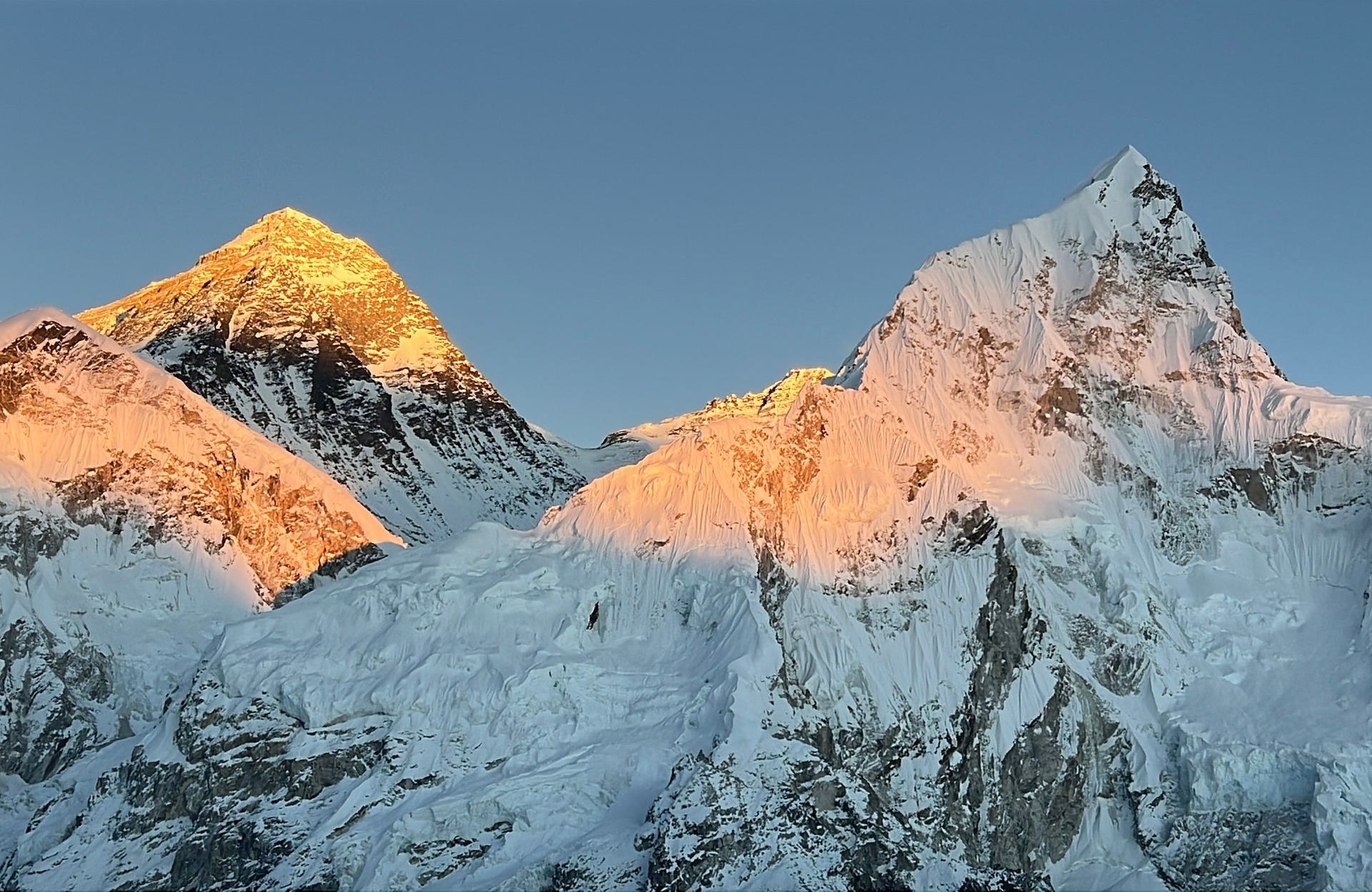
The trek offers stunning panoramic views of Everest, Lhotse, Nuptse, and several other peaks in the region. Along the way, trekkers will visit iconic locations like Namche Bazaar, Tengboche Monastery, and the Khumbu Glacier. Despite the challenging altitude, the route is well-trodden, and the opportunity to experience Sherpa culture is an unforgettable part of the journey.
Annapurna Circuit Trek The Best Trekking Routes in Nepal
Duration: 15-18 days The Best Trekking Routes in Nepal
Difficulty: Moderate The Best Trekking Routes in Nepal
Highlights: Thorong La Pass, Annapurna range, diverse landscapes, cultural immersion.
The Annapurna Circuit trek is often called the “world’s best trekking circuit.” This classic route takes trekkers through a diverse range of landscapes, from subtropical forests to high-altitude deserts. One of the main highlights of the Annapurna Circuit is the Thorong La Pass, which sits at 5,416 meters (17,769 feet) above sea level and provides panoramic views of the surrounding peaks. The Best Trekking Routes in Nepal
The trek passes through vibrant villages such as Manang and Muktinath, where trekkers can experience a blend of Hindu and Buddhist cultures. The Annapurna range, including Annapurna I, Machapuchare (Fishtail), and Dhaulagiri, offers some of the most stunning views in Nepal. The Best Trekking Routes in Nepal
The Annapurna Circuit is a fantastic choice for trekkers who want a combination of scenic beauty, cultural immersion, and a physically challenging yet rewarding trek.
Manaslu Circuit Trek: The Best Trekking Routes in Nepal
Duration: 14-16 days The Best Trekking Routes in Nepal
Difficulty: Challenging The Best Trekking Routes in Nepal
Highlights: Remote villages, stunning views of Mount Manaslu, Larkya La Pass.
The Manaslu Circuit trek is one of Nepal’s hidden gems, offering a more off-the-beaten-path experience compared to more popular routes like the Everest or Annapurna treks. The trek takes you through remote villages where you can experience authentic rural Nepali life, surrounded by stunning views of the Manaslu range. The Best Trekking Routes in Nepal
One of the toughest challenges on the Manaslu trek is crossing the Larkya La Pass, located at 5,160 meters (16,929 feet). However, the rewards are immense: trekkers are treated to magnificent views of Mount Manaslu (8,163 meters), the eighth-highest peak in the world. The trek also provides the chance to visit the unique Tsum Valley, known for its Tibetan culture and ancient monasteries.
Langtang Valley Trek The Best Trekking Routes in Nepal
Duration: 7-10 days The Best Trekking Routes in Nepa
Difficulty: Moderate The Best Trekking Routes in Nepal
Highlights: Langtang National Park, Tamang culture, views of Langtang Lirung, Kyanjin Gompa.
The Langtang Valley trek is one of Nepal’s shorter treks, making it an excellent choice for those with limited time but still looking for a spectacular trekking experience. Located just north of Kathmandu, the Langtang Valley offers incredible views of Langtang Lirung and the surrounding peaks.
The route takes you through Langtang National Park, home to a diverse range of wildlife, including red pandas, musk deer, and Himalayan tahr. Along the way, trekkers can explore Tamang villages and experience the region’s distinct Buddhist culture. The trek culminates in a visit to Kyanjin Gompa, an ancient monastery located at the foot of towering mountains, offering trekkers a peaceful retreat in nature.
Upper Mustang Trek The Best Trekking Routes in Nepal
Duration: 12-16 days The Best Trekking Routes in Nepal
Difficulty: Moderate The Best Trekking Routes in Nepal
Highlights: Forbidden Kingdom, Tibetan culture, Lo Manthang, rugged landscapes.
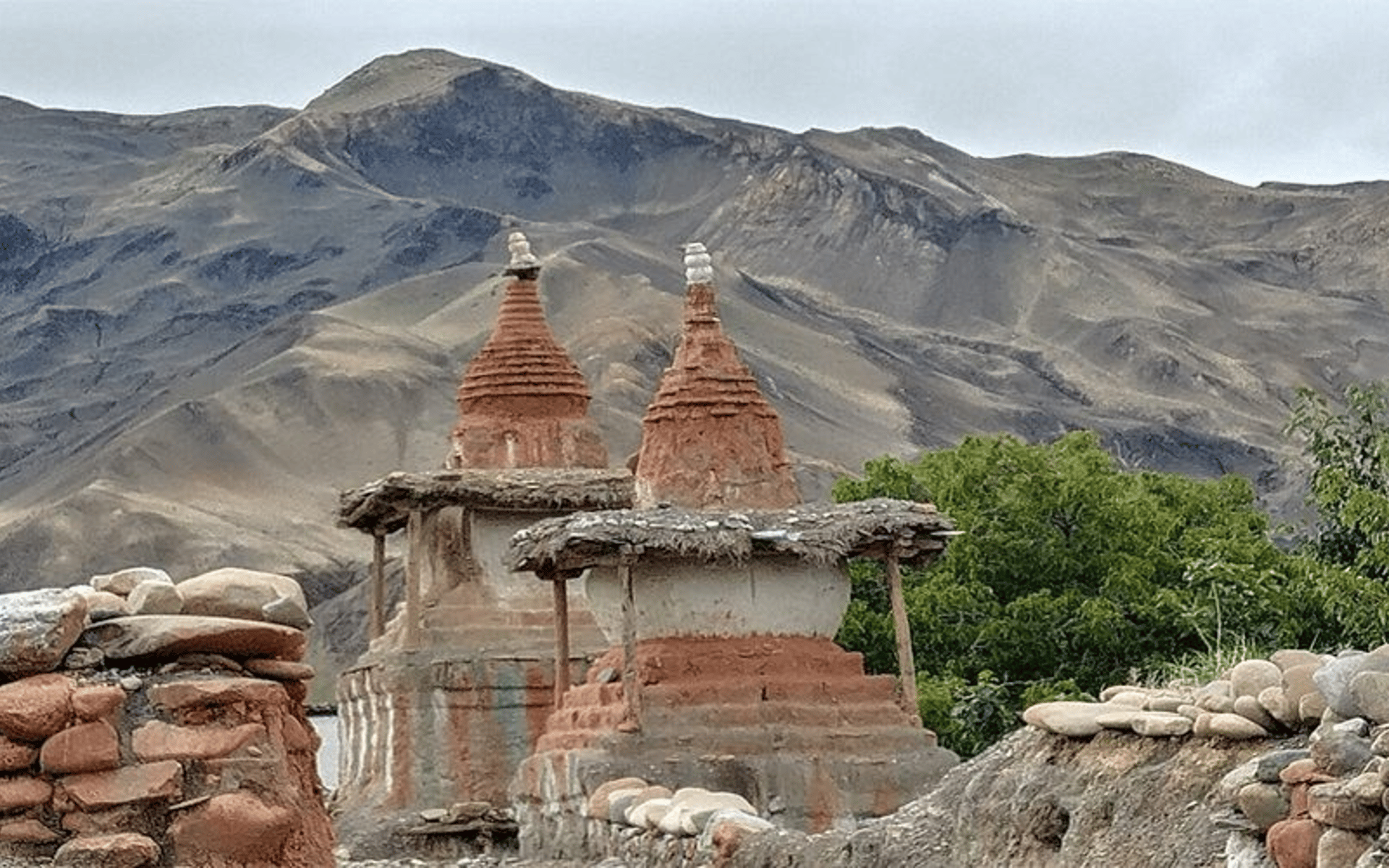
The Upper Mustang trek is one of the most unique and culturally rich treks in Nepal. Situated in the rain-shadowed region of Mustang, this trek takes trekkers into the “Forbidden Kingdom,” a hidden world influenced by Tibetan culture. The trek offers a fascinating glimpse into the ancient kingdom of Lo Manthang, which was once a part of Tibet but has maintained its own unique identity for centuries.
The landscapes in Upper Mustang are otherworldly—high desert terrain, eroded cliffs, and vast barren valleys. The area is home to ancient Tibetan Buddhist monasteries, chortens, and prayer flags. This trek is perfect for those seeking an authentic and remote trekking experience in one of Nepal’s most magical regions. The Best Trekking Routes in Ne pal
Mera Peak Climbing (Climbing) The Best Trekking Routes in Nepal
Duration: 16-18 days The Best Trekking Routes in Nepal
Difficulty: Challenging The Best Trekking Routes in Nepal
Highlights: Mera Peak summit (6,476 meters), panoramic Himalayan views, adventure climbing.
For those seeking to push their limits, the Mera Peak climbing offers a chance to summit one of the highest trekking peaks in Nepal. Standing at 6,476 meters (21,246 feet), Mera Peak offers trekkers the opportunity to experience high-altitude climbing without the technical difficulties of a full-fledged mountaineering expedition. The Best Trekking Routes in Nepal
The route offers stunning views of the Everest, Makalu, and Kanchenjunga ranges, and trekkers are guided by professional climbing instructors to ensure safety. While physically demanding, Mera Peak is a rewarding challenge for those with the right preparation.
Preparing for Trekking in Nepal Preparing for Trekking in Nepal
Preparing for a trek in Nepal requires more than just packing your bags. To ensure you have an enjoyable and safe experience, it’s important to be physically ready, have the right gear, and be aware of necessary logistics like permits and visas. Here’s a comprehensive guide to help you get ready for your adventure in the Himalayas: Preparing for Trekking in Nepal Preparing for Trekking in Nepal
Physical Preparation Preparing for Trekking in Nepal Preparing for Trekking in Nepal
Trekking in Nepal can be physically demanding, especially at higher altitudes, so physical preparation is crucial. While some treks, like the Langtang Valley trek, may be suitable for beginners, others, like the Annapurna Circuit or Everest Base Camp trek, require better fitness levels. Here’s how to prepare:
- Cardiovascular Fitness: Walking, hiking, cycling, or running are great ways to build stamina. Aim for 30-60 minutes of cardio exercises, 4-5 days a week, for at least 8 weeks before your trek.
- Leg Strength: Trekking involves a lot of uphill and downhill walking, so strengthening your legs is important. Include squats, lunges, and step-ups in your workout routine.
- Endurance: It’s essential to get your body accustomed to walking long distances. Try long hikes or walks with a weighted backpack to simulate the trekking experience.
- Altitude Training: If you have the opportunity, practice at high altitudes or use a stair machine to simulate uphill walking. However, many trekkers do well simply by gradually acclimatizing during their trek in Nepal. Preparing for Trekking in Nepal
Packing the Right Gear Preparing for Trekking in Nepal
Packing for trekking in Nepal is a balance of ensuring you have everything you need without overloading your backpack. Here’s a checklist of essential items: Preparing for Trekking in Nepal
- Trekking Boots: Invest in a good pair of waterproof, supportive trekking boots. Make sure they are broken in before your trek to avoid blisters.
- Clothing: Layering is key. Start with a moisture-wicking base layer, followed by an insulating layer, and finish with a waterproof jacket. Don’t forget gloves, a hat, and socks.
- Sleeping Bag: If you’re doing a teahouse trek, a sleeping bag rated to -10°C or colder is a good idea, as temperatures at night can drop significantly.
- Daypack: A small daypack is essential for carrying water, snacks, a camera, and any personal items you’ll need during the day.
- Water Purification: Bring a water bottle or hydration system with a filtration system or purification tablets. Staying hydrated is crucial at high altitudes.
- Headlamp: A headlamp is necessary for evening walks and power outages in remote regions.
- Sunscreen and Sunglasses: The sun can be intense in the mountains, so protect your skin and eyes.
- First Aid Kit: Include basic medications for headaches, altitude sickness, and blisters, as well as any personal medications you may need.
Trekking Permits and Visa Preparing for Trekking in Nepal
All trekkers in Nepal require a Trekking Permit for most routes, which can be easily obtained in Kathmandu or at the start of the trek. Some of the main trekking permits include:
TIMS (Trekking Information Management System) Card: This is a mandatory permit for trekking in most regions of Nepal.
Sagarmatha National Park Permit: Required for trekking in the Everest region.
Annapurna Conservation Area Permit (ACAP): Required for trekking in the Annapurna region.
Manaslu Permit: Special trekking permits are required for the Manaslu Circuit trek and some other restricted areas. Preparing for Trekking in Nepal
As for visas, most trekkers can obtain a Tourist Visa on Arrival at Kathmandu’s Tribhuvan International Airport. Make sure your passport is valid for at least 6 months from your planned arrival date.
Mental and Emotional Preparation Preparing for Trekking in Nepal
Trekking in Nepal can be a transformative experience, but it can also be mentally challenging. Prepare yourself for: Preparing for Trekking in Nepal
Altitude Challenges: Even if you’re fit, altitude sickness can affect anyone. Be mentally prepared to take it slow, stay hydrated, and give your body time to acclimatize.
Weather Conditions: The weather can be unpredictable, with sudden changes in temperature and conditions. Stay flexible in your plans and be prepared to face some discomfort.
Cultural Sensitivity: Nepal is a culturally rich country, and it’s important to respect local customs, especially when passing through remote villages. Learn a few words in Nepali and be mindful of local traditions.
Choosing the Right Trekking Company Preparing for Trekking in Nepal
Selecting the right trekking company is essential to ensure you have a safe, comfortable, and enjoyable experience. At Touch The Himalaya Treks, we focus on safety, responsible tourism, and delivering an unforgettable trekking experience. Here are some factors to consider when choosing a trekking company:
Experienced Guides and Porters: A knowledgeable guide can enhance your trekking experience, providing insight into the culture, geography, and history of the region.
Safety Measures: Make sure the company prioritizes your safety, with well-maintained gear, medical support, and emergency evacuation plans in place.
Group Size and Itinerary: Some trekkers prefer the social aspect of group trekking, while others prefer a more private experience. Choose an itinerary that matches your pace and interests.
The Best Time to Trek in Nepal The Best Time to Trek in Nepal
Choosing the Right time to trek in Nepal is crucial for ensuring an enjoyable and safe experience. The weather in the Himalayas can be unpredictable, and trekking during the wrong season can lead to harsh conditions, difficult travel, or even health risks. While trekking is possible throughout the year, there are specific seasons that offer the best conditions for hiking in the Nepalese mountains. Here’s a breakdown of the best time to trek in Nepal: The Best Time to Trek in Nepal
Autumn: September to November (Peak Trekking Season) The Best Time to Trek in Nepal
Weather: Clear skies, moderate temperatures, and low rainfall make autumn the best time to trek in Nepal. The monsoon season, which lasts from June to August, ends in late September, leaving the air fresh and the trails lush.
Ideal Treks: Most trekking routes, including the Everest Base Camp, Annapurna Circuit, and Langtang Valley, are perfect during autumn. The weather at higher altitudes is generally stable, and trekking conditions are ideal for long days on the trail.
Crowds: Autumn is considered peak trekking season, so expect more trekkers on popular routes. While this means more social opportunities, it’s also important to book accommodations and permits well in advance.
Spring: March to May (Another Great Trekking Season) The Best Time to Trek in Ne pal
Weather: Spring in Nepal brings warmer temperatures, especially at lower altitudes, and clear skies. The days are longer, allowing for more trekking hours, and the nights are chilly but manageable.
Flora: Spring is the season when Nepal’s flora is in full bloom. The hillsides are covered with vibrant rhododendron flowers, adding an extra layer of beauty to the already stunning landscapes.
Crowds: Like autumn, spring is a popular season for trekking, so trails may be crowded, and it’s advisable to book your trek well in advance.
Ideal Treks: Spring is another excellent time for trekking in the Everest, Annapurna, and Langtang regions, as well as treks like Mera Peak and Manaslu. The warm weather makes it an ideal time for treks at lower altitudes, though higher treks may still see snow at the highest points.
Winter: December to February (Off-Season Trekking) The Best Time to Trek in Nepal
Weather: Winter brings cold temperatures, especially at higher altitudes, where temperatures can drop well below freezing. The days are shorter, and some higher altitude treks may be closed due to snow or harsh weather conditions.
Ideal Treks: Winter trekking is best suited for routes at lower altitudes, such as the Poon Hill trek or Ghorepani trek. These treks remain accessible during winter as the weather is relatively mild at lower elevations.
Challenges: The cold can be a significant challenge, particularly at higher altitudes. It’s important to acclimatize properly and be prepared for extreme conditions if venturing into higher regions.
Crowds: Since winter is the off-season, the trails are much less crowded, allowing for a more peaceful trekking experience. However, the cold weather can be challenging, so it’s important to have the right gear, including insulated clothing and sleeping bags.
Monsoon: June to August (Avoidable Season) The Best Time to Trek in Nepal
Weather: The monsoon season in Nepal brings heavy rainfall, making trekking difficult and risky in many regions. Trails can be slippery, and the high humidity can make the trekking experience uncomfortable.
Ideal Treks: While most of the popular trekking routes are best avoided during the monsoon, the Upper Mustang and Dolpo regions remain relatively dry due to their location in the rain shadow of the Himalayas. These areas offer excellent trekking options during the monsoon season.
Challenges: The risk of landslides, swollen rivers, and poor visibility due to rain and fog can make trekking in the monsoon challenging and unsafe. Therefore, unless you’re trekking in specific regions, it’s best to avoid this season.
Considerations for Choosing Your Trekking Season
Altitude: The higher you go, the colder the weather, even in the best trekking seasons. If you plan to trek at higher altitudes, such as Everest Base Camp or Annapurna Circuit, autumn and spring are ideal for avoiding extreme weather conditions.
Crowds: Autumn and spring are the peak seasons, which means more tourists and potentially crowded trails and accommodations. If you prefer a quieter trek, consider trekking during the winter or monsoon (for certain regions).
Safety: Always consider the weather, your personal fitness level, and experience when deciding on the best time to trek. For higher altitudes, proper acclimatization and readiness for cold weather are crucial.
Popular Trekking Routes in Nepal Popular Trekking Routes in Nepal
Nepal is home to a diverse range of trekking routes, from beginner-friendly hikes to challenging mountain expeditions. Whether you’re seeking panoramic views of the Himalayas, cultural insights, or a deep connection with nature, there’s a trek in Nepal for everyone. Here’s an overview of some of the most popular trekking routes in Nepal, each offering its own unique experience:
Everest Base Camp Trek (12-14 Days) Popular Trekking Routes in Nepal
Overview: The Everest Base Camp trek is one of the most iconic trekking routes in the world. It takes trekkers through the heart of the Khumbu region, offering breathtaking views of Mount Everest, Lhotse, Nuptse, and Ama Dablam. Along the way, trekkers pass through Sherpa villages, monasteries, and the Sagarmatha National Park, a UNESCO World Heritage Site.
Best Time to Trek: Autumn (September-November) and Spring (March-May).
Difficulty Level: Moderate to Challenging. The trek reaches an altitude of 5,364 meters (17,598 feet) at Everest Base Camp, so acclimatization is key to preventing altitude sickness.
Highlights: Stunning mountain views, the famous Namche Bazaar, Tengboche Monastery, and the opportunity to interact with Sherpa culture.
Annapurna Circuit Trek (15-20 Days) Popular Trekking Routes in Nepal
Overview: The Annapurna Circuit is considered one of the best treks in the world due to its diverse landscapes, from subtropical forests to high mountain deserts. The route circles the Annapurna Massif, crossing the Thorong La Pass (5,416 meters/17,769 feet), one of the highest trekking passes in the world. Trekkers also pass through charming villages and lush valleys.
- Difficulty Level: Moderate to Challenging. The trek involves high altitudes, but gradual acclimatization helps minimize the risk of altitude sickness.
- Best Time to Trek: Autumn (September-November) and Spring (March-May).
- Highlights: Panoramic mountain views, diverse ecosystems, visits to traditional Manang and Mustang villages, and the famous Thorong La Pass.
Langtang Valley Trek (7-10 Days) Popular Trekking Routes in Nepal
Overview: The Langtang Valley trek is one of the most accessible treks from Kathmandu, offering incredible views of Langtang Lirung and other peaks of the Langtang Himal range. The route takes you through dense forests, quaint villages, and Buddhist monasteries, providing a deeper insight into Tibetan culture.
- Difficulty Level: Moderate. The trek’s highest point is Kyanjin Ri at 4,773 meters (15,662 feet), so altitude sickness is generally less of a concern.
- Best Time to Trek: Autumn (September-November) and Spring (March-May).
- Highlights: Views of Langtang Lirung, traditional Tibetan villages, the Kyanjin Gompa, and the beautiful Langtang National Park.
Ghorepani Poon Hill Trek (5-7 Days) Popular Trekking Routes in Nepal
Overview: The Ghorepani Poon Hill trek is a perfect option for trekkers who are short on time or looking for a less challenging trek. Located in the Annapurna region, this trek is famous for the sunrise view from Poon Hill, offering panoramic vistas of Annapurna, Machapuchare, and Dhaulagiri.
- Difficulty Level: Easy to Moderate. This trek is ideal for beginner trekkers, families, or those looking for a short escape in the mountains.
- Best Time to Trek: Autumn (September-November) and Spring (March-May).
- Highlights: Sunrise views from Poon Hill, the vibrant villages of Ghorepani and Tadapani, and beautiful rhododendron forests.
Upper Mustang Trek (12-14 Days) Popular Trekking Routes in Nepal
Overview: Upper Mustang is a unique trekking destination located in the rain-shadowed region of Nepal, making it a year-round trek. Known as the “Last Forbidden Kingdom,” Upper Mustang offers an ancient Tibetan culture and dramatic desert landscapes. The trek takes you to the remote town of Lo Manthang, where you can explore centuries-old monasteries and palaces.
- Difficulty Level: Moderate to Challenging. Due to the remote location and altitude, trekkers should be prepared for a more rugged experience.
- Best Time to Trek: Spring (March-May) and Autumn (September-November).
- Highlights: Tibetan culture, ancient monasteries, Lo Manthang, and the dramatic landscape of Upper Mustang.
Manaslu Circuit Trek (14-18 Days) Popular Trekking Routes in Nepal
Overview: The Manaslu Circuit is an off-the-beaten-path trek that takes you around Mount Manaslu, the eighth-highest peak in the world. The trek offers pristine mountain scenery, cultural encounters with Tibetan communities, and the challenge of crossing the Larkya La Pass (5,160 meters/16,929 feet).
- Difficulty Level: Challenging. The trek is long, and the altitude can be demanding, but the route is less crowded compared to more popular treks like Everest and Annapurna.
- Best Time to Trek: Autumn (September-November) and Spring (March-May).
- Highlights: Views of Mount Manaslu, the remote Tibetan villages, and crossing the Larkya La Pass.
Mardi Himal Trek (5-7 Days) Popular Trekking Routes in Nepal
Overview: The Mardi Himal trek is a relatively new and lesser-known trek in the Annapurna region. It offers stunning views of the Annapurna Range, Machapuchare, and Mardi Himal itself, with fewer trekkers on the trail compared to the Annapurna Circuit. The trek is ideal for those seeking a peaceful, scenic, and relatively short hike.
- Difficulty Level: Moderate. The trek reaches an altitude of 4,500 meters (14,764 feet) at Mardi Himal Base Camp. Popular Trekking Routes in Nepal
- Best Time to Trek: Autumn (September-November) and Spring (March-May).
- Highlights: Panoramic mountain views, beautiful forests, and the quieter Mardi Himal Base Camp.
Trekking Permits and Regulations in Nepal
Trekking in Nepal is a unique and unforgettable experience, but it’s important to be aware of the necessary permits and regulations to ensure a smooth and legal journey. Different trekking regions in Nepal require different permits, and following these regulations is not only crucial for your safety but also for preserving Nepal’s natural environment. Here’s an overview of the essential permits and regulations you should know before embarking on a trek in Nepal:
TIMS Card (Trekkers’ Information Management System Card)
- Overview: The TIMS card is a mandatory trekking permit for all trekkers in Nepal. It was introduced to ensure the safety and security of trekkers, and to help the authorities manage and track the movement of trekkers in remote areas.
- Types: There are two types of TIMS cards:
- Individual TIMS Card: For independent trekkers.
- Group TIMS Card: For trekkers going with a licensed trekking agency.
- Where to Obtain: TIMS cards can be obtained from the Nepal Tourism Board (NTB) in Kathmandu or Pokhara, or from trekking agencies.
- Cost: The cost varies depending on whether you are trekking in restricted or non-restricted regions.
National Park Permits Popular Trekking Routes in Nepal
Many trekking routes in Nepal pass through national parks, which require trekkers to obtain park-specific permits. The most common permits include:
Sagarmatha National Park Permit: Required for treks in the Everest region. This permit costs around NPR 3,000 for foreigners.
Annapurna Conservation Area Permit (ACAP): Required for treks in the Annapurna region. The cost is NPR 2,000 for foreigners.
Langtang National Park Permit: Required for treks in the Langtang region, costing around NPR 3,000 for foreigners.
Manaslu Conservation Area Permit (MCAP): Required for treks in the Manaslu region, typically costing NPR 2,000 for foreigners.
Additional Permits for Restricted Areas: Some regions, such as Upper Mustang, Dolpo, and Kanchenjunga, require special permits due to their remote and restricted status. These permits are more expensive and require trekking with a licensed guide.
Restricted Area Permits
Certain regions in Nepal are considered restricted areas due to cultural, environmental, or political reasons. To trek in these regions, trekkers must obtain special permits, which can be costly and time-consuming. Popular restricted areas include:
Upper Mustang: A unique trekking destination with a rich Tibetan culture, requiring a special permit that costs approximately USD 500 for 10 days.
Upper Dolpo: Known for its remote, pristine landscapes, this area requires a permit costing around USD 500 for 10 days.
Kanchenjunga: The third-highest peak in the world, this region requires a restricted area permit costing USD 40 for first for two week per person.
Guidelines for Trekkers
To ensure that trekking in Nepal is safe and sustainable, trekkers should adhere to the following guidelines:
Respect Local Culture: Nepal is a culturally rich country, and trekkers should respect the local traditions, customs, and religious beliefs. Always seek permission before taking photographs, especially of people and religious sites.
Keep the Environment Clean: Nepal’s natural beauty is one of its main attractions. Trekkers should practice Leave No Trace principles, disposing of waste responsibly and minimizing their environmental impact.
Altitude Awareness: Trekking in high-altitude regions carries risks of altitude sickness. Trekkers should take proper precautions, including acclimatization days, hydration, and avoiding rapid ascents.
Trekking with a Licensed Guide: While not mandatory for all treks, hiring a licensed guide is highly recommended for remote and challenging treks. Guides help with navigation, communication, and ensuring trekkers’ safety. For restricted areas, a guide is compulsory.
Where to Obtain Permits
Permits can be obtained in Kathmandu, Pokhara, or at the entry points of specific trekking regions. Trekking agencies in Nepal also assist in obtaining all necessary permits as part of their service package, simplifying the process for trekkers.
Insurance and Health Requirements
While permits and regulations are crucial, Trekking Insurance is also an essential consideration. Trekkers should have travel insurance that covers medical emergencies, including evacuation, and high-altitude trekking. It’s important to check that the insurance covers the region and altitude you’ll be trekking in.
Essential Trekking Gear and Packing Tips
Proper preparation and the right gear are crucial to ensuring a comfortable and successful trekking experience in Nepal. Whether you are trekking through the Himalayas or exploring lower-altitude regions, packing smartly is essential to your safety, comfort, and enjoyment. Here’s a comprehensive list of essential trekking gear and packing tips for your adventure in Nepal:
Trekking Clothing
- Base Layer: A moisture-wicking base layer is crucial for regulating body temperature and keeping you dry during long treks. Opt for thermal or merino wool tops and bottoms.
- Mid Layer: A fleece jacket or down sweater is ideal for warmth in the colder months, especially at higher altitudes. This will serve as an insulating layer.
- Outer Layer (Jacket): A waterproof and windproof jacket is essential for protection against rain and strong winds. Look for jackets made with breathable materials such as Gore-Tex to avoid overheating.
- Trekking Pants: Choose lightweight, quick-drying pants that provide comfort and flexibility. Convertible pants (which turn into shorts) are also a good option.
- Trekking Shirt: Lightweight, long-sleeve shirts are great for sun protection and can help prevent bug bites. Avoid cotton, as it retains moisture.
- Hat and Gloves: A lightweight hat will protect you from the sun, while a warm hat and gloves are necessary for colder regions. Mittens are often better than gloves at high altitudes for warmth.
- Trekking Socks: Invest in high-quality wool or synthetic trekking socks to prevent blisters and keep your feet dry. Always carry an extra pair or two.
Footwear
Trekking Boots: Comfortable and supportive trekking boots are essential for all kinds of treks in Nepal. Choose boots with good ankle support and tread for a secure grip on uneven terrain. Waterproof boots are a good choice in case of rain or snow.
Camp Shoes: A pair of lightweight sandals or shoes are perfect for relaxing at camp after a long day of trekking.
Sleeping Gear
Sleeping Bag: Depending on the altitude, temperatures can drop below freezing, so a high-quality, 4-season sleeping bag is necessary. Make sure your bag is rated for the temperatures of your trek.
Sleeping Pad: A lightweight, inflatable sleeping pad will provide insulation and comfort on uneven or hard surfaces.
Trekking Backpack
Daypack: A small daypack (25-30 liters) is ideal for carrying your essentials during the trek, such as water, snacks, camera, and extra layers.
Large Backpack: For multi-day treks, a larger backpack (40-60 liters) is necessary for carrying all your gear. Make sure your backpack is comfortable, with padded straps and proper ventilation.
Water and Hydration
Water Bottles/Bladders: Staying hydrated is crucial during trekking, especially in higher altitudes. Carry a 1-2 liter water bottle or a hydration bladder. Some trekkers prefer the bladder system for easy drinking while trekking.
Water Purification: Purifying your water is essential in Nepal. Carry water purification tablets, a Steripen, or a portable filter to ensure your water is safe to drink.
Food and Snacks
Energy Snacks: High-energy snacks like nuts, energy bars, trail mix, and chocolate are ideal for refueling during your trek.
Meals: Depending on your trek, you may opt for pre-packaged meals, but most trekking routes have guesthouses that serve simple but nutritious food.
Trekking Poles
Trekking Poles: Trekking poles are a valuable addition, especially for difficult terrains. They reduce the strain on your knees during ascents and descents and provide extra stability on rocky or uneven paths.
Personal Care and First Aid
- Sunscreen: The sun can be intense at high altitudes, so make sure to apply sunscreen with a high SPF regularly.
- Lip Balm: Protect your lips from windburn and sun exposure by carrying a moisturizing lip balm.
- Toiletries: Pack essentials like toothpaste, biodegradable soap, wet wipes, and toilet paper. Some treks may have limited facilities, so wet wipes and hand sanitizers are helpful.
- First Aid Kit: A small, personal first aid kit with band-aids, antiseptic ointment, blister pads, pain relievers, and any personal medications you may need is essential.
Electronics
- Headlamp or Flashlight: A headlamp is preferable for trekking, as it keeps your hands free. Don’t forget extra batteries.
- Camera and Extra Batteries: Nepal is full of stunning views, so don’t forget your camera. Extra batteries and memory cards are essential, as charging points can be limited on remote treks.
- Power Bank: A portable power bank is useful for keeping your electronics charged, especially on longer treks.
10. Miscellaneous Items
Map and Guidebook: A map and guidebook are helpful for navigating trekking routes, especially in less developed areas.
Trekking Permit: Always carry a copy of your trekking permits and passport with you.
Cash: While larger towns like Kathmandu and Pokhara have ATMs, it’s advisable to carry cash in small denominations for the duration of your trek, especially in remote areas where ATMs may not be available.
Packing the right gear is vital for your trekking experience in Nepal. While trekking in Nepal is generally accessible, being well-prepared ensures that you can focus on enjoying the natural beauty and cultural richness without being held back by discomfort or avoidable risks.
Tips for a Safe and Enjoyable Trekking Experience in Nepal
Trekking in Nepal offers unparalleled natural beauty, cultural immersion, and the chance to push personal boundaries. However, the challenges of the terrain, altitude, and unpredictable weather require trekkers to be prepared and responsible. Here are some essential tips to help you have a safe, enjoyable, and memorable trekking experience in Nepal:
1. Stay Hydrated and Drink Safe Water
Hydration is Key: At high altitudes, dehydration can worsen altitude sickness and reduce your energy levels. Drink plenty of water throughout the day. Aim for 3-4 liters per day, depending on the altitude and weather conditions.
Purify Your Water: Always purify water before drinking. Carry water purification tablets, a portable filter, or use a Steripen to ensure your water is safe to drink.
2. Acclimatize to Avoid Altitude Sickness
Gradual Ascent: Altitude sickness occurs when you ascend too quickly without giving your body enough time to adjust to the lower levels of oxygen. Make sure to follow the general rule of acclimatization: gain altitude gradually and take rest days every 1,000 meters.
Signs of Altitude Sickness: Be aware of symptoms such as dizziness, headaches, nausea, or shortness of breath. If symptoms persist, it’s important to descend to a lower altitude immediately. Don’t ignore altitude sickness, as it can be life-threatening if left untreated.
3. Know Your Limits
Listen to Your Body: Nepal’s trekking routes can be physically demanding. It’s essential to know your limits and avoid pushing yourself too hard. Take regular breaks, and if you’re feeling tired or unwell, don’t hesitate to slow down or take a day off.
Avoid Overexertion: Especially on longer treks, pace yourself and avoid pushing your body to the point of exhaustion. This ensures you have energy throughout the trek and helps to avoid injury.
4. Respect Local Culture and Environment
- Cultural Sensitivity: Nepal is home to many ethnic groups and diverse cultures. Respect local customs, traditions, and religious practices. Always ask before taking photos, especially of people or religious ceremonies.
- Respect Nature: Trekking in Nepal often means experiencing pristine natural landscapes. Help preserve the environment by sticking to designated trails, disposing of your trash responsibly, and avoiding damage to flora and fauna.
5. Prepare for Weather Conditions
- Check Weather Forecasts: Weather in the Himalayas can change rapidly, so always check the weather forecast before heading out. Prepare for sudden rainstorms, snow, or cold weather by packing appropriate gear.
- Layering: Use the layering system for your clothing. This allows you to adjust your clothing to your activity level and the changing weather conditions throughout the day. Layers include a moisture-wicking base layer, an insulating mid-layer, and a waterproof outer layer.
6. Trek with a Guide or Porter
- Hire a Guide: While it’s possible to trek alone, hiring a licensed guide can enhance your experience by offering local knowledge, and cultural insights, and ensuring your safety. A guide can also help with navigation and support in case of emergency.
- Porters: For multi-day treks, hiring a porter to carry your heavy gear can significantly reduce your physical burden and allow you to enjoy the trek with greater ease.
7. Stay Connected and Share Your Itinerary
- Keep in Touch: While trekking in remote areas of Nepal, it’s important to stay connected with someone back home. Share your trekking itinerary, accommodation details, and estimated return time with a friend or family member.
- Use a Local SIM Card: If you need a reliable means of communication, consider buying a local SIM card in Nepal. Mobile service is available in most trekking areas, though coverage may be limited in the most remote locations.
8. Have Travel Insurance
- Insurance is Crucial: While trekking in Nepal is relatively safe, accidents or emergencies can happen, especially at high altitudes. Travel insurance that covers emergency evacuation, medical treatment, and trip cancellation is highly recommended.
- Emergency Evacuation: In case of serious injury or altitude sickness, evacuation may be required. Ensure that your travel insurance covers the cost of a helicopter evacuation, which can be expensive.
9. Follow Responsible Tourism Practices
- Leave No Trace: Practice responsible tourism by minimizing your impact on the environment. Avoid littering and use biodegradable products. Respect wildlife and leave the natural surroundings as you found them.
- Support Local Communities: Support local economies by staying in locally owned guesthouses, purchasing handmade crafts, and hiring local guides or porters. This ensures that the benefits of tourism reach the communities you visit.
Trekking in Nepal is an extraordinary journey that offers both challenges and rewards. By following these tips, you can make your trek safer, more enjoyable, and more respectful of the local culture and environment. With proper preparation, a responsible mindset, and respect for Nepal’s natural beauty, you’ll create unforgettable memories on your Himalayan adventure.
Plan your trip
Treks featured in this story
Keep reading