

Village
Dzongla
जोङ्ला
Dzongla is a tiny settlement of a few lodges below the Cho La, set beneath the north face of Cholatse. Trekkers heading west from Lobuche stay here before crossing the pass to Gokyo. Views across to Ama Dablam and Taboche at sunset are a highlight.
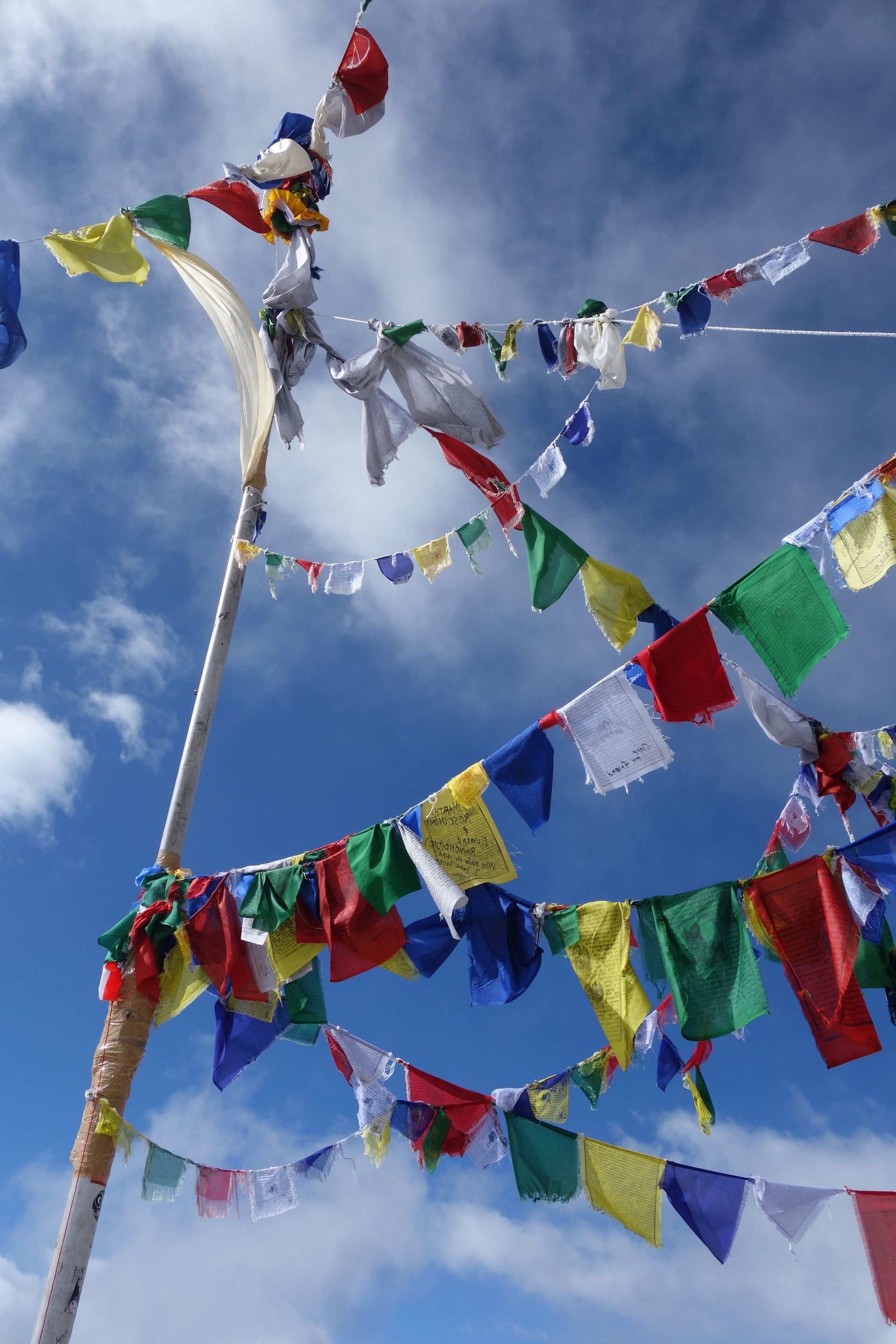
- Elevation: ~4,830 m / 15,846 ft
- Type: Village
- Region: Everest Region
- District: Solukhumbu
- Treks: Everest Three Passes Trek, EBC Gokyo Lakes Trek
About Dzongla
Dzongla (also spelled Dzonglha or Zongla) is a small and peaceful high-altitude settlement in the Khumbu region of Nepal's Everest area. Located at approximately 4,830 metres (15,846 feet) above sea level, it sits beneath the impressive Himalayan peaks of Cholatse and Taboche, surrounded by rocky slopes, alpine pastures and glacial landscapes. Its remote location makes it one of the most scenic overnight stops along the Everest trekking routes.
Dzongla is particularly important for trekkers following the Everest Three Passes Trek and the combined Everest Base Camp and Gokyo Lakes route. It serves as a resting point before crossing Cho La Pass towards Thagnak and the Gokyo Valley. Unlike busy trekking settlements such as Namche Bazaar and Lobuche, Dzongla has a quiet atmosphere, a handful of basic tea houses and magnificent views of the surrounding mountains.
Location and Altitude
Dzongla is situated in a high alpine valley west of Lobuche, inside Sagarmatha National Park, Solukhumbu District, Koshi Province, Nepal.
- Location: Upper Khumbu, Solukhumbu, Nepal
- Altitude: Approximately 4,830 metres (15,846 feet)
- Province: Koshi Province
- District: Solukhumbu
- Mountain range: Mahalangur Himal
- Nearest major settlement: Lobuche
- Nearby mountain: Cholatse
- Nearby lake: Chola Tsho
- National park: Sagarmatha National Park
- Famous for: Cho La Pass and Everest Three Passes Trek
Treks That Pass Through Dzongla
Dzongla is an important overnight destination on trekking routes connecting the Everest Base Camp region with the Gokyo Valley.
Everest Three Passes Trek: Dzongla is a popular overnight stop before crossing Cho La Pass. Trekkers usually arrive from Lobuche and continue towards Thagnak through the high mountain pass.
Everest Base Camp and Gokyo Lakes Trek: This combined trekking route includes Dzongla as a connecting destination between the Everest Base Camp trail and the Gokyo Valley.
Cho La Pass Trek: Dzongla is commonly used as the eastern starting point for crossing Cho La Pass. Trekkers climb towards the pass before descending to Thagnak on the western side.
Lobuche to Dzongla Trek: This scenic side route branches away from the main Everest Base Camp trail and leads through rocky alpine terrain above Chola Tsho lake.
Gokyo and Everest Circuit: Trekkers completing a wider Khumbu circuit can include Dzongla while exploring the high passes, glaciers and mountain valleys of the Everest region.
The walk from Lobuche to Dzongla generally takes around 2–4 hours, depending on pace, weather and trail conditions.
Tea Houses and Accommodation in Dzongla
Dzongla has a small number of basic tea houses and mountain lodges serving trekkers travelling between Lobuche and Cho La Pass. Accommodation is limited compared with larger villages in the Everest region, but the available lodges provide essential facilities for overnight stays.
Most tea houses offer simple rooms with beds, blankets and shared bathroom facilities. Bedrooms are generally unheated, and temperatures can become extremely cold at night. Dining areas provide meals such as dal bhat, noodles, soups, rice, potatoes and hot drinks.
Some lodges may provide charging facilities and basic internet access, although electricity, Wi-Fi and mobile network coverage can be unreliable. Hot showers may be limited or unavailable.
Trekkers are advised to carry a warm sleeping bag, power bank, headlamp and sufficient personal supplies. During the main spring and autumn trekking seasons, the few available rooms can fill quickly, so arranging accommodation in advance is helpful.
Nature and Landscape of Dzongla
Dzongla is surrounded by a beautiful high-altitude Himalayan landscape dominated by rocky mountain slopes, glacial lakes, alpine pastures and snow-covered peaks. Its location beneath Cholatse and Taboche creates a dramatic natural setting, particularly during clear mornings and evenings.
Cholatse Mountain is one of the most impressive sights around Dzongla. Its steep rocky faces and snow-covered summit rise prominently above the settlement. Taboche and other surrounding peaks add to the spectacular mountain scenery.
The nearby Chola Tsho is a beautiful glacial lake with turquoise water, set among rocky terrain and mountain slopes. The trekking trail between Lobuche and Dzongla offers particularly attractive views of this lake and the surrounding alpine landscape.
The area has very limited vegetation because of its high elevation. The landscape is mainly composed of exposed rocks, gravel, glacial deposits and seasonal grasslands. Yaks and other livestock may be seen grazing in suitable seasons.
Wildlife in the wider Sagarmatha National Park includes Himalayan tahr, musk deer and snow leopard, although sightings around Dzongla are uncommon.
Best Time to Visit Dzongla
The best seasons to visit Dzongla are spring (March to May) and autumn (September to November). These periods generally provide more favourable trekking conditions and excellent mountain visibility.
- Spring (March–May): A popular trekking season with gradually warmer daytime temperatures and clear mountain views. Snow may remain on higher trails.
- Autumn (September–November): Often offers stable weather, clear skies and spectacular views of Cholatse and Taboche.
- Winter (December–February): Very cold temperatures and heavy snowfall can make access difficult. Some tea houses may close.
- Monsoon (June–August): Cloud, rain and seasonal accommodation closures can make travel less convenient.
Spring and autumn are generally the most suitable seasons for visiting Dzongla and crossing Cho La Pass. Weather conditions should always be checked before continuing towards the pass.
Main Attractions in Dzongla
Cholatse Mountain: One of the most striking peaks visible from Dzongla, famous for its steep rocky faces and dramatic Himalayan appearance.
Chola Tsho Lake: A beautiful glacial lake near the trekking trail between Lobuche and Dzongla, surrounded by rocky slopes and mountain scenery.
Cho La Pass: A challenging high-altitude mountain pass connecting the Khumbu Valley with the Gokyo Valley. Dzongla is a popular overnight stop before crossing.
Taboche Mountain: Another impressive Himalayan peak visible from the surrounding valley, adding to the spectacular mountain panorama.
Alpine Pastures: The open high-altitude terrain around Dzongla provides seasonal grazing areas and a peaceful setting for experiencing the natural environment.
Lobuche Village: A nearby trekking settlement that serves as an important stop for visitors travelling towards Everest Base Camp and Kala Patthar.
Mountain Photography: The dramatic views of Cholatse, Taboche and the surrounding glaciers make Dzongla an excellent destination for landscape photography.
Sherpa Culture and Local Life
Dzongla is a small highland settlement associated with the wider Sherpa communities of the Khumbu region. Unlike larger villages such as Namche Bazaar and Thame, it has a limited permanent settlement and functions mainly as a seasonal accommodation stop for trekkers and mountaineers.
The surrounding high-altitude pastures have traditionally supported seasonal livestock grazing, particularly yak herding. Local mountain tourism also plays an important role in the area, with tea houses providing food and accommodation for visitors crossing Cho La Pass.
Although Dzongla is small, visitors can experience the quiet mountain lifestyle of the upper Khumbu, surrounded by traditional Himalayan landscapes and Buddhist cultural influences.
High-Altitude Safety and Acclimatization
At approximately 4,830 metres, Dzongla is a high-altitude destination where proper acclimatization is essential. Trekkers often arrive after spending time in Lobuche or Gorak Shep, but the elevation can still affect sleep, appetite and physical performance.
Visitors should walk slowly, drink sufficient fluids and avoid strenuous activities immediately after arrival. Those preparing to cross Cho La Pass should rest properly and check weather, snow and glacier conditions with an experienced local guide.
Headaches, nausea, dizziness and unusual tiredness can indicate altitude sickness. Serious or worsening symptoms require immediate attention and descent to a lower elevation. Trekkers should never attempt Cho La Pass if they are unwell or if weather conditions are unsafe.
Where is Dzongla?
The exact point on the Himalaya trail, with nearby places for context.
On this map
Nearby places
Pass
Cho La Pass
चो ला
5,420 m
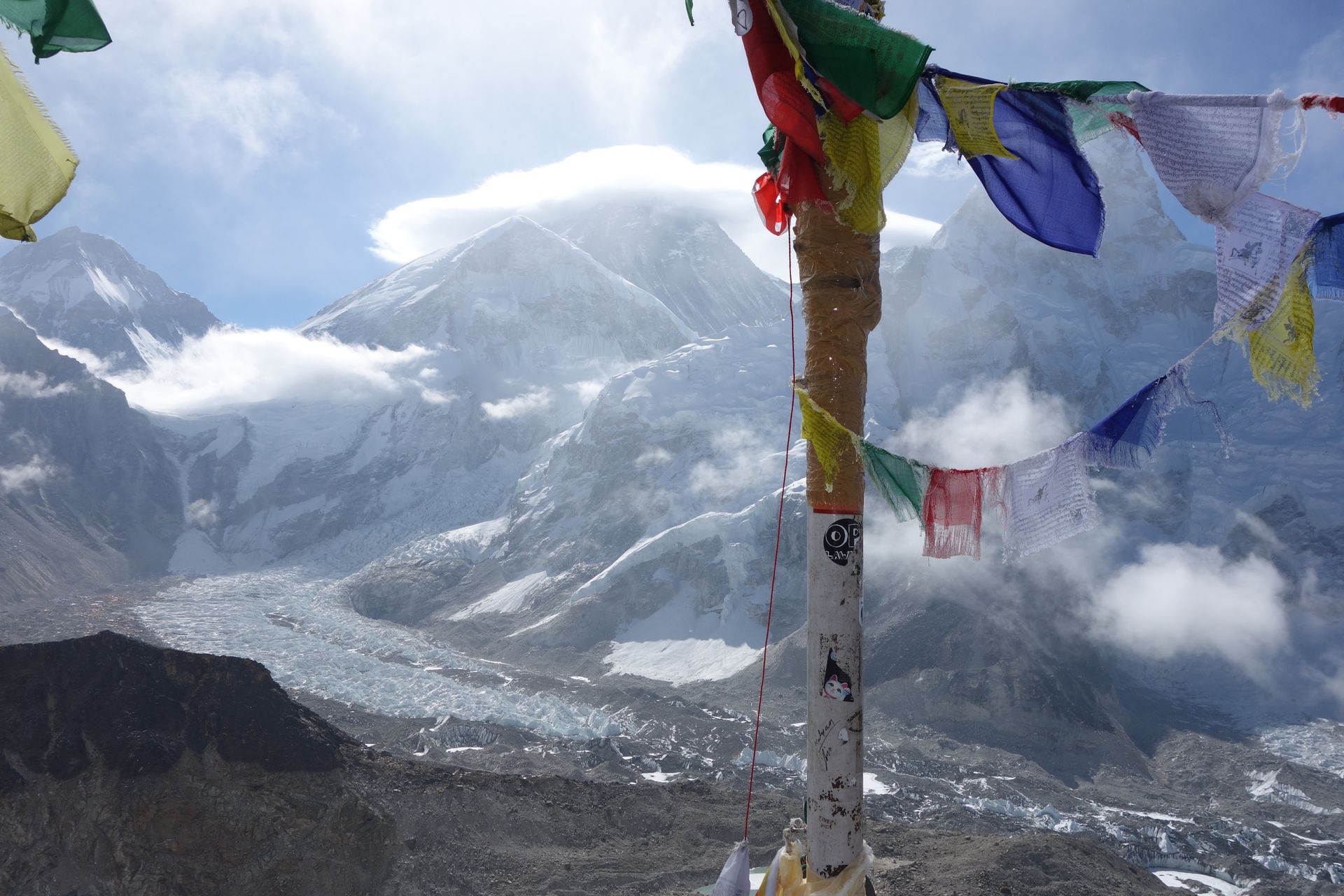
Cho La is the pass connecting the Everest Base Camp valley with the Gokyo valley, crossed between Dzongla and Thagnak. The east side climbs over a small glacier, which can be icy. It is the key link on the Everest Three Passes and EBC Gokyo Lakes treks.
Read place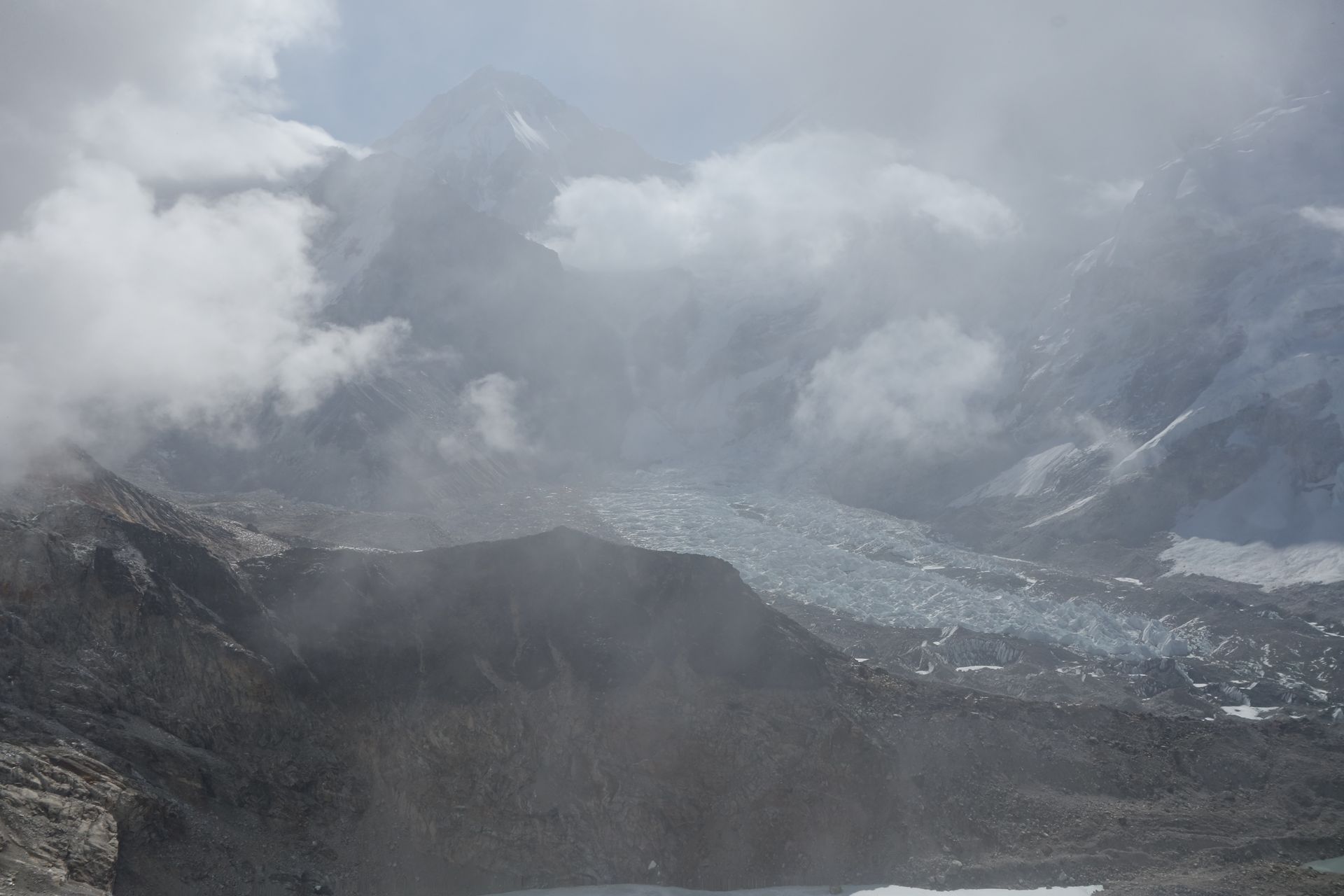
Village
Lobuche
लोबुचे
4,940 m
Lobuche is a cluster of lodges beside the Khumbu Glacier and the last overnight stop before Gorak Shep and Everest Base Camp. Nights here are very cold and many trekkers feel the altitude.
Read place