

Village
Phortse
फोर्चे
Phortse is a quiet Sherpa village on a sunny shelf across the valley from Tengboche, home to the Khumbu Climbing Center that trains local mountain workers. It links the Everest and Gokyo trails. It is a peaceful alternative overnight stop away from the main route.
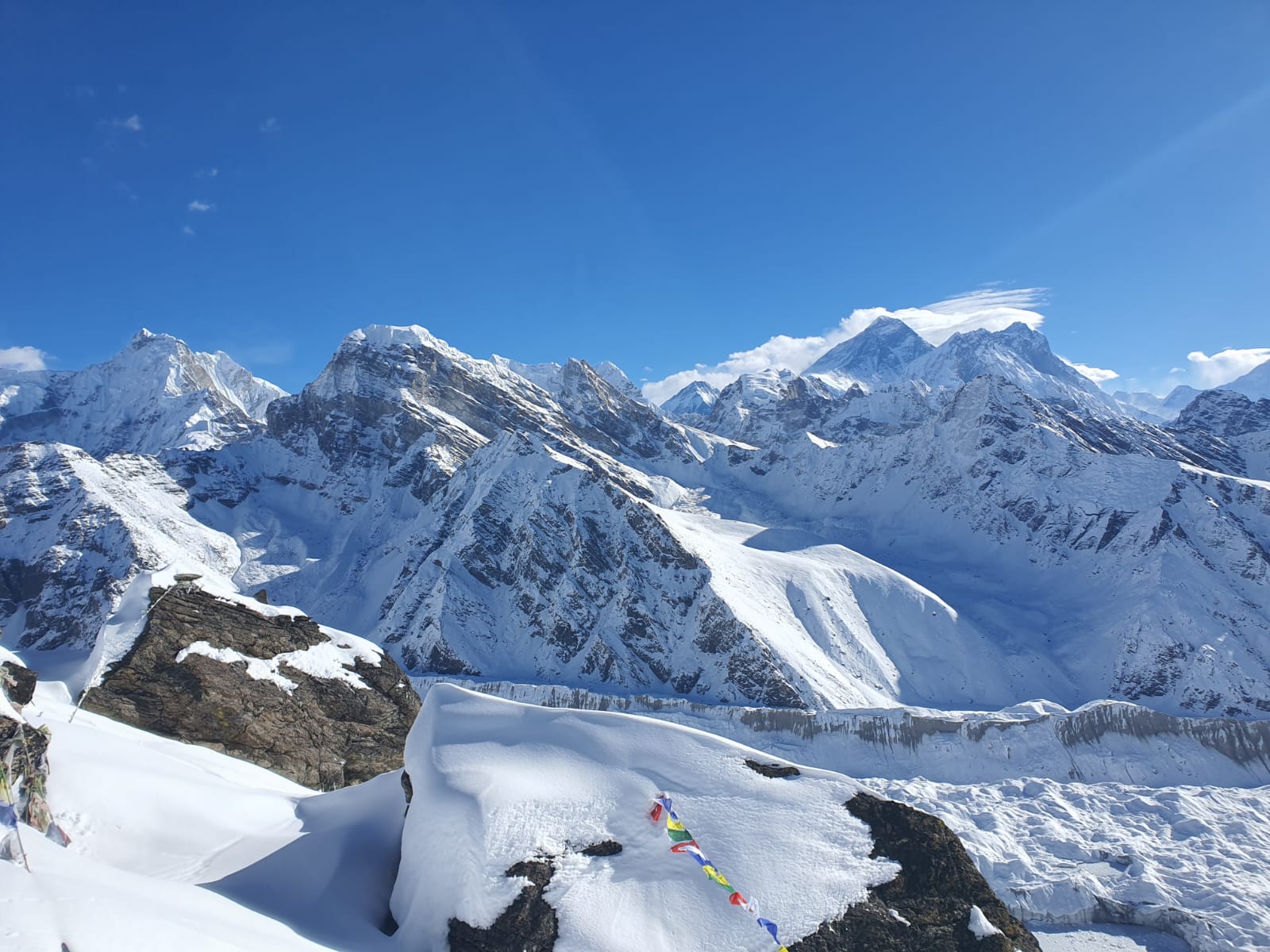
- Elevation: ~3,810 m / 12,500 ft
- Type: Village
- Region: Everest Region
- District: Solukhumbu
- Khumbu Climbing Center
- Treks: Gokyo Lakes Trek, EBC Gokyo Lakes Trek, Everest Three Passes Trek
About Phortse
Phortse is a traditional Sherpa village in the Khumbu region of Solukhumbu District, Koshi Province, Nepal. Situated at approximately 3,800–3,950 metres above sea level, the village lies within Sagarmatha National Park, overlooking the deep valleys of the Dudh Koshi and Imja Khola rivers. Surrounded by mountain forests, terraced fields and spectacular Himalayan peaks, Phortse is one of the quieter and culturally significant settlements in the Everest region.
Phortse is recognised as an ecotourism village where visitors can experience traditional Sherpa hospitality, Buddhist culture and mountain lifestyles. Unlike the busier settlements along the main Everest Base Camp trail, it offers a more peaceful trekking experience. The village is also an important connection between the Everest Base Camp and Gokyo trekking routes, making it a rewarding stop for trekkers exploring different parts of Khumbu.
Location and Altitude
- Village: Phortse
- Nepali Name: फोर्त्से
- District: Solukhumbu
- Province: Koshi Province, Nepal
- Region: Khumbu, Everest region
- Altitude: Approximately 3,800–3,950 metres (12,467–12,959 feet)
- Coordinates: Approximately 27.842° N, 86.740° E
- Protected Area: Sagarmatha National Park
- Nearby Settlements: Pangboche, Dole, Namche Bazaar and Tengboche
- Major Attractions: Traditional Sherpa village, ecotourism, mountain scenery and wildlife
Published sources give slightly different elevations for Phortse, ranging from around 3,800 to 3,950 metres. Nepal Tourism Board lists the village at approximately 3,950 metres.
Sherpa Culture and Traditional Village Life
Phortse is one of the traditional Sherpa settlements of the Khumbu region. Its cultural identity is closely connected with Tibetan Buddhism, mountain agriculture, livestock keeping and mountaineering. The village has stone-built houses, traditional fields, prayer flags, mani walls and religious structures that reflect the heritage of the local community.
Sherpa families in Phortse have a long association with Himalayan mountaineering. Many residents have worked as climbing guides, high-altitude porters and expedition support staff on major Himalayan mountains. The village is also known for its strong community traditions and hospitality towards visitors.
The village's relatively quiet setting provides an opportunity to experience everyday Sherpa life away from the busiest trekking centres.
Phortse Ecotourism Village
Phortse is recognised by Nepal Tourism Board as a model ecotourism village in the Khumbu region. Community-based tourism encourages visitors to experience local culture while supporting village households and conservation activities.
Community-run homestays, teashops and lodges provide accommodation and meals. Visitors may also experience traditional Sherpa food, cultural performances and local dances when arranged with the community.
The village's ecotourism approach highlights the importance of protecting its forests, wildlife and traditional way of life while creating opportunities for local residents.
Buddhist Culture and Religious Heritage
Buddhism plays an important role in the cultural and spiritual life of Phortse. The village landscape includes traditional Buddhist features such as prayer flags, mani walls, chortens and religious gathering places.
The wider Khumbu region is home to several important monasteries, including Tengboche Monastery and Pangboche Monastery. These religious centres preserve Buddhist traditions and host festivals and ceremonies throughout the year.
Visitors walking through Phortse should respect local customs, avoid disturbing religious activities and ask permission before photographing people or religious ceremonies.
Treks That Pass Through Phortse
Phortse is an important stop on alternative trekking routes connecting the Everest Base Camp trail with the Gokyo Valley.
- Everest Base Camp Trek: Trekkers can take a quieter high trail from the Pangboche area towards Phortse before continuing through the Gokyo-side trekking network.
- Gokyo Lakes Trek: Phortse provides an alternative route towards Phortse Tenga, Dole, Machhermo and the beautiful Gokyo Lakes.
- Everest Base Camp and Gokyo Circuit: Many trekkers include Phortse in a combined itinerary linking Everest Base Camp, the Gokyo Valley and Cho La Pass.
- Namche Bazaar to Phortse Trek: A scenic route from Namche through the Mong La area leads towards the village.
- Pangboche to Phortse Trek: A high-level trail connects these two Sherpa settlements, offering impressive views across the valleys.
- Phortse to Dole Trek: The route descends towards Phortse Tenga and climbs through forested slopes towards Dole.
The high trails around Phortse can be exposed and steep in places. Trekkers should check trail conditions and allow sufficient time for acclimatisation.
Tea Houses and Accommodation in Phortse
Phortse offers small trekking lodges, teahouses and community-run homestays for visitors exploring the Khumbu region. These accommodations provide a more traditional village experience compared with the larger trekking centres such as Namche Bazaar.
Common facilities include:
- Basic rooms with beds and blankets.
- Shared dining areas with warm meals.
- Traditional Nepali and Sherpa food.
- Tea, coffee, soup and other refreshments.
- Simple washing facilities, depending on the lodge.
- Opportunities to experience local hospitality through homestays.
Traditional meals may include dal bhat, Sherpa stew, noodles, potatoes and locally prepared vegetables. Some accommodation providers also offer cultural experiences and information about village life.
Because Phortse is a smaller settlement, the number of rooms and services is limited compared with major trekking destinations. Visitors should confirm availability during busy trekking seasons.
Nature and Landscape of Phortse
Phortse is surrounded by beautiful mountain landscapes, traditional agricultural land and forested slopes. Its location within Sagarmatha National Park makes it an interesting destination for visitors who enjoy Himalayan nature and wildlife.
- Birch and Juniper Forests: The surrounding woodland provides important habitat for Himalayan wildlife and adds greenery to the mountain landscape.
- Dudh Koshi Valley: The village overlooks the deep river valley and its rugged mountain slopes.
- Imja Khola Valley: The nearby valley connects Phortse with Pangboche, Dingboche and other upper Khumbu settlements.
- Himalayan Mountain Views: The area offers impressive views of Ama Dablam, Thamserku, Kangtega and surrounding peaks.
- Alpine Vegetation: Higher trails feature juniper shrubs, grasses and hardy mountain plants adapted to cold conditions.
- Mountain Wildlife: The wider region supports Himalayan tahr, musk deer, pheasants and other wildlife. Snow leopards are also present in the broader national park landscape.
- Traditional Farmland: Terraced fields around the village reflect the agricultural heritage of the Sherpa community.
Phortse is particularly valued for its wildlife-viewing opportunities. However, sightings of rare animals such as snow leopards are uncommon and never guaranteed.
Wildlife Conservation Around Phortse
Wildlife conservation is an important part of the natural heritage of Phortse. The surrounding forests and mountain slopes provide habitat for species including musk deer, Himalayan tahr and several pheasant species.
The village lies within the protected landscape of Sagarmatha National Park, which was established in 1976 and designated a UNESCO World Heritage Site in 1979. The park protects Himalayan ecosystems, forests, glaciers, wildlife and the cultural heritage of local communities.
Local conservation and reforestation initiatives have also involved Phortse, helping protect fragile alpine ecosystems and restore vegetation in the national park and its buffer zone.
Best Time to Visit Phortse
The best seasons to visit Phortse are spring and autumn, when trekking conditions are generally more favourable and mountain views are often clearer.
Spring (March to May): Spring brings warmer daytime temperatures, blooming rhododendrons at suitable elevations and fresh vegetation. It is an excellent season for exploring the village and surrounding trekking trails.
Autumn (September to November): Autumn is one of the most popular trekking seasons in the Everest region. Clearer skies, relatively stable weather and good mountain visibility make it ideal for visiting Phortse.
Winter (December to February): Winter offers a quiet village atmosphere, but temperatures can drop significantly. Snowfall and icy trails may make higher trekking routes more difficult.
Monsoon (June to August): Rain, cloud cover and slippery trails can affect trekking conditions. Mountain views may also be limited during this period.
Main Attractions in Phortse
- Traditional Sherpa Village: Explore stone houses, terraced fields and the traditional mountain lifestyle of the local community.
- Phortse Ecotourism Experience: Enjoy community-run accommodation, local hospitality and cultural activities.
- Ama Dablam Views: Admire the surrounding Himalayan scenery, including views towards the distinctive Ama Dablam.
- Himalayan Wildlife: Explore the surrounding forests and mountain habitats, known for musk deer, Himalayan tahr and pheasants.
- Phortse–Dole Trail: Walk through forested landscapes towards the Gokyo Valley.
- Pangboche Connection: Explore the high-level trail linking Phortse with the traditional village of Pangboche.
- Traditional Sherpa Culture: Learn about local customs, Buddhist traditions, agriculture and mountaineering heritage.
How to Reach Phortse
Phortse can be reached by trekking from Namche Bazaar, Pangboche or the Gokyo-side trail network.
- From Namche Bazaar: Trekkers can follow the trail towards Mong La and continue to Phortse. The journey generally takes several hours, depending on the route and walking pace.
- From Pangboche: A high-level trail connects Pangboche with Phortse, offering views across the Dudh Koshi and Imja valleys.
- From Dole: Trekkers can descend through the Phortse Tenga area and climb towards the village.
- From Lukla: The usual approach follows the Everest trekking route through Phakding, Monjo and Namche Bazaar before continuing towards Phortse.
Lukla is the main air gateway for most trekkers visiting the Khumbu region. There is no road access to Phortse, so the village can only be reached on foot.
Where is Phortse?
The exact point on the Himalaya trail, with nearby places for context.
On this map
Nearby places
Village
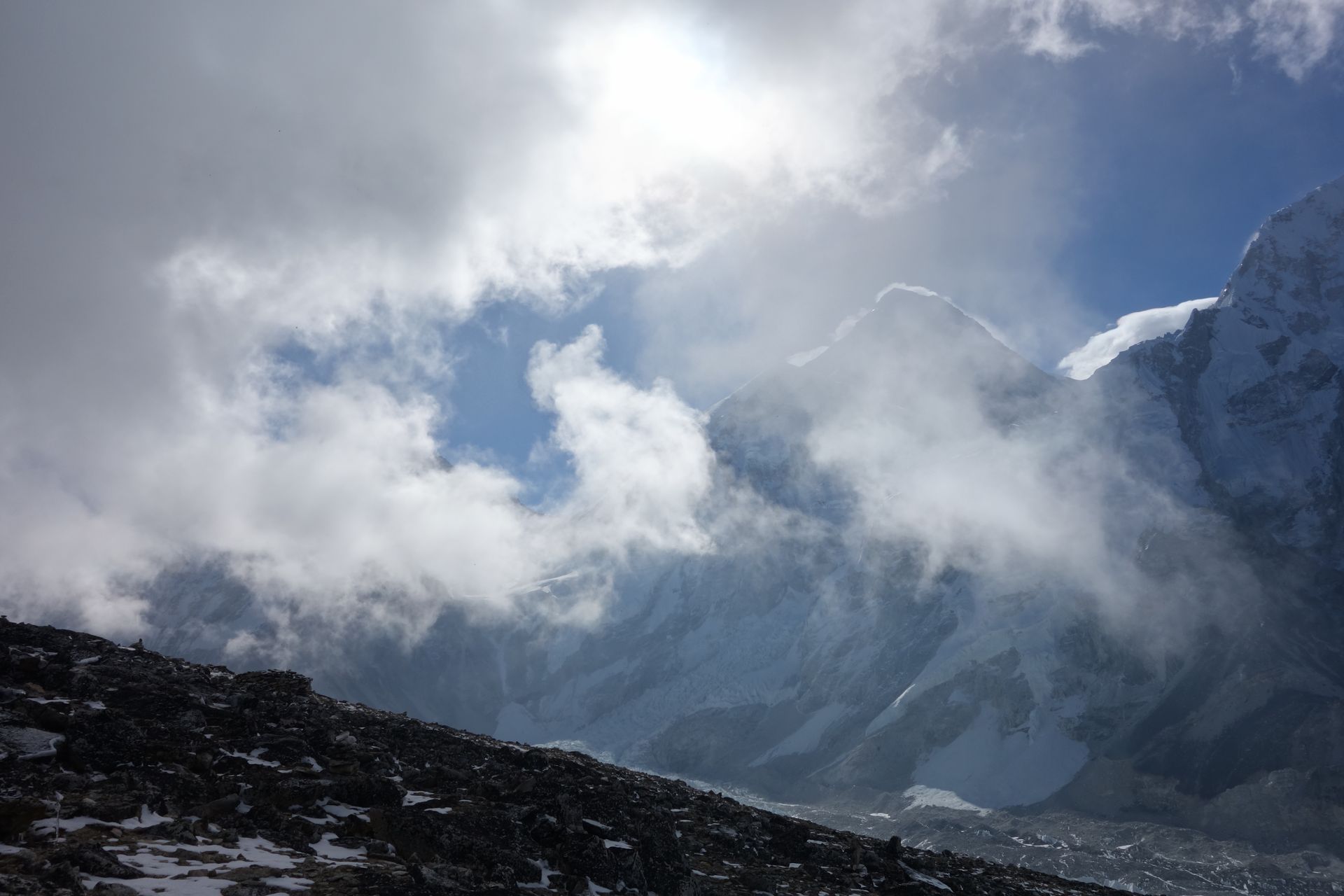
Pangboche
पाङबोचे
3,985 m
Pangboche is one of the oldest Sherpa villages in the Khumbu, with a gompa thought to date back over 300 years. It sits almost directly beneath Ama Dablam and is the jumping-off point for Ama Dablam Base Camp.
Read place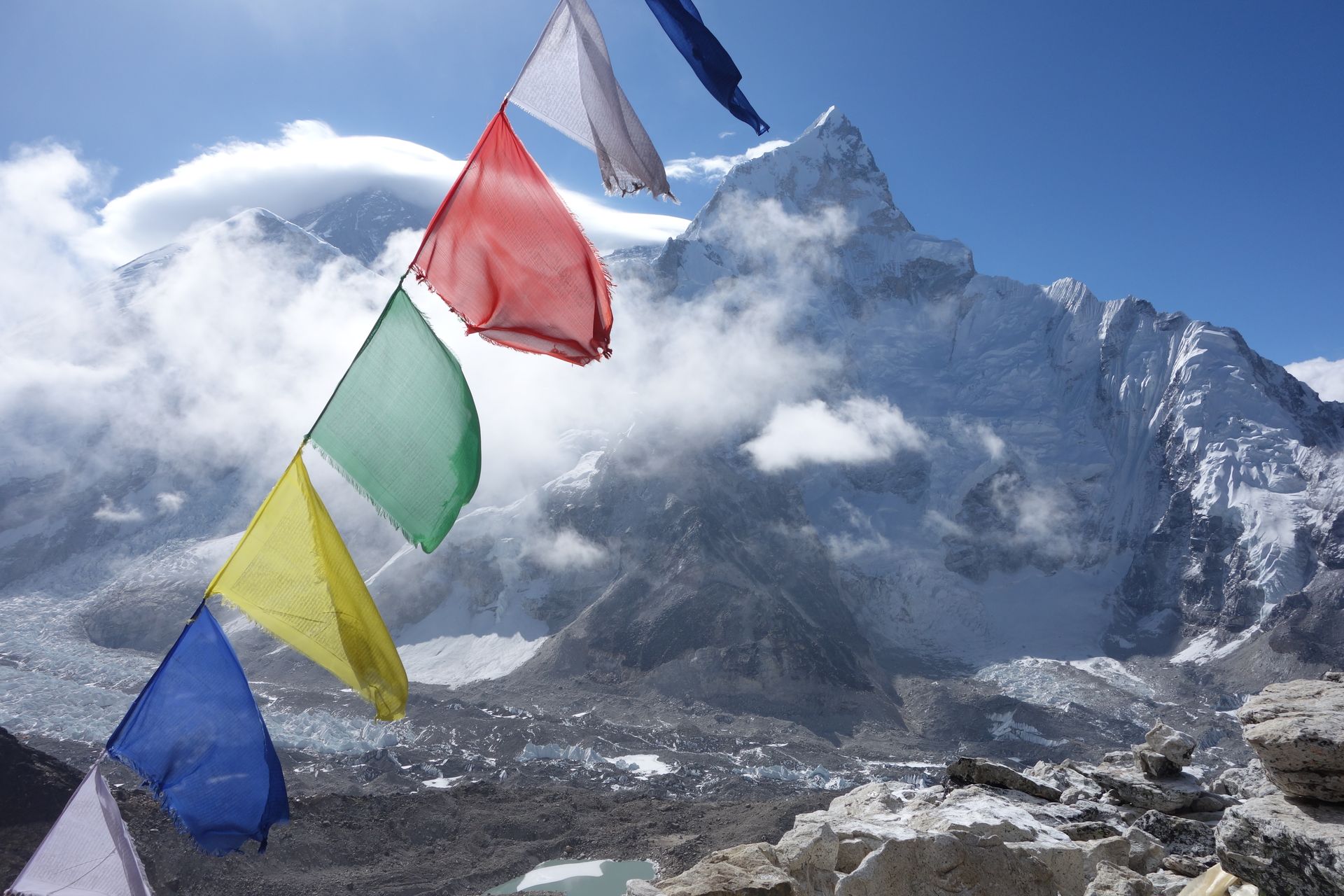
Village
Dole
डोले
4,040 m
Dole is a small settlement in the Dudh Koshi valley on the trail to Gokyo, reached after a climb through rhododendron and juniper from Phortse Thanga. It is a common overnight stop on the Gokyo Lakes trek, with views of Khumbila, Cho Oyu and Thamserku.
Read place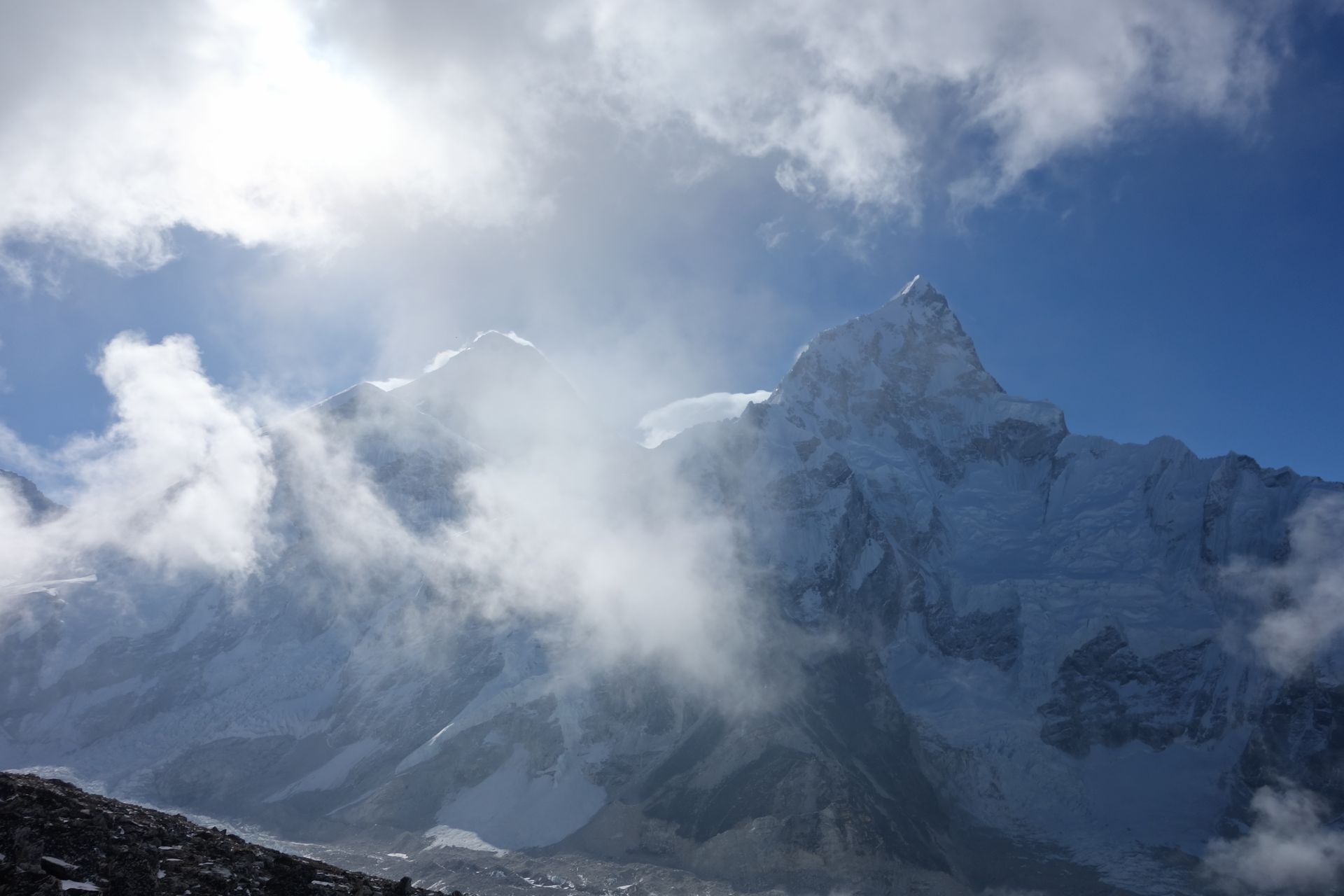
Village
Tengboche
तेङबोचे
3,867 m
Tengboche is a ridge-top settlement best known for its monastery, with one of the most celebrated mountain views in Nepal: Ama Dablam, Everest, Lhotse and Nuptse rising beyond a forest of rhododendron.
Read place