

Village
Dole
डोले
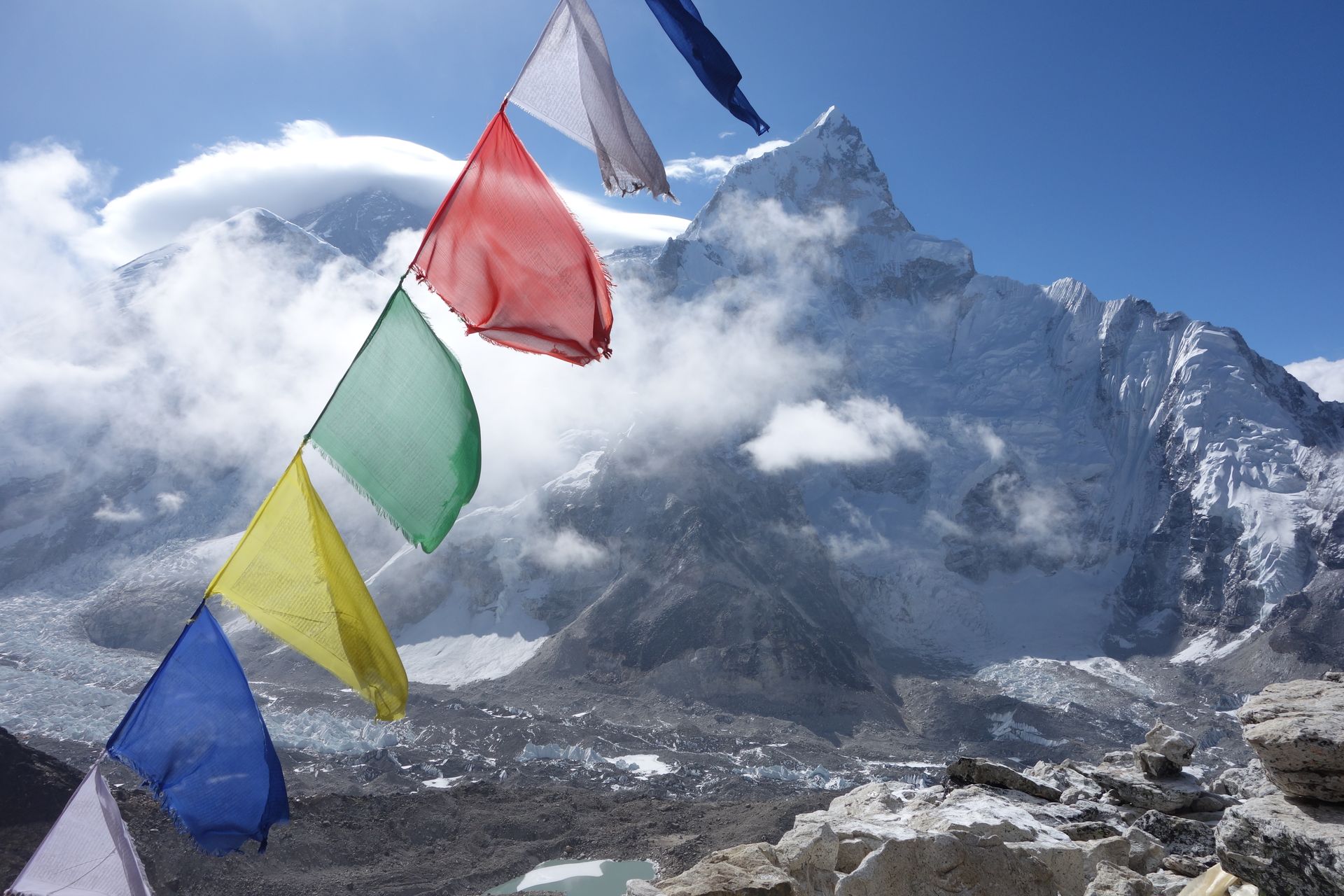
Dole is a small settlement in the Dudh Koshi valley on the trail to Gokyo, reached after a climb through rhododendron and juniper from Phortse Thanga. It is a common overnight stop on the Gokyo Lakes trek, with views of Khumbila, Cho Oyu and Thamserku.
- Elevation: ~4,040 m / 13,255 ft
- Type: Village
- Region: Everest Region
- District: Solukhumbu
- Treks: Gokyo Lakes Trek, EBC Gokyo Lakes Trek
About Dole
Dole (also spelled Dhole or Dole Village) is a small mountain settlement in the Khumbu region of Nepal, situated along the scenic trail to the famous Gokyo Lakes. Located at approximately 4,038 metres (13,248 feet) above sea level, it lies between Namche Bazaar and Machhermo in the upper Dudh Koshi Valley. Surrounded by rhododendron and juniper forests, alpine pastures and impressive Himalayan peaks, Dole is a peaceful resting place for trekkers exploring the quieter side of the Everest region.
Dole is an important overnight stop on the Gokyo Lakes Trek and the Everest Three Passes Trek. Many trekkers reach the settlement after climbing from Namche Bazaar via Mong La and Phortse Thanga. Its location makes it a useful place to rest and gradually adjust to higher elevations before continuing towards Luza, Machhermo, Gokyo and Renjo La Pass. Unlike Namche Bazaar, Dole has a quiet atmosphere, a small collection of family-run tea houses and beautiful natural surroundings.
Location and Altitude
Dole is located in the upper Dudh Koshi Valley of the Khumbu region, within Sagarmatha National Park, Solukhumbu District, Koshi Province, Nepal.
- Location: Upper Dudh Koshi Valley, Khumbu, Nepal
- Altitude: Approximately 4,038 metres (13,248 feet)
- District: Solukhumbu
- Province: Koshi Province
- Mountain region: Khumbu Himal
- Nearest major settlement: Namche Bazaar
- Next trekking stop: Machhermo
- Nearby settlements: Phortse Thanga, Luza and Lhabarma
- National park: Sagarmatha National Park
- Famous for: Gokyo Lakes Trek, tea houses, alpine forests and yak pastures
Treks That Pass Through Dole
Dole is an important stopping point on several trekking routes in the Everest region, especially those exploring the Gokyo Valley.
Gokyo Lakes Trek: Dole is a popular overnight stop between Namche Bazaar and Machhermo. Trekkers continue through the upper Dudh Koshi Valley towards the beautiful Gokyo Lakes.
Everest Three Passes Trek: Trekkers following the Three Passes circuit often visit Dole while travelling between Namche Bazaar and Gokyo, before continuing towards Renjo La, Cho La and Kongma La.
Gokyo and Everest Base Camp Trek: Dole is included in combined itineraries that connect Gokyo Valley with the classic Everest Base Camp route, sometimes using Cho La Pass.
Namche Bazaar to Dole Trek: This scenic route passes through Kyangjuma, Mong La and Phortse Thanga before climbing through forested slopes to Dole. The walk generally takes around five to six hours, depending on pace and conditions.
Dole to Machhermo Trek: The next section follows an alpine trail through yak pastures and open mountain slopes towards Machhermo, usually taking around two to three hours.
Tea Houses and Accommodation in Dole
Dole has a small collection of family-run tea houses and mountain lodges that provide accommodation for trekkers travelling towards the Gokyo Lakes. These lodges offer basic facilities and a welcoming mountain atmosphere, making the village a convenient overnight stop above Namche Bazaar.
Most tea houses provide simple rooms with beds, blankets and shared bathroom facilities. Dining rooms are often heated by a central stove, where trekkers can relax after a long day of walking.
Common meals include dal bhat, noodles, fried rice, soups, potatoes, eggs and other simple dishes. Hot drinks such as tea, coffee and hot lemon are also generally available.
Some lodges offer charging facilities, Wi-Fi and hot showers, although availability may be limited and additional charges may apply. Trekkers should carry sufficient cash, warm clothing, a power bank and a sleeping bag suitable for cold mountain nights.
Accommodation is more limited than in Namche Bazaar, so booking ahead or arriving early is advisable during the busy spring and autumn trekking seasons.
Nature and Landscape of Dole
Dole is surrounded by beautiful Himalayan landscapes featuring forested hillsides, alpine meadows, mountain streams and rugged peaks. Its location marks an important transition from the greener forests below Namche Bazaar to the more open alpine terrain of the upper Gokyo Valley.
Rhododendron and Birch Forests: The trail between Phortse Thanga and Dole passes through patches of rhododendron, birch and juniper vegetation. During spring, blooming rhododendrons add colour to the mountain landscape.
Alpine Yak Pastures: The slopes around Dole contain seasonal grazing areas where yaks and other livestock can be seen. These pastures reflect the traditional mountain lifestyle of local Sherpa communities.
Himalayan Mountain Views: The surrounding region offers impressive views of Thamserku, Kangtega, Khumbila and other peaks of the Khumbu Himal.
Dudh Koshi River Valley: The village overlooks the wider Dudh Koshi valley, with mountain streams and steep slopes shaping the surrounding landscape.
Wildlife and Birds: The forests below Dole provide habitat for Himalayan wildlife, including musk deer and Himalayan monal. The wider Sagarmatha National Park also supports species such as Himalayan tahr and snow leopard, although sightings are uncommon.
Best Time to Visit Dole
The best seasons to visit Dole are spring (March to May) and autumn (September to November). These periods generally offer favourable trekking conditions, clearer mountain views and better opportunities to explore the Gokyo Valley.
- Spring (March–May): A beautiful season for trekking, with blooming rhododendrons in the lower forests, gradually warmer days and clear mountain scenery.
- Autumn (September–November): One of the best periods for clear skies, comfortable daytime trekking and excellent views of the surrounding Himalayan peaks.
- Winter (December–February): Very cold temperatures, snowfall and icy trails can make the journey more challenging. Some lodges may close.
- Monsoon (June–August): Rain, cloud and slippery trails can affect trekking conditions, and some accommodation services may operate seasonally.
Spring and autumn are generally the most suitable seasons for exploring Dole and continuing towards Machhermo and Gokyo.
Main Attractions in Dole
Rhododendron Forests: The forested trail between Phortse Thanga and Dole features rhododendron and birch trees, creating a beautiful natural environment, especially during spring.
Yak Pastures: Seasonal grazing fields around the village provide opportunities to observe traditional yak herding and high-altitude mountain life.
Himalayan Mountain Views: Dole offers scenic views of surrounding peaks, including Thamserku, Kangtega and Khumbila.
Mong La Ridge: Located on the approach from Namche Bazaar, this high ridge offers spectacular views of Ama Dablam, Thamserku and the surrounding valleys.
Phortse Thanga: A small settlement beside the Dudh Koshi River, surrounded by forests and mountain scenery. It is an important resting point on the trail to Dole.
Gokyo Valley Trail: Dole provides access to the beautiful upper valley, including Machhermo, Gokyo Village and the famous Gokyo Lakes.
Wildlife Watching: The forests and alpine surroundings provide opportunities to observe Himalayan birds and wildlife, including the possibility of spotting musk deer.
Sherpa Culture and Local Life
Dole has traditionally served as a seasonal grazing area, known locally as a kharka, where Sherpa families brought their yaks and livestock to pasture during warmer months. Over time, the settlement developed into an important accommodation stop for trekkers exploring the Gokyo Valley.
Today, local families operate tea houses and lodges, welcoming visitors and supporting trekking tourism in the region. Yak herding, mountain agriculture and tourism remain important parts of the wider local economy.
Although Dole is a small settlement, visitors can experience the traditional lifestyle of the Khumbu region through its mountain lodges, seasonal pastures, Buddhist cultural influences and peaceful surroundings.
High-Altitude Safety and Acclimatization
At approximately 4,038 metres, Dole is a high-altitude settlement where trekkers should take acclimatization seriously. For many visitors travelling from Namche Bazaar, it is their first overnight stay above 4,000 metres.
The ascent from Namche involves a significant elevation gain, with a climb to Mong La followed by a descent to Phortse Thanga and another ascent through the forest to Dole.
Important safety recommendations include:
- Spend sufficient time acclimatizing in Namche Bazaar before continuing higher.
- Walk slowly and maintain a comfortable pace.
- Drink sufficient water and eat regular meals.
- Avoid alcohol and strenuous activity if experiencing altitude symptoms.
- Carry warm clothing for cold evenings and nights.
- Continue gradually towards Machhermo and Gokyo.
- Watch for symptoms such as headaches, nausea, dizziness and unusual tiredness.
If altitude sickness symptoms become severe or worsen, descend to a lower elevation and seek medical assistance. Never continue ascending when experiencing signs of serious altitude illness.
Where is Dole?
The exact point on the Himalaya trail, with nearby places for context.
On this map
Nearby places
Village
Machhermo
माछेर्मो
4,470 m
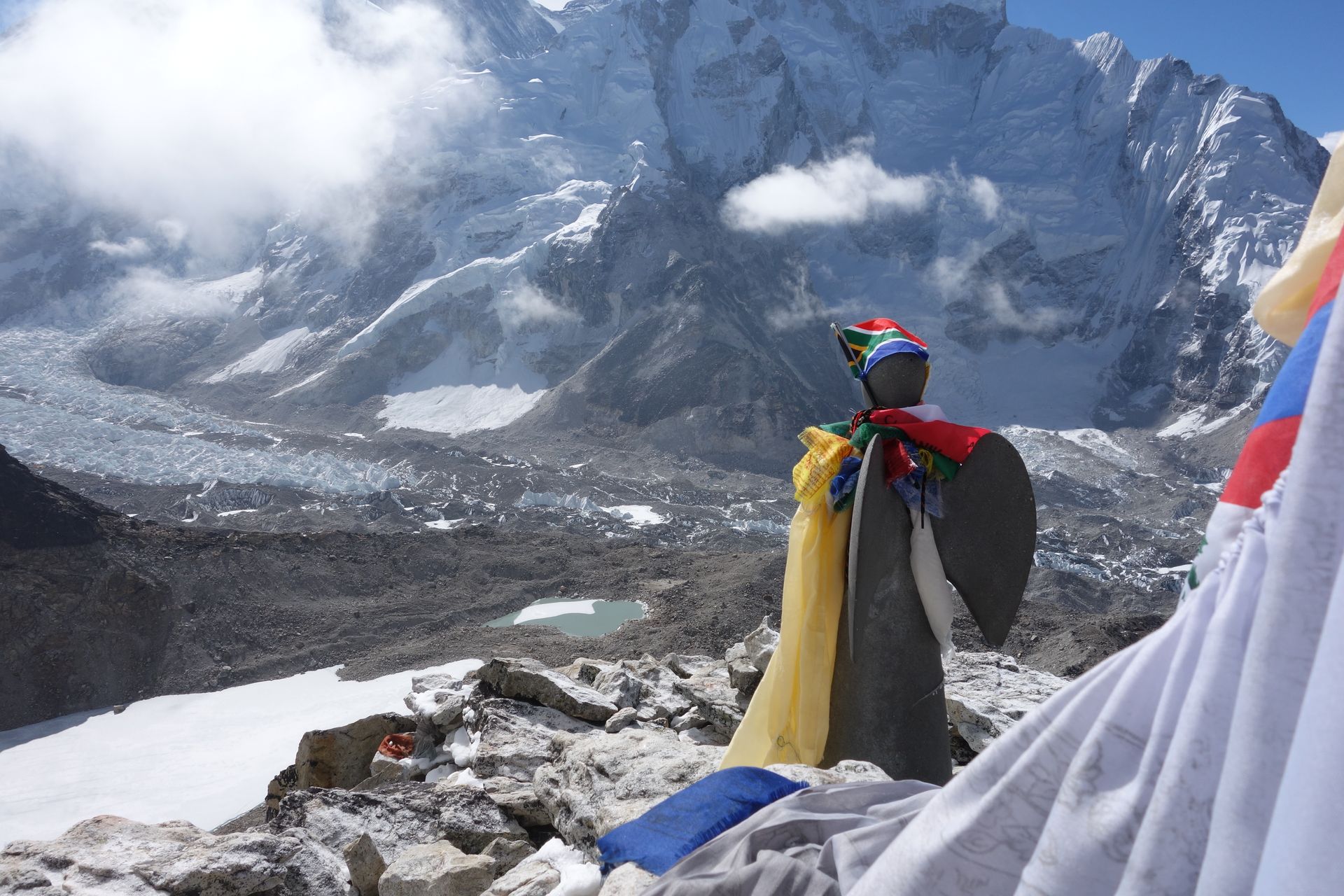
Machhermo is a cluster of lodges on the way to Gokyo, often used as an acclimatisation stop. It has a seasonal Himalayan Rescue Association aid post. Local legend tells of a yeti sighting here in the 1970s, and the ridge above gives views of Cho Oyu.
Read place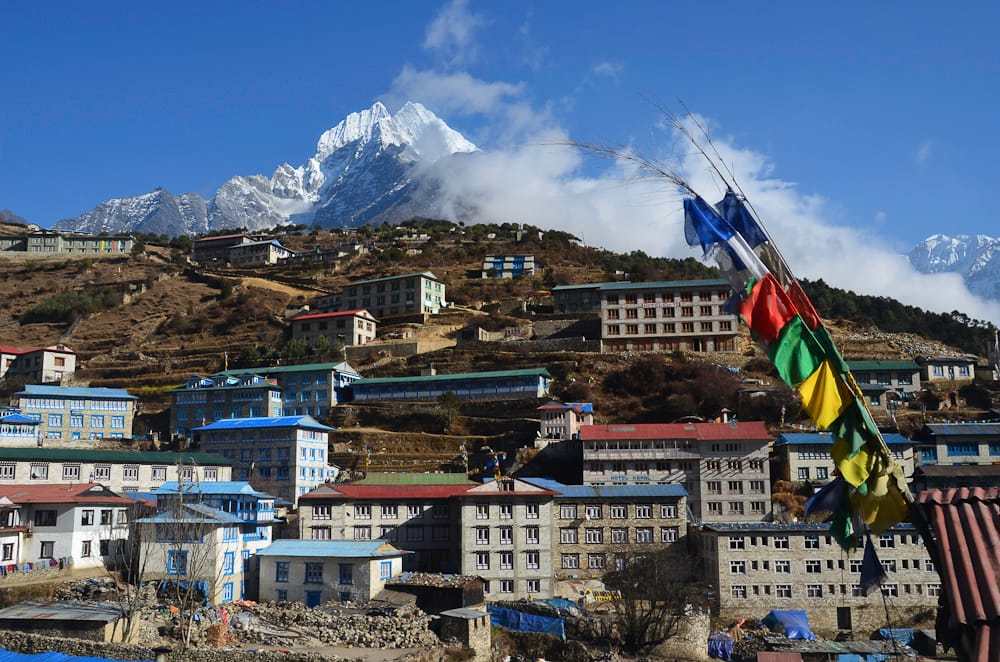
Town / city
Namche Bazaar
नाम्चे बजार
3,440 m
Namche Bazaar is the Sherpa capital of the Khumbu, a horseshoe-shaped town built into a hillside high above the Dudh Koshi. It is the region’s main trading hub, with lodges, bakeries, gear shops, banks and a Saturday market.
Read place