

Village
Chhukung
छुकुङ
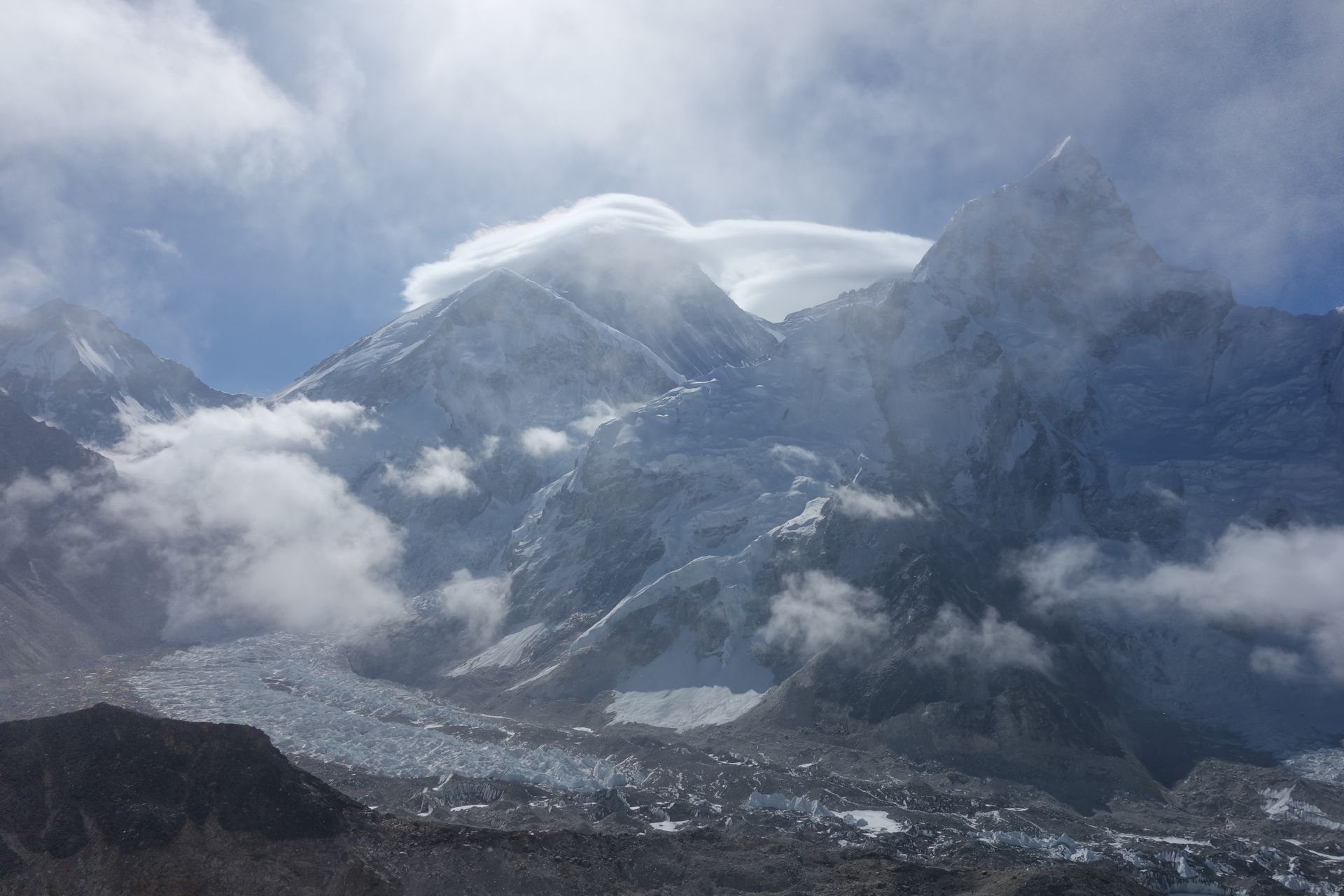
Chhukung is a small settlement at the head of the Imja valley, surrounded by the huge walls of Lhotse, Nuptse and Ama Dablam. It is the base for Island Peak climbs and for crossing the Kongma La on the Three Passes trek.
- Elevation: ~4,730 m / 15,518 ft
- Type: Village
- Region: Everest Region
- District: Solukhumbu
- Treks: Everest Three Passes Trek, Ama Dablam Base Camp Trek
About Chhukung
Chhukung is a small, scenic high-altitude settlement in the upper Imja Valley of the Khumbu region in Nepal. Located at approximately 4,730 metres (15,518 feet) above sea level, it lies east of Dingboche, beneath the impressive southern faces of Lhotse and Nuptse. Surrounded by glaciers, rocky slopes and towering Himalayan peaks, Chhukung is one of the most remarkable destinations in the Everest region for trekkers and mountaineers.
The village is particularly well known as a gateway to Island Peak (Imja Tse), Chhukung Ri and Kongma La Pass. It is also a quieter alternative to the main Everest Base Camp trail, attracting visitors who want to explore the upper Imja Valley, enjoy dramatic mountain scenery and experience the peaceful atmosphere of a traditional Sherpa highland settlement.
Location and Altitude
Chhukung is situated in the upper Imja Valley, within the Solukhumbu District of Koshi Province, Nepal. The settlement lies inside Sagarmatha National Park and follows the Imja Khola valley eastward from Dingboche.
- Location: Upper Imja Valley, Khumbu, Solukhumbu, Nepal
- Altitude: Approximately 4,730 metres (15,518 feet)
- Province: Koshi Province
- District: Solukhumbu
- Nearest major village: Dingboche
- Nearby mountains: Lhotse, Nuptse, Ama Dablam and Baruntse
- Main river: Imja Khola
- Famous for: Island Peak climbing, Chhukung Ri and Kongma La Pass
Treks That Pass Through Chhukung
Chhukung is an important stop on several trekking and mountaineering routes in the Everest region.
Everest Three Passes Trek: Chhukung is a popular overnight stop for trekkers exploring the challenging Three Passes route. It provides access to Kongma La Pass, one of the highest and most demanding passes in the Khumbu region.
Island Peak Climbing: The village is the main accommodation and preparation point for climbers heading towards Island Peak Base Camp. Mountaineers use the lodges to rest, organise equipment and prepare for the climb.
Chhukung Ri Hiking: Chhukung is the starting point for the climb to Chhukung Ri, a high viewpoint offering spectacular views of Lhotse, Nuptse, Makalu, Ama Dablam and Island Peak.
Imja Valley Trek: Trekkers can explore the upper Imja Valley, following trails through open alpine landscapes, glacial moraines and mountain scenery towards Imja Tsho.
Kongma La Pass Route: Experienced and properly acclimatised trekkers use Chhukung as a starting or ending point when crossing Kongma La Pass towards Lobuche.
The usual approach is from Dingboche, approximately two to three hours of walking along the Imja Valley.
Tea Houses and Accommodation in Chhukung
Chhukung has several seasonal tea houses and mountain lodges that provide accommodation for trekkers, climbers and expedition teams. These lodges make the settlement an important resting point before journeys towards Island Peak, Chhukung Ri and Kongma La Pass.
Most tea houses offer basic rooms with beds, blankets and shared bathroom facilities. Dining areas provide traditional Nepali meals such as dal bhat, noodles, soups, rice, potatoes and other simple dishes. Hot drinks, including tea and coffee, are commonly available.
Some lodges also provide services such as charging facilities, hot showers when available, packed lunches and basic support for climbing preparations. Facilities can be limited by the high altitude, weather and seasonal availability. Accommodation is generally busier during the spring and autumn trekking seasons.
Unlike larger settlements such as Namche Bazaar, Chhukung has limited services, so trekkers should carry sufficient cash, warm clothing and essential personal supplies.
Nature and Landscape of Chhukung
Chhukung is surrounded by an extraordinary high-altitude Himalayan landscape shaped by glaciers, rivers, rocky moraines and snow-covered mountains. The upper Imja Valley forms a dramatic mountain basin, with enormous peaks rising above the settlement in almost every direction.
The southern face of Lhotse, the towering ridges of Nuptse, the elegant mountain profile of Ama Dablam and the distant peaks around Baruntse create a spectacular natural setting. Glacial streams flow through the valley, while the surrounding slopes contain sparse alpine vegetation and exposed rocky terrain.
The nearby Imja Glacier and Imja Tsho add to the area's remarkable glacial scenery. The landscape changes with the seasons, from relatively clear and dry trails in autumn to snow-covered slopes and icy conditions during winter.
Wildlife in the wider Sagarmatha National Park includes Himalayan species such as musk deer, Himalayan tahr and snow leopard, although sightings around Chhukung are uncommon.
Best Time to Visit Chhukung
The best seasons to visit Chhukung are spring (March to May) and autumn (September to November).
- Spring (March–May): Warmer daytime conditions, clearer mountain views and a popular season for Island Peak climbing.
- Autumn (September–November): Generally stable weather, clear skies and excellent visibility of the surrounding Himalayan mountains.
- Winter (December–February): Very cold conditions, snowfall and possible trail difficulties. Some accommodation services may close.
- Monsoon (June–August): Rain and cloud can affect lower trekking routes, while wet and unstable conditions may make travel less comfortable.
Spring and autumn are generally the most suitable periods for trekking, hiking and mountaineering activities in the Chhukung area.
Main Attractions in Chhukung
Chhukung Ri: A popular high-altitude viewpoint above the village, offering panoramic views of Lhotse, Nuptse, Makalu, Ama Dablam and Island Peak.
Island Peak (Imja Tse): One of Nepal's popular trekking peaks, attracting climbers from around the world. Chhukung serves as an important preparation and accommodation stop before the climb.
Imja Tsho: A glacial lake in the upper Imja Valley, surrounded by dramatic ice formations, rocky terrain and high Himalayan peaks.
Kongma La Pass: A challenging high mountain pass connecting the Chhukung area with the Lobuche side of the Khumbu Valley. It is an important highlight of the Everest Three Passes Trek.
Lhotse and Nuptse Views: The enormous mountain walls above the valley create some of the most impressive close-up Himalayan scenery in the Everest region.
Imja Valley: A beautiful high-altitude valley with glacial streams, open pastures, moraine landscapes and peaceful trekking trails.
Sherpa Culture and Local Life
Chhukung has traditionally been associated with the seasonal grazing lands used by Sherpa families from nearby settlements, particularly Dingboche. The high valley provided pasture for yaks and other livestock during warmer months.
As trekking and mountaineering developed in the Everest region, Chhukung gradually became an important lodge settlement supporting visitors travelling towards Island Peak and the high mountain passes. Today, local Sherpa communities continue to play an important role in accommodation, trekking services, climbing support and mountain tourism.
High-Altitude Safety and Acclimatization
At approximately 4,730 metres, Chhukung is a high-altitude destination where trekkers should take acclimatization seriously. Visitors are advised to spend sufficient time adjusting to the altitude before attempting higher hikes or mountain passes.
Trekkers should walk slowly, drink enough fluids and avoid rushing towards higher elevations. Symptoms such as headaches, dizziness, nausea and unusual tiredness may indicate altitude sickness. Anyone experiencing serious or worsening symptoms should descend and seek medical assistance.
Climbing Island Peak and crossing Kongma La require additional preparation, suitable equipment and careful attention to weather and trail conditions.
Where is Chhukung?
The exact point on the Himalaya trail, with nearby places for context.
On this map
Nearby places
Village
Dingboche
डिङबोचे
4,410 m
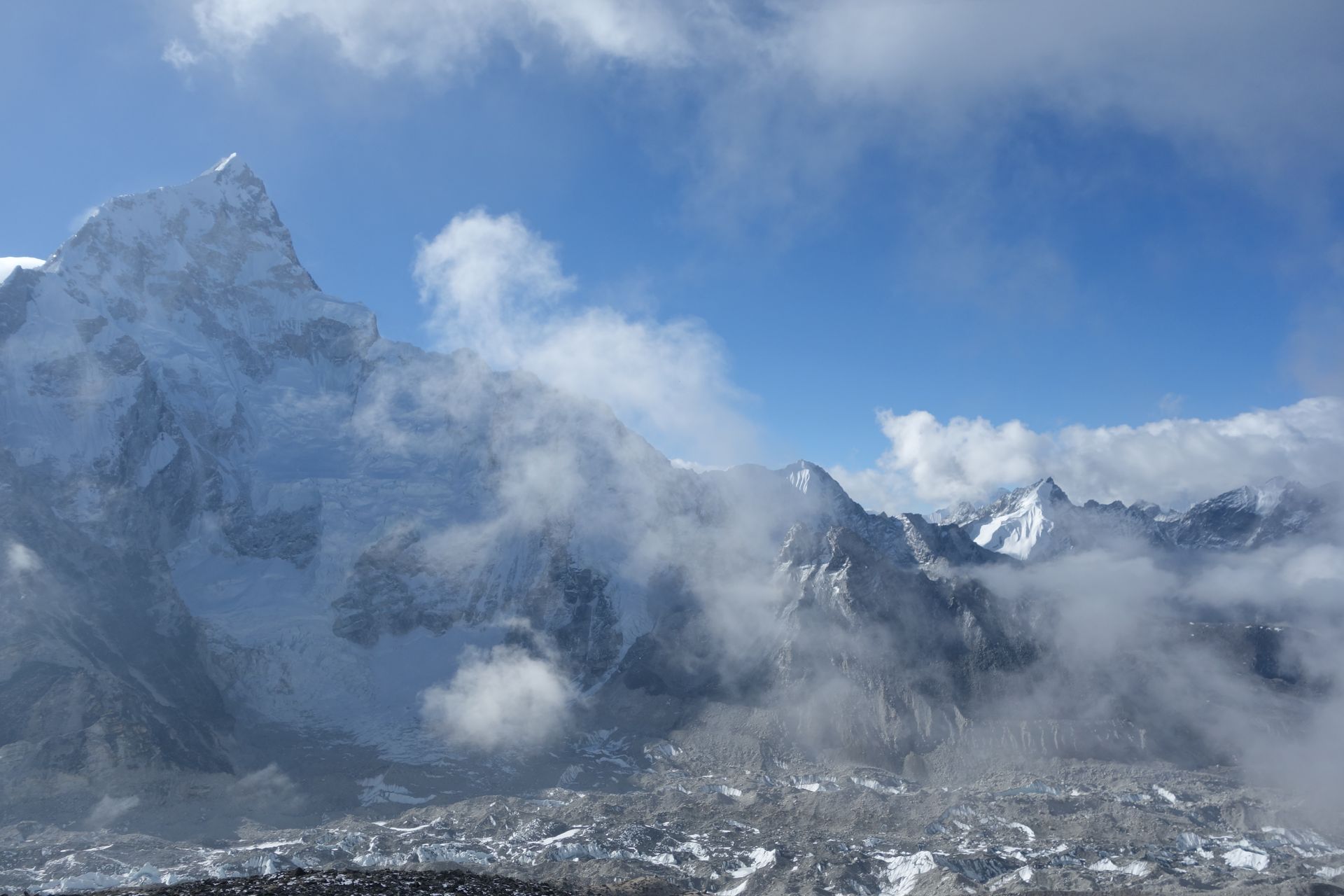
Dingboche is a broad summer settlement in the Imja valley, its potato fields enclosed by stone walls. It is the second main acclimatisation stop on the Everest Base Camp trek.
Read place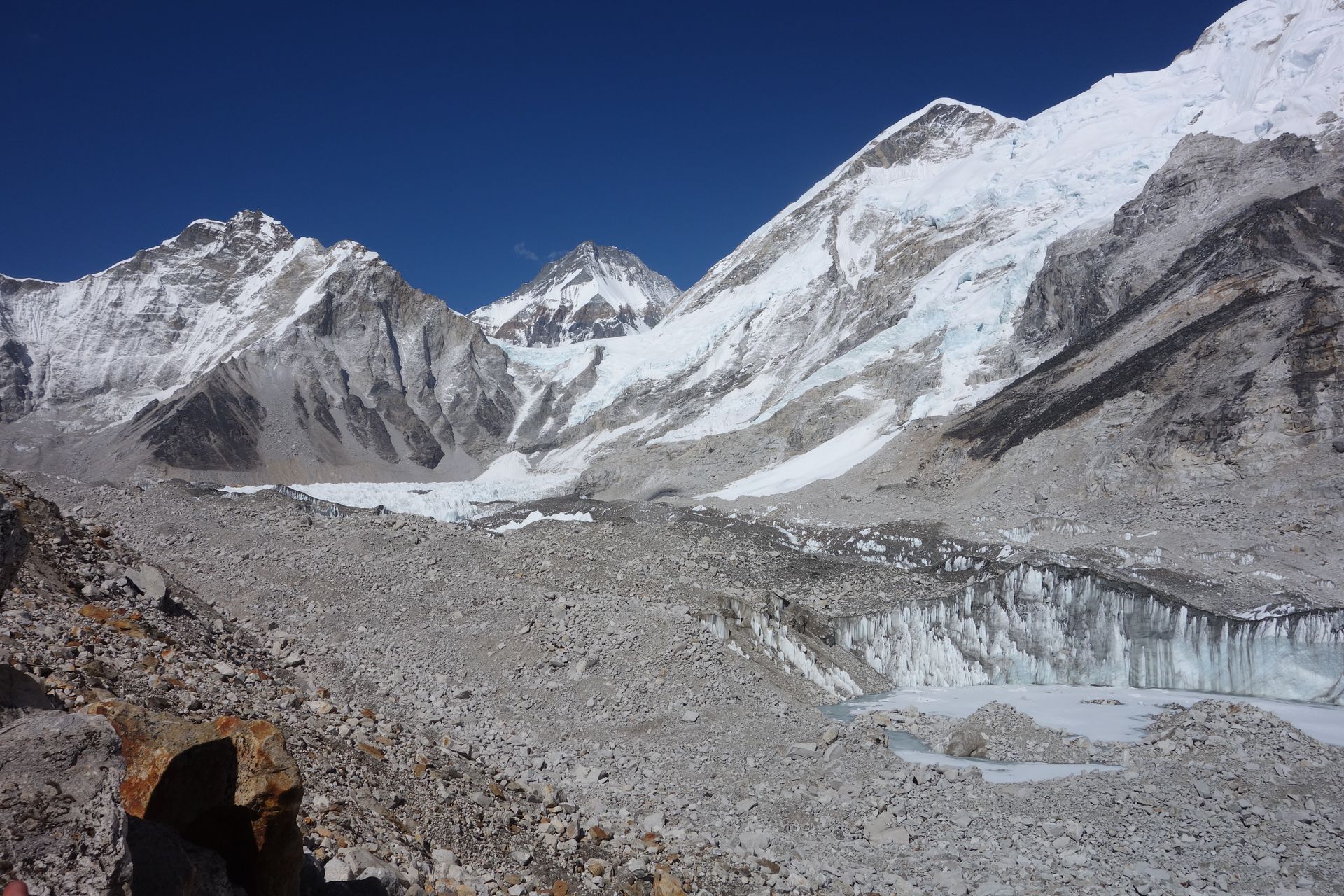
Viewpoint
Chhukung Ri
छुकुङ री
5,550 m
Chhukung Ri is a rocky viewpoint above Chhukung, reached in a steep climb of a few hours. It looks straight onto the Lhotse south face, Island Peak, Makalu and Ama Dablam. It is a classic acclimatisation climb before crossing the Kongma La.
Read place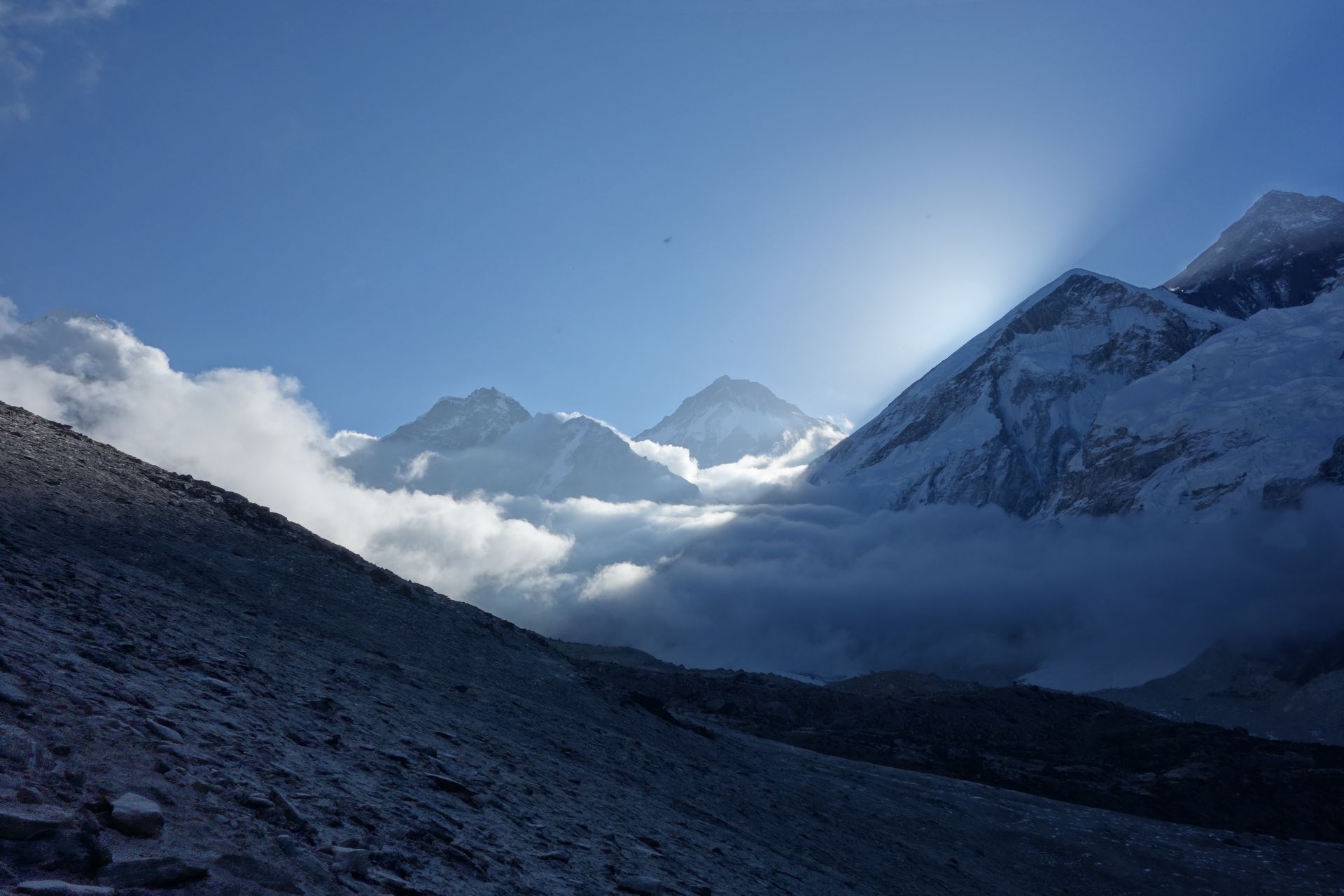
Mountain peak
Island Peak (Imja Tse)
इम्जा त्से
6,189 m
Island Peak, or Imja Tse, is a 6,189 m trekking peak rising from the Imja valley like an island in a sea of ice. It is one of the most popular climbing peaks in Nepal for first-time Himalayan climbers. Climbers set out from Chhukung and a base camp at about 5,100 m.
Read place
Pass
Kongma La Pass
कोङ्मा ला
5,535 m
Kongma La is the highest of the three passes on the Everest Three Passes trek, linking Chhukung with Lobuche. The crossing is long and rocky, with a final steep descent and a crossing of the Khumbu Glacier.
Read place