

Pass
Kongma La Pass
कोङ्मा ला
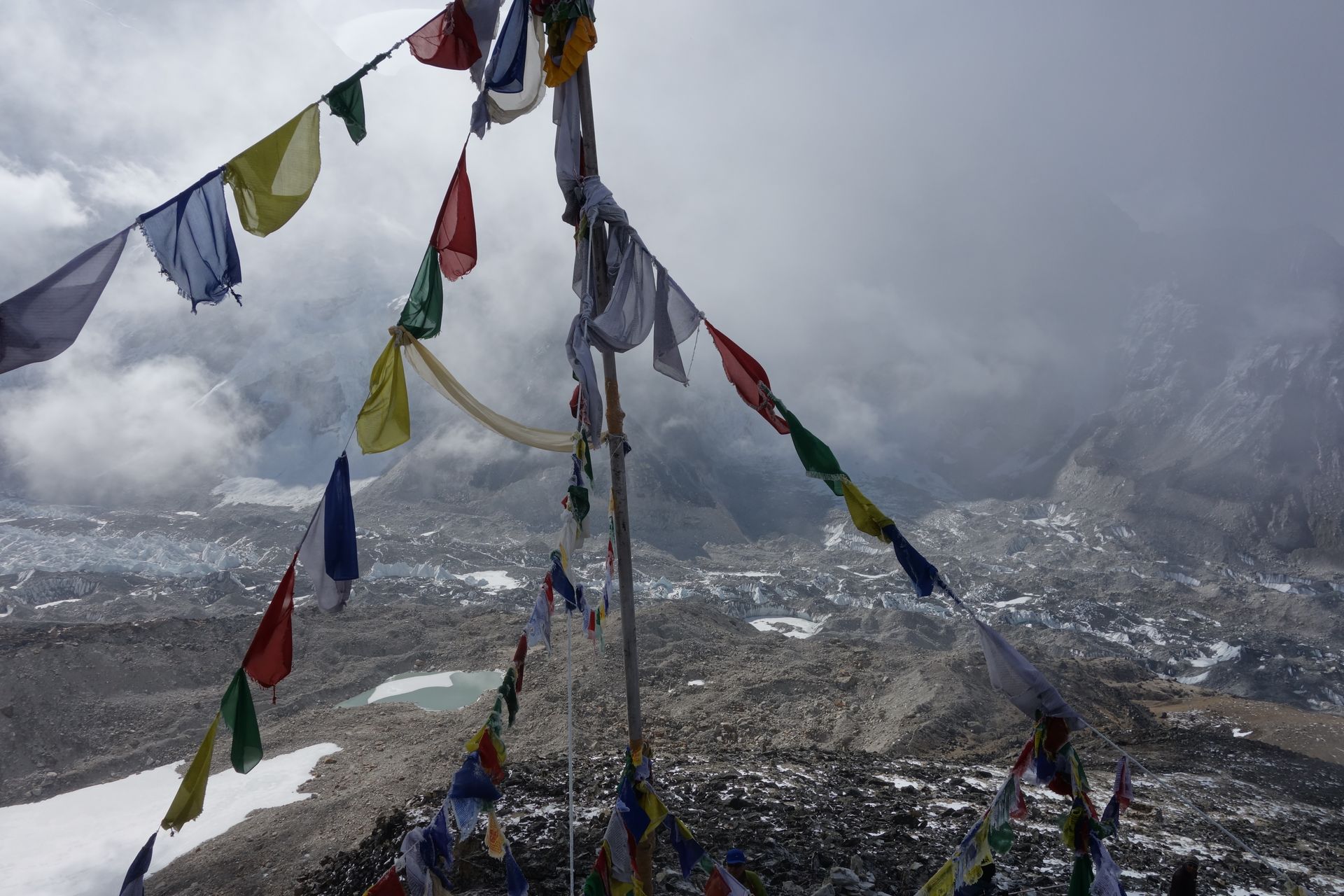
Kongma La is the highest of the three passes on the Everest Three Passes trek, linking Chhukung with Lobuche. The crossing is long and rocky, with a final steep descent and a crossing of the Khumbu Glacier.
- Elevation: ~5,535 m / 18,159 ft
- Type: Mountain pass
- Region: Everest Region
- District: Solukhumbu
- Highest of the three passes
- Treks: Everest Three Passes Trek
About Kongma La Pass
Kongma La Pass is one of the highest and most challenging mountain passes in Nepal's Everest region. Located at approximately 5,535 metres (18,159 feet) above sea level, it connects the upper Imja Valley near Chhukung with the Khumbu Valley near Lobuche. Surrounded by rugged Himalayan peaks, rocky mountain slopes and glacial landscapes, Kongma La is an unforgettable destination for experienced high-altitude trekkers.
Kongma La is the highest of the three major passes on the famous Everest Three Passes Trek, which also includes Cho La and Renjo La. The crossing offers spectacular views of Lhotse, Nuptse, Makalu, Ama Dablam, Island Peak and the Khumbu Glacier. Unlike the busy Everest Base Camp trail, this route is relatively remote and provides a quieter mountain trekking experience.
Location and Altitude
Kongma La Pass is situated inside Sagarmatha National Park in the Khumbu region of Solukhumbu District, Koshi Province, Nepal. It lies between the Imja Valley and the Khumbu Glacier valley, providing a high-altitude connection between Chhukung and Lobuche.
- Location: Khumbu region, Solukhumbu, Nepal
- Altitude: Approximately 5,535 metres (18,159 feet)
- Mountain range: Mahalangur Himal
- Nearest settlement: Chhukung
- Other nearby settlement: Lobuche
- Connects: Imja Valley and Khumbu Valley
- National park: Sagarmatha National Park
- Famous for: Everest Three Passes Trek and panoramic Himalayan views
Treks That Pass Through Kongma La
Kongma La is an important part of several challenging trekking itineraries in the Everest region. Most trekkers cross the pass between Chhukung and Lobuche.
Everest Three Passes Trek: Kongma La is one of the three major high-altitude crossings on this demanding circuit. Trekkers commonly cross it between Chhukung and Lobuche before continuing towards Everest Base Camp or other destinations.
Everest Base Camp Trek via Kongma La: Experienced trekkers can include Kongma La as an alternative to the standard route between Dingboche and Lobuche, adding a challenging high mountain crossing to their journey.
Island Peak and Kongma La Trek: Mountaineers visiting Island Peak can combine the climbing adventure with a crossing of Kongma La, depending on their itinerary, fitness and acclimatization.
Chhukung to Lobuche Trek: This is the direct route across the pass. The journey involves a steep climb from Chhukung, reaching the high pass before descending over rocky moraine terrain towards Lobuche.
The crossing generally takes around 7–9 hours, although snow, weather, fitness and trail conditions can make the journey longer.
Tea Houses and Accommodation Near Kongma La
There are no permanent tea houses, lodges or accommodation facilities at Kongma La Pass itself. Trekkers normally stay overnight in Chhukung before crossing the pass and continue to Lobuche for accommodation after completing the journey.
Chhukung: The village offers basic mountain lodges and tea houses with rooms, shared bathrooms and dining facilities. Trekkers can enjoy meals such as dal bhat, noodles, soups, rice and potatoes, along with hot tea and coffee.
Lobuche: This settlement has several tea houses and lodges serving trekkers travelling towards Everest Base Camp, Gorak Shep and Kala Patthar. Basic accommodation and meals are available during the main trekking seasons.
There are no reliable food, water or shelter services along the Kongma La crossing itself. Trekkers should carry sufficient drinking water, packed food, warm clothing and essential supplies before leaving Chhukung.
Nature and Landscape of Kongma La
Kongma La is surrounded by a dramatic Himalayan environment featuring rocky mountain ridges, glacial moraines, high-altitude lakes and snow-covered peaks. Its elevated position provides spectacular views across the Imja Valley and the Khumbu Glacier region.
The surrounding mountains include Lhotse, Nuptse, Ama Dablam, Island Peak and Makalu. The rugged landscape changes throughout the crossing, from steep rocky slopes and loose scree on the approach to the broad glacial moraine and mountain scenery on the Lobuche side.
Small glacial lakes and seasonal frozen water bodies add to the beauty of the high mountain environment. The area has very limited vegetation because of its extreme altitude, with mostly exposed rock, gravel and occasional snow covering the slopes.
Wildlife is less commonly seen around the pass itself, but the wider Sagarmatha National Park supports Himalayan species such as Himalayan tahr, musk deer and snow leopard.
Best Time to Visit Kongma La
The best seasons to cross Kongma La are spring (March to May) and autumn (September to November). These periods generally offer more favourable trekking conditions and better mountain visibility.
- Spring (March–May): A popular season for high-altitude trekking, with longer daylight hours and generally favourable weather.
- Autumn (September–November): Often offers clear skies, excellent mountain views and relatively stable conditions.
- Winter (December–February): Heavy snowfall, freezing temperatures and icy trails can make the pass difficult or unsafe.
- Monsoon (June–August): Cloud, rain and changing weather conditions can reduce visibility and make lower trails difficult.
Weather in the high Himalayas can change quickly, even during the best trekking seasons. The crossing should only be attempted when conditions are suitable.
Main Attractions of Kongma La
Panoramic Himalayan Views: The pass provides magnificent views of Lhotse, Nuptse, Makalu, Ama Dablam, Island Peak and other surrounding Himalayan mountains.
Khumbu Glacier: The rugged glacial landscape near the Lobuche side offers an impressive view of the Khumbu Glacier and its surrounding moraines.
High-Altitude Lakes: Small glacial lakes and seasonal frozen ponds near the pass create a beautiful mountain setting.
Everest Three Passes Trek: Kongma La is a major highlight of this famous trekking circuit and offers a challenging experience for adventurous hikers.
Chhukung Valley: The approach from Chhukung provides spectacular views of the upper Imja Valley, glaciers and surrounding mountain peaks.
Remote Mountain Experience: Compared with the main Everest Base Camp trail, Kongma La is less crowded and offers a quieter experience in the high Himalayas.
Trekking Difficulty and Safety
Kongma La is considered a strenuous high-altitude trekking pass because of its elevation, steep ascent, rocky terrain and long crossing day. It is generally not a technical mountaineering route in normal conditions, but snow and ice can make sections significantly more difficult.
Trekkers should be physically prepared and properly acclimatized before attempting the crossing. Spending adequate time at Namche Bazaar and Dingboche, followed by an overnight stay in Chhukung, can help prepare the body for the altitude.
Important safety considerations include:
- Start early in the morning with an experienced local guide.
- Carry enough water, snacks and a packed lunch.
- Wear sturdy trekking boots and warm, layered clothing.
- Carry trekking poles and suitable traction equipment when snow or ice is present.
- Check weather and trail conditions before departure.
- Avoid crossing if visibility is poor or weather conditions are unsafe.
- Descend immediately if serious altitude sickness symptoms develop.
An alternative route between Dingboche and Lobuche via Dughla is available for trekkers who decide not to cross Kongma La or when conditions make the pass unsafe.
Where is Kongma La Pass?
The exact point on the Himalaya trail, with nearby places for context.
On this map
Nearby places
Village
Chhukung
छुकुङ
4,730 m
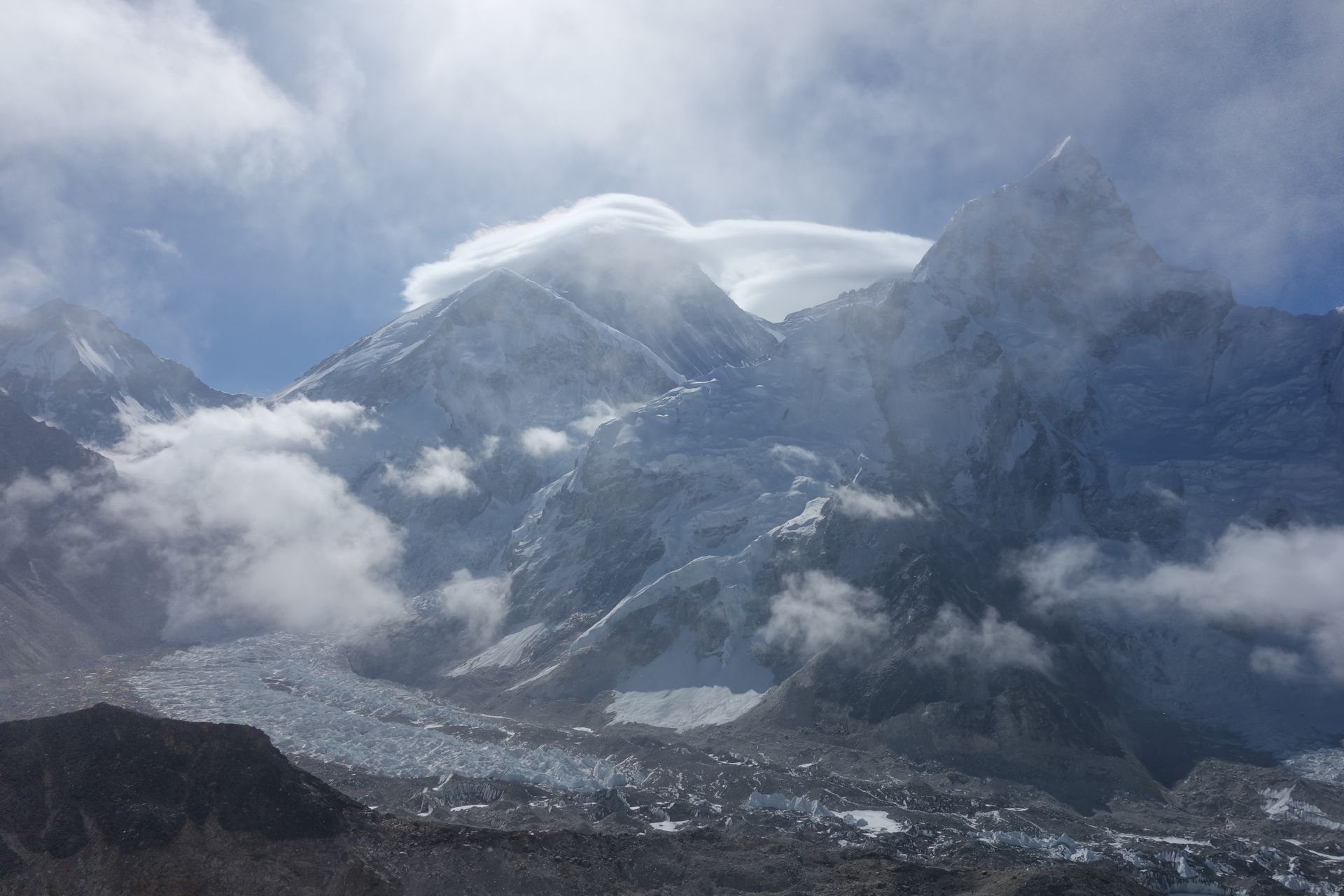
Chhukung is a small settlement at the head of the Imja valley, surrounded by the huge walls of Lhotse, Nuptse and Ama Dablam. It is the base for Island Peak climbs and for crossing the Kongma La on the Three Passes trek.
Read place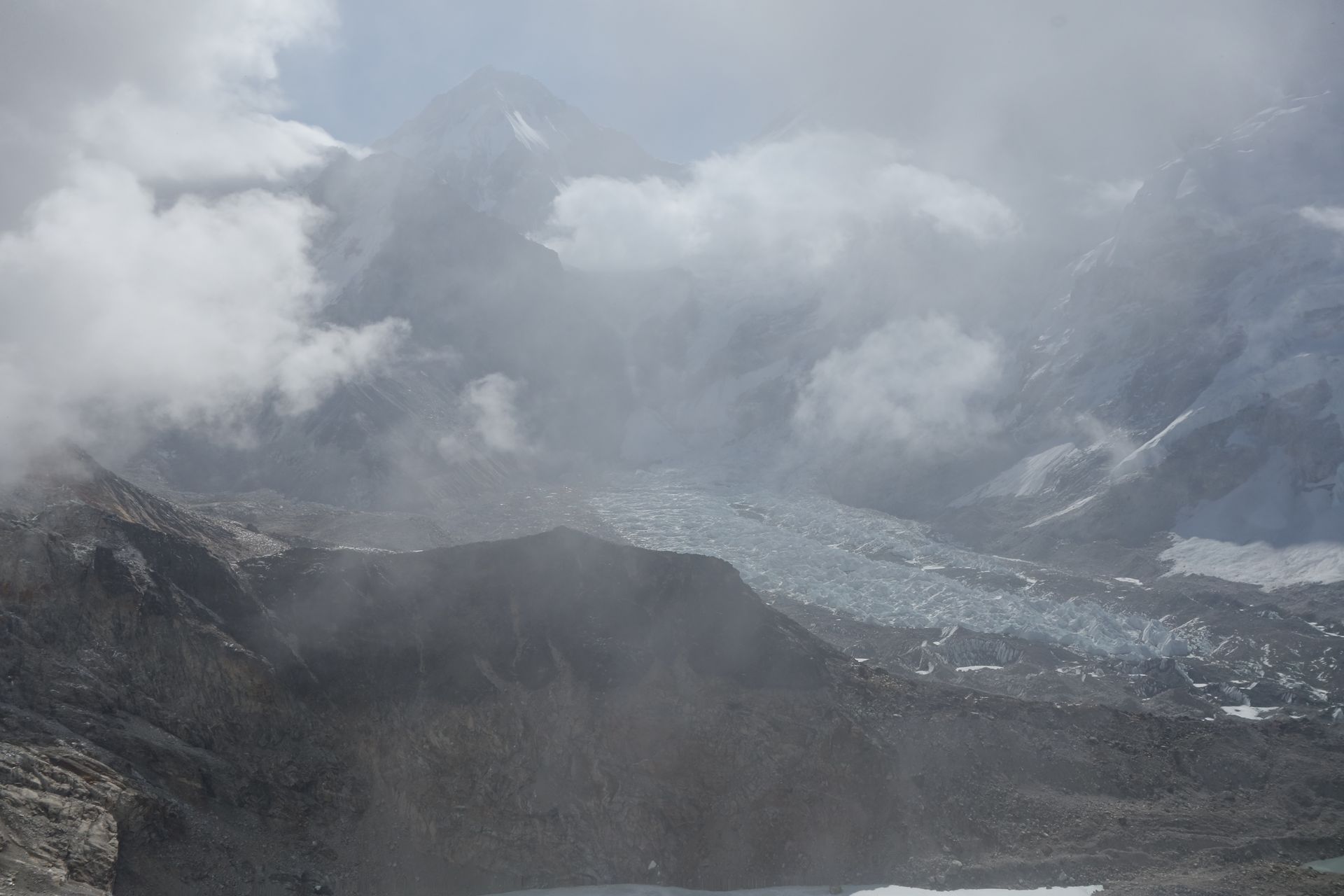
Village
Lobuche
लोबुचे
4,940 m
Lobuche is a cluster of lodges beside the Khumbu Glacier and the last overnight stop before Gorak Shep and Everest Base Camp. Nights here are very cold and many trekkers feel the altitude.
Read place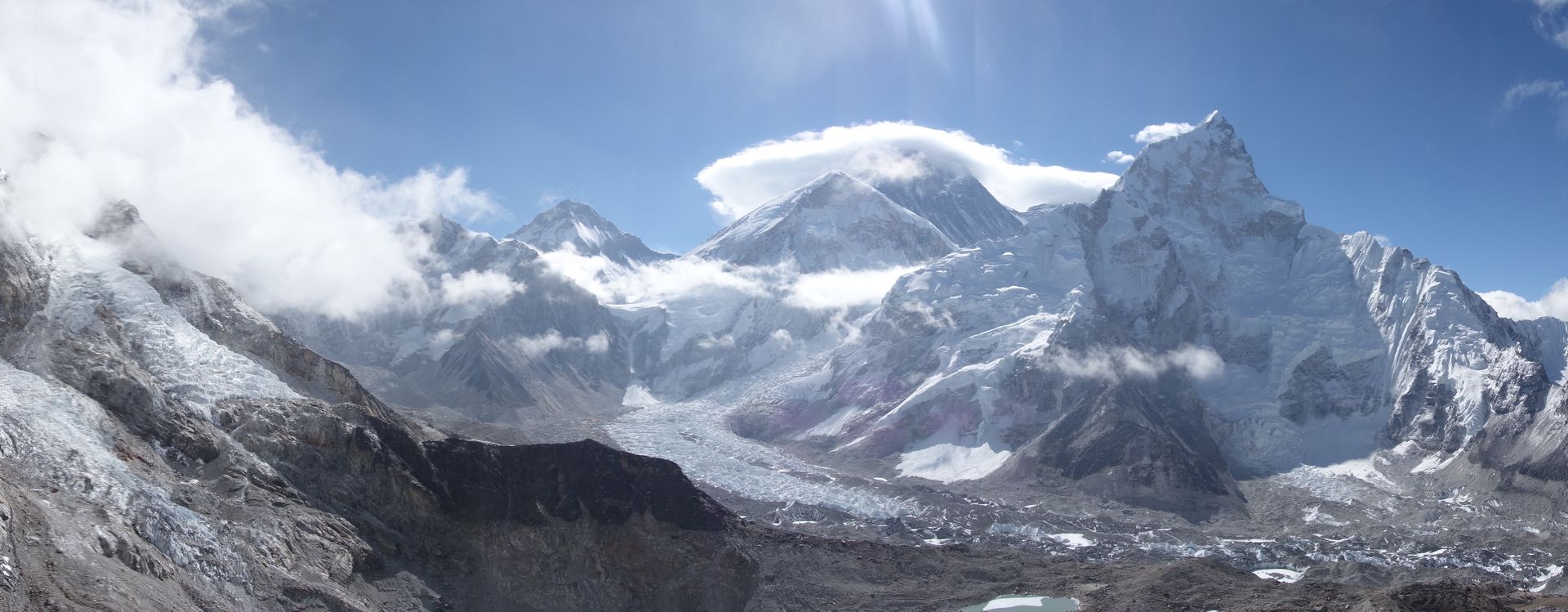
Glacier
Khumbu Glacier
खुम्बु हिमनदी
4,900 m
The Khumbu Glacier flows down from the Western Cwm of Everest, over the Khumbu Icefall and past Everest Base Camp. It is the highest glacier of its size in the world. The EBC trail follows its lateral moraine from Thukla to Gorak Shep, and Base Camp sits on its surface.
Read place