

Lake
Dudh Kunda
दूधकुण्ड
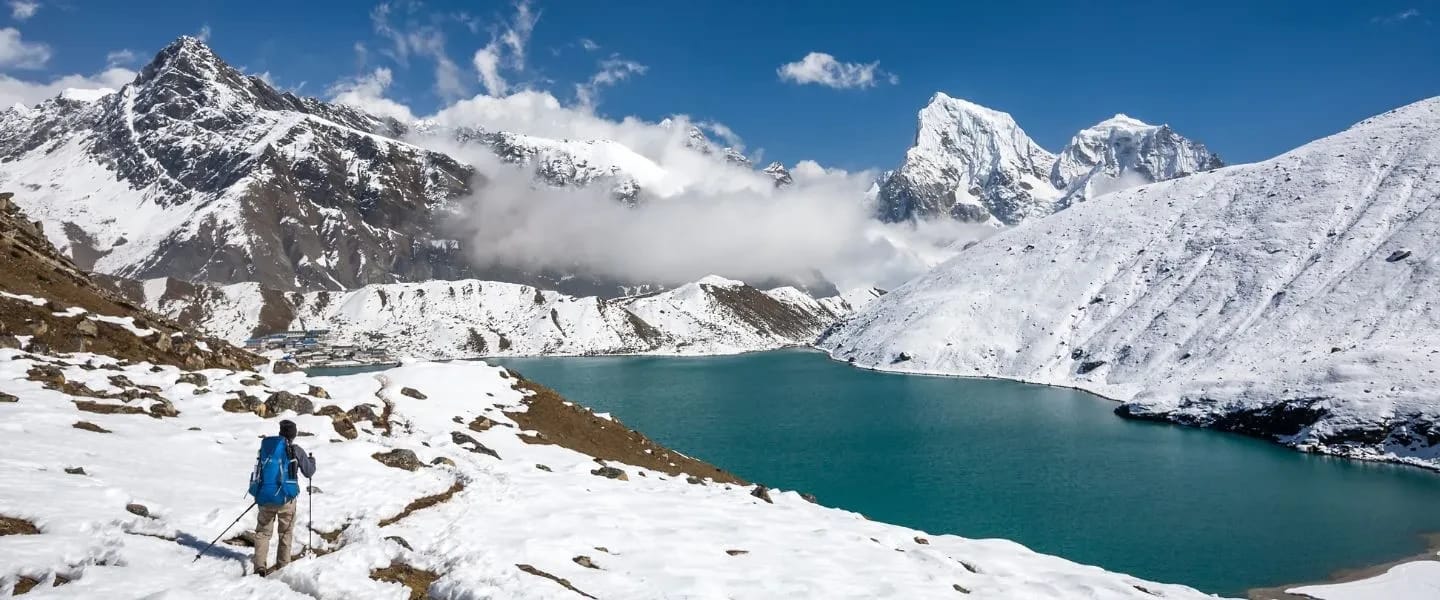
Dudh Kunda, the “milk lake”, is a sacred glacial lake beneath Numbur Himal in the Solu region. Hindu and Buddhist pilgrims gather here at the Janai Purnima full moon in August. It is the goal of the Dudh Kunda Trek, a quiet route through Sherpa villages and rhododendron forest south of the Khumbu.
- Elevation: ~4,560 m / 14,961 ft
- Type: Lake
- Region: Everest Region
- District: Solukhumbu
- Sacred lake; Janai Purnima pilgrimage
- Treks: Dudh Kunda Trek
About Dudh Kunda
Dudh Kunda (दूधकुण्ड), also known as Dudhkunda Lake, is a sacred high-altitude glacial lake in the Solu region of Solukhumbu District, eastern Nepal. Situated at approximately 4,560 metres (14,961 feet) above sea level, the lake lies beneath the impressive Numbur Himal and is surrounded by rugged Himalayan mountains, rocky slopes and alpine landscapes.
The name Dudh Kunda means “Lake of Milk” in Nepali. The lake is an important pilgrimage destination for Hindu, Buddhist and Kirat communities, who consider its waters sacred. It is particularly famous for the annual pilgrimage during Janai Purnima, when devotees travel through the mountains to perform religious rituals, offer prayers and bathe in the holy lake.
Unlike the crowded trekking destinations of the upper Everest region, Dudh Kunda offers a quieter Himalayan experience. Its trekking route passes through traditional Sherpa settlements, forests, mountain pastures and remote valleys, providing opportunities to experience the natural beauty and cultural heritage of Lower Solukhumbu.
Location and Altitude
Dudh Kunda is located in Solududhkunda Municipality of Solukhumbu District, beneath Numbur Himal. It belongs to the Solu region, south of the main Everest Base Camp trekking corridor.
- Name: Dudh Kunda / Dudhkunda Lake
- Nepali Name: दूधकुण्ड
- Location: Solududhkunda Municipality, Solukhumbu District, Nepal
- Province: Koshi Province
- Altitude: Approximately 4,560 metres (14,961 feet)
- Mountain: Numbur Himal
- Region: Solu, Lower Everest region
- Nearest Main Town: Salleri
- Trekking Access: Phaplu, Ringmo and Thupten Chholing
- Religious Importance: Sacred to Hindu, Buddhist and Kirat communities
Published elevation figures vary slightly, with some sources giving approximately 4,600–4,632 metres. Around 4,560 metres is a commonly quoted trekking elevation.
Religious and Cultural Significance of Dudh Kunda
Dudh Kunda is one of the most important sacred lakes in the Solu region. Local communities associate the lake with spiritual protection, blessings, prosperity and the fulfilment of wishes.
Sacred Lake: The lake is revered by Hindu, Buddhist and Kirat communities. Pilgrims visit to pray, perform rituals and seek spiritual blessings.
Numbur Himal – Protector of Solu: Numbur Himal is traditionally regarded by local people as a sacred mountain and the protective deity of the Solu region. It is also associated with the name Shorong Yul Lha.
Janai Purnima Festival: Dudh Kunda attracts large numbers of pilgrims during Janai Purnima, which falls on the full moon in the Nepali month of Shrawan or Bhadra, depending on the calendar. Devotees gather near the lake for ritual bathing, prayers and religious offerings.
Traditional Shamans and Rituals: The pilgrimage is also associated with traditional dhami-jhankri practices, in which local spiritual practitioners perform ceremonies and rituals.
Treks That Lead to Dudh Kunda
The Dudh Kunda Trek is a remote and culturally rewarding journey through the southern part of Solukhumbu. Several routes lead to the lake, passing through traditional settlements, monasteries, forests and alpine landscapes.
Phaplu to Dudh Kunda Trek: Phaplu is a common starting point for visitors travelling to the lake. The route passes through settlements and mountain trails before reaching the high-altitude lake.
Ringmo to Dudh Kunda Trek: The Nepal Tourism Board identifies Ringmo as a principal starting point for the Dudh Kunda trail. The route follows the mountain trail towards Sarsarbeni and the lake. The minimum trekking time from Ringmo is approximately five days, with an additional day recommended for exploring the lake area.
Thupten Chholing to Dudh Kunda Trek: An alternative route begins near Thupten Chholing Monastery and follows a remote ridge through forests and rocky pastures before joining the main trail at Sarsarbeni.
Pikey Peak and Dudh Kunda Cultural Trail: Trekkers can combine Dudh Kunda with Pikey Danda, Junbesi and other traditional Solu destinations for a longer cultural and mountain journey.
Tea Houses and Accommodation Around Dudh Kunda
Accommodation on the Dudh Kunda trekking route is more limited than on the main Everest Base Camp trail. Trekkers may find basic lodges and tea shops in some villages along the approach, but there are no dependable tea house facilities throughout the remote trail to the lake. The Nepal Tourism Board advises trekkers using the Ringmo route to be fully self-sufficient. Camping is therefore an important part of planning this journey.
Phaplu and Salleri: These towns offer accommodation, restaurants and shops where trekkers can arrange supplies before starting the journey.
Ringmo: A traditional village and important access point for the Dudh Kunda trail. Facilities are basic, so visitors should confirm accommodation before setting out.
Thupten Chholing: The area around the monastery provides access to an alternative trekking route through forested ridges and remote pastures. Accommodation options should be checked locally.
Sarsarbeni and the Upper Trail: This is a remote high-altitude section approaching the lake. Trekkers should be prepared for camping and carry sufficient food, warm clothing and essential supplies.
Meals on the route may include traditional Nepali and Sherpa dishes where local lodges or tea shops are available. Do not rely on regular food services or shops near the lake itself.
Nature and Landscape of Dudh Kunda
Dudh Kunda is surrounded by a beautiful high-altitude Himalayan environment beneath Numbur Himal. Its landscape combines glacial water, rocky mountain slopes, alpine pastures and snow-covered peaks.
Glacial Lake: Dudh Kunda is a high-altitude mountain lake with cold water and a dramatic setting beneath Numbur Himal. Its pale appearance is associated with its name, meaning Lake of Milk.
Numbur Himal: The mountain dominates the landscape around the lake. Its snow-covered slopes and rugged ridges create an impressive backdrop for pilgrims, trekkers and photographers.
Rhododendron and Pine Forests: The lower trekking routes pass through forested areas containing rhododendron, pine and other Himalayan vegetation. During spring, flowering rhododendrons add colour to the trails.
Alpine Meadows and Pastures: As the trail climbs higher, forests gradually give way to open grasslands, rocky slopes and alpine vegetation.
Mountain Wildlife: The wider Solu region provides habitat for Himalayan wildlife, including mountain birds and mammals. Wildlife sightings are possible but never guaranteed.
Himalayan Mountain Views: The surrounding landscape offers views of Numbur Himal and other snow-covered mountains of the Solu and wider Himalayan region.
Best Time to Visit Dudh Kunda
The best seasons for trekking to Dudh Kunda are generally spring (March to May) and autumn (September to November). These periods usually provide better trail conditions and clearer mountain views.
- Spring: A beautiful season for trekking, with warmer daytime temperatures and rhododendron flowers in the lower forests.
- Autumn: Generally favourable weather and clear mountain views make this a popular time for visiting the lake.
- Summer/Monsoon: The Janai Purnima pilgrimage takes place during the monsoon period. Although this is the most important religious occasion, rain, muddy trails, leeches and cloudy weather can make trekking more difficult.
- Winter: Snowfall and freezing temperatures can make the upper trail challenging, and camping requires proper cold-weather equipment.
Best time for pilgrimage: Janai Purnima, during the full moon in Shrawan or Bhadra, is the main annual religious gathering at Dudh Kunda. The exact date changes each year according to the lunar calendar.
Main Attractions Around Dudh Kunda
- Dudh Kunda Lake: The sacred glacial lake is the main attraction, known for its spiritual importance and beautiful mountain setting.
- Numbur Himal: A striking Himalayan peak traditionally revered as the protective deity of the Solu region.
- Janai Purnima Pilgrimage: An important annual gathering when devotees visit the lake for religious ceremonies and ritual bathing.
- Ringmo Village: A traditional settlement and principal access point for the Dudh Kunda trekking route.
- Thupten Chholing Monastery: A significant Buddhist monastery in Solu, offering a cultural experience and an alternative route towards the lake.
- Sarsarbeni: A remote mountain area along the trekking approach to Dudh Kunda.
- Pikey Danda: A popular viewpoint that can be combined with a longer Solu cultural trekking journey.
- Rhododendron Forests: Forest trails along the lower route are especially attractive during the spring flowering season.
How to Reach Dudh Kunda
The journey to Dudh Kunda generally begins from Phaplu or Salleri in Solukhumbu District. Travellers can reach the area by road from Kathmandu or take a domestic flight to Phaplu when flights are operating.
From Phaplu, trekkers can continue towards Ringmo or choose the alternative approach through Thupten Chholing. The Nepal Tourism Board describes the Ringmo route as taking a minimum of five trekking days to reach the lake, with an additional day recommended for exploring the surrounding area. Actual itineraries depend on the starting point, route and walking pace.
Because the upper trail is remote, visitors should arrange local guidance, check trail conditions and plan food and camping arrangements in advance.
Cultural Heritage and Responsible Tourism
Dudh Kunda is more than a natural attraction; it is an important part of the spiritual and cultural heritage of the Solu region. Its annual pilgrimage brings together people from different communities, reflecting the longstanding religious traditions associated with sacred Himalayan lakes.
Visitors should respect local customs, avoid disturbing religious ceremonies and follow guidance from local communities. Swimming or bathing should be approached with caution because the lake is extremely cold and located at high altitude. Trekkers should also carry out all rubbish and avoid polluting the lake or its surrounding environment.
Where is Dudh Kunda?
The exact point on the Himalaya trail, with nearby places for context.
On this map
Nearby places
Village
Ringmo (Solukhumbu)
रिङ्मो
2,720 m
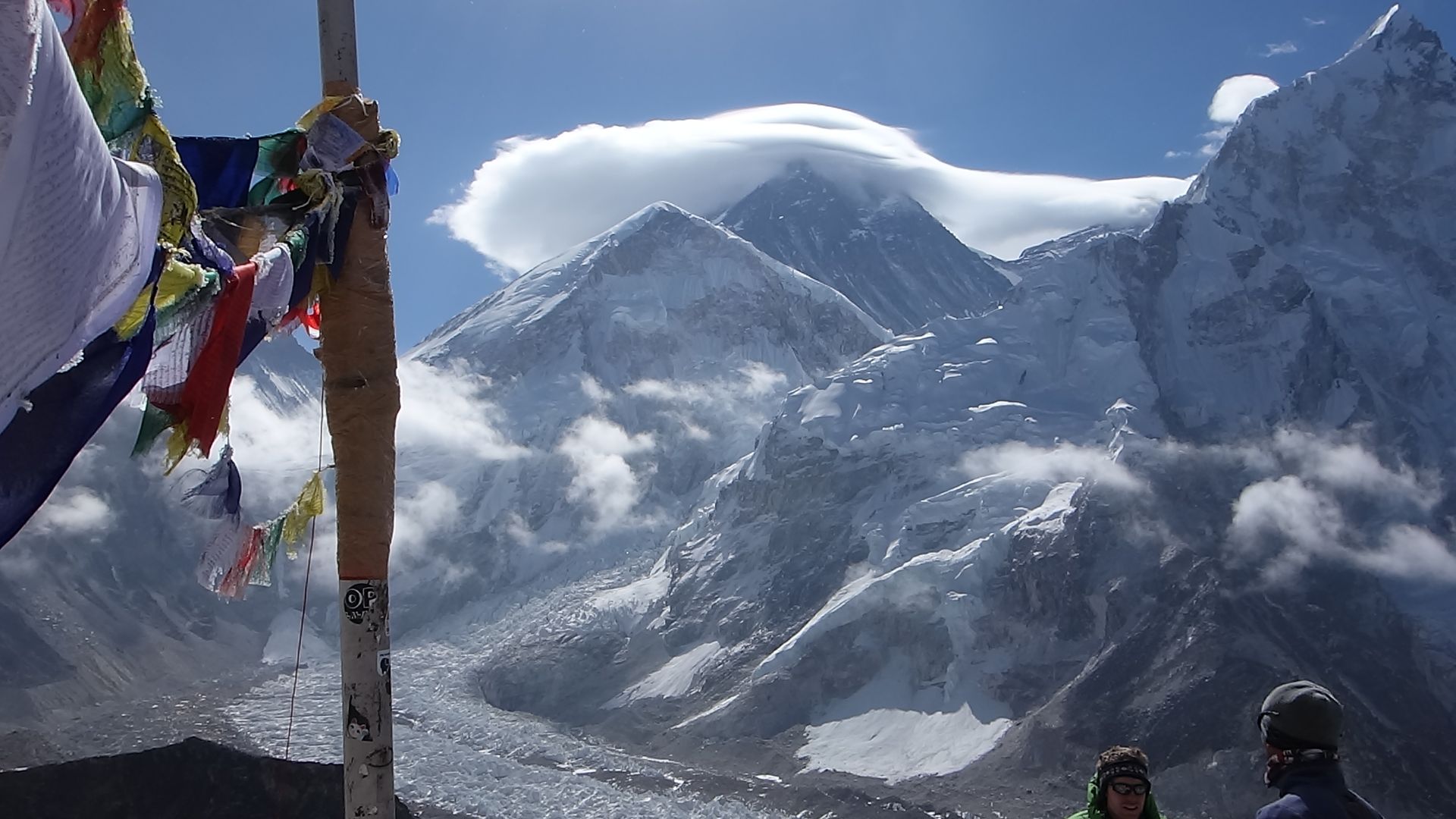
Ringmo is a small Sherpa village in Solu, known for its apple orchards, on the old route between Junbesi and the Taksindu La. It lies on the classic Jiri to Everest trail and the approach to Dudh Kunda. It should not be confused with Ringmo village at Phoksundo Lake in Dolpo.
Read place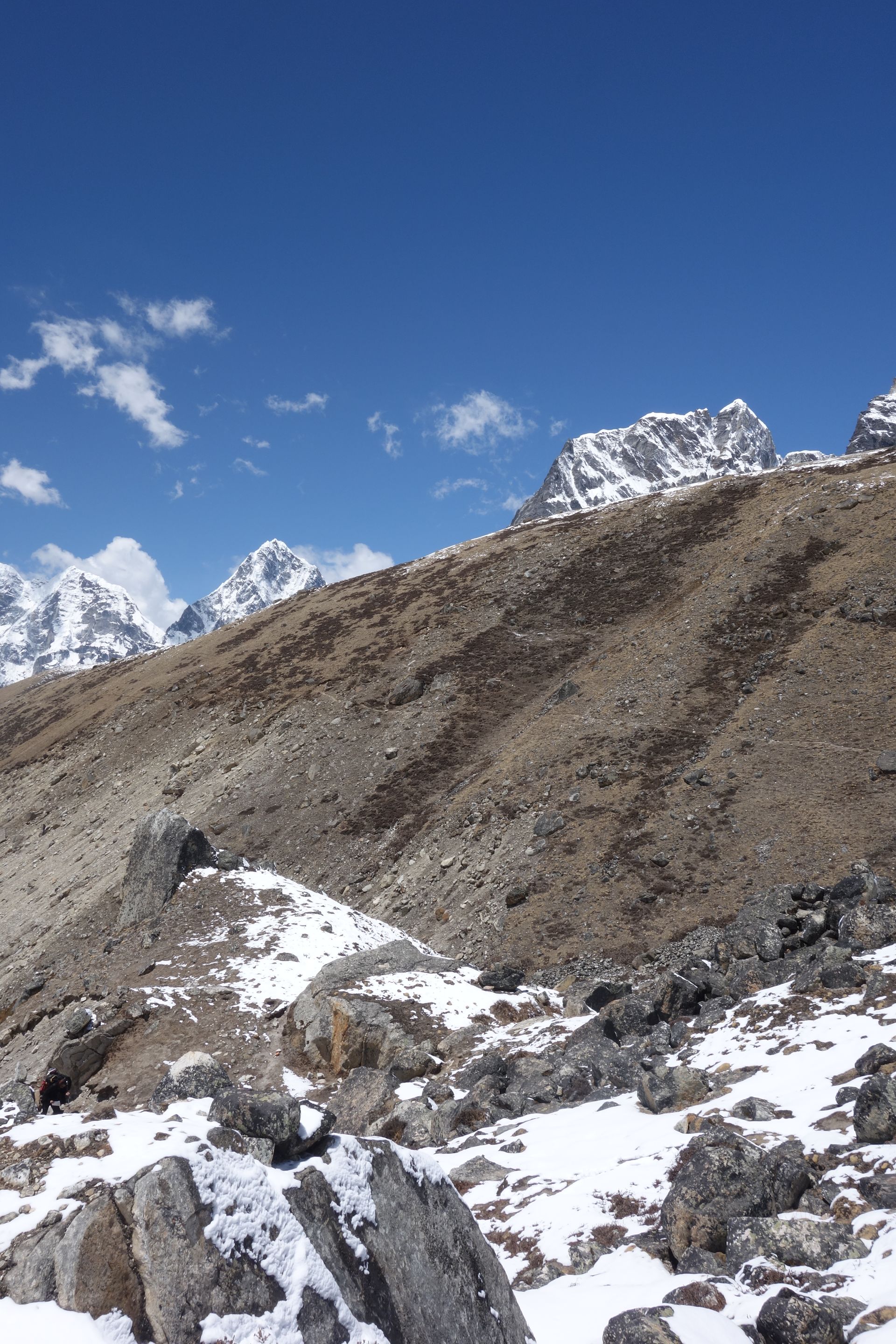
Airstrip / airport
Phaplu
फाप्लु
2,413 m
Phaplu is a Sherpa town in the Solu valley with an airstrip linked by flights to Kathmandu. It is a quieter alternative gateway to the Everest Region and the starting point for several lower Solu treks. Chiwong Monastery, which hosts a Mani Rimdu festival, is on a ridge nearby.
Read place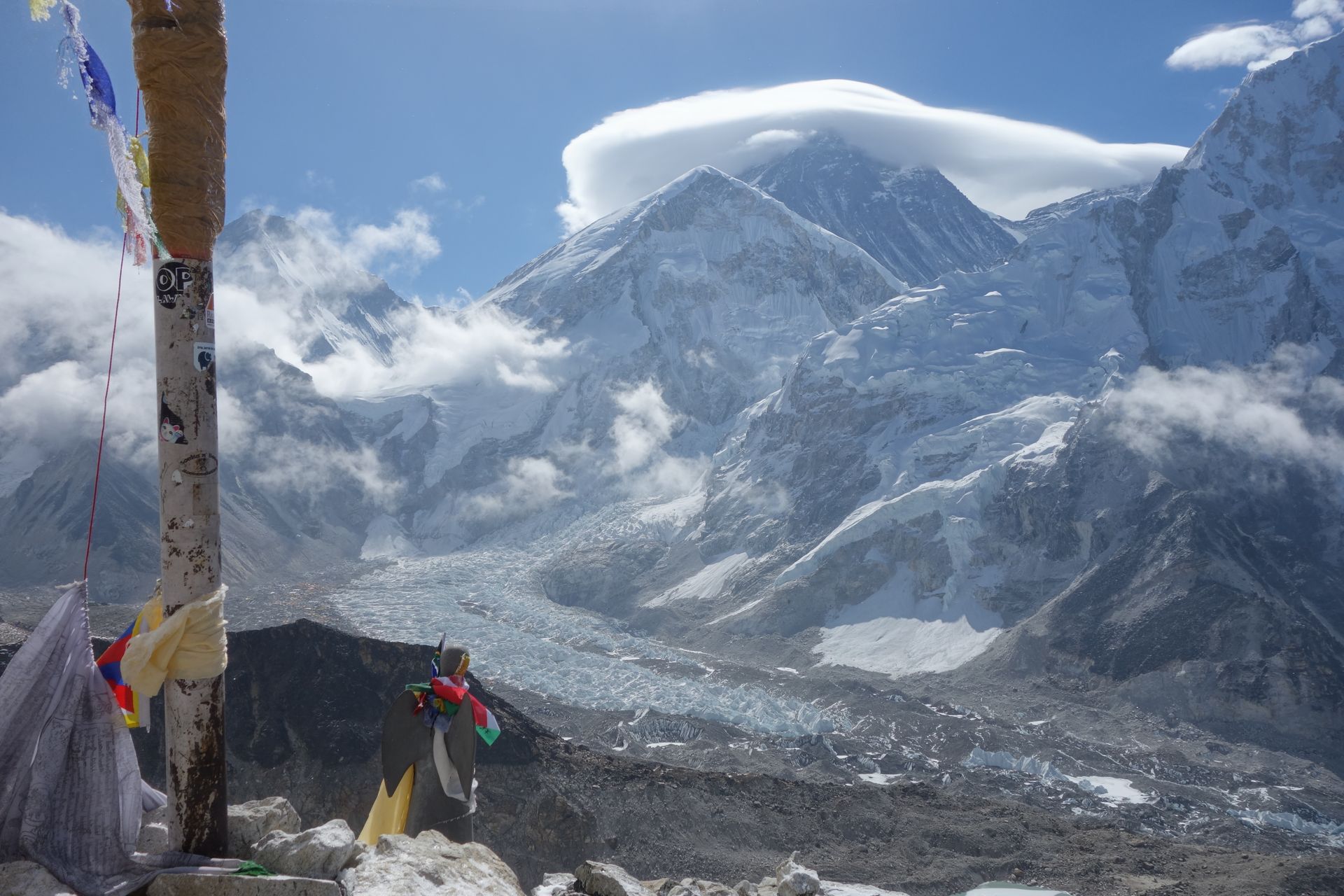
Town / city
Salleri
सल्लेरी
2,390 m
Salleri is the district headquarters of Solukhumbu, a market town in the lower Solu region connected to Kathmandu by road. It is a starting point for treks to Dudh Kunda, Pikey Peak and the lower Everest trail. Phaplu airstrip is a short walk away.
Read place