

Town / city
Salleri
सल्लेरी
Salleri is the district headquarters of Solukhumbu, a market town in the lower Solu region connected to Kathmandu by road. It is a starting point for treks to Dudh Kunda, Pikey Peak and the lower Everest trail. Phaplu airstrip is a short walk away.
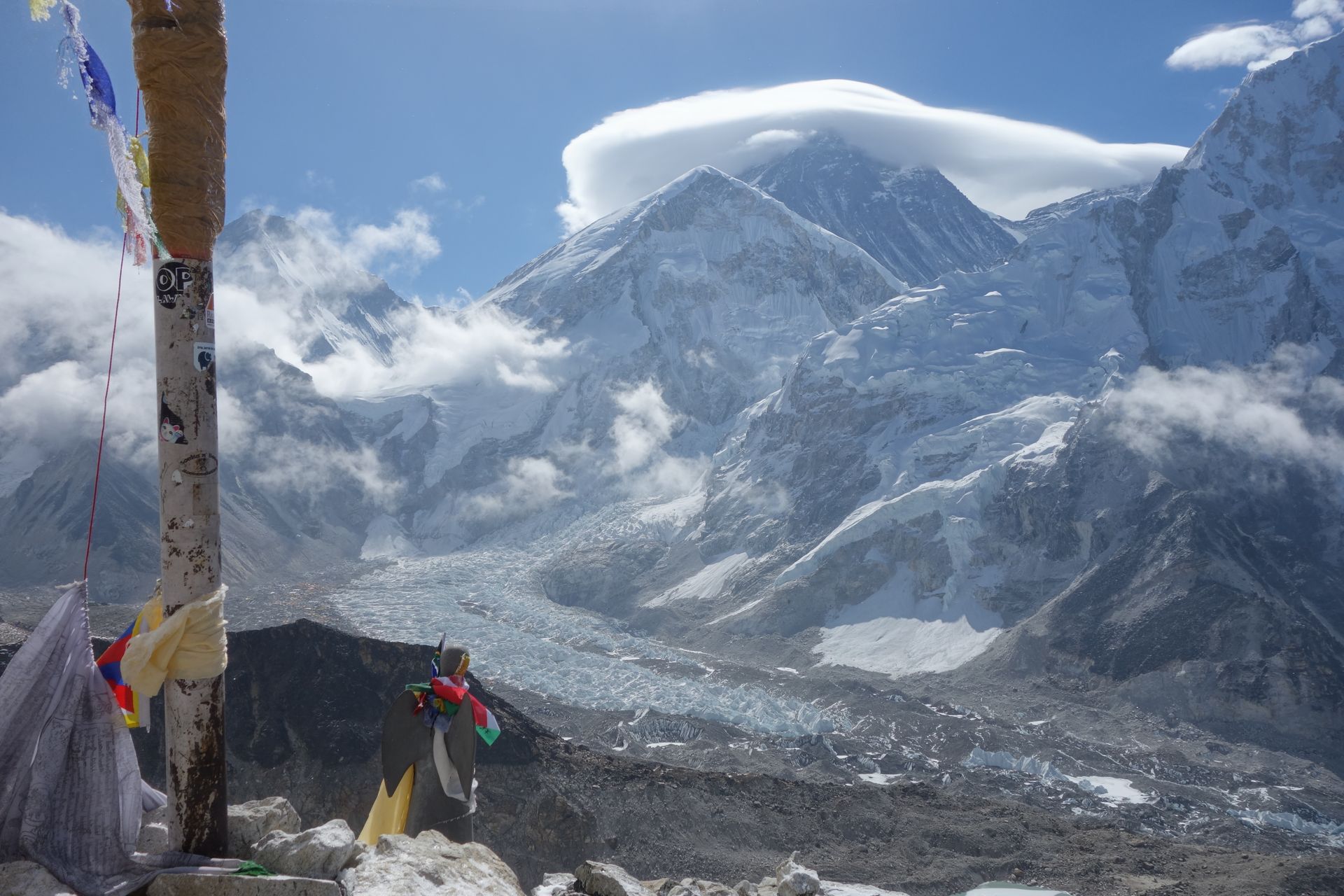
- Elevation: ~2,390 m / 7,841 ft
- Type: Town
- Region: Everest Region
- District: Solukhumbu
- District headquarters of Solukhumbu
- Treks: Dudh Kunda Trek, Pikey Peak Trek, Everest Panorama Trek
About Salleri
Salleri (सल्लेरी) is a beautiful hill town in Solukhumbu District, Koshi Province, eastern Nepal. Located at approximately 2,390 metres (7,841 feet) above sea level, it is the administrative headquarters of Solukhumbu and an important gateway to the Solu and Khumbu regions. Surrounded by green hills, pine forests, terraced farmland and traditional mountain settlements, Salleri offers a quieter experience of the Everest region away from the busier trekking trails.
Salleri is an important starting point for exploring Lower Solukhumbu and travelling towards famous destinations such as Pikey Peak, Dudh Kunda, Junbesi, Thupten Chholing Monastery and Phaplu. With road connections to Kathmandu and access to Phaplu Airport nearby, the town provides an alternative gateway for travellers who want to explore the cultural landscapes of Solu before continuing towards the higher Himalayan mountains.
Location and Altitude
Salleri is situated in the lower Solu region, within Solududhkunda Municipality. It lies in a scenic valley surrounded by hills, forests and traditional villages.
- Name: Salleri
- Location: Solududhkunda Municipality, Solukhumbu District, Nepal
- Province: Koshi Province
- Altitude: Approximately 2,390 metres (7,841 feet)
- Coordinates: Approximately 27.5026° N, 86.5859° E
- Administrative Importance: District headquarters of Solukhumbu
- Nearest Airport: Phaplu Airport
- Nearby Settlements: Phaplu, Chialsa and Junbesi
- Major Trekking Destinations: Pikey Peak and Dudh Kunda
The Nepal Tourism Board's Solukhumbu trekking map lists Salleri at approximately 2,390 metres.
History and Cultural Importance of Salleri
Salleri has long served as an important administrative and trading centre for the Solu region. It developed as a settlement connecting surrounding Sherpa, Rai and other hill communities with markets, government services and transport facilities.
Today, Salleri is the headquarters of Solukhumbu District and the administrative centre of Solududhkunda Municipality. The municipality was formed by combining several former village development committees, with Salleri as its central town.
The wider Solu region is known for its Sherpa Buddhist heritage, traditional village life and cultural festivals. Local celebrations include Mani Rimdu, Lakhe Jatra and Bhumenach, reflecting the area's diverse cultural traditions.
Treks That Start from or Pass Through Salleri
Salleri is an excellent starting point for trekking in Lower Solukhumbu. Its trails connect traditional villages, Buddhist monasteries, forested hills, sacred lakes and Himalayan viewpoints.
Pikey Peak Trek: One of the most popular trekking routes from the Salleri and Phaplu area. Pikey Peak, at approximately 4,065 metres, is famous for sunrise and sunset views of the Himalayan range, including Mount Everest and other major peaks.
Dudh Kunda Trek: This sacred lake trek leads towards Dudh Kunda beneath Numbur Himal. The route passes through traditional settlements, forests and alpine landscapes, offering both natural scenery and religious experiences.
Junbesi Cultural Trek: The trail to Junbesi passes through traditional Sherpa settlements and offers opportunities to experience local culture, monasteries and mountain scenery.
Thupten Chholing Monastery Trek: Visitors can walk towards this important Tibetan Buddhist monastery through scenic hills and traditional villages. It is a significant cultural destination in the Solu region.
Pikey–Dudh Kunda Cultural Trail: This longer trekking journey combines Pikey Peak, Junbesi, Phaplu, Thaksindu and Dudh Kunda, creating an opportunity to explore the cultural and natural attractions of Lower Solukhumbu.
Tea Houses and Accommodation in Salleri
Salleri is one of the more convenient places to find accommodation in Lower Solukhumbu. Unlike remote high-altitude trekking settlements, the town has hotels, guesthouses, lodges and restaurants serving both local residents and visitors travelling through the region.
Hotels and Guesthouses: Visitors can find basic to more comfortable rooms, making Salleri a convenient place to stay before or after trekking.
Local Restaurants: Restaurants serve Nepali meals, including dal bhat, rice, noodles, soups, vegetables and traditional local dishes. Tea shops and small cafés are also available.
Trekking Lodges: Accommodation providers cater to trekkers preparing for journeys towards Pikey Peak, Dudh Kunda, Junbesi and other destinations.
Nearby Phaplu: Phaplu also has accommodation facilities and provides access to its airport, hospital and surrounding trekking routes.
Compared with higher Himalayan villages, Salleri generally offers better access to shops, transport, food supplies and everyday services. Travellers should still confirm accommodation availability during busy pilgrimage and trekking periods.
Nature and Landscape of Salleri
Salleri is surrounded by the beautiful natural scenery of the Solu hills. Its landscape is greener and more forested than the high-altitude Khumbu region, with cultivated hillsides, pine forests, river valleys and distant Himalayan views.
Pine Forests: The hills around Salleri contain pine forests and other temperate vegetation. These forests provide peaceful walking environments and contribute to the area's natural beauty.
Terraced Farmland: Green agricultural terraces surround many settlements in the region. Local farming contributes to the traditional rural landscape.
Solu River Valley: The wider area contains river valleys and streams that flow through the lower Solu landscape, supporting agriculture and local communities.
Himalayan Mountain Views: On clear days, surrounding hills and higher viewpoints offer views towards Numbur Himal and other snow-covered Himalayan peaks.
Rhododendron and Alpine Vegetation: Higher trekking routes towards Pikey Peak and Dudh Kunda pass through rhododendron forests, mountain grasslands and alpine vegetation. Spring brings colourful flowers to many forest sections.
Birdlife and Wildlife: The forests and mountain habitats around Solukhumbu support a variety of Himalayan birds and wildlife. The quieter trekking routes provide opportunities for nature observation.
Best Time to Visit Salleri
Salleri can be visited throughout much of the year, but spring (March to May) and autumn (September to November) are generally the most favourable seasons for sightseeing and trekking.
- Spring: Pleasant daytime temperatures, green hills and flowering rhododendrons make this an attractive season for exploring the region.
- Summer/Monsoon: The landscape becomes lush and green, but heavy rain can affect road conditions, trails and transport.
- Autumn: Clearer skies, comfortable trekking conditions and good mountain visibility make this a popular season.
- Winter: Cold mornings and evenings are common, but the lower elevation makes Salleri more accessible than many high-altitude Himalayan destinations.
For trekking to Pikey Peak and Dudh Kunda, visitors should consider the weather and trail conditions at higher elevations, which can differ considerably from those in Salleri.
Main Attractions in and Around Salleri
- Salleri Bazaar: The main commercial area of Solukhumbu, with local shops, markets, restaurants and everyday services.
- Phaplu: A nearby settlement with an airport, hospital and access to several trekking destinations.
- Chiwong Monastery: A beautiful Buddhist monastery perched on a rocky hillside above Phaplu, known for its religious atmosphere and mountain views. It also hosts the Mani Rimdu festival in autumn.
Travel Guide · Visit Nepal - Pikey Peak: A popular Himalayan viewpoint at approximately 4,065 metres, famous for panoramic mountain scenery and sunrise views.
Nepal Tourism Board - Dudh Kunda: A sacred high-altitude lake beneath Numbur Himal, attracting pilgrims and trekkers.
- Junbesi Village: A traditional Sherpa settlement known for its cultural heritage, mountain scenery and Buddhist monasteries.
- Thupten Chholing Monastery: An important Buddhist monastic centre near Junbesi, offering insight into the spiritual traditions of the Solu region.
- Ratnange Danda: A nearby hill viewpoint popular for local excursions and views of the surrounding landscape.
- Jwalamai Temple: A religious site in the wider Solukhumbu area, recognised by the municipality as one of its important temples.
How to Reach Salleri
Salleri is accessible by road from Kathmandu and other parts of Nepal. Travellers can also fly to nearby Phaplu Airport when flights are operating.
By Road: Buses and jeeps connect Kathmandu with Salleri. The journey generally takes around 10–12 hours or longer, depending on road conditions, traffic and weather. The route passes through scenic hill landscapes before reaching Solukhumbu.
By Air: Travellers can take a domestic flight from Kathmandu to Phaplu when scheduled services are available. From Phaplu, Salleri is a short walk or local road transfer away.
By Trekking: Salleri is a starting point for walking routes towards Junbesi, Pikey Peak, Dudh Kunda and other destinations in Lower Solukhumbu. It can also be used as an overland starting point for longer journeys towards the Everest trekking region.
Road and flight services can change with weather and seasonal conditions, so checking current transport schedules before departure is recommended.
Local Culture, Food and Lifestyle
Salleri provides an opportunity to experience the traditional lifestyle of the Solu region. The town and surrounding villages are home to communities with diverse cultural backgrounds, including Sherpa and Rai communities.
Sherpa Culture: Buddhist traditions, monasteries, prayer flags and traditional mountain hospitality are important parts of the wider region.
Rai Traditions: Rai communities contribute to the cultural diversity of Lower Solukhumbu through their languages, customs, festivals and traditional practices.
Local Food: Visitors can enjoy dal bhat, traditional Nepali dishes, locally produced dairy products and meals prepared with regional agricultural ingredients.
Festivals: Mani Rimdu, Lakhe Jatra and Bhumenach are among the festivals celebrated in the wider municipality, reflecting its diverse cultural heritage.
Where is Salleri?
The exact point on the Himalaya trail, with nearby places for context.
On this map
Nearby places
Airstrip / airport
Phaplu
फाप्लु
2,413 m
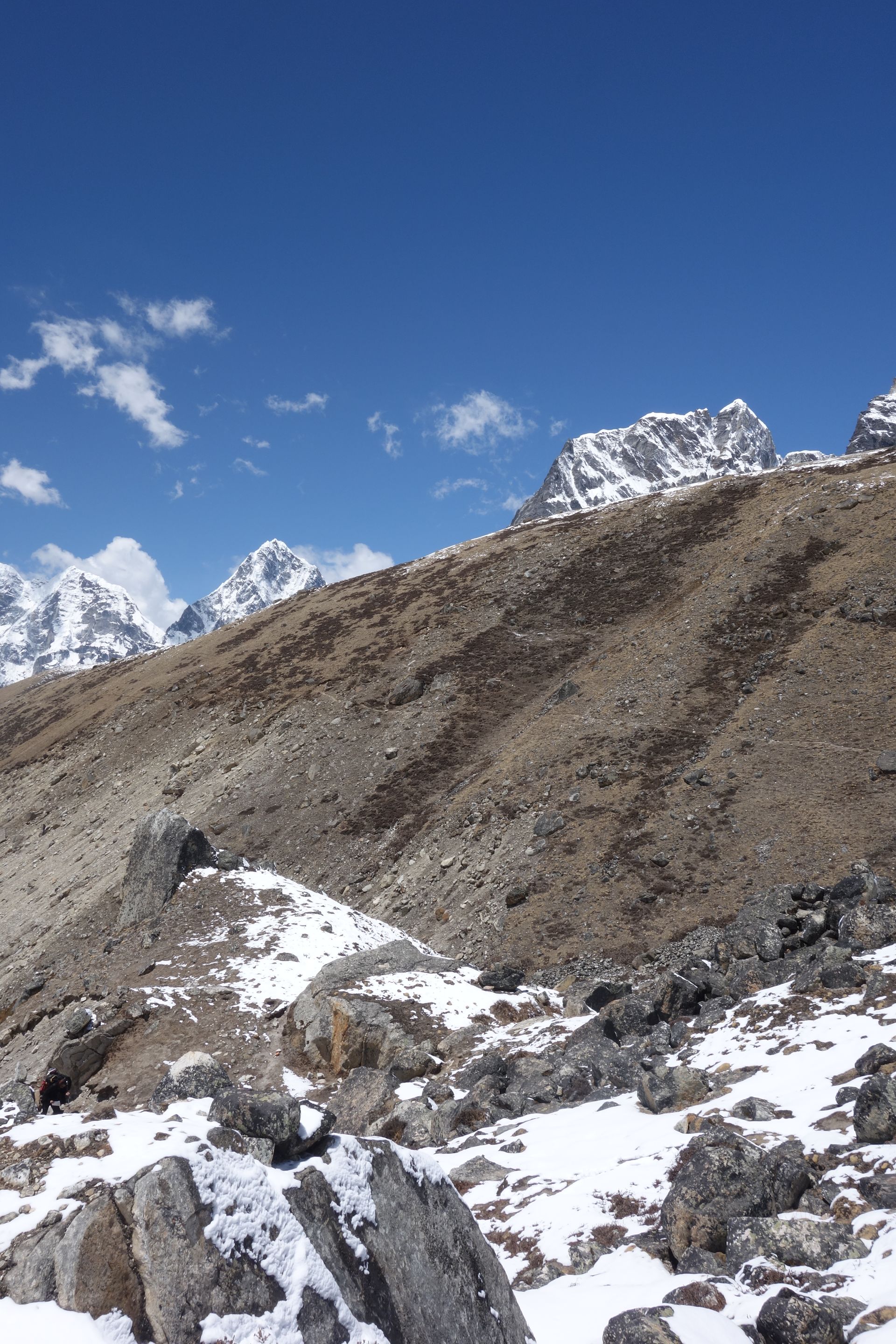
Phaplu is a Sherpa town in the Solu valley with an airstrip linked by flights to Kathmandu. It is a quieter alternative gateway to the Everest Region and the starting point for several lower Solu treks. Chiwong Monastery, which hosts a Mani Rimdu festival, is on a ridge nearby.
Read place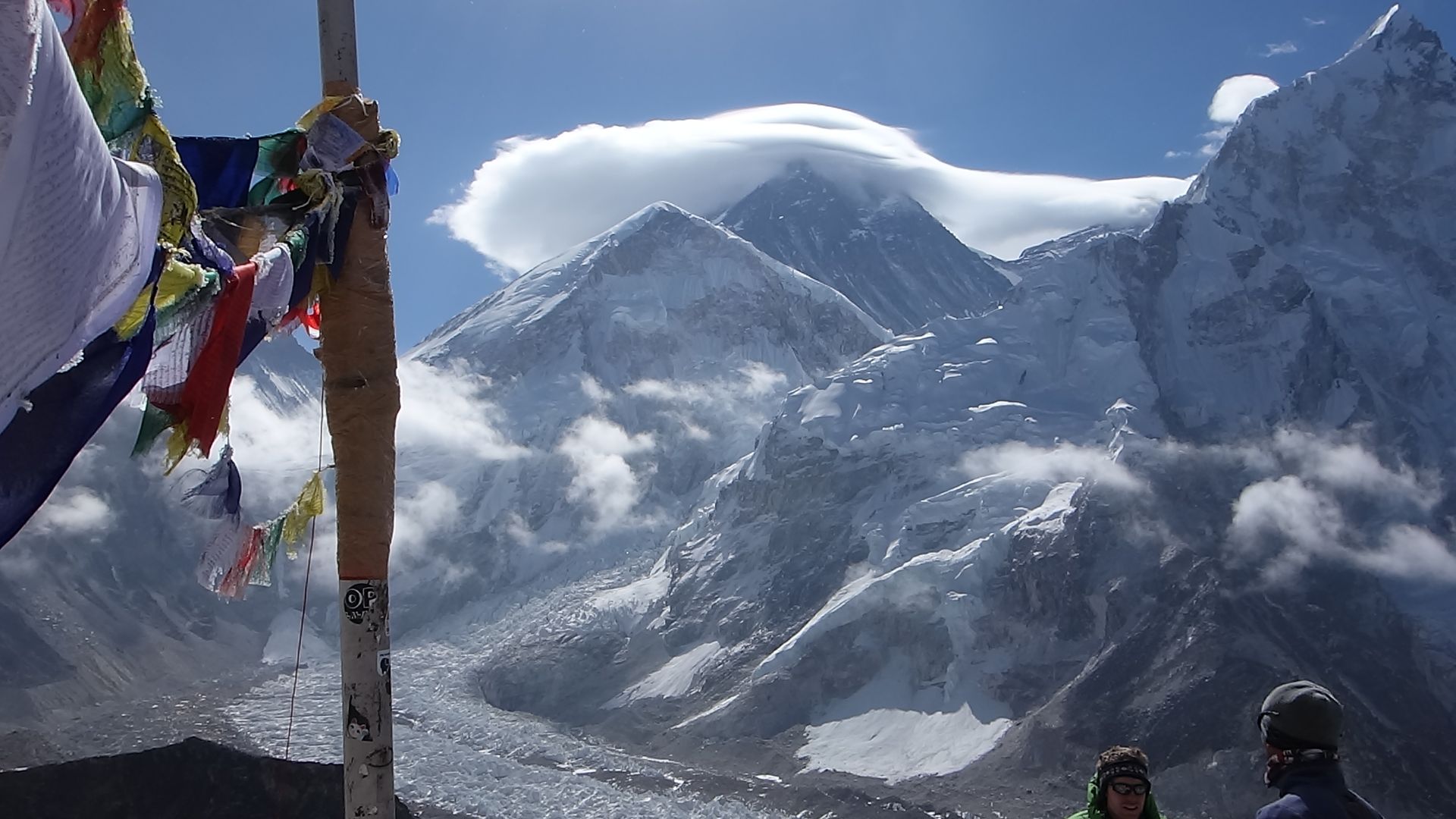
Village
Ringmo (Solukhumbu)
रिङ्मो
2,720 m
Ringmo is a small Sherpa village in Solu, known for its apple orchards, on the old route between Junbesi and the Taksindu La. It lies on the classic Jiri to Everest trail and the approach to Dudh Kunda. It should not be confused with Ringmo village at Phoksundo Lake in Dolpo.
Read place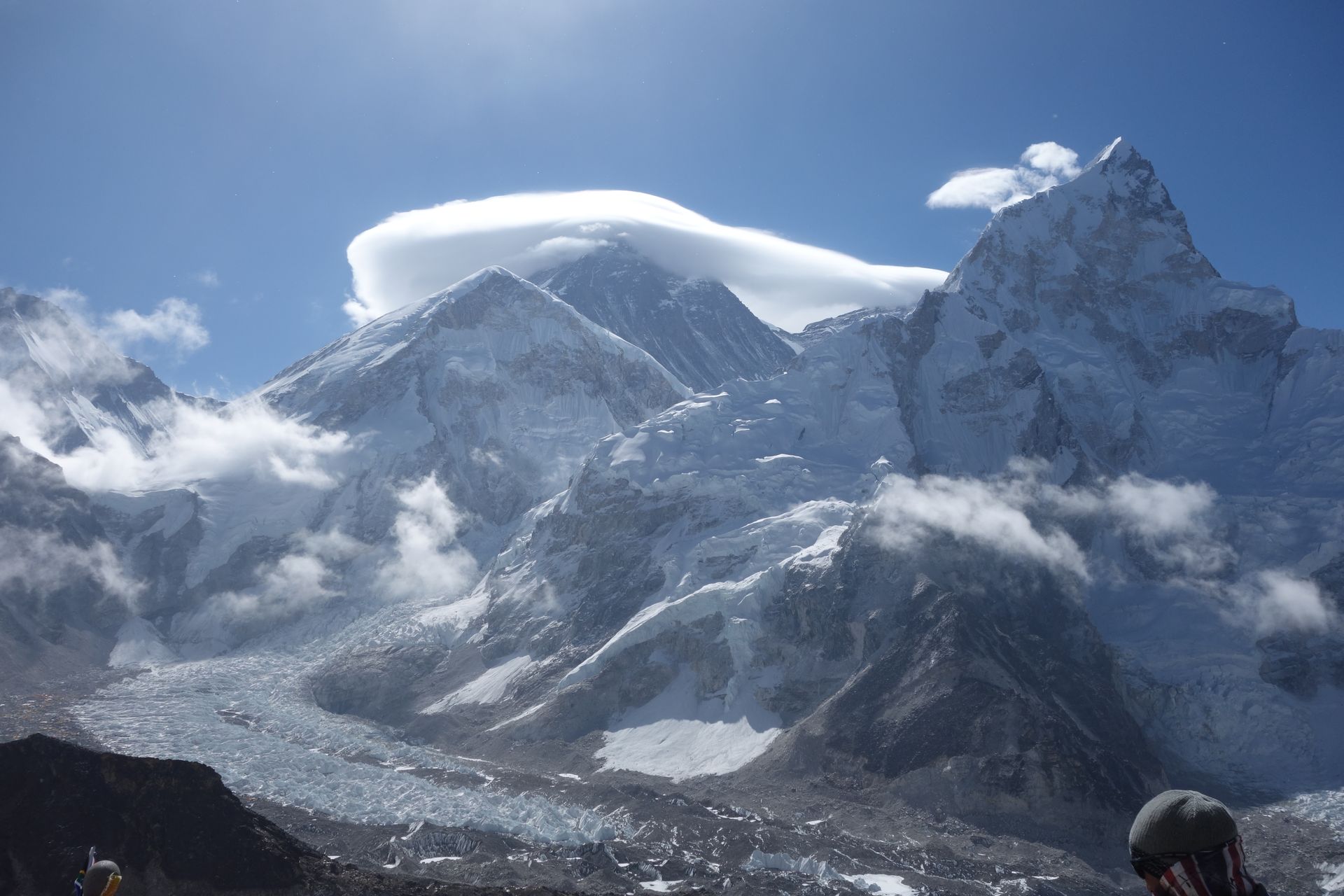
Village
Junbesi
जुनबेसी
2,675 m
Junbesi is one of the most attractive Sherpa villages in the Solu region, set in a wide valley on the old trail from Jiri to Everest. Its gompa and the nearby Thupten Choling Monastery are worth visiting. It is a regular overnight stop on the classic Jiri to EBC route and the Pikey Peak trek.
Read place