

Village
Junbesi
जुनबेसी
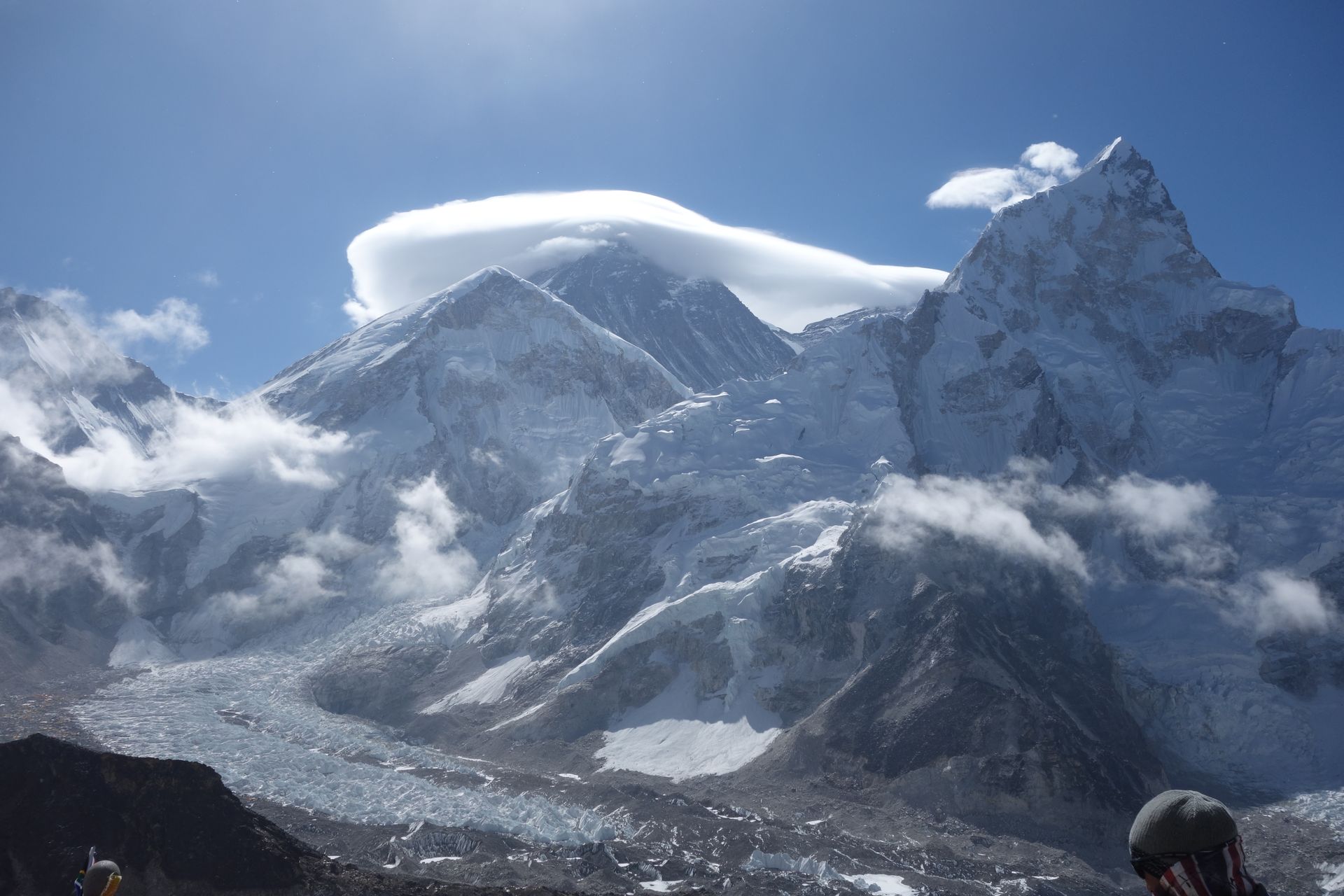
Junbesi is one of the most attractive Sherpa villages in the Solu region, set in a wide valley on the old trail from Jiri to Everest. Its gompa and the nearby Thupten Choling Monastery are worth visiting. It is a regular overnight stop on the classic Jiri to EBC route and the Pikey Peak trek.
- Elevation: ~2,675 m / 8,776 ft
- Type: Village
- Region: Everest Region
- District: Solukhumbu
- Thupten Choling Monastery nearby
- Treks: Everest Base Camp Trek Classic Route (Via Jiri to EBC), Pikey Peak Trek
About Junbesi
Junbesi is a beautiful traditional Sherpa village in the Solu region of Solukhumbu District, Koshi Province, Nepal. Situated at approximately 2,675 metres above sea level, the village lies in a peaceful green valley surrounded by terraced farmland, pine-covered hills and Himalayan landscapes. Known for its traditional stone houses, Buddhist monasteries and welcoming local community, Junbesi offers visitors an authentic experience of Sherpa culture and mountain life.
Junbesi is also an important stop on the historic Jiri-to-Everest trekking route and the Pikey Peak–Dudh Kunda cultural trail. Before flights to Lukla became the usual gateway for Everest trekkers, many expeditions and visitors travelled through this part of Solukhumbu on foot. Today, Junbesi remains a rewarding destination for trekkers interested in cultural heritage, quiet mountain trails, monasteries and natural scenery.
Location and Altitude
- Village: Junbesi
- Nepali Name: जुनबेसी
- District: Solukhumbu
- Province: Koshi Province, Nepal
- Region: Solu, Lower Solukhumbu
- Altitude: Approximately 2,675 metres (8,776 feet)
- Nearest Airport: Phaplu Airport
- Nearby Settlements: Phaplu, Salleri and Ringmo
- Major Attractions: Thupten Chholing Monastery, Serlo Monastery, traditional Sherpa village and Pikey Peak trekking route
Sherpa Culture and Traditional Lifestyle
Junbesi is one of the well-known Sherpa settlements in Lower Solukhumbu. Its cultural identity is closely connected with Tibetan Buddhism, traditional farming and mountain hospitality. Visitors can explore stone-built houses, Buddhist prayer flags, mani walls, chortens and monasteries that reflect the spiritual traditions of the local community.
Agriculture and tourism are important parts of village life. Local families cultivate crops and vegetables, maintain orchards and operate small lodges and teahouses for trekkers. Visitors can experience traditional Sherpa food, local hospitality and the peaceful rhythm of everyday life in the Solu hills.
Monasteries and Religious Heritage
Junbesi and its surrounding valley have several important Buddhist religious sites.
- Thupten Chholing Monastery: A major Buddhist monastic community located above Junbesi. Founded in the late 1960s by Trulshik Rinpoche, it is known for its religious education, meditation and monastic traditions.
- Serlo Monastery: A monastery above the village that offers visitors an opportunity to learn about local Buddhist practices.
- Junbesi Village Gompa: The village's local monastery is an important part of its religious and community life.
Visitors should dress modestly, respect religious customs and ask permission before photographing monks, nuns or ceremonies.
Historic Jiri-to-Everest Trekking Route
Junbesi has a special place in the history of trekking in Nepal. It lies along the traditional walking route from Jiri towards the Everest region. Before the development of Lukla as the main air gateway, trekkers and mountaineering expeditions used this longer route to reach the Khumbu.
The historic trail passes through forests, mountain passes, traditional settlements and Sherpa villages. It remains an appealing choice for visitors who want a slower journey through the cultural landscapes of Solukhumbu.
Treks That Pass Through Junbesi
Junbesi is an important stop on several trekking routes in the Solu region.
- Pikey Peak Trek: A popular cultural and scenic trek that passes through Junbesi, offering views of the Himalayan ranges, including Everest on clear days.
- Pikey Peak–Dudh Kunda Cultural Trail: Connects Junbesi with Phaplu, Taksindu and the sacred Dudh Kunda Lake.
- Jiri-to-Everest Trek: Follows the traditional walking route towards the Everest region through forested hills, villages and high mountain passes.
- Solu Cultural Trek: Provides opportunities to explore Sherpa settlements, Buddhist monasteries, local traditions and rural landscapes.
- Thupten Chholing Monastery Walk: A rewarding local excursion from Junbesi to the monastery above the valley.
Tea Houses and Accommodation in Junbesi
Junbesi offers family-run lodges, guesthouses and traditional teahouses for trekkers and visitors. These accommodations provide a comfortable place to rest while exploring the Solu region. Many have simple rooms, shared or private bathrooms, warm dining areas and home-cooked meals.
Visitors can enjoy traditional Nepali dishes such as dal bhat, noodles, soups and locally prepared vegetables. Some lodges also serve meals made with locally grown produce and apples from nearby orchards. Compared with remote high-altitude trekking settlements, Junbesi provides a pleasant village environment for an overnight stay or a rest day.
Accommodation is generally available during the main trekking seasons, but visitors should confirm current lodge operations and room availability before travelling.
Nature and Landscape of Junbesi
Junbesi is surrounded by a beautiful combination of green hills, mountain forests, agricultural terraces and Himalayan scenery. Its natural environment makes it an attractive destination for nature lovers, photographers and trekkers.
- Pine Forests: Forested hills surrounding the village create a peaceful mountain atmosphere.
- Rhododendron Forests: Higher trails towards Lamjura La are known for colourful rhododendron blooms during spring.
- Terraced Farmland: Traditional fields of local crops and vegetables cover the slopes around the village.
- Mountain Views: The surrounding landscape offers views towards the Numbur region and nearby Himalayan peaks.
- Junbesi Valley: The green valley and its streams, orchards and traditional settlements create a scenic rural environment.
- Birdlife and Wildlife: The wider forested landscape provides habitat for Himalayan birds and other mountain wildlife.
The changing scenery between forests, cultivated hillsides and distant snow-covered mountains makes Junbesi a memorable destination throughout the trekking seasons.
Best Time to Visit Junbesi
The best seasons to visit Junbesi are spring and autumn.
Spring (March to May): Spring brings pleasant trekking conditions, blooming rhododendrons and fresh greenery. Forest trails become especially attractive, and the surrounding hills are colourful.
Autumn (September to November): Autumn is one of the best periods for trekking, with generally clearer skies, comfortable daytime temperatures and good mountain visibility.
Winter (December to February): Winter offers a quieter village experience, although temperatures can become cold and higher trails may receive snow.
Monsoon (June to August): Heavy rainfall can make trails slippery and roads difficult to travel. Cloud cover may also reduce mountain visibility.
Main Attractions in Junbesi
- Thupten Chholing Monastery: An important Buddhist monastic centre known for its spiritual atmosphere and religious traditions.
- Serlo Monastery: A peaceful religious site located above Junbesi village.
- Traditional Sherpa Houses: Stone-built homes and village architecture offer insight into local mountain life.
- Pikey Peak Trail: A scenic trekking route with spectacular Himalayan panoramas.
- Lamjura La: A mountain pass on the historic Jiri-to-Everest route, known for its forest scenery and spring rhododendrons.
- Numbur Himalayan Views: The surrounding valley provides beautiful views towards the Numbur mountain region.
- Local Village Life: Visitors can experience Sherpa hospitality, traditional food, agriculture and Buddhist culture.
How to Reach Junbesi
Junbesi can be reached by road or trekking routes from different parts of Solukhumbu.
- From Phaplu: Visitors can travel from Phaplu towards Junbesi on foot, traditionally taking around 3½–5 hours depending on the route and walking pace.
- From Salleri: The village is accessible by trekking from Salleri, with the journey traditionally taking around three hours.
- From Kathmandu: Travellers can drive to Phaplu or Salleri and continue towards Junbesi. Flights to Phaplu may also be available depending on the operating schedule.
- From Pikey Peak: Trekkers can descend towards Junbesi as part of the Pikey Peak trekking route.
Road conditions and local transport arrangements can change, especially during the monsoon, so it is advisable to check current access information before travelling.
Where is Junbesi?
The exact point on the Himalaya trail, with nearby places for context.
On this map
Nearby places
Airstrip / airport
Phaplu
फाप्लु
2,413 m
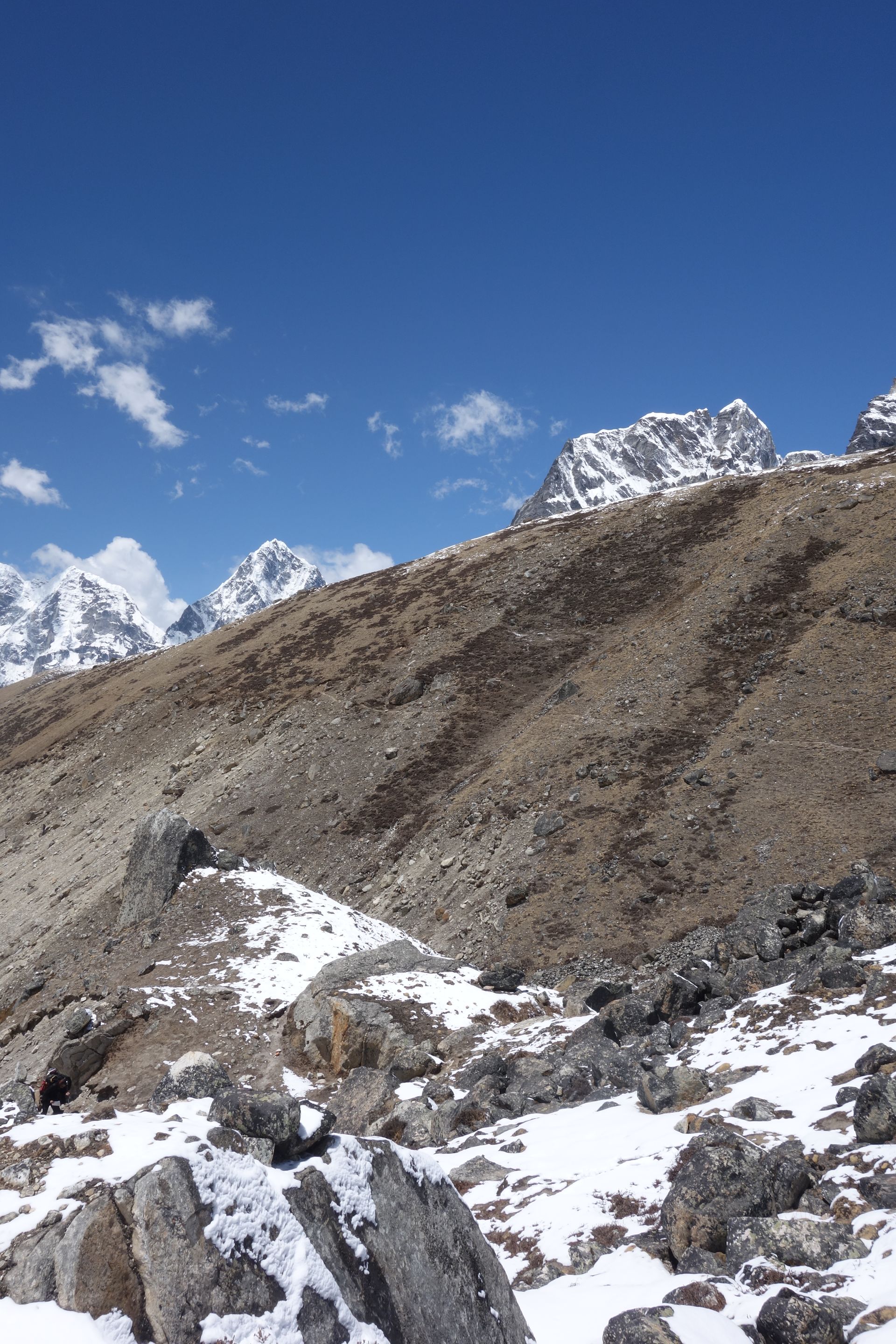
Phaplu is a Sherpa town in the Solu valley with an airstrip linked by flights to Kathmandu. It is a quieter alternative gateway to the Everest Region and the starting point for several lower Solu treks. Chiwong Monastery, which hosts a Mani Rimdu festival, is on a ridge nearby.
Read place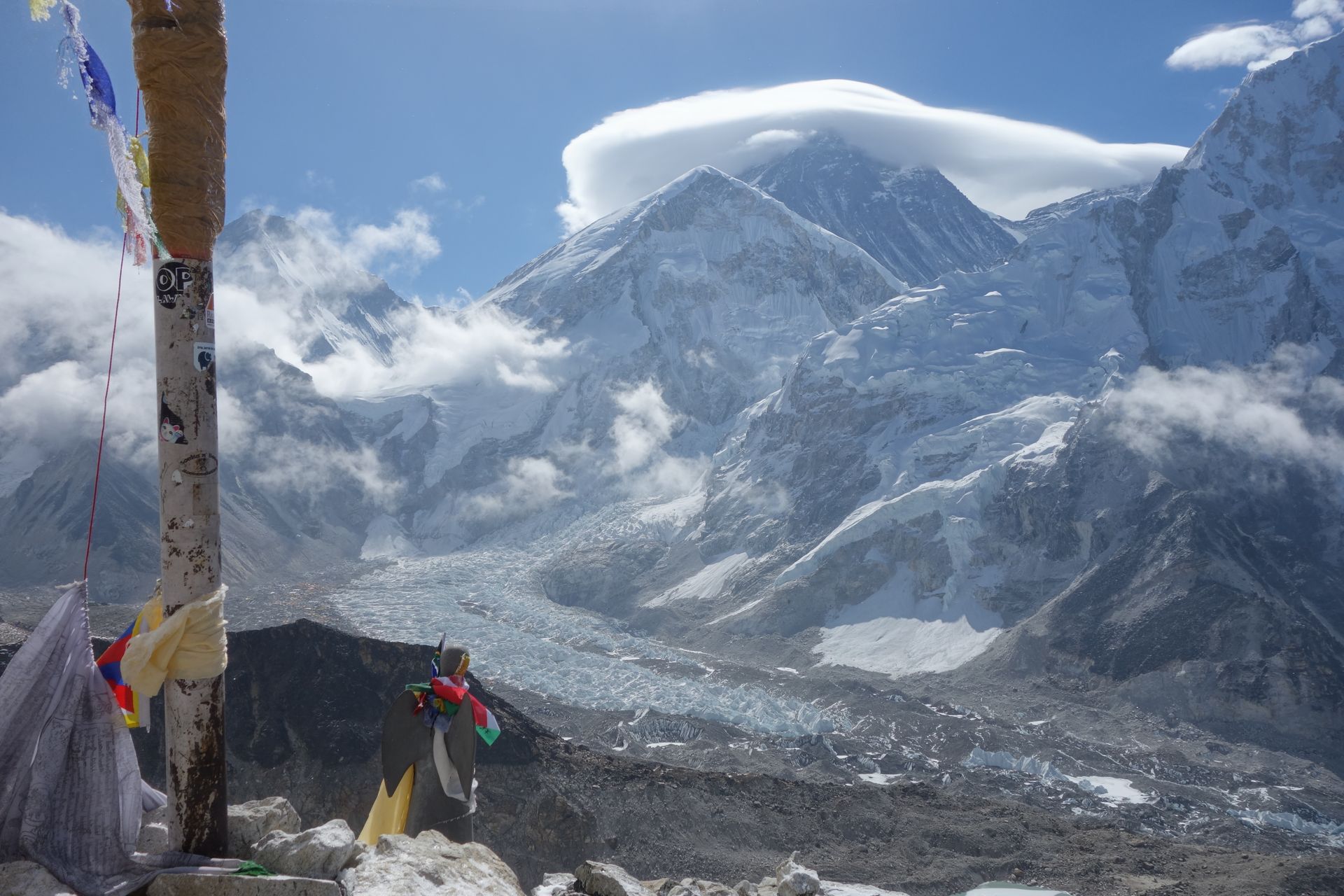
Town / city
Salleri
सल्लेरी
2,390 m
Salleri is the district headquarters of Solukhumbu, a market town in the lower Solu region connected to Kathmandu by road. It is a starting point for treks to Dudh Kunda, Pikey Peak and the lower Everest trail. Phaplu airstrip is a short walk away.
Read place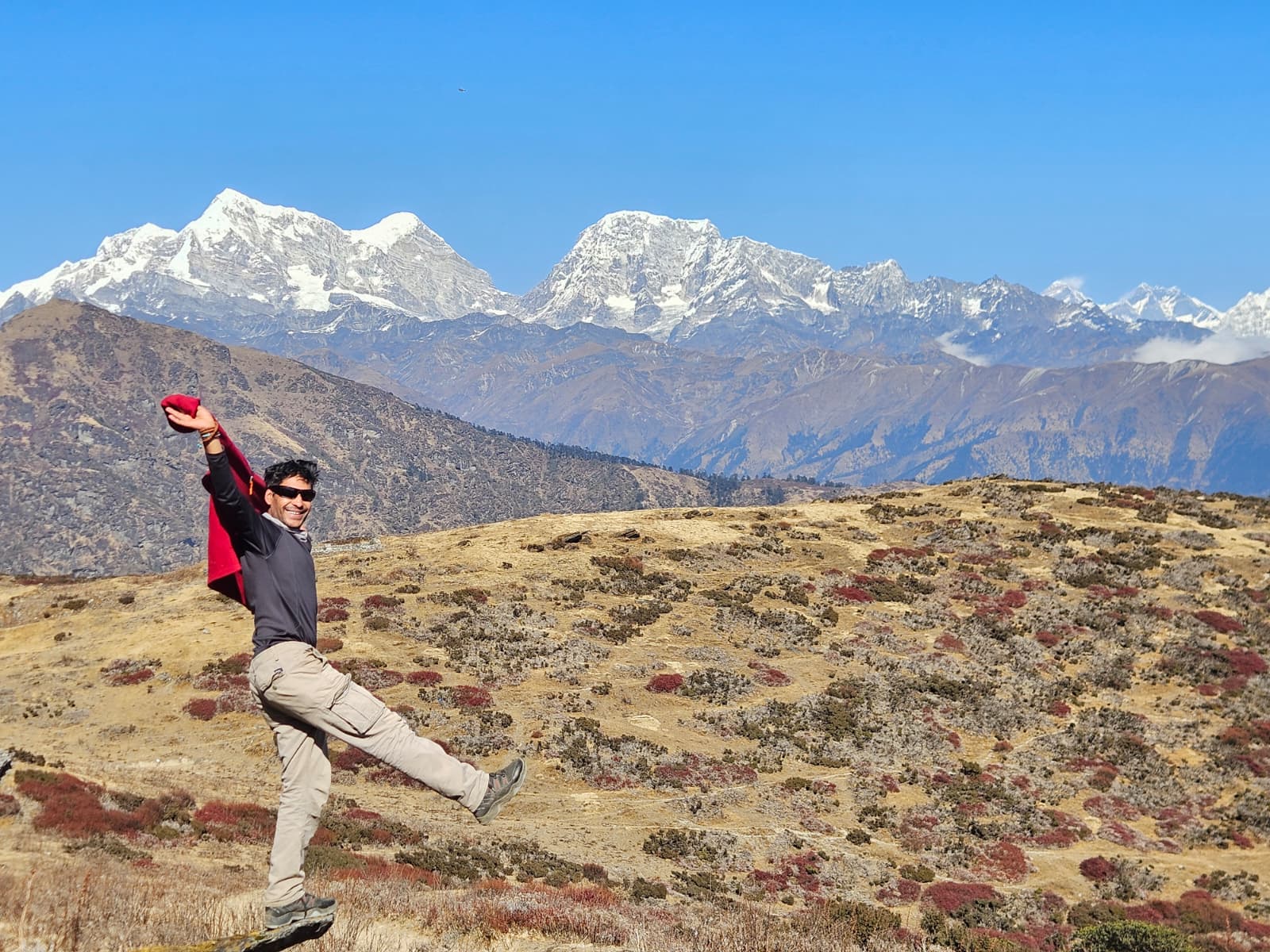
Viewpoint
Pikey Peak
पिके पिक
4,065 m
Pikey Peak is a 4,065 m hill in the lower Solu region, one of the best viewpoints in Nepal for a short trek. On a clear morning it reveals a long Himalayan panorama from Kanchenjunga to Everest and the Annapurnas.
Read place