

Base camp
Island Peak Base Camp
आइल्यान्ड पिक आधार शिविर
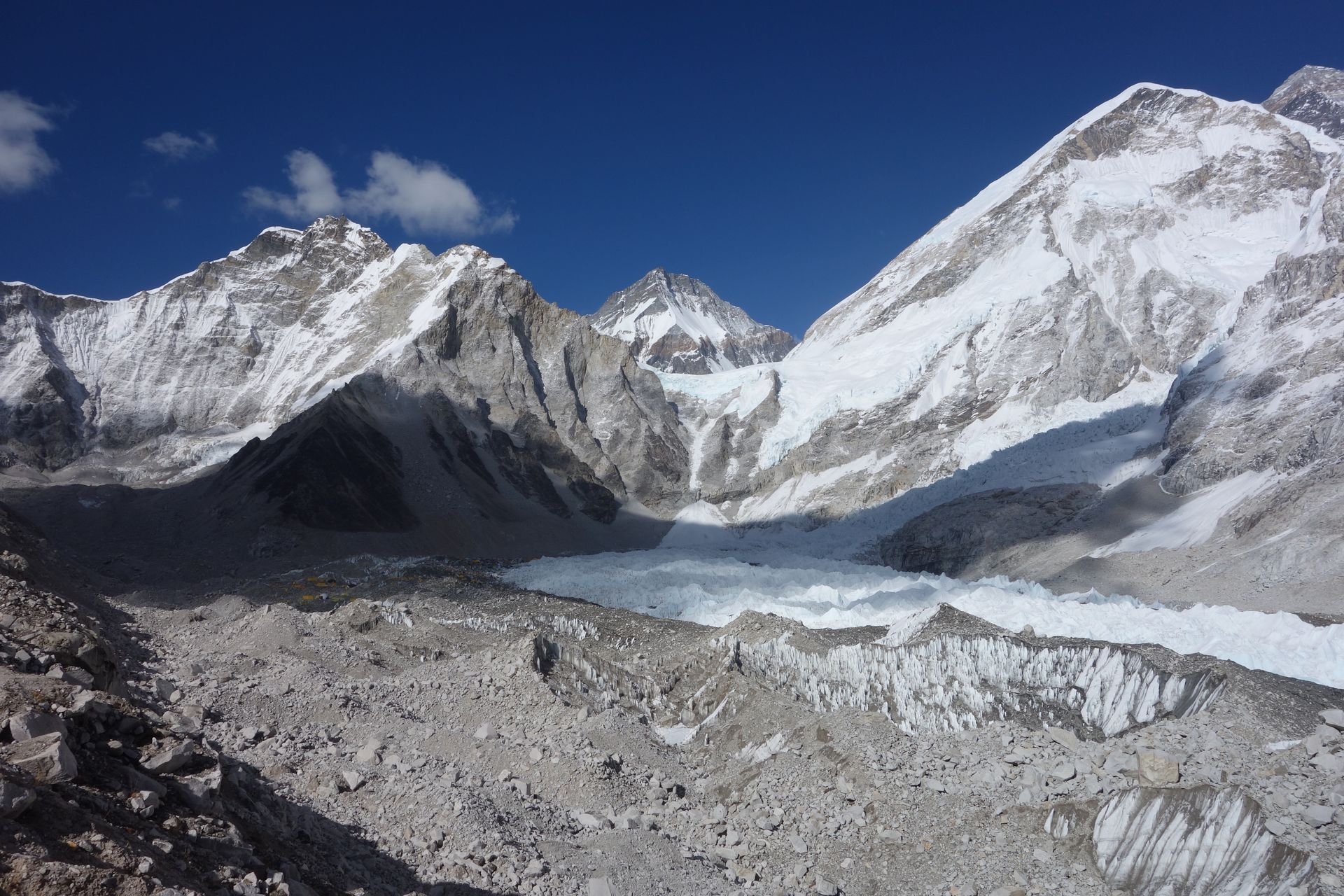
Island Peak Base Camp is a tented camp on the moraine beneath Island Peak, a few hours’ walk above Chhukung. Climbers spend the night here before the summit push. There are no permanent lodges; groups bring tents and kitchen crews.
- Elevation: ~5,087 m / 16,690 ft
- Type: Base camp
- Region: Everest Region
- District: Solukhumbu
- Treks: Everest Three Passes Trek
About Island Peak Base Camp
Island Peak Base Camp is a high-altitude mountaineering campsite in the upper Imja Valley of the Khumbu region, Solukhumbu District, Nepal. Situated beneath Island Peak (Imja Tse), 6,189 metres, the base camp is an important staging point for climbers preparing to ascend one of Nepal's most popular trekking peaks. Surrounded by dramatic Himalayan mountains, glaciers and rugged alpine terrain, it offers an unforgettable experience in the heart of the Everest region.
Located above Chhukung and beyond Dingboche, Island Peak Base Camp is reached by trekking through the Imja Valley. Climbers typically use it to organise their equipment, receive climbing instructions and prepare for the higher route towards High Camp and the summit. Unlike the busy villages along the Everest Base Camp trail, the base camp is a remote mountain environment with limited facilities and no permanent village settlement.
Location and Altitude
- Destination: Island Peak Base Camp
- Nepali Name: आइल्यान्ड पिक आधार शिविर
- Alternative Name: Imja Tse Base Camp
- District: Solukhumbu
- Province: Koshi Province, Nepal
- Region: Khumbu, Everest region
- Altitude: Approximately 5,087–5,100 metres (16,690–16,732 feet)
- Nearest Settlement: Chhukung
- Nearby Mountain: Island Peak (Imja Tse), 6,189 metres
- Nearby Natural Features: Imja Glacier, Imja Tsho and Lhotse Glacier
The exact camp location and quoted altitude can vary slightly between climbing itineraries and seasonal arrangements.
Island Peak Base Camp and Its Importance
Island Peak Base Camp is the main staging area for climbers attempting Island Peak. It is located in a rugged alpine landscape near the Imja Glacier, where climbing teams establish temporary camps before continuing towards the mountain.
The camp provides a place to rest, organise mountaineering equipment, receive route briefings and prepare for the summit attempt. Depending on the climbing itinerary, teams may spend one or more nights here before climbing. Some expeditions also establish a higher camp at approximately 5,600 metres to shorten the summit-day ascent.
Trek from Chhukung to Island Peak Base Camp
Chhukung is the last established village on the usual approach to Island Peak Base Camp. From here, the trail follows the upper Imja Valley towards the mountain, gradually leaving the teahouse settlements behind.
The walk generally takes around four to five hours, depending on weather, trail conditions, altitude and walking pace. The route passes rocky terrain, glacial moraine and open mountain slopes, with increasingly impressive views of Island Peak and surrounding Himalayan mountains.
Climbing Route from Base Camp to Island Peak Summit
The climb from base camp to the summit is a challenging high-altitude mountaineering journey. The standard route involves rocky slopes, a glacier crossing, a steep snow and ice headwall and a narrow summit ridge.
The usual climbing stages include:
- Base Camp: Climbers prepare equipment, check their health and receive technical briefings.
- High Camp (optional): Some teams climb to approximately 5,600 metres to establish a higher overnight camp.
- Rocky Ridge: The ascent begins over steep rocky terrain towards the glacier.
- Glacier Crossing: Climbers use mountaineering equipment and ropes to negotiate crevasses and icy sections.
- Summit Headwall: Fixed ropes are used to climb the steep snow and ice section.
- Summit Ridge: The final approach follows a narrow, exposed ridge towards the summit at approximately 6,189 metres.
The summit climb requires technical preparation, appropriate equipment and experienced climbing leadership. Route conditions, crevasses and fixed-rope arrangements can change between climbing seasons.
Treks and Climbing Routes That Pass Through Island Peak Base Camp
Island Peak Base Camp is primarily associated with mountaineering, but it can also form part of longer trekking and climbing itineraries.
- Island Peak Climbing Expedition: The standard expedition approaches from Lukla through Namche Bazaar, Tengboche, Dingboche and Chhukung before reaching base camp.
- Everest Base Camp and Island Peak Combination: Trekkers combine the classic Everest Base Camp route with an Island Peak climbing expedition.
- Three Passes Trek and Island Peak: Experienced trekkers sometimes combine the mountain climb with the challenging Kongma La, Cho La and Renjo La trekking circuit.
- Imja Valley Trek: The approach from Dingboche through Chhukung explores the upper Imja Valley and its surrounding mountain scenery.
Not every trekking itinerary visits the base camp. Reaching it is a separate high-altitude excursion from Chhukung and requires appropriate preparation.
Tea Houses and Accommodation at Island Peak Base Camp
There are no permanent tea houses or hotels at Island Peak Base Camp. Accommodation is provided in temporary expedition tents arranged by climbing operators and support teams.
A typical base camp setup may include:
- Sleeping tents for climbers and expedition staff.
- A dining tent for meals and rest.
- A kitchen tent operated by the climbing crew.
- Basic temporary toilet facilities.
- Equipment storage and preparation areas.
Hot meals and drinking water are usually organised by the expedition kitchen. Water must be treated or boiled before consumption. Climbers should bring suitable sleeping bags, insulated clothing and personal equipment for cold nights at high altitude.
Nearby Tea Houses: Chhukung is the closest established settlement with trekking lodges and teahouses. It offers basic accommodation, meals and a place to rest before or after the climb. Dingboche also provides a wider selection of trekking lodges farther down the valley.
Nature and Landscape of Island Peak Base Camp
Island Peak Base Camp is surrounded by a dramatic high-altitude environment shaped by glaciers, rocky mountains, snowfields and alpine terrain. Its remote location offers a close view of the natural landscape of the upper Khumbu.
- Imja Glacier: A major glacial feature near the base camp, contributing to the rugged scenery of the upper Imja Valley.
- Lhotse Glacier: Part of the surrounding glacial landscape beneath the towering Lhotse massif.
- Island Peak: The impressive mountain rises above the camp, with its rocky ridges and snow-covered summit.
- Imja Valley: The valley contains glacial deposits, mountain streams, rocky slopes and high-altitude terrain.
- Surrounding Himalayan Peaks: Views include the dramatic mountains of the Lhotse, Nuptse and Ama Dablam region.
- Alpine Environment: Vegetation becomes sparse at this elevation, with exposed rock, ice and snow dominating the landscape.
The scenery changes significantly from the green lower Khumbu valleys to the exposed glacial and rocky environment around base camp.
Best Time to Visit Island Peak Base Camp
The best periods for trekking to and climbing Island Peak are generally spring and autumn, when climbing teams look for suitable weather and mountain conditions.
Spring (March to May): Spring is one of the main climbing seasons. Conditions are generally more favourable for mountaineering, although temperatures remain very cold at base camp and higher elevations.
Autumn (September to November): Autumn is another popular climbing season, often offering clearer mountain views and relatively stable weather windows.
Winter (December to February): Winter brings extreme cold, possible heavy snowfall and challenging climbing conditions. Only well-prepared and appropriately supported teams should consider climbing during this period.
Monsoon (June to August): Rain, cloud cover and unstable weather can affect access and climbing conditions. This is generally a less favourable period for Island Peak expeditions.
Weather conditions can change quickly, so the final climbing decision should always depend on the mountain forecast and the assessment of experienced guides.
Main Attractions at Island Peak Base Camp
- Island Peak Mountain: A close view of the famous 6,189-metre trekking peak and its dramatic climbing route.
- Imja Glacier: A spectacular glacial landscape beside the upper mountain valley.
- Lhotse and Nuptse Views: Impressive views of some of the region's most recognisable Himalayan mountains.
- High-Altitude Camping: The experience of spending a night in an expedition camp above 5,000 metres.
- Alpine Mountain Scenery: Rugged terrain, snowfields, rocky moraines and glacial surroundings.
- Mountaineering Experience: An opportunity to prepare for a technical Himalayan summit climb with an experienced team.
- Imja Valley: A beautiful mountain valley connecting Chhukung with the Island Peak climbing area.
Safety and Environmental Protection
Island Peak Base Camp is situated above 5,000 metres, where the air contains significantly less available oxygen than at lower elevations. Altitude sickness is a serious concern, even for fit and experienced trekkers.
Visitors should allow sufficient time for acclimatisation, follow the advice of qualified guides and avoid ascending when experiencing symptoms of altitude illness. Severe headache, vomiting, confusion or difficulty walking require immediate attention and descent.
The area is also environmentally sensitive. The Sagarmatha Pollution Control Committee (SPCC) monitors climbing activities and waste management around Island Peak. Climbers must follow permit requirements and responsible waste-disposal practices.
Where is Island Peak Base Camp?
The exact point on the Himalaya trail, with nearby places for context.
On this map
Nearby places
Village
Chhukung
छुकुङ
4,730 m
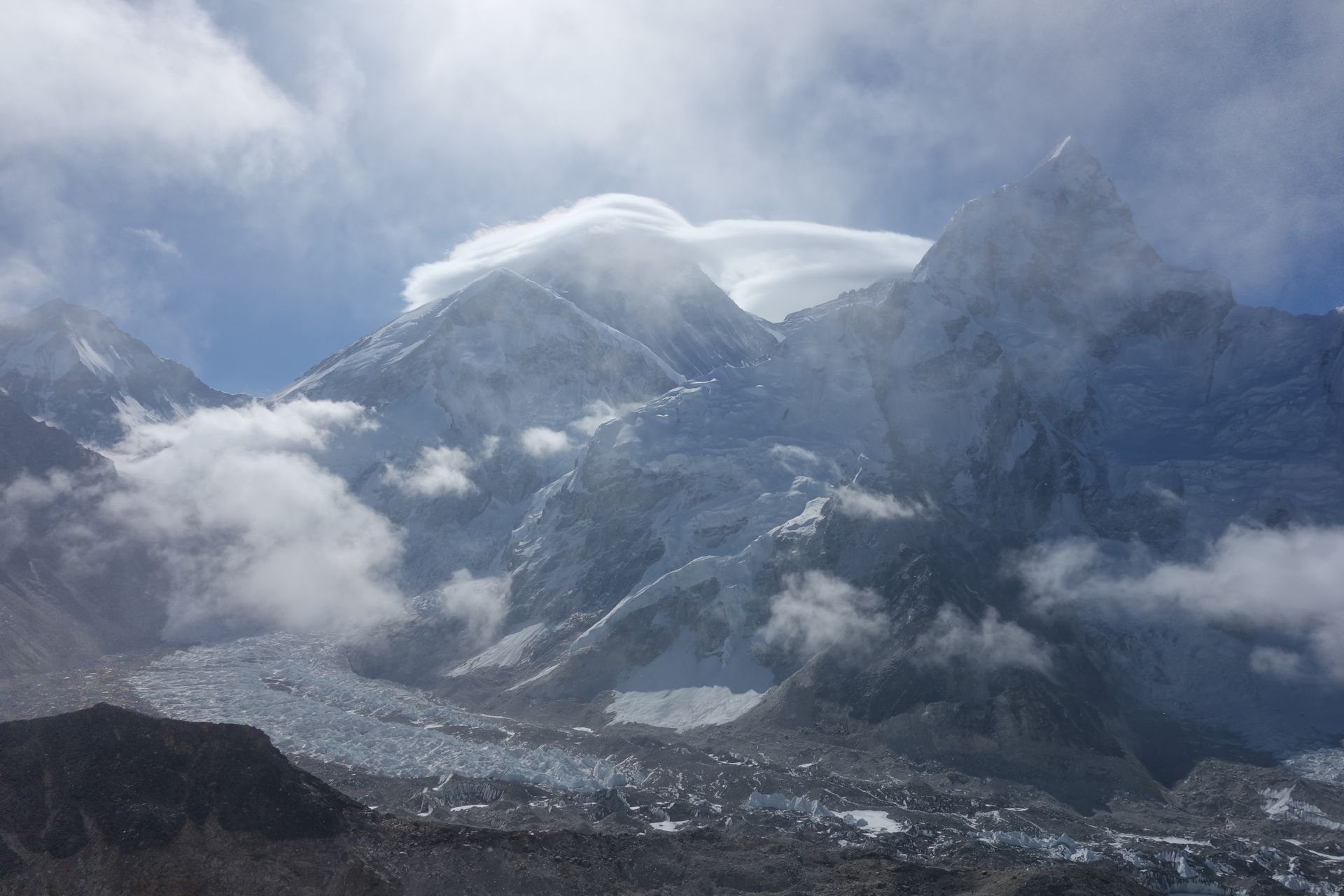
Chhukung is a small settlement at the head of the Imja valley, surrounded by the huge walls of Lhotse, Nuptse and Ama Dablam. It is the base for Island Peak climbs and for crossing the Kongma La on the Three Passes trek.
Read place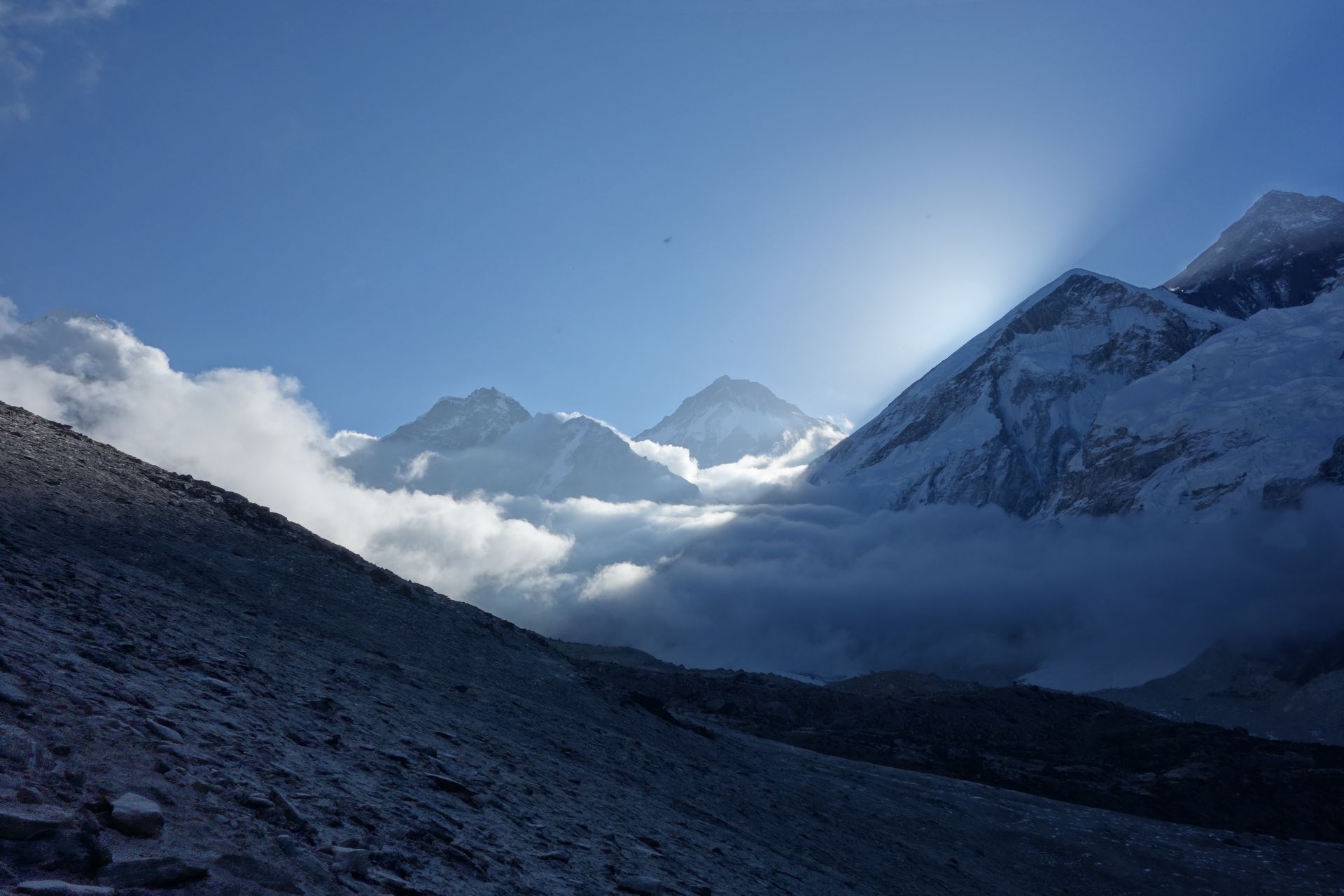
Mountain peak
Island Peak (Imja Tse)
इम्जा त्से
6,189 m
Island Peak, or Imja Tse, is a 6,189 m trekking peak rising from the Imja valley like an island in a sea of ice. It is one of the most popular climbing peaks in Nepal for first-time Himalayan climbers. Climbers set out from Chhukung and a base camp at about 5,100 m.
Read place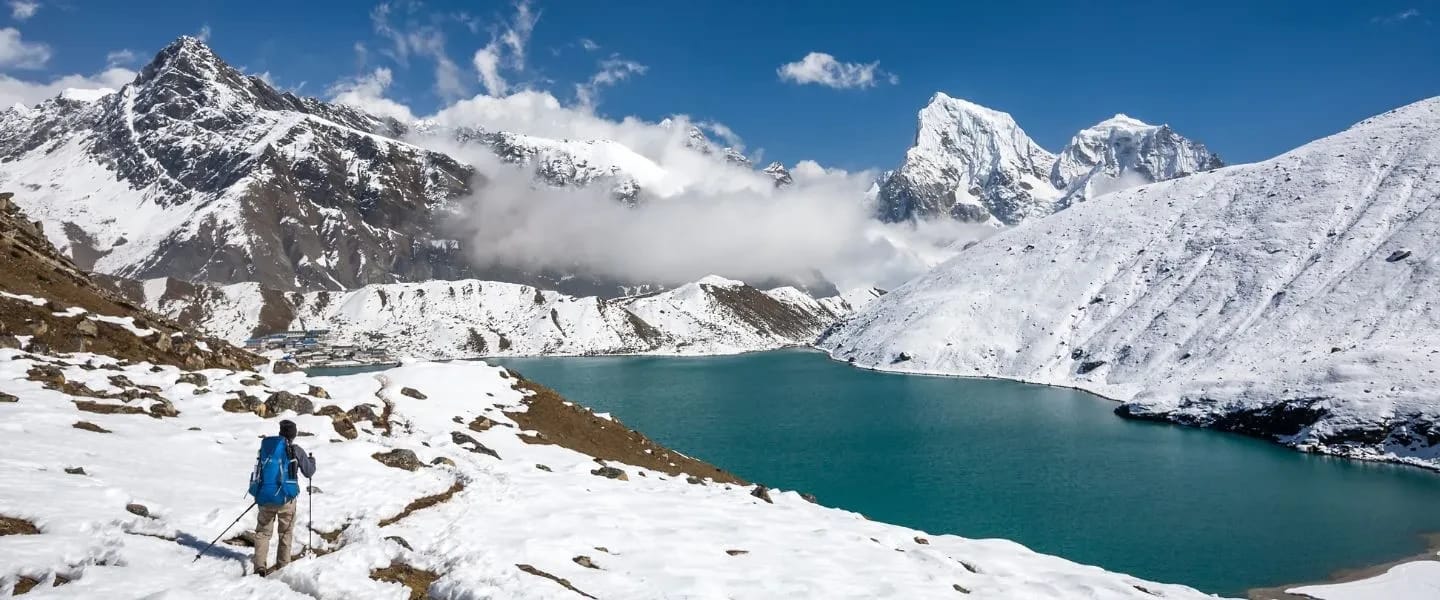
Lake
Imja Tsho
इम्जा छो
5,010 m
Imja Tsho (5,010 m) is a glacial lake in the Khumbu, at the foot of the Imja and Lhotse Shar glaciers near Island Peak. Learn about its location, trekking routes and why it matters.
Read place