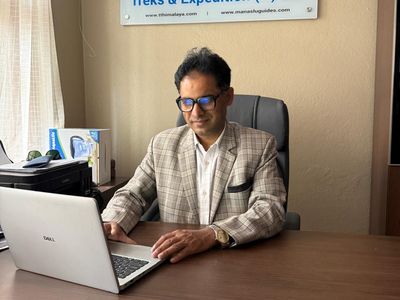

Mountain peak
Khumbila
खुम्बिला (Khumbu Yul Lha)
Khumbila (5,761 m) is the sacred mountain of the Khumbu, home of the Sherpas' protector deity. It rises above Khumjung and Khunde and has never been climbed out of respect.
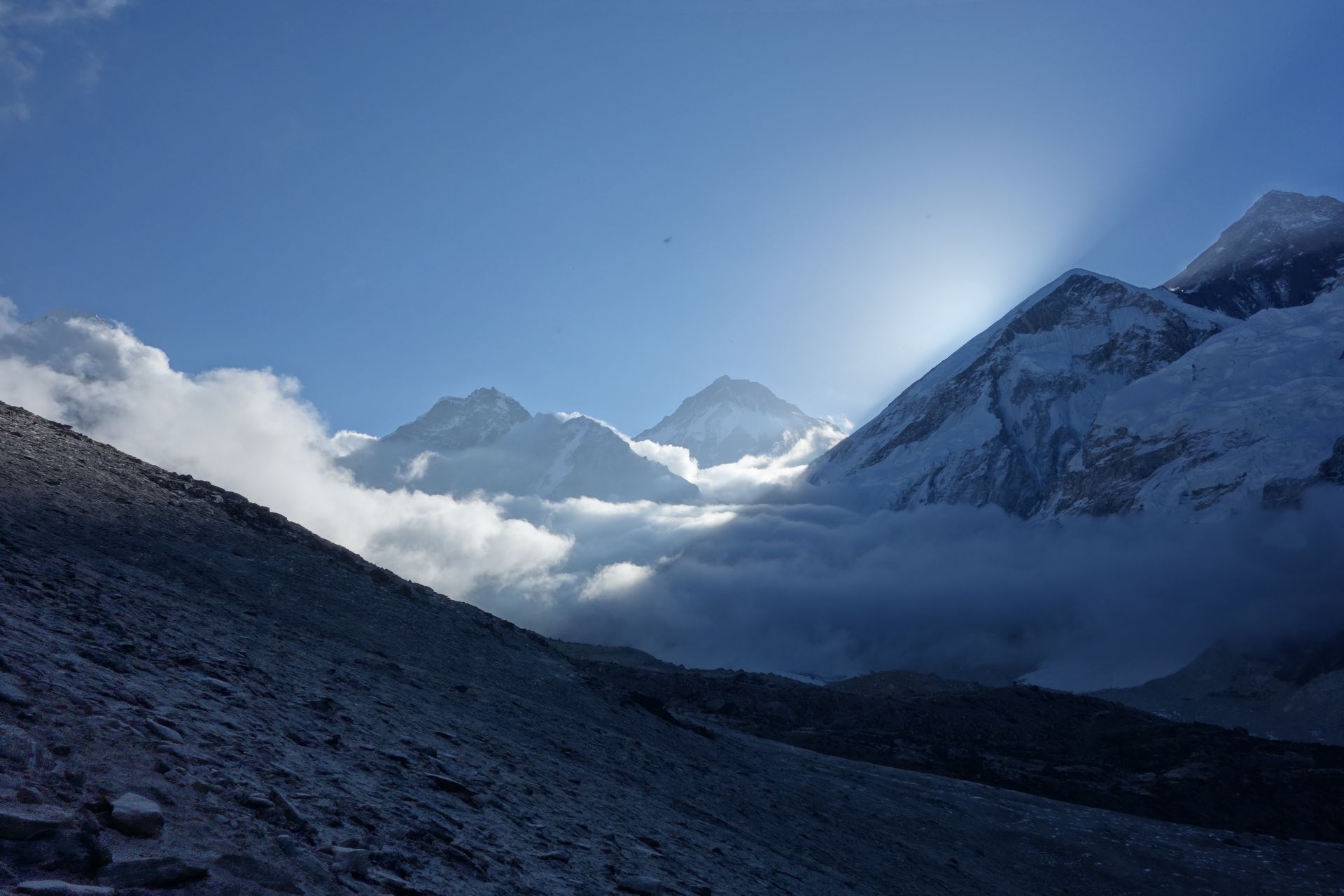
- Summit: 5,761 m / 18,901 ft
- Type: Mountain
- Region: Everest Region
- District: Solukhumbu
- Sacred and closed to climbing
- Treks: Everest View Trek, Everest Base Camp Trek
About Khumbila Peak
Khumbila Peak is a beautiful and sacred Himalayan mountain located in the Khumbu region of northeastern Nepal. Rising to an elevation of approximately 5,761 metres (18,901 feet), Khumbila is one of the most culturally significant mountains in the Everest region. Also known as Khumbu Yül-Lha, meaning the God of Khumbu, the mountain is deeply respected by the local Sherpa community. It is situated above the villages of Khumjung and Kunde, near Namche Bazaar, and forms an important part of the spectacular Himalayan landscape surrounding the Everest region.
Khumbila Peak is famous for its rugged rocky slopes, snow-covered summit, dramatic ridges and spiritual significance. Unlike many other Himalayan mountains, Khumbila is considered sacred by the Sherpa people, and climbing to its summit is traditionally forbidden. The mountain is believed to be the home of a protective deity who safeguards the Khumbu region and its communities. Its impressive appearance makes it a popular subject for Himalayan photography, cultural exploration and mountain sightseeing.
Location and Altitude
Khumbila Peak is located in Khumbu Pasanglhamu Rural Municipality, Solukhumbu District, Koshi Province, Nepal, within the Khumbu Himalayan region. It lies near Khumjung and Kunde villages, north of Namche Bazaar, within the wider Sagarmatha National Park landscape.
Khumbila has an approximate elevation of 5,761 m (18,901 ft) above sea level. Its approximate geographical coordinates are 27.84° N latitude and 86.75° E longitude. The mountain dominates the surrounding Sherpa settlements and offers a remarkable presence in the Everest region.
Treks That Offer Views of Khumbila Peak
Khumbila Peak is a prominent Himalayan landmark visible from several trekking routes and viewpoints in the Everest region, including:
- Everest Base Camp Trek
- Everest View Trek
- Namche Bazaar Trek
- Khumjung Village Trek
- Tengboche Monastery Trek
- Gokyo Lakes Trek
- Everest Three Passes Trek
- Khumbu Valley Trek
Trekkers travelling through the Khumbu Valley can enjoy beautiful views of Khumbila from various sections of the trails, particularly around Namche Bazaar, Khumjung, Kunde and the surrounding hillsides. The mountain is especially impressive when viewed from traditional Sherpa villages and nearby viewpoints.
Best Time to Visit
The best seasons to enjoy views of Khumbila Peak are spring (March to May) and autumn (September to November). Spring offers pleasant daytime temperatures, blooming rhododendron forests and beautiful Himalayan scenery. Autumn provides clear skies, excellent mountain visibility and favourable trekking conditions.
Winter (December to February) brings extremely cold temperatures and snowfall at higher elevations, while the monsoon season (June to August) often brings clouds, rain and reduced mountain visibility.
Main Attractions
Sacred Himalayan Mountain: Discover Khumbila, one of the most sacred mountains in the Khumbu region, deeply respected by the local Sherpa community.
Khumbu Yül-Lha: Learn about the mountain's spiritual identity as the protective deity of the Khumbu region and its importance in traditional Sherpa culture.
Spectacular Himalayan Views: Enjoy breathtaking views of Khumbila and the surrounding Himalayan peaks from trekking trails and viewpoints near Namche Bazaar and Khumjung.
Sherpa Cultural Heritage: Explore the traditional Sherpa villages of Khumjung and Kunde and discover their unique cultural traditions, Buddhist heritage and mountain lifestyle.
Snow-Covered Mountain Landscape: Admire the rugged slopes, rocky ridges and snow-covered summit that make Khumbila a distinctive landmark in the Everest region.
Himalayan Photography: Capture beautiful photographs of Khumbila, particularly during sunrise and sunset when the mountain is illuminated by golden Himalayan sunlight.
Khumjung and Kunde Villages: Visit the traditional Sherpa settlements located beneath Khumbila and experience the hospitality and cultural heritage of the local communities.
Buddhist Traditions: Understand the spiritual beliefs and religious customs associated with Khumbila and its significance in local Himalayan Buddhist traditions.
Nature and Wildlife: Explore the surrounding alpine landscapes, forests and Himalayan biodiversity within the wider Sagarmatha National Park region.
Mountain Conservation and Respect: Learn why Khumbila remains unclimbed due to its sacred status and the traditional beliefs of the Sherpa people.
Where is Khumbila?
The exact point on the Himalaya trail, with nearby places for context.
On this map
Nearby places
Village
Khumjung
खुम्जुङ
3,780 m
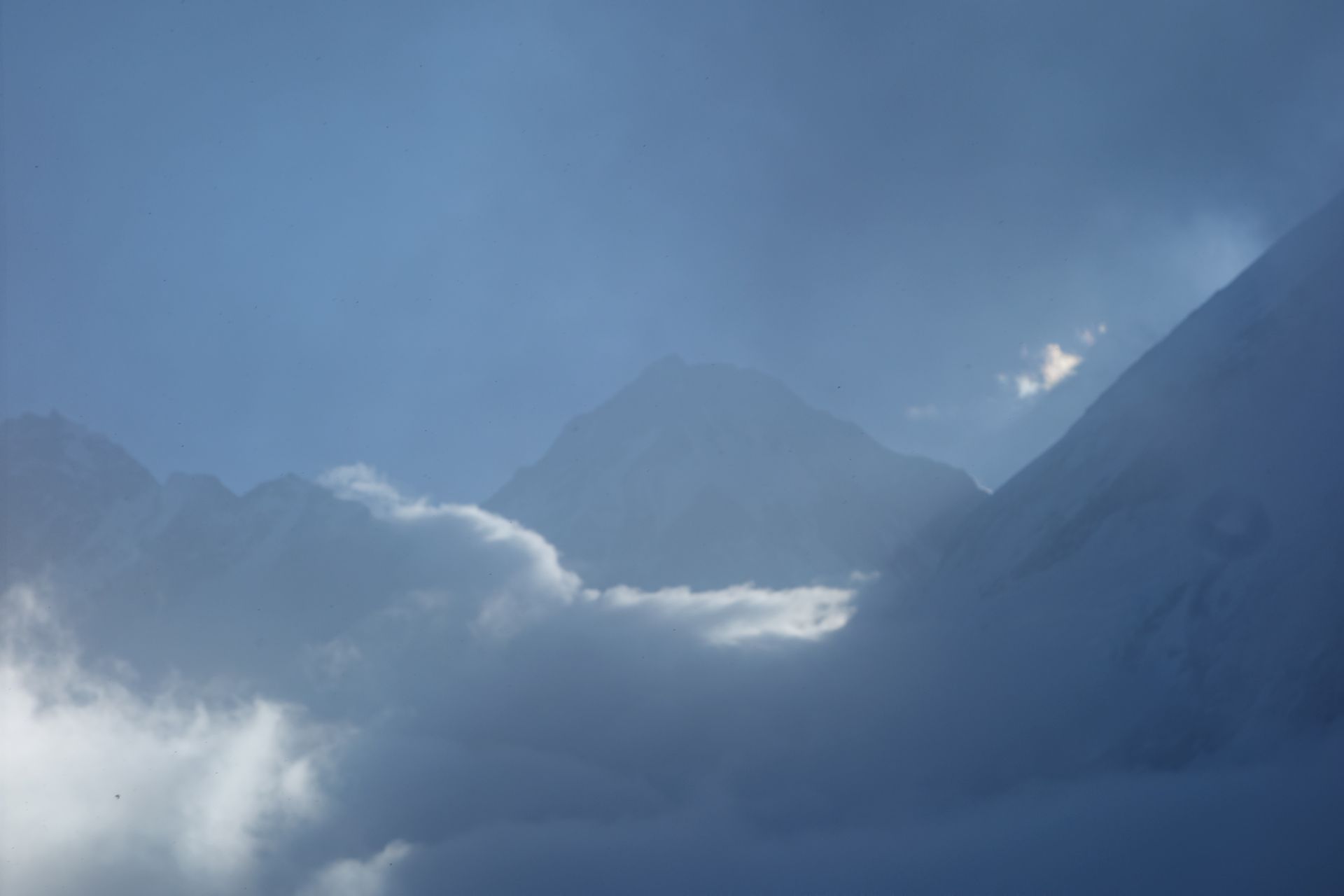
Khumjung is one of the largest Sherpa villages in the Khumbu, spread across a wide valley beneath the sacred peak of Khumbila. It is home to the Hillary School founded by Sir Edmund Hillary in 1961.
Read place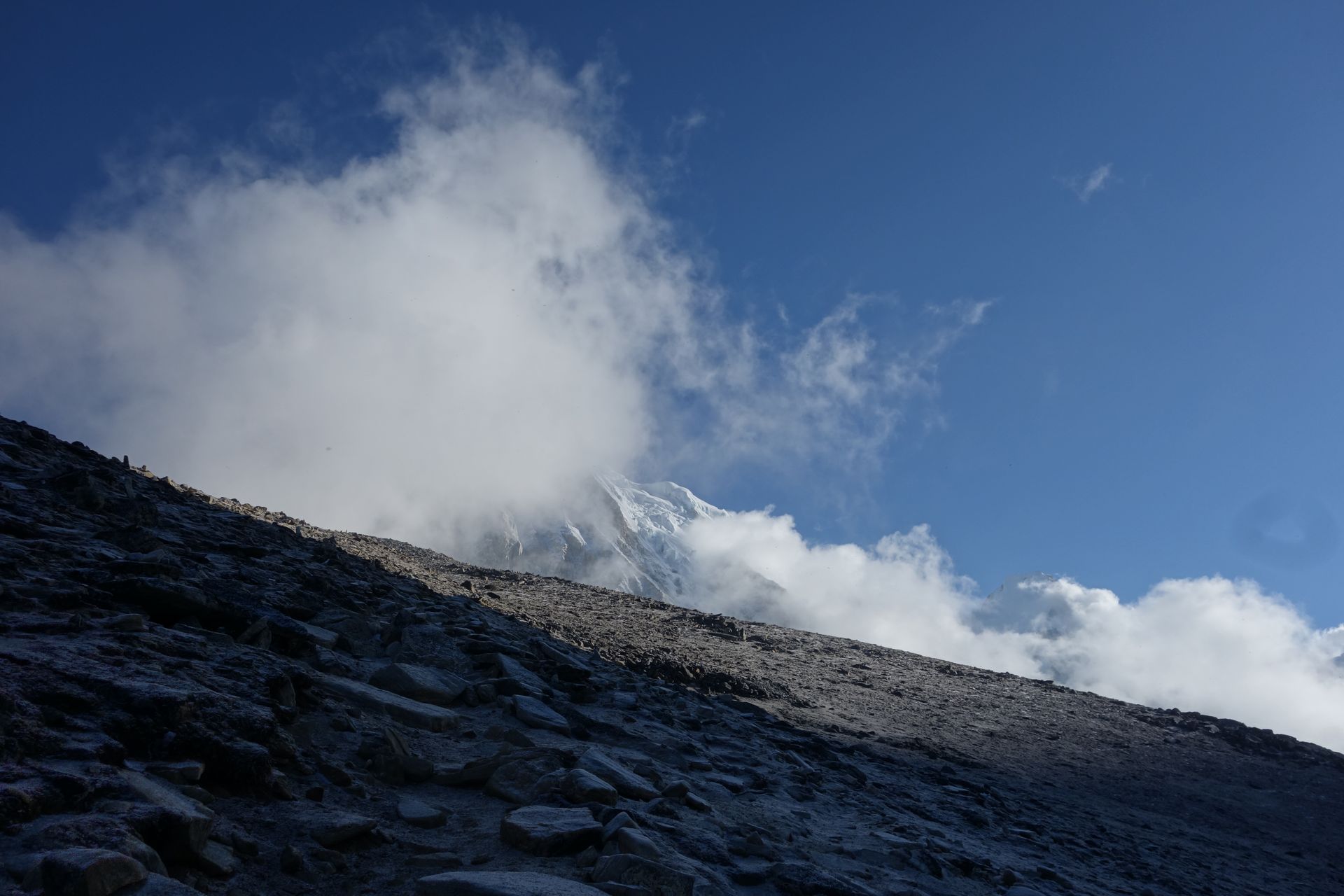
Village
Khunde
खुन्दे
3,840 m
Khunde is a quiet Sherpa village joined to neighbouring Khumjung, known for the Khunde Hospital established by Sir Edmund Hillary in 1966. It sits on a high shelf with views of Ama Dablam, Thamserku and Kangtega.
Read place