

Village
Surke
सुर्के
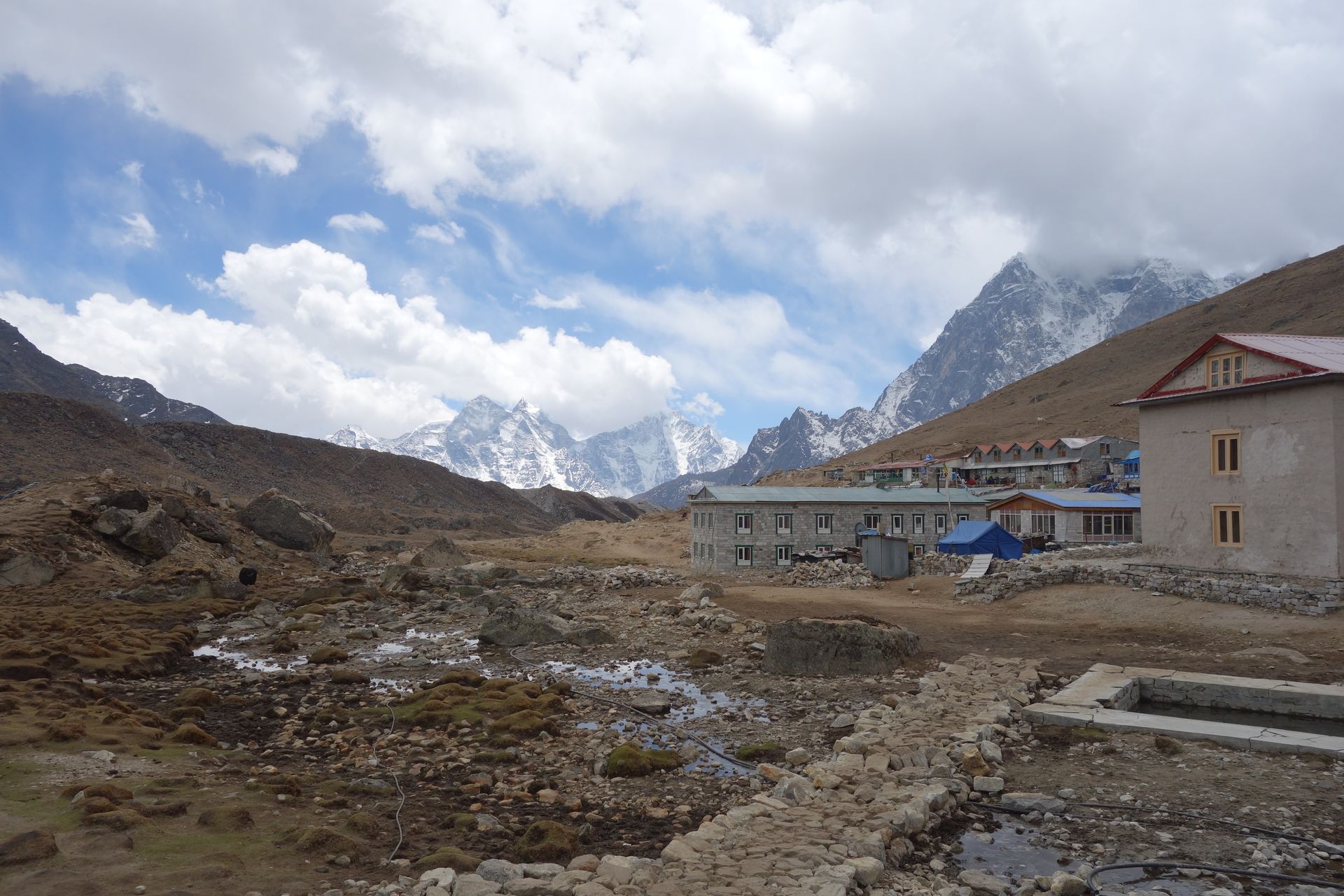
Surke is a small village below Lukla on the walking route from Jiri and Salleri. Trekkers on the classic route climb from here to Lukla or Chaurikharka. It sees far fewer trekkers than the main trail.
- Elevation: ~2,290 m / 7,513 ft
- Type: Village
- Region: Everest Region
- District: Solukhumbu
- Treks: Everest Base Camp Trek Classic Route (Via Jiri to EBC)
About Surke
Surke is a small mountain village in the Khumbu region of Solukhumbu District, Koshi Province, Nepal. Located at approximately 2,290–2,400 metres (7,513–7,874 feet), it sits below Lukla in the Dudh Koshi Valley. The settlement is surrounded by green hills, terraced farmland, forested slopes and traditional mountain trails.
Surke has become an important access point for trekkers travelling to the Everest region by road instead of flying directly to Lukla. It connects the overland route from Salleri and Phaplu with the walking trails towards Lukla, Paiya and the classic Everest Base Camp trekking route. Its riverside setting and quieter village atmosphere make it a useful starting or stopping point for Himalayan journeys.
Location and Altitude
- Location: Khumbu region, Solukhumbu District, Nepal
- Province: Koshi Province
- Altitude: Approximately 2,290–2,400 m (7,513–7,874 ft)
- Nearby settlements: Lukla, Paiya, Chaurikharka and Phakding
- River valley: Dudh Koshi region
- Trekking routes: Everest Base Camp Trek and Mera Peak approach routes
- Access: Road from the lower Solukhumbu region and walking trails from Lukla
Geography and Natural Setting
Surke lies in a lower Himalayan valley beneath the elevated settlement and airstrip of Lukla. Its landscape features rolling hills, steep ridges, cultivated terraces and forested slopes. Small streams and rivers flow through the surrounding valleys, while the walking trails connect scattered villages and traditional agricultural areas.
The village's lower elevation gives it a greener environment than many of the higher settlements along the Everest Base Camp route. From the surrounding trails, visitors can enjoy views of the valley, wooded hillsides and mountain landscapes towards the upper Khumbu region.
Surke on the Everest Base Camp Trek
Surke is an alternative starting point for the Everest Base Camp Trek, particularly for travellers who prefer an overland journey rather than taking a flight to Lukla.
From Surke, trekkers can follow different routes:
- Surke to Lukla: A steep uphill walking trail connects the village with Lukla, where trekkers can join the classic Everest route.
- Surke to Chheplung: The trail climbs towards Chaurikharka and Chheplung, connecting with the main trekking path.
- Surke to Paiya: A quieter route leads towards Paiya and the trails used by trekkers heading towards Panggom and the Hinku Valley.
- Surke to Phakding: Trekkers can continue through settlements along the lower Khumbu trail towards Phakding, depending on the chosen route.
Road Access to Surke
One of Surke's important features is its connection to the overland road network from Salleri and Phaplu. This route provides an alternative to flying into Tenzing-Hillary Airport at Lukla. Travellers can reach the village by jeep, although road conditions, travel times and vehicle access vary with weather and seasonal maintenance.
The road journey can be rough, especially during the monsoon season, when mud, landslides and damaged sections may affect travel. Visitors should check current road conditions and arrange transport locally before departure.
Tea Houses and Accommodation in Surke
Surke has basic tea houses, local lodges and guesthouses serving trekkers and travellers using the road route into the Everest region. Visitors can generally find simple rooms, traditional Nepali meals, hot drinks and basic facilities. Some travellers choose to stay overnight in Surke before walking uphill to Lukla or continuing towards Paiya.
Accommodation facilities are more limited than those in Lukla, which has a wider selection of hotels, lodges, restaurants and trekking services. During the busy spring and autumn seasons, it is advisable to confirm room availability before arriving.
Nature and Landscape of Surke
Surke offers a pleasant combination of riverside scenery, green hills and Himalayan woodland. Its surrounding natural environment provides a contrast to the rocky and high-altitude landscapes further north.
- Dudh Koshi Valley: The wider valley landscape provides scenic views and connects several settlements in the Everest region.
- Forest trails: Walking paths pass through woodland and vegetation typical of the lower Khumbu foothills.
- Terraced farmland: Cultivated hillsides reflect the traditional agricultural lifestyle of local communities.
- Mountain streams: Small waterways and river crossings add to the natural character of the surrounding trails.
- Himalayan vegetation: Oak, pine, bamboo and rhododendron can be found in the wider forested trekking areas.
Local Culture and Village Life
Surke is a small mountain settlement where traditional village life and trekking tourism exist alongside one another. Agriculture, livestock keeping, local trade and tourism-related work contribute to the livelihoods of residents.
Travellers passing through can experience the hospitality of local communities, enjoy traditional Nepali food and observe everyday life in the lower Khumbu foothills. The village also serves as a useful meeting point for local transport operators, guides, porters and trekkers travelling towards Lukla and the Hinku Valley.
Best Time to Visit Surke
The best seasons to visit Surke are spring (March to May) and autumn (September to November).
Spring brings fresh greenery, blooming rhododendrons and pleasant trekking conditions. Autumn generally offers clear skies, comfortable temperatures and good visibility across the surrounding hills. The monsoon season can make the unpaved road and walking trails muddy and slippery. Winter is colder, but the lower elevation can make Surke more accessible than some of the higher Himalayan settlements.
Main Attractions in Surke
- Traditional Mountain Village: Experience rural life and local hospitality in the lower Khumbu region.
- Dudh Koshi Valley: Enjoy the surrounding river valleys and green Himalayan hills.
- Lukla Walking Trail: Follow the uphill route connecting Surke with the famous Everest gateway town.
- Paiya Trekking Route: Explore quieter forest trails towards Paiya and Panggom.
- Terraced Farmland: Observe traditional hillside agriculture and village landscapes.
- Overland Everest Gateway: Begin an alternative journey towards the Everest region without flying directly to Lukla.
Nearby Places to Explore
- Lukla: The famous gateway to the Everest region, known for Tenzing-Hillary Airport, trekking lodges and mountain views.
- Paiya: A quiet settlement on alternative trekking routes towards Panggom and Mera Peak.
- Phakding: A popular riverside village and overnight stop on the Everest Base Camp Trek.
- Panggom: A traditional mountain village on the southern approach to the Hinku Valley.
- Monjo: A settlement near the entrance checkpoint of Sagarmatha National Park.
Where is Surke?
The exact point on the Himalaya trail, with nearby places for context.
On this map
Nearby places

Village
Paiya
पैयाँ
2,730 m
Paiya is a village on the lower Everest trail south of Lukla, used by trekkers walking in from Salleri or the road head instead of flying to Lukla. It is also a stop on the classic Jiri to EBC route.
Read place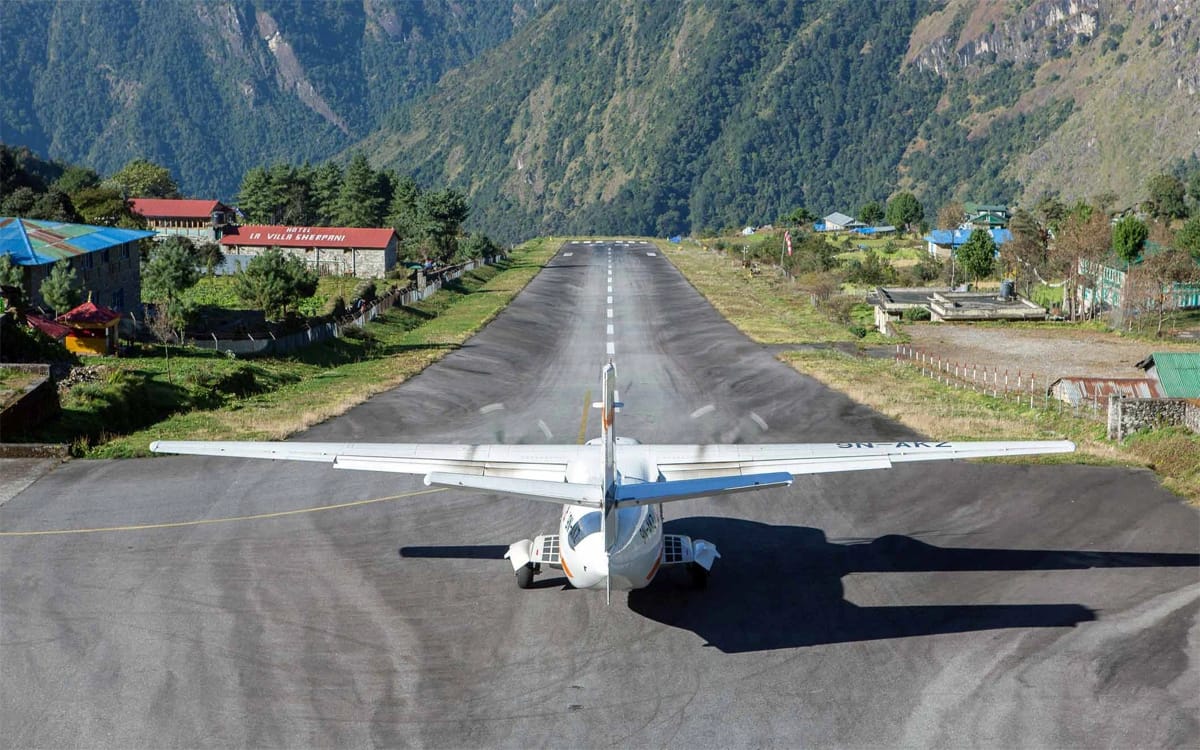
Town / city
Lukla
लुक्ला
2,860 m
Lukla is the bustling gateway town of the Everest Region, where nearly every Khumbu trek begins and ends. Trekkers arrive on a short, scenic flight from Kathmandu or Ramechhap and set off north along the Dudh Koshi valley the same day.
Read place