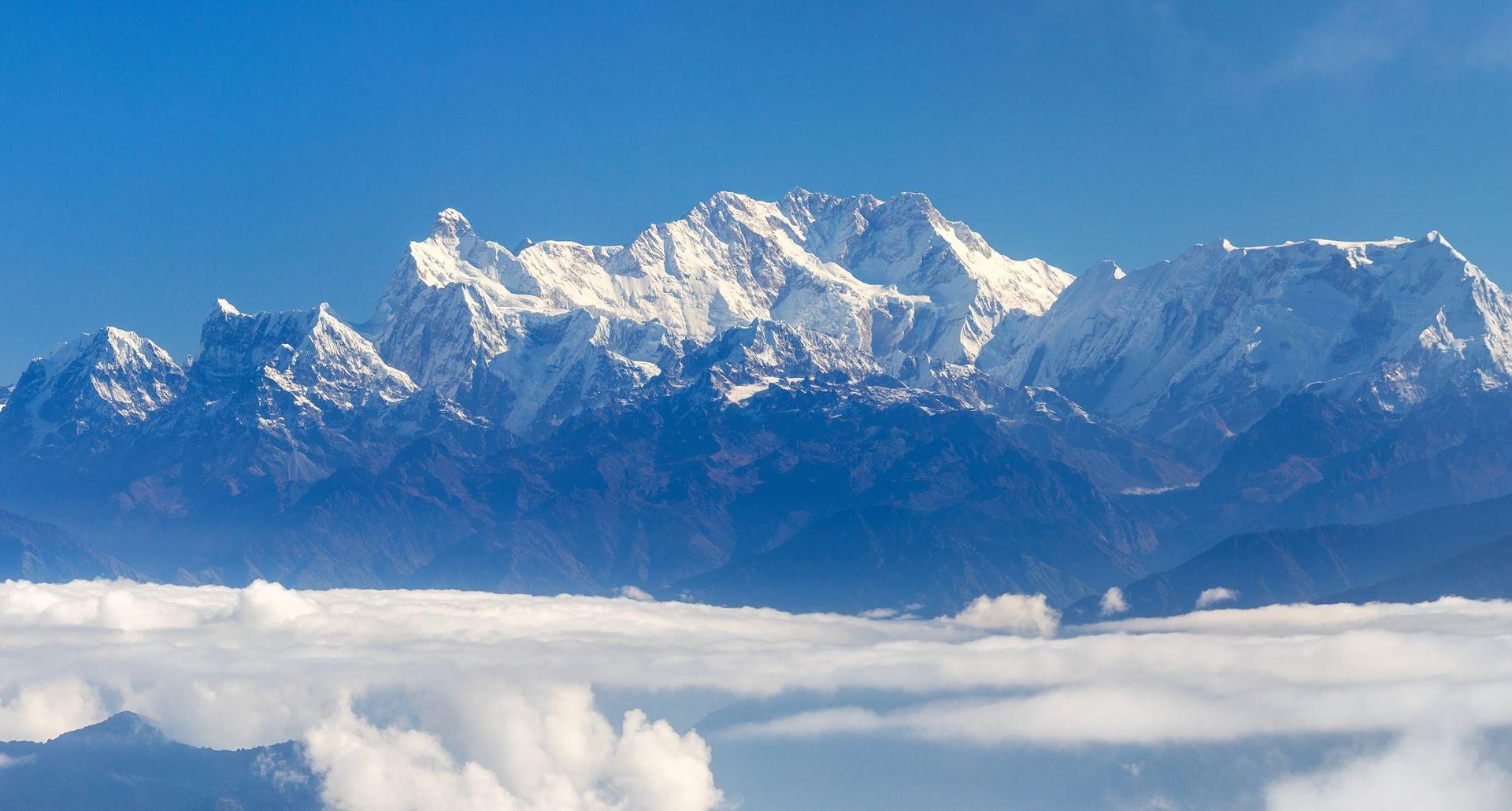
Conservation area
Kanchenjunga Region
4,474 m
Kanchenjunga Conservation Area is a 2,035 km² protected landscape in eastern Nepal, home to Kanchenjunga, diverse Himalayan ecosystems, rare wildlife and culturally rich mountain communities. It is the heart of the Kanchenjunga trekking region
Read place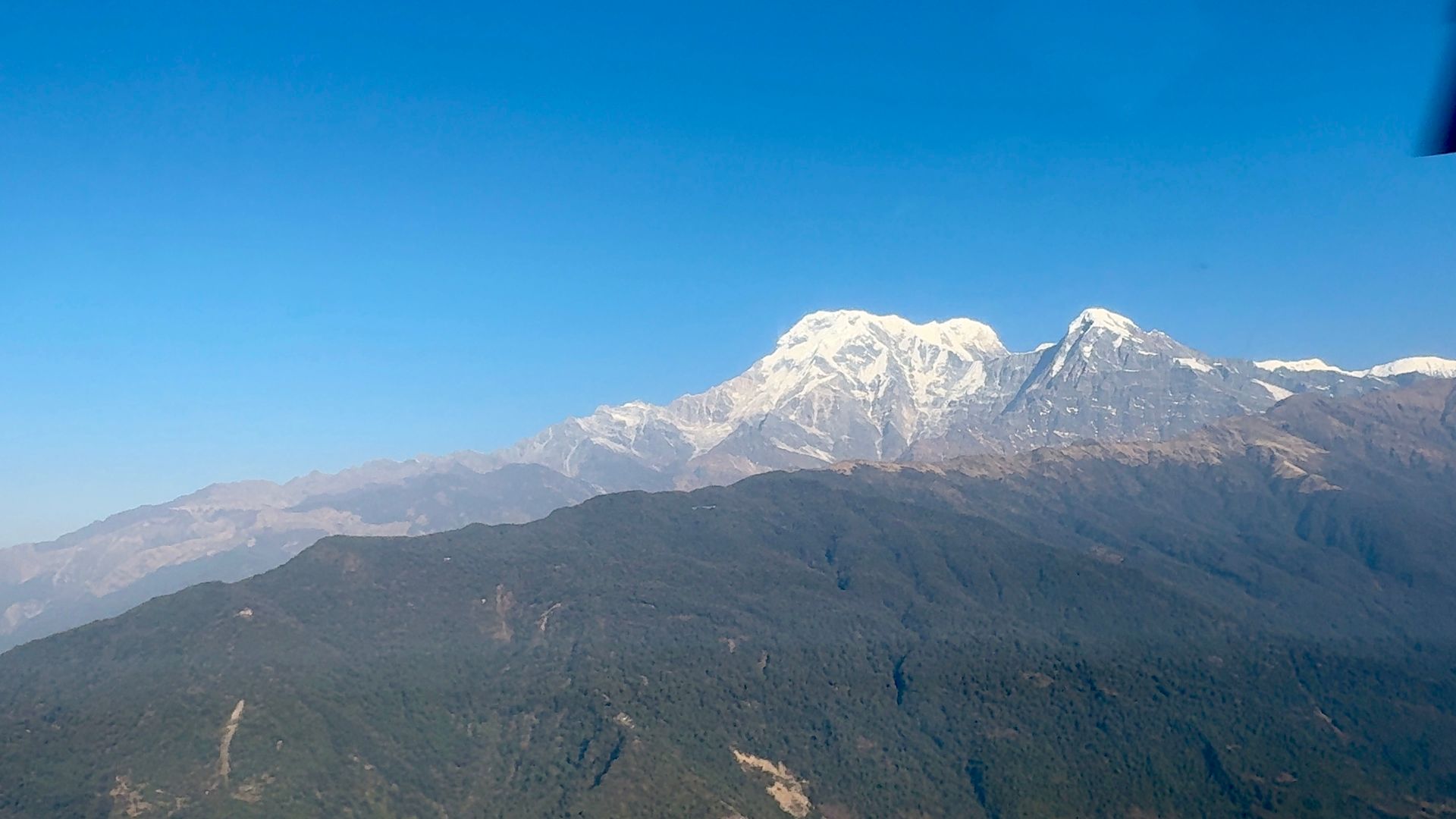
Conservation area
अन्नपूर्ण संरक्षण क्षेत्र
790 m
The Annapurna Conservation Area is Nepal’s largest protected area at about 7,629 km², established in 1986. It covers the whole Annapurna massif, from subtropical valleys to the Tibetan plateau of Mustang. All treks in the region need an ACAP permit.
Read place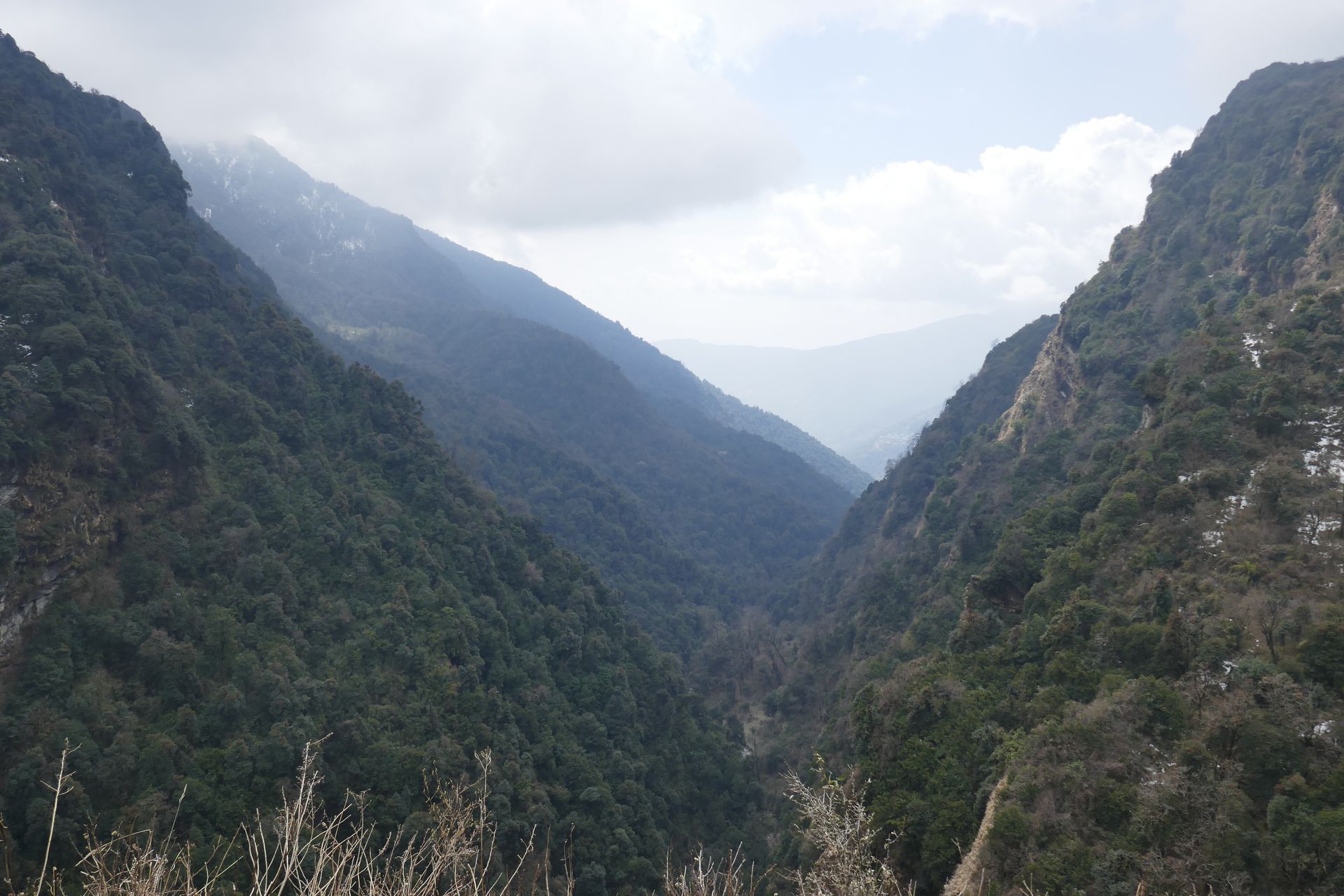
Conservation area
अपि नम्पा संरक्षण क्षेत्र
518 m
Api Nampa Conservation Area, established in 2010, covers about 1,903 km² in Darchula, including Api and Nampa peaks. It is one of Nepal’s newest and least visited protected areas. The Api Himal trek passes through it.
Read place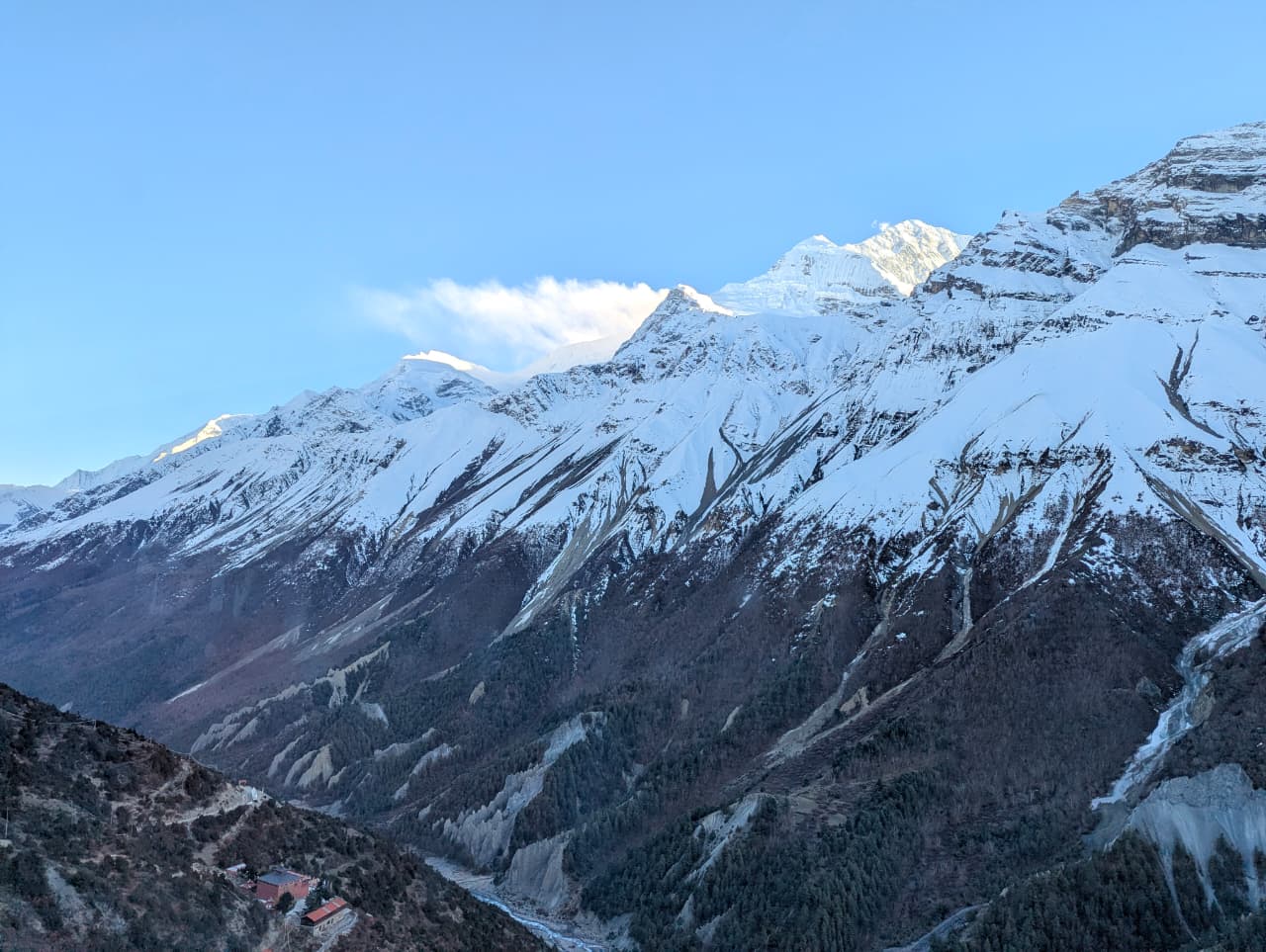
Conservation area
ढोरपाटन शिकार आरक्ष
2,850 m
Dhorpatan Hunting Reserve is Nepal’s only hunting reserve, established in 1987 and covering about 1,325 km² across Baglung, Rukum and Myagdi. It is known for blue sheep and Himalayan tahr. Trekkers visit its open meadows and remote villages on the Dhorpatan trek.
Read place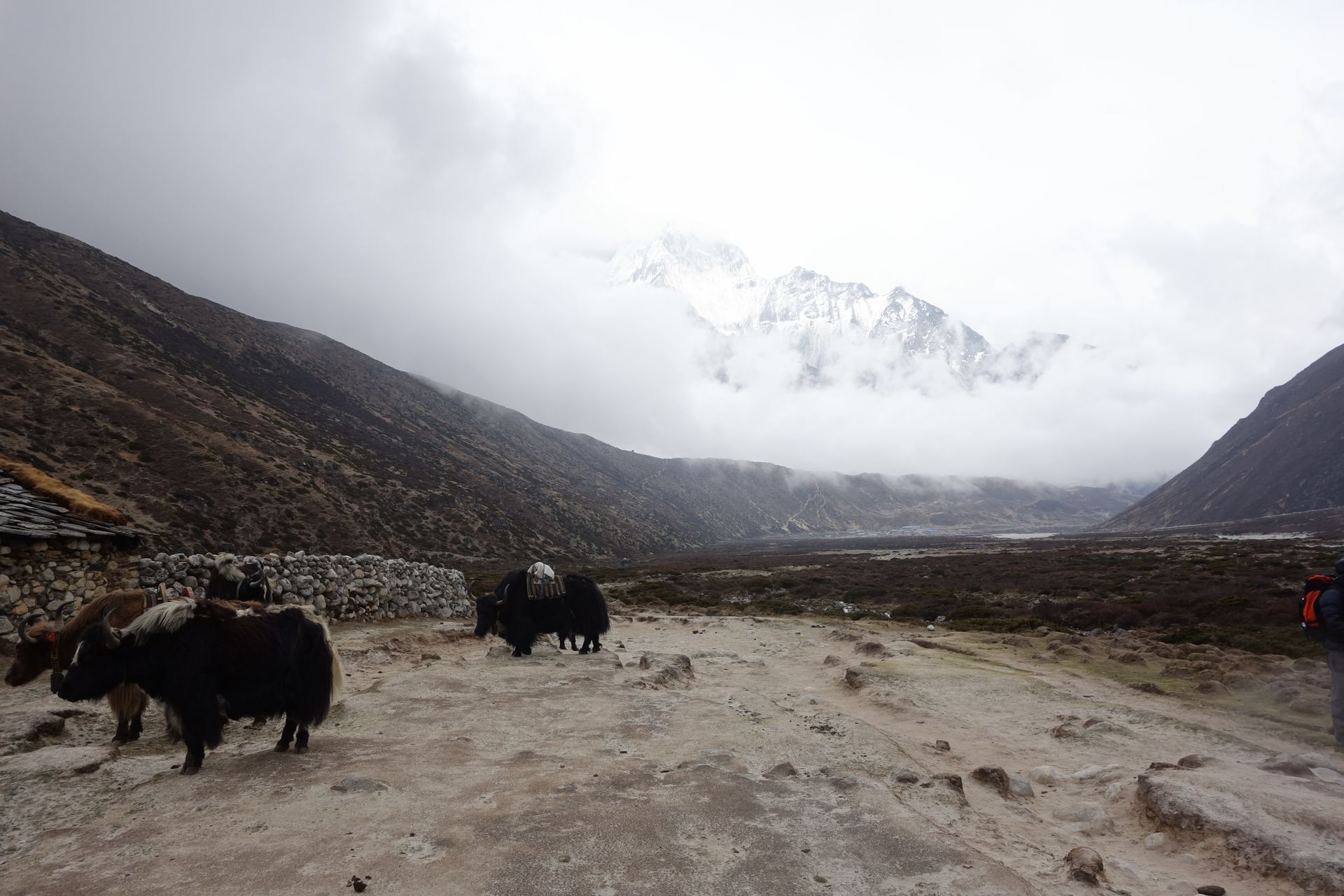
Conservation area
गौरीशंकर संरक्षण क्षेत्र
1,000 m
Gaurishankar Conservation Area, established in 2010, protects the Rolwaling and Tamakoshi valleys between Langtang and Sagarmatha National Parks. It covers around 2,179 km² of forest, glacier and high valleys. Trekkers need a conservation area permit for the Rolwaling and Tashi Lapcha routes.
Read place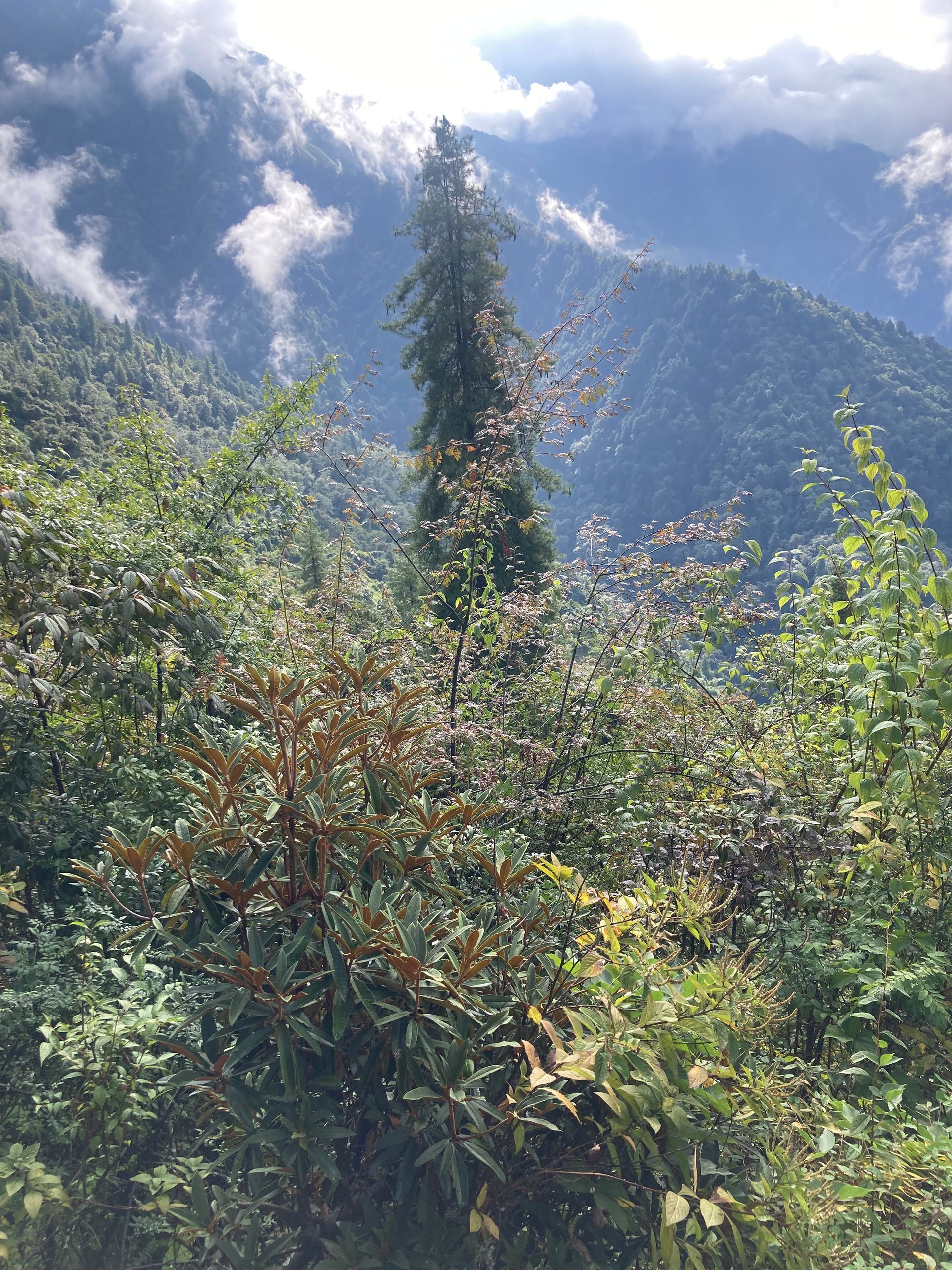
Conservation area
खप्तड राष्ट्रिय निकुञ्ज
1,400 m
Khaptad National Park, established in 1984, is a high plateau of grassland, forest and small lakes in far-western Nepal. It covers about 225 km² across four districts. It is a peaceful, spiritual place known for its meadows in bloom during summer.
Read place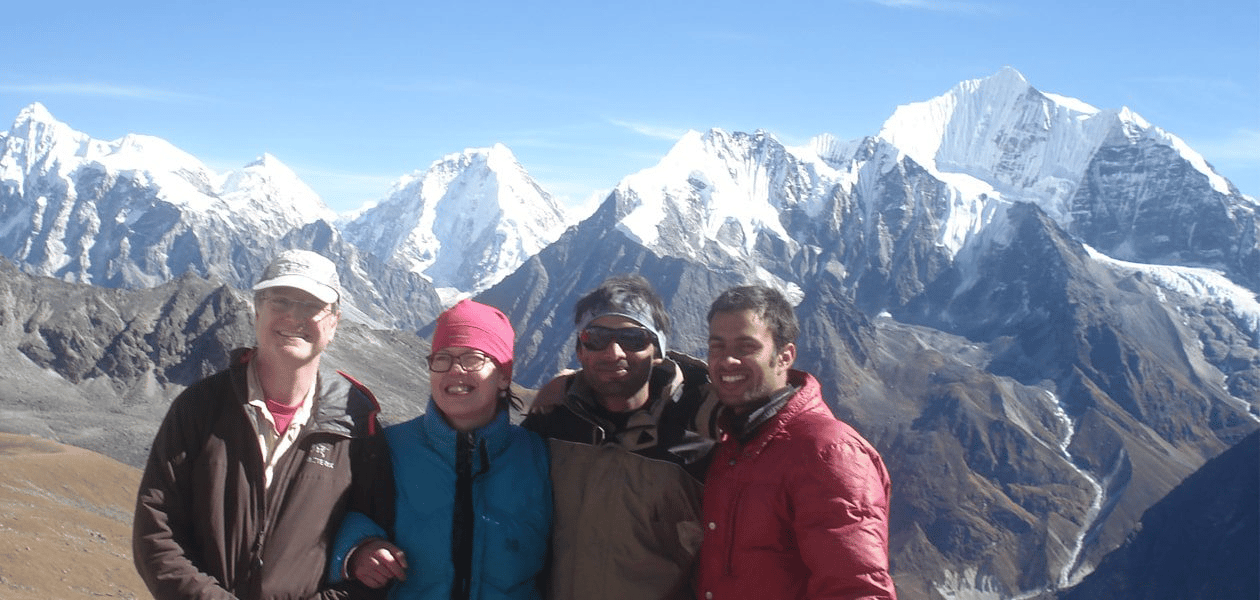
Conservation area
लाङटाङ राष्ट्रिय निकुञ्ज
792 m
Langtang National Park, established in 1976, was the first Himalayan national park in Nepal. It covers about 1,710 km² north of Kathmandu, including the Langtang valley, Gosaikunda lakes and upper Helambu. It is home to red panda, Himalayan black bear and musk deer, and requires a park entry permit.
Read place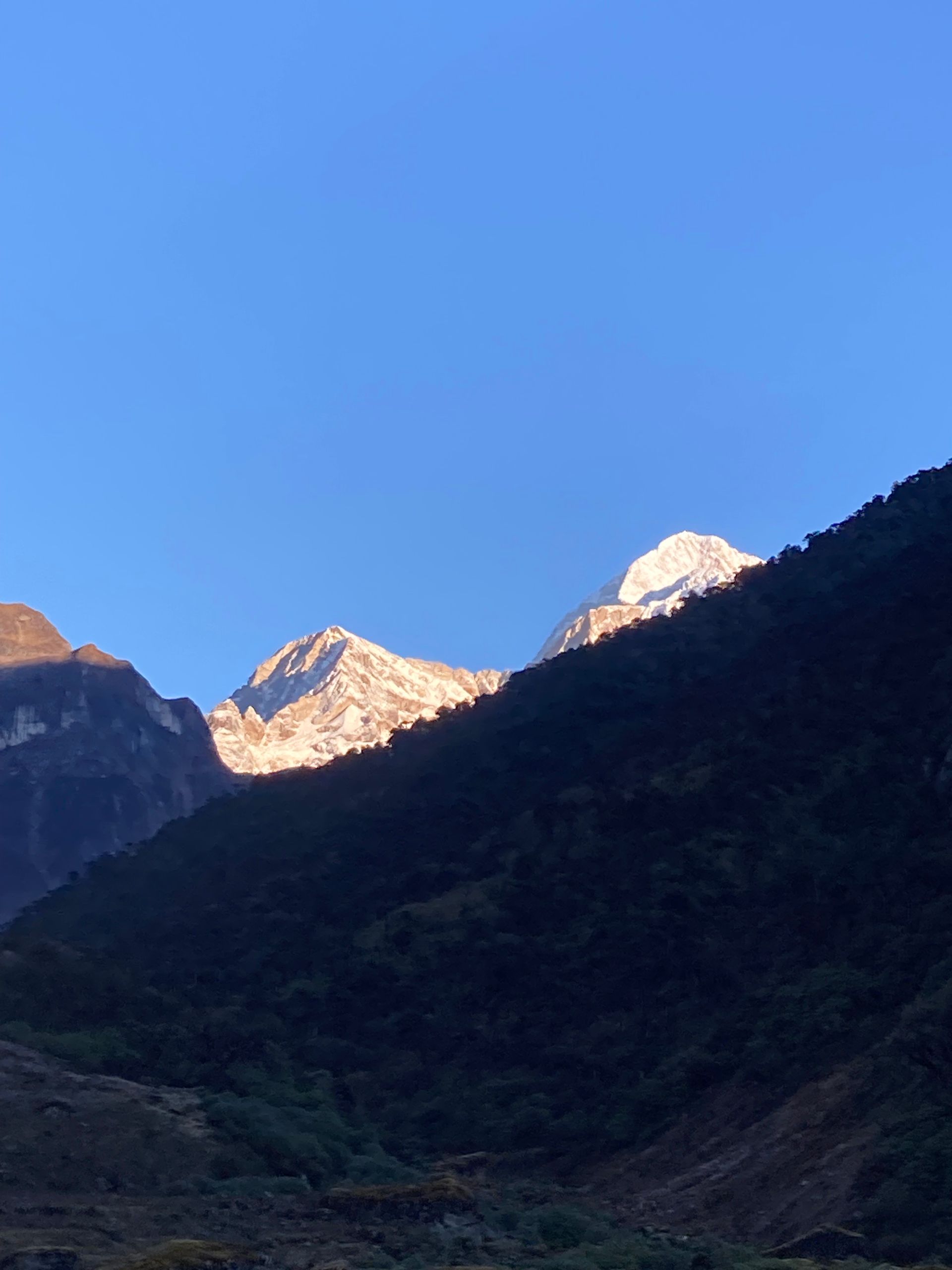
Conservation area
मकालु बरुण राष्ट्रिय निकुञ्ज
344 m
Makalu Barun National Park, established in 1992, covers about 1,500 km² and spans one of the greatest elevation ranges of any protected area. It protects pristine forests, red panda, snow leopard and many rare plants. Trekkers need a park permit, checked at Seduwa.
Read place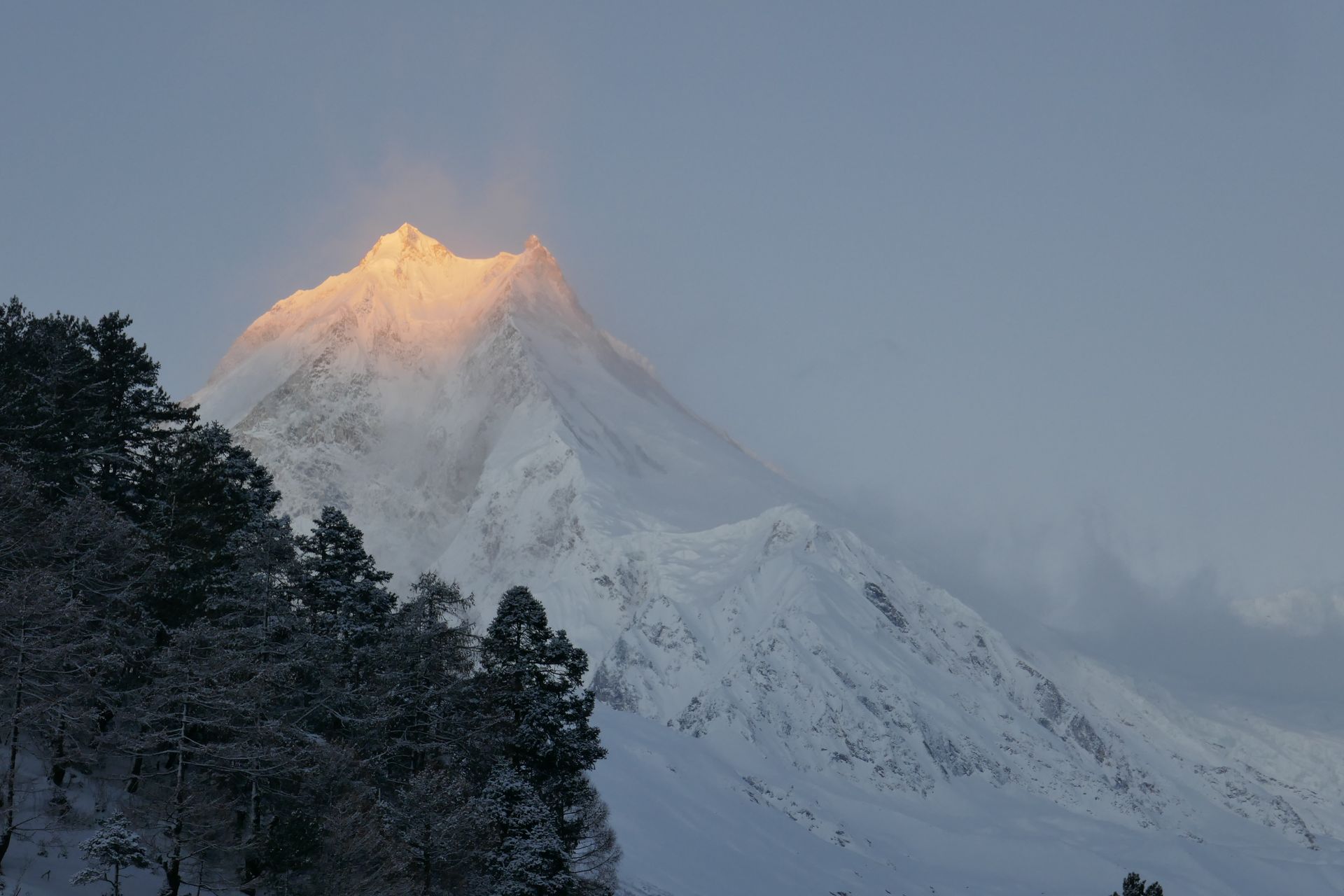
Conservation area
मनास्लु संरक्षण क्षेत्र
1,360 m
The Manaslu Conservation Area, established in 1998, covers about 1,663 km² around Manaslu, including the Nubri and Tsum valleys. It is a restricted area, so trekkers need special permits and a licensed guide. It protects snow leopard, red panda and blue sheep, along with Nubri and Tsumba culture.
Read placeConservation area
रारा राष्ट्रिय निकुञ्ज
1,800 m
Rara National Park, established in 1976, is Nepal’s smallest national park at about 106 km². It protects Rara Lake and the forests around it. It is home to red panda, musk deer and many birds.
Read place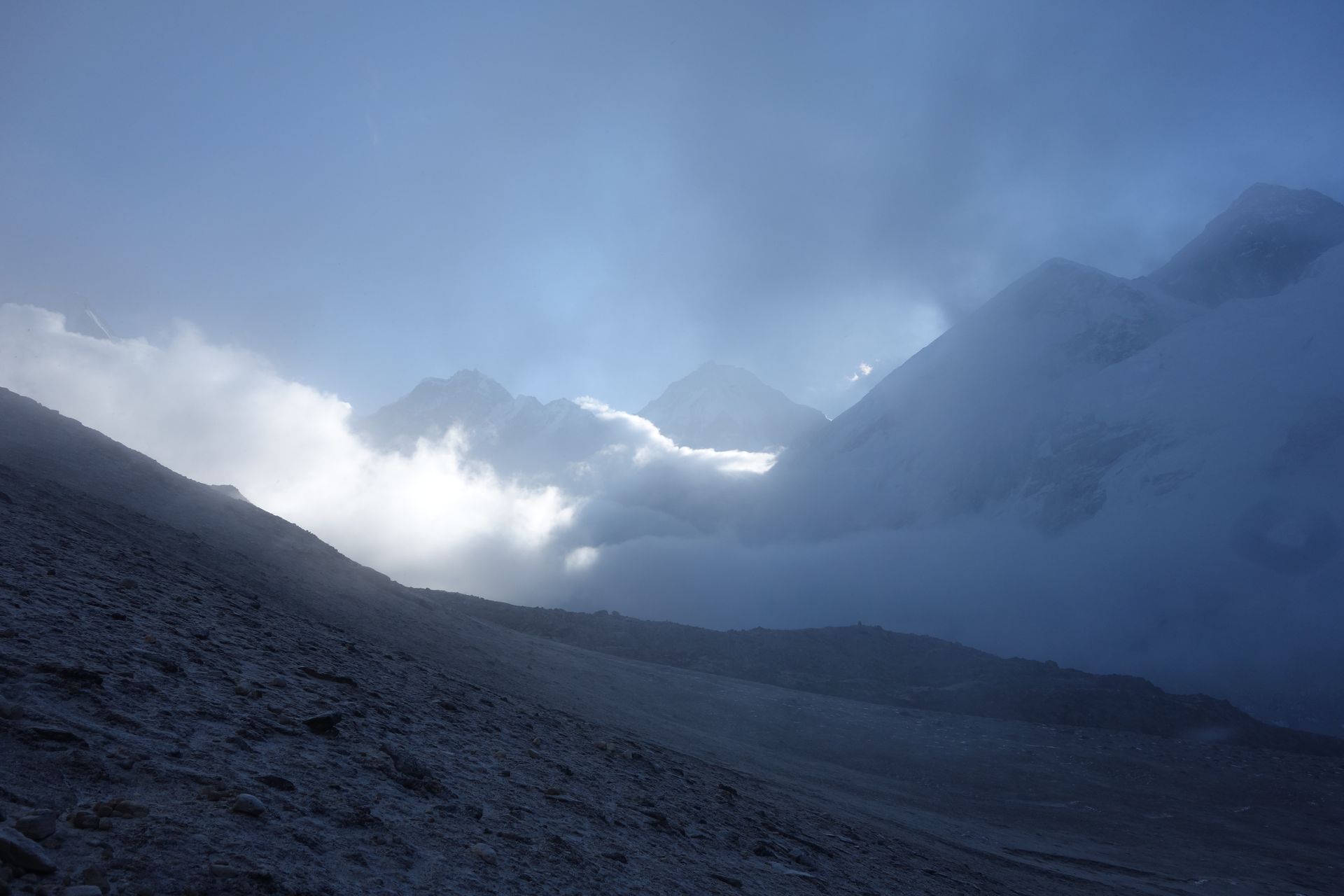
Conservation area
सगरमाथा राष्ट्रिय निकुञ्ज
2,845 m
Sagarmatha National Park protects the upper Khumbu, including Mount Everest, Lhotse, Cho Oyu and Ama Dablam. Established in 1976 and listed as a UNESCO World Heritage Site in 1979, it covers about 1,148 km² of glaciers, high valleys and Sherpa villages.
Read placeConservation area
शे-फोक्सुण्डो राष्ट्रिय निकुञ्ज
2,130 m
Shey Phoksundo National Park, established in 1984, is Nepal’s largest national park at about 3,555 km². It protects the trans-Himalayan landscapes of Dolpo, including snow leopard habitat. Upper Dolpo trekking requires a restricted area permit.
Read place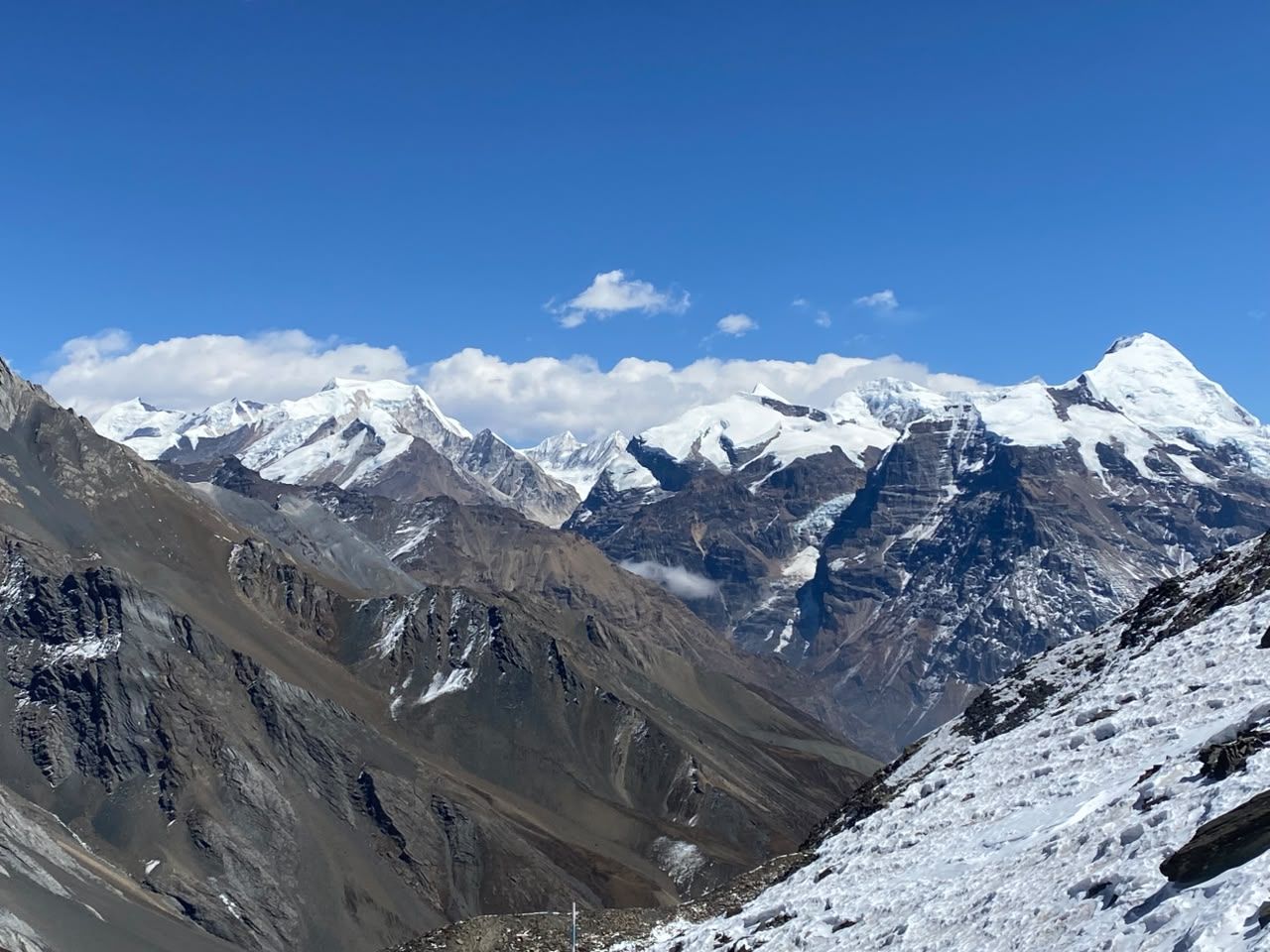
Conservation area
शिवपुरी नागार्जुन राष्ट्रिय निकुञ्ज
1,000 m
Shivapuri Nagarjun National Park protects the forested hills north of Kathmandu and is the city’s main water source. It was declared a national park in 2002. The Helambu trek starts by crossing it from Sundarijal to Chisapani.
Read place