Responsible Tourism in Nepal
Responsible tourism in Nepal promotes sustainable travel practices that protect the environment, preserve cultural heritage, and support local communities. Travel responsibly while enjoying Nepal’s natural beauty and authentic experiences.

Responsible Tourism in Nepal for Sustainable tourism.
Responsible Tourism in Nepal can contribute to sustainable tourism by respecting local culture, conserving resources, favoring businesses that preserve cultural heritages, supporting the local economy by purchasing local goods, and in an environmentally conscious way. Sustainable tourism is a form of tourism that respects the local people, the tourists, cultural value, and the environment which provides exciting holidays that are also a benefit to the people of the host country. Sustainable tourism can ensure the future generation can enjoy the beauty of our planet as much as we do.
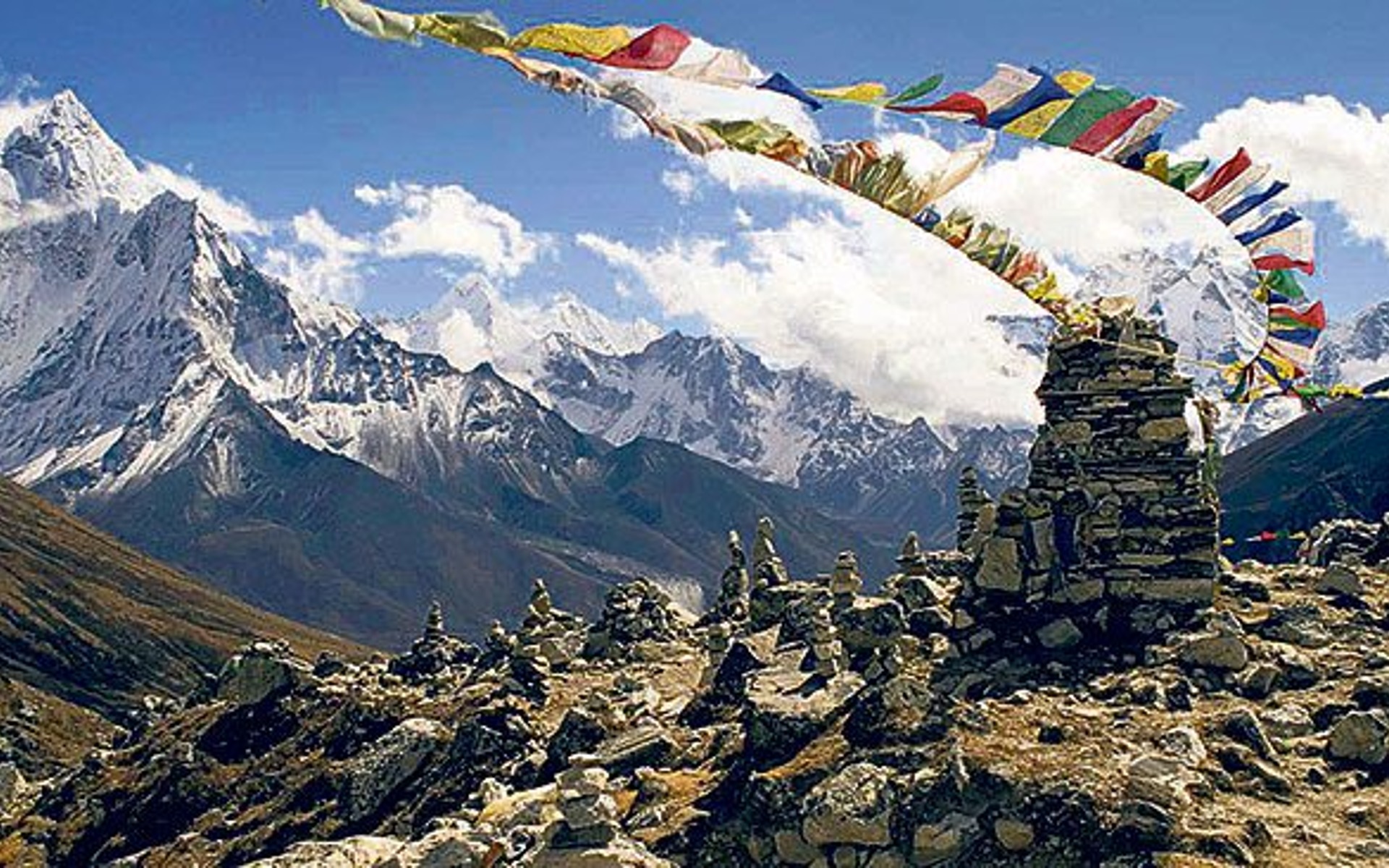
In the context of Nepal, sustainable tourism is a blend of the natural environment, social culture, and local economy as well as the host communities and tourist experience. Nepal is known for its nature the great Himalaya which is the preferred destination for timeless journeys between China and India. Nepal is also a place of deep spirituality and culture with mystical temples and monasteries. Sustainable tourism in Nepal contributes to the local economy by using local products, minimizing environmental impact by practicing responsible travel, preserving cultural heritages, and benefiting host communities.
Table of Contents
Responsible Tourism in Nepal for Sustainable tourism.
How can sustainability in tourism be improved?
Current scenario of Global sustainable tourism
Possible activities for eco-tourism in Nepal:
1. Photography and Documentary Tour:
How can sustainability in tourism be improved?
Making a location more accessible to visitors and providing entertainment may result in the degradation of the natural environment. It is critical to recognize that tourism does not always have a positive economic impact on all locals and businesses and that if fairness is not promoted, some businesses and residents may suffer.
We can promote environmentally responsible travel by doing the following:
- Developing the destination’s infrastructure.
- Create new opportunities for creative business ideas.
- Programs that raise awareness about sustainable tourism
- Sharing Sustainable Travel Stories,
- Preventing the illegal sale of local products to tourists
- Investing in local ecotourism businesses.
- Creating employment opportunities, particularly for young people and women,
- Providing tourism guidance and marketing.
- Promoting rural market opportunities and implementing skill development projects.
Current scenario of Global sustainable tourism
Global sustainable tourism means managing sustainability worldwide by minimizing the negative impact of tourism on the environment, economy, and society while maximizing the positive contributions tourism can make to local communities and conservation efforts. Sustainable tourism also known as eco-tourism and responsible tourism attempts to take responsibility for current and future environmental, social, and economic impacts. Tourism is the fastest growing industry in the world which contributes essential economic boost for countries by presenting themselves as holiday destinations.
Some eco-tourism examples
- Controlled tourism in Bhutan:
Bhutan is located in the east of the Himalayas and its tourism policy is a “High-value volume tourism policy” which can be achieved through strict entry requirements and daily visitor spending patterns where each traveler must spend $100 per day as an SDF (Sustainable Development Fees). Such tariff includes necessary expenses of visitors such as accommodation, licensed tour guide, meals, etc., and the larger portion of the tariff is used to maintain and develop the country’s infrastructure, as well as contribute towards Bhutan’s free health care and education. - A solar-powered resort in Fiji:
Fiji is an island country in Melanesia part of Oceania in the South Pacific Ocean. The island is a 5-star resort that runs through 100% solar power. The Resort collects rainwater to eliminate single-use plastic bottles. They aim to produce as little waste as possible, using recycled materials and they also build a special system using worms to make compost manure to grow their vegetables and herbs. They are using handicrafts and local artworks in their resorts to support local communities. - A community-run backpacker in South Africa:
Backpackers of South Africa aims to promote community involvement to promote sustainable tourism and eco-tourism company their community uses solar power, is involved in waste management, and uses local people in business as employees which benefits their people economically. - Conservation ‘Voluntouring’ in Belize:
A responsible tourism operator in the UK organizes sustainable and ethical holiday packages through online content such packages offer travelers to volunteer at local conservation in Belize. Tourists are joining a team of local conservationists as a part of a volunteer group for a 5-day week to rainforests the Belize. The participating volunteers are strictly guided before departing to ensure that voluntourism is done ethically and respectfully to locals, animals, and the environment. Some of their guidelines are shown in the picture below.
Also, the Global Sustainable Tourism Council (GSTC) manages its GSTC criteria for global standards for sustainable travel and tourism as well and they also provide international accreditation certification for the tourism industry like hotels travel agencies, and others who follow their guidelines.
The Nepal government also implemented several policies based on the National Tourism Strategy 2016-2025 that outline the country’s sustainable tourism. In order with this strategy, Nepal has also been the part of Global Sustainable Tourism Council where Nepalese tourism-based companies follow global sustainable standards by using eco-friendly reusable products in their hotels on the other hand travel and tour companies organize eco-trekking, Bird watching, Hiking, Jungle safari, water conservation and other conservation efforts.
All those activities are held in different parts of the country and that helps their local communities to generate economy by providing jobs like local guides, porters, and food and accommodation providers such activities contribute to developing their society, and environmental conservation is ultimately done by practicing eco-friendly responsible travel.
Eco-Tourism
Eco-tourism is responsible travel to natural and cultural areas that protect the environment and benefit the well-being of local people. Where tourists travel to the natural and cultural areas without harming nature and culture. Eco-tourism is designed for environmentally friendly, respectful culture and economic support benefits the local communities.
Benefits of eco-tourism:
Environmental conservation: Responsible travelers travel to the natural area which promotes the preservation of natural habitats and wildlife. It is healed on conservation projects and protected areas.
Economic benefits: Tourist involvement in local communities can create economic value in local places where tourists are willing to pay for food and accommodation which helps to create economic benefits for local communities.
Cultural preservation: Tourists come to visit cultural places and explore local culture and heritages and stay in a local homestay that leads to cultural exchange and support for the preservation of culture.
Education and awareness: By involving in eco-tourism tourists learn about environmental issues, biodiversity, and the importance of conservation efforts which helps to the global sustainable tourism.
Community development: Eco-friendly tourism leads to the improvement of infrastructure in local communities which helps to the betterment of roads, schools, and healthcare facilities.
Challenges of ecotourism
Balancing conservation and Tourism: Tourism can harm the environment and affect the conservation of natural habitats.
Economic leakages: The engagement of foreign companies can cause economic leakages in local communities.
Cultural exploitation: Over-tourism can explode local traditions and customs which leads to cultural commodification.
Infrastructure development: Eco-tourism needs good infrastructure such as lodging and food while managing these is costly and complex.
Eco-Tourist
Eco tourist is also known as responsible travelers who travel by following sustainable tourism practices while respecting the environment, society, and contributing to a country’s economy, and providing benefits to the well-being of local people. Eco-tourists demand eco-friendly packages to travel to their destination. For example, they are involved in activities like Photography tours, Wildlife documentaries, Rural life documentaries, Special bird watching, etc. Eco-tourists are those who want to explore the beaten path to find new destinations and promote these places as eco-tourism destinations.
Possible activities for eco-tourism in Nepal:
Naturally, Nepal once is not enough, Nepal has huge resources in its nature like green dense forests, water sources like lakes, rivers, glaciers, and big hills and giant mountains. All these resources provide eco-friendly tourism activities in Nepal. Some eco-friendly activities are:
1. Photography and Documentary Tour:
Professional and beginner photographers, as well as documentary filmmakers, are constantly looking for the best places to make their trips come alive. Additionally, Nepal offers specialized photography and documentary shutting places to make it easier to spot birds and animals, their habitats will be considered easily. Waiting patiently for the animals or birds in the best spot is part of the photography and documentary tour experience.
There are many companies available that operate photography and documentary tours and such activities can be done in different places like Chitwan National Park, Bardiya National Park, Chepang Hill, and Vulture Restaurant. The company’s experts can also advise on the technicalities of photography and documentary filming. They will also help with storytelling, making it an ideal opportunity for both professionals and amateurs.
2. Cultural Tourism:
The cultures of the 125 different ethnic groups that make up Nepal’s population are collectively referred to as its culture. Music, dance, art, crafts, folklore, languages, literature, philosophy, religion, festivals, celebrations, and food and drink are all ways that Nepalese culture is expressed. In Sauraha, you will be able to learn about the fascinating Tharu community and their unique way of life. From their intricate dances to the finger scratches on their house walls that represent our ancestral heritage, you will be transported back in time to a world that is both captivating and inspiring.
3. Trekking:
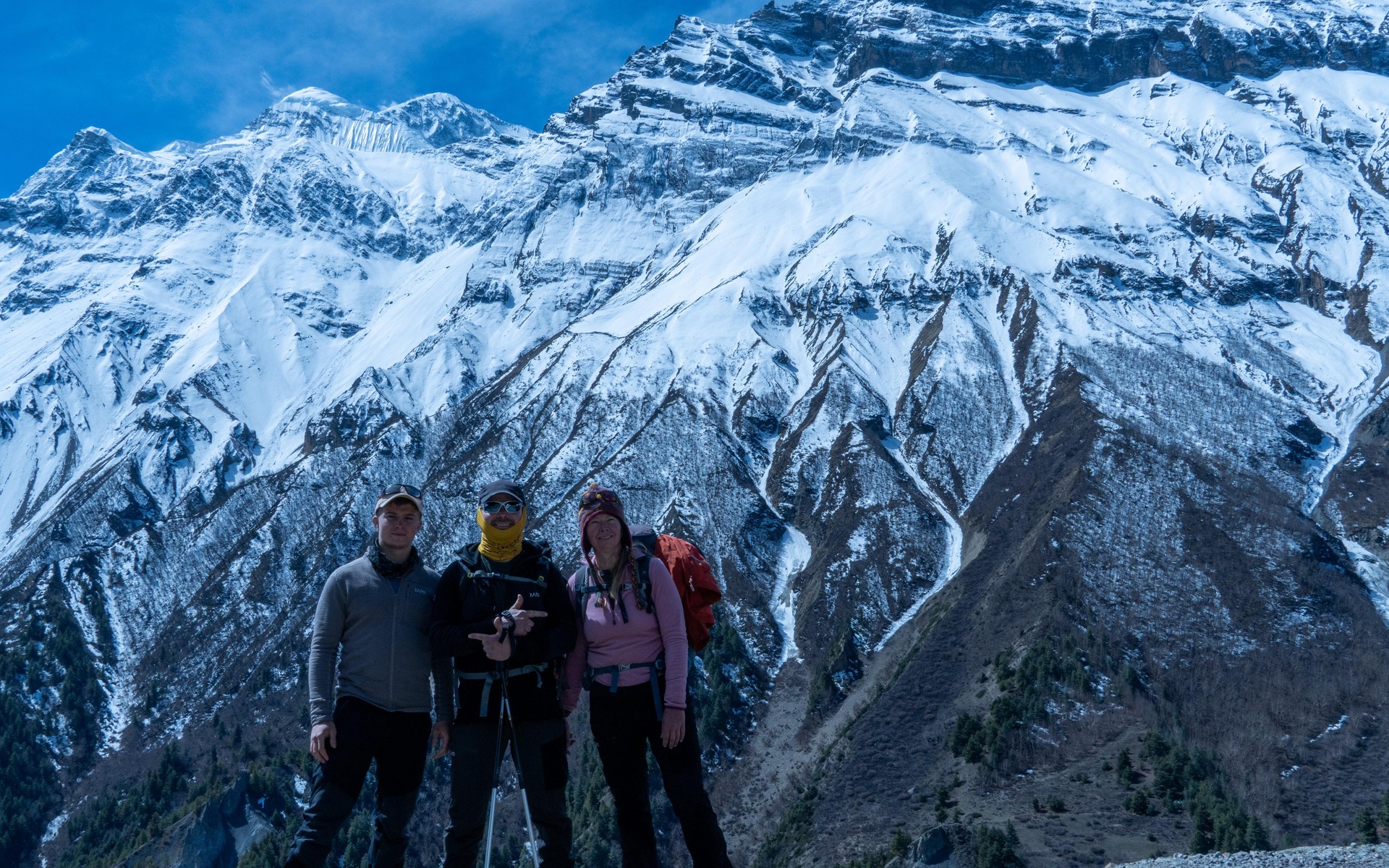
Trekking is a gentle walk in natural surroundings while exploring nature’s beauty with experiencing the local culture of the place. These activities are done in different areas of Nepal mostly in hilly and rural mountain areas where the difficulty level is moderate to extremely hard. Trekking has three types they are Hiking, Backpacking trekking, and tea house trekking. A highly demanded trek of Nepal is tea house trekking and hiking whereas a backpacking trek is very low in practice.
Trekking and hiking in natural surroundings have been scientifically proven to be therapeutic. Even though, find the best trek in Nepal we recommend the Annapurna Base Camp, Everest Base Camp, Manaslu, Langtang, and Mustang treks. These activities are held in natural surroundings and responsible traveler helps to contribute to the local economy by using local products that are ultimately beneficial for society and the environment that promote cultural tourism and ethical tourism.
4. Agro-Tourism:
Agro Tourism in Nepal is a high-end approach to attract tourists. Nepal is primarily an agricultural nation. Approximately 66% of the population is directly employed in the agricultural sector. Nepal’s topography is varied, and its various regions experience varying temperatures and climates. This makes it possible to cultivate a wide variety of plants and crops in Nepal’s soil. But conventional farming practices and inadequate agricultural education are the only real reasons these people are falling behind. Putting this aside, Nepal is well-known for its agro-tourism because it is a popular travel destination worldwide.
Nepal’s tourism sector is growing at the fastest rate among the country’s financial sectors because of the amazing natural beauty, and uniqueness. In regions where agriculture is the primary industry, agrotourism is the most effective means of attracting tourists and visitors. Agrotourism includes a wide range of activities like visiting and spending the night at the farm, growing vegetables, raising organic food, raising poultry, and much more. Every year on Ashadh 15 (June 29), Nepal celebrates a rice-planting festival known as “Ropai Jatra.”
5. Protected Areas
Nepal is home to a wide variety of plant and animal species as well as natural ecosystems that stretch from the high Himalayas to the lowland Terai region. Nepal’s maximum diversity of flora and fauna has been favored by its varied climatic and topographic conditions. Although the nation only makes up 0.1 percent of the world’s surface, it is home to 3.2 percent and 1.1 percent, respectively, of the known flora and fauna of the planet.
The Department of National Parks and Wildlife Conservation (DNPWC) was founded in 2037 BS (1980 AD) to protect and oversee the nation’s biodiversity and wildlife. With twelve national parks, one wildlife reserve, one hunting reserve, six conservation areas, and thirteen buffer zones spanning 23.39 km2, Nepal has created an excellent system of protected areas.
A crucial element of any worldwide conservation plan is protected areas. Travel is a potentially beneficial force for conservation because it offers a vital and distinctive means of establishing visitors’ connection with the values of protected areas.
FAQs
- Why is sustainable tourism important?
It contributes to the preservation of natural resources, the protection of cultural heritage, the support of local communities, and the long-term viability of tourism activities without harm to the environment and the promotion of ethical and cultural tourism. - What are the principles of sustainable tourism?
Key principles include reducing environmental impact, respecting and benefiting local communities, preserving cultural heritage, and providing meaningful tourist experiences. - How does sustainable tourism benefit the local community?
It creates jobs, generates revenue for local businesses, preserves cultural traditions, and instills community pride in natural and cultural heritage. - How does Nepal encourage sustainable tourism?
Nepal promotes sustainable tourism through policies and initiatives that prioritize responsible travel practices, conservation efforts, community involvement, and long-term development of tourism infrastructure. - How can tourists contribute to sustainable tourism in Nepal?
Tourists can help by selecting eco-friendly accommodations, respecting local cultures, supporting local businesses, reducing waste, using sustainable transportation, and taking part in community-based tourism activities.
Conclusion
Sustainable tourism in Nepal offers a promising path for economic development while preserving the country’s rich natural and cultural heritage. Nepal’s diverse landscapes, from the Himalayas to the Terai lowlands, provide good opportunities for eco-friendly tourism activities such as trekking, wildlife photography, cultural experiences, and agro-tourism. These activities not only attract visitors but also contribute to environmental conservation, community development, and cultural preservation.
Nepal is attempting to maintain its greenery while increasing tourism. It’s challenging because they must preserve the environment and the customs of the locals while simultaneously hoping to attract more tourists. The nation is studying other successful ecotourism destinations in an attempt to become one of them.
Everyone must contribute for this to succeed, including the government, travel agencies, residents, and visitors. Nepal could benefit greatly from tourism in many ways for a very long time if the country concentrates on eco-friendly and responsible travel.
Written By:
Bibash Karki (22 yrs)
I am a passionate tourism student at NATHM, dedicated to exploring and promoting the beauty of Nepal’s landscapes. Currently interning at Touch the Himalaya Treks and Expedition, I am gaining valuable hands-on experience organizing unforgettable trekking and adventure experiences. With a deep love for nature and a commitment to sustainable tourism practices, I am eager to contribute to making every traveler’s journey through the Himalayas an enriching and memorable experience.