Winter Treks in Nepal: Best Snowy Trails & Tips
Escape the crowds and discover Nepal’s serene winter trails, where crisp air and snow-dusted peaks create a magical trekking experience.
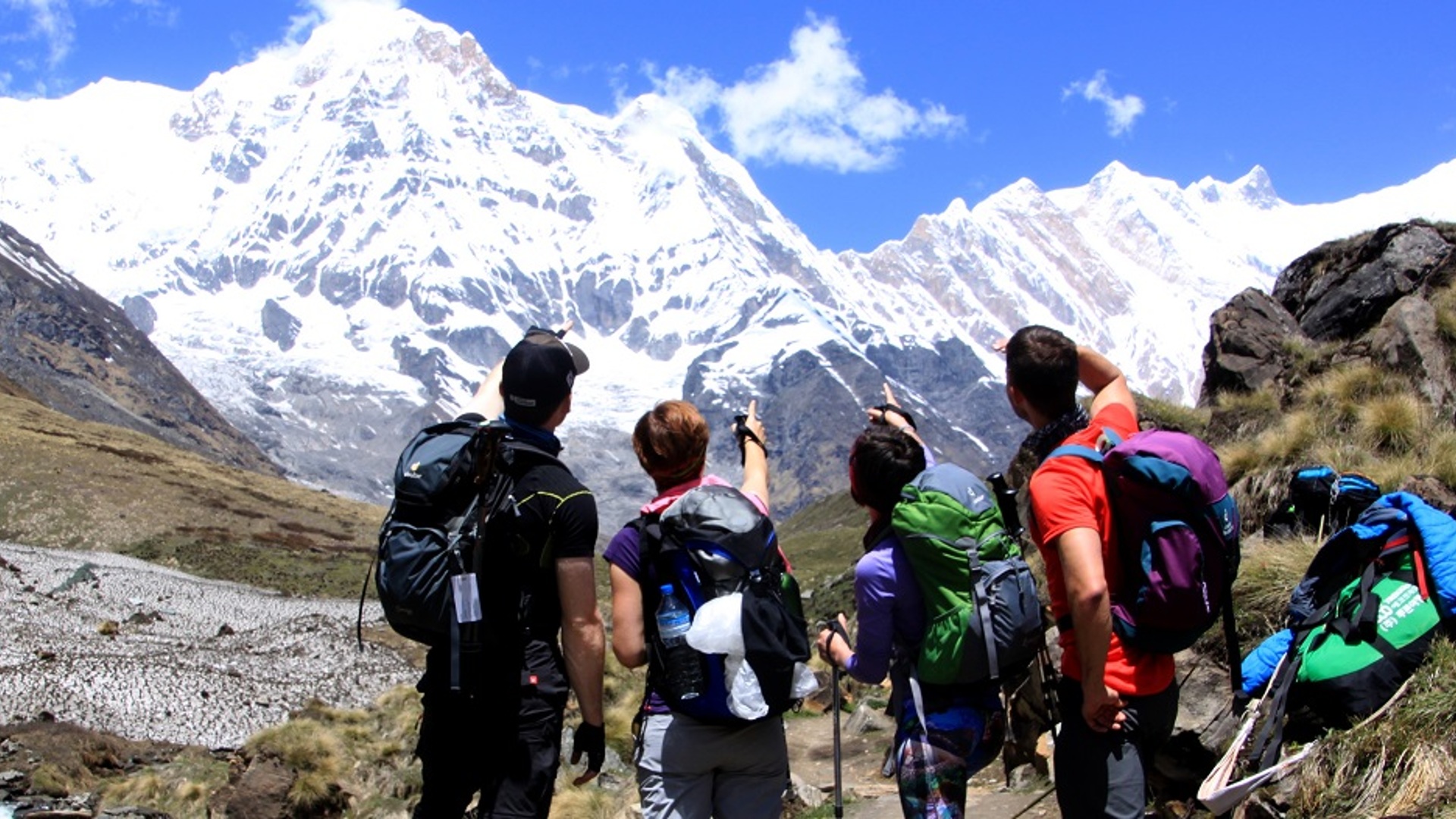
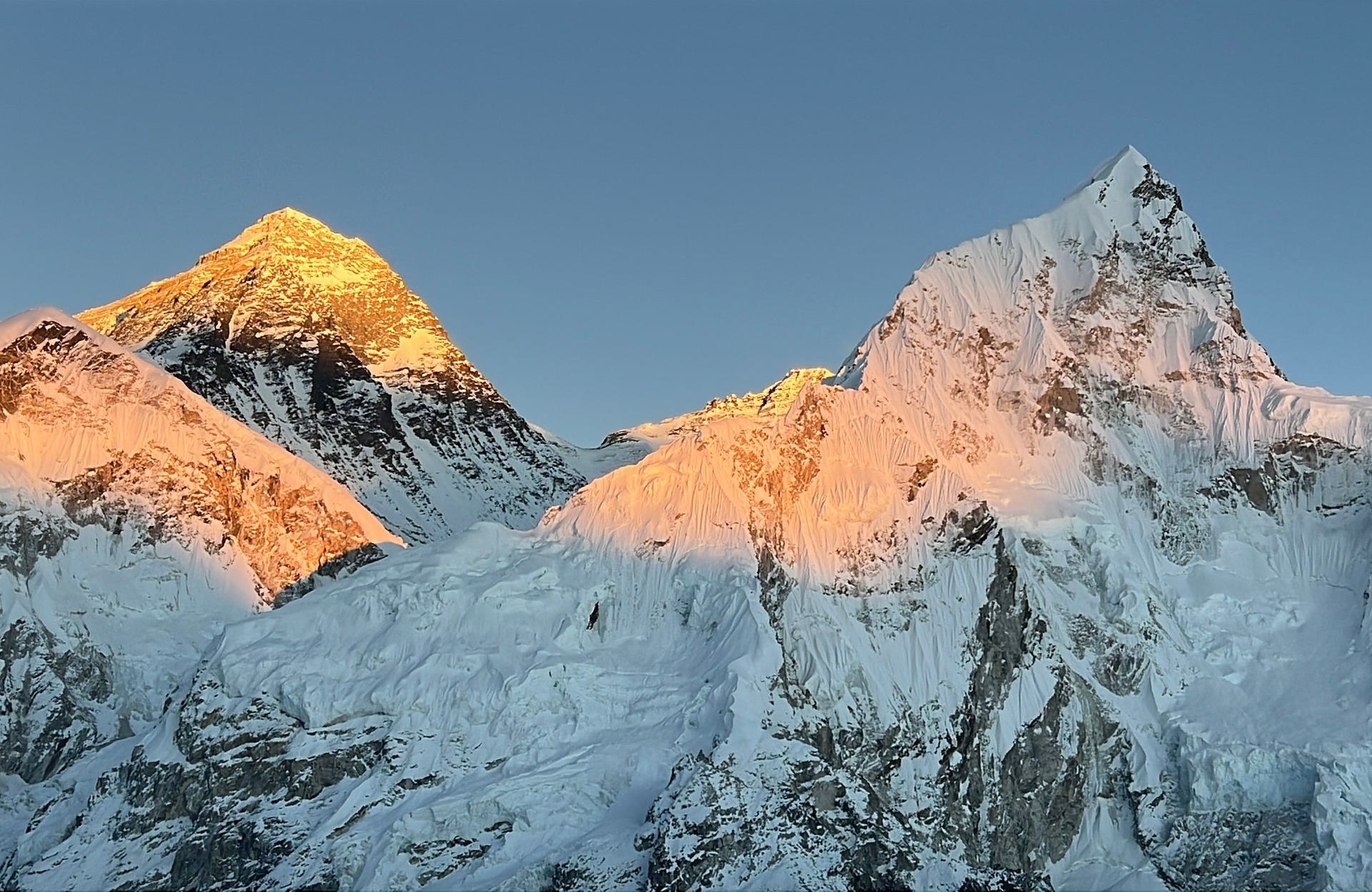
Nepal in winter offers a completely different kind of magic—a quiet, crystalline beauty that transforms familiar trails into pristine snowscapes. While many trekkers shy away from the colder months, those who venture out are rewarded with unobstructed Himalayan views, uncrowded teahouses, and a profound sense of solitude. The air is crisp and clear, often offering the year’s best visibility of peaks like Annapurna, Dhaulagiri, and the Everest massif, all dusted in fresh powder. Winter trekking is not for the faint of heart, but for those seeking a raw, intimate connection with the mountains.
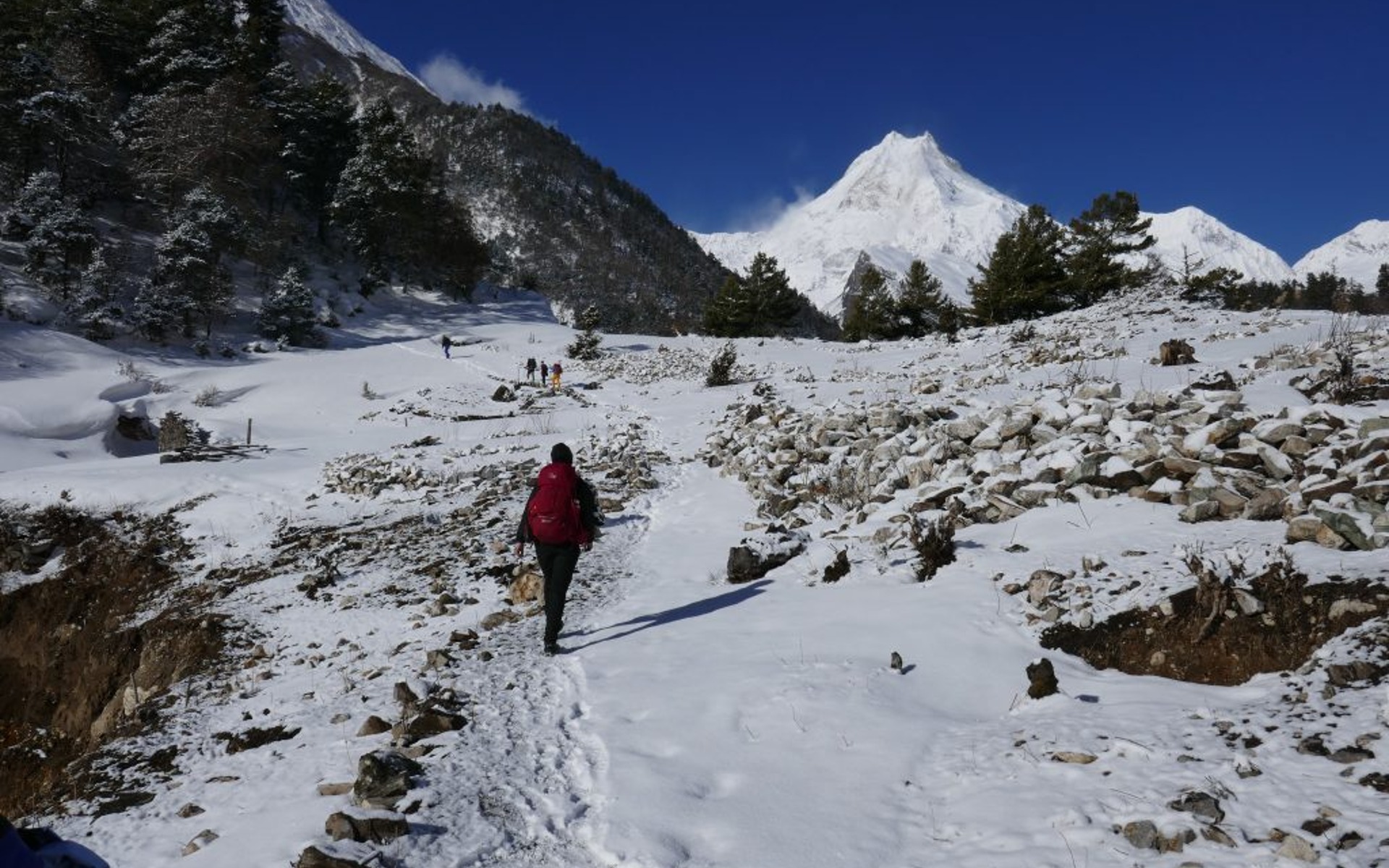
Our carefully selected winter routes focus on lower-altitude trails that remain accessible and safe, such as the Ghorepani Poon Hill circuit, the Royal Trek, and the Helambu region. These trails stay below 4,000 meters, avoiding the extreme high-altitude cold while still providing spectacular snow-dusted scenery. Days are typically sunny and comfortable for walking, with temperatures often reaching 10 to 15 degrees Celsius in the sun, though nights and early mornings can dip well below freezing. Proper layering—including a quality down jacket, thermal base layers, and windproof outer shell—is essential for comfort and safety.
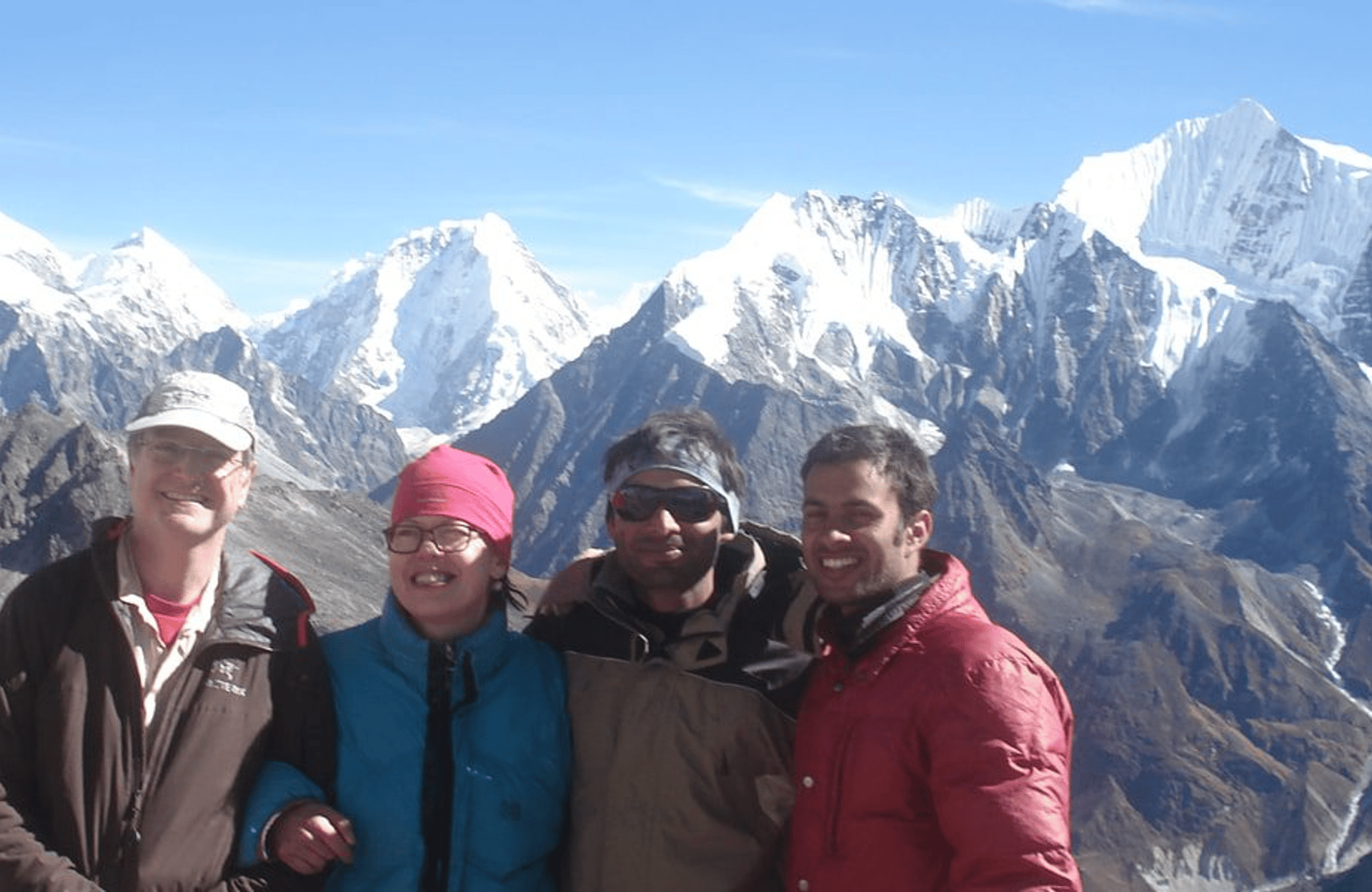
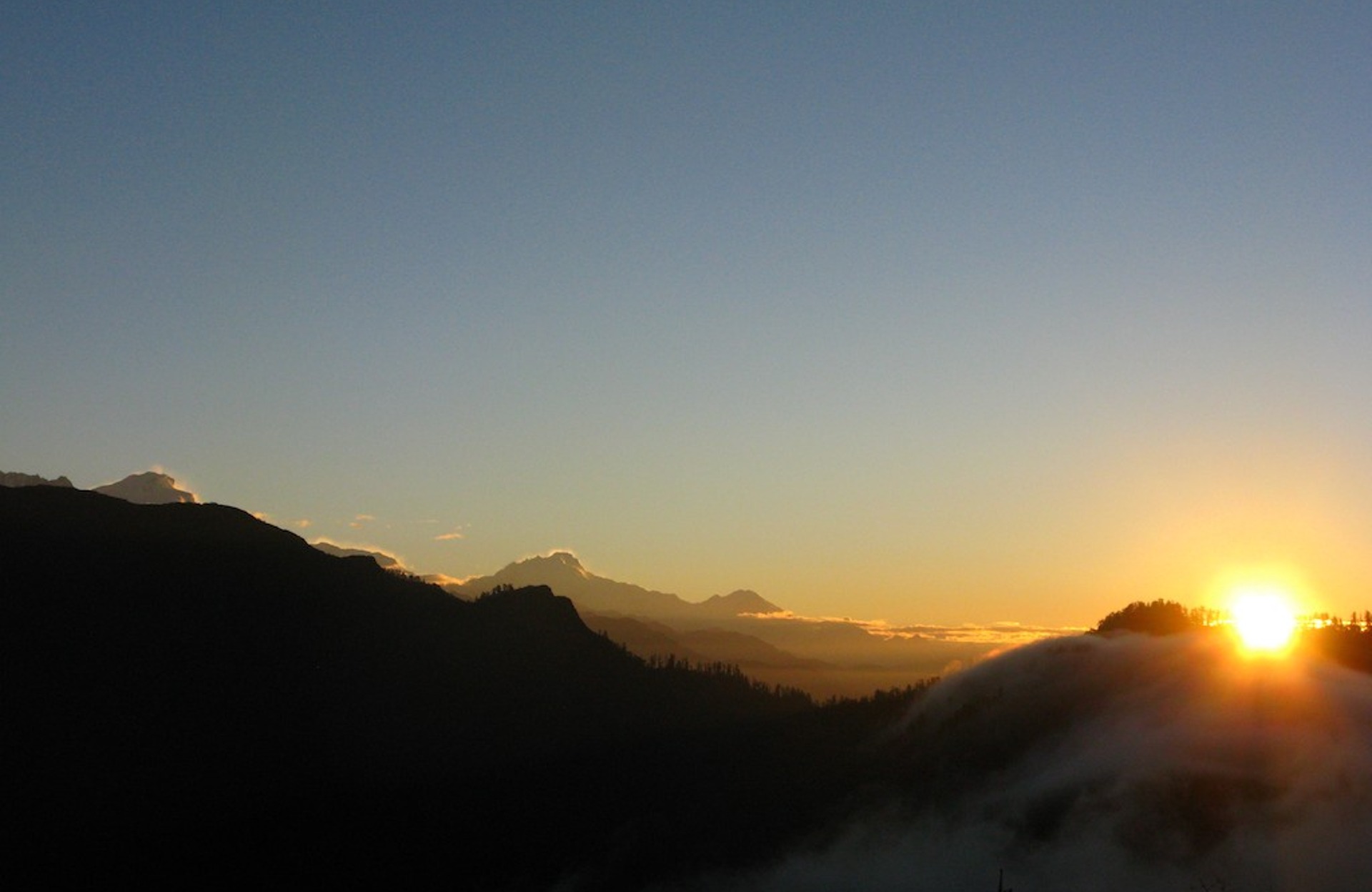
One of the greatest pleasures of a winter trek is the warmth of the teahouse stove after a day on the trail. The lodges are cozier and more personal, with fewer guests meaning you’ll often have the dining room to yourself, sharing stories with your guide over hot tea and dal bhat. The trails themselves are quieter, allowing you to move at your own pace and truly absorb the surroundings without the bustle of peak-season crowds. For photographers, winter light is unmatched—long, golden shadows and clear blue skies make every frame a postcard.
We recommend planning your winter trek between December and February, with January being the coldest and clearest month. It’s important to book with an experienced operator who understands winter conditions, as trail closures due to snow are possible at higher elevations. Our guides are trained in winter safety, including navigating icy sections and managing cold-weather gear, ensuring your adventure is both thrilling and secure. From the warm hospitality of the villages to the silent majesty of the snow-covered hills, a winter trek in Nepal is an experience that stays with you long after you’ve returned to warmer climates.