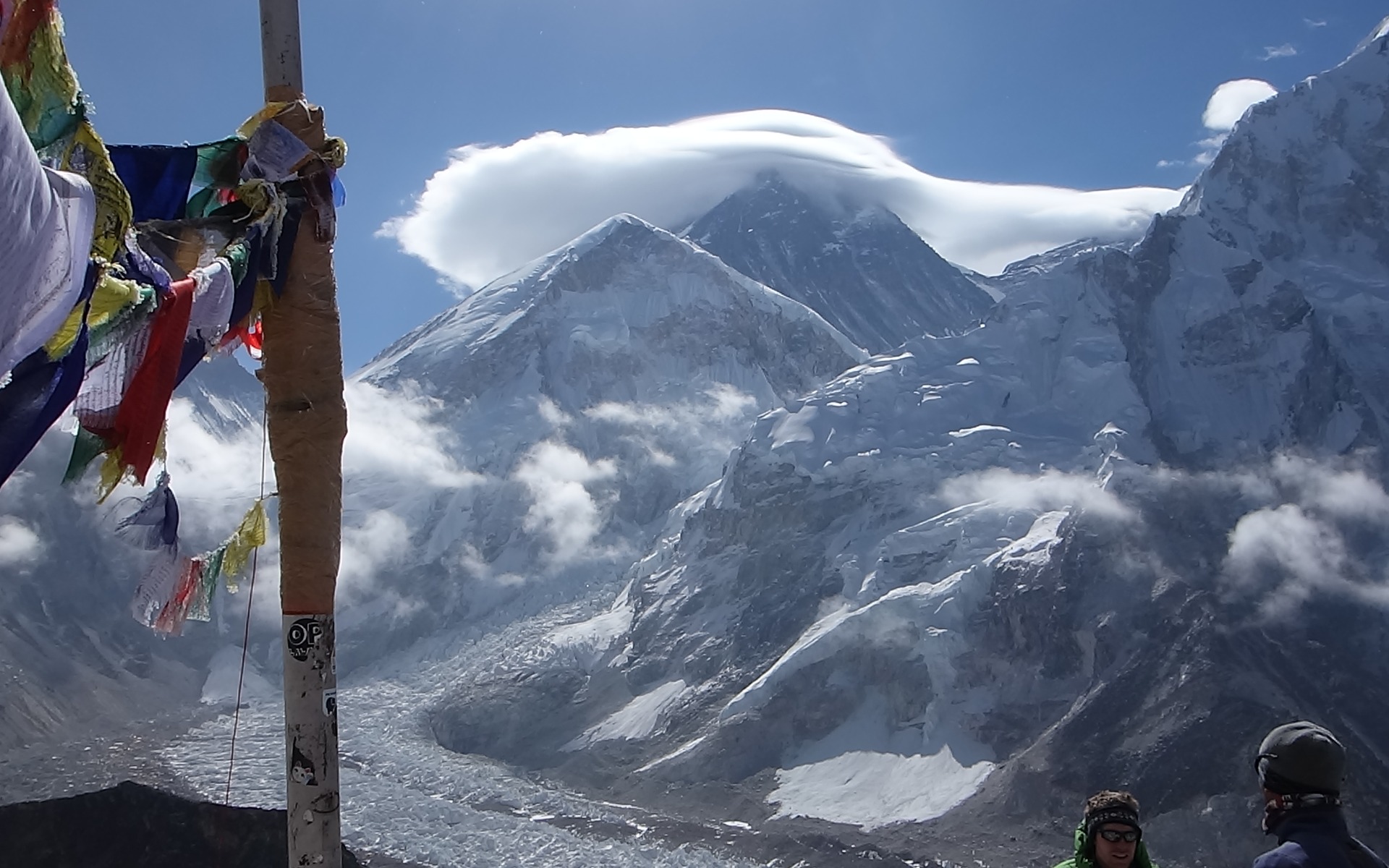
Everest vs Annapurna: Which Trek in Nepal Is Right for You
Should you trek to Everest or Annapurna? One offers towering glaciers and Sherpa legends; the other, lush forests and panoramic diversity. Find your perfect Himalayan journey here.
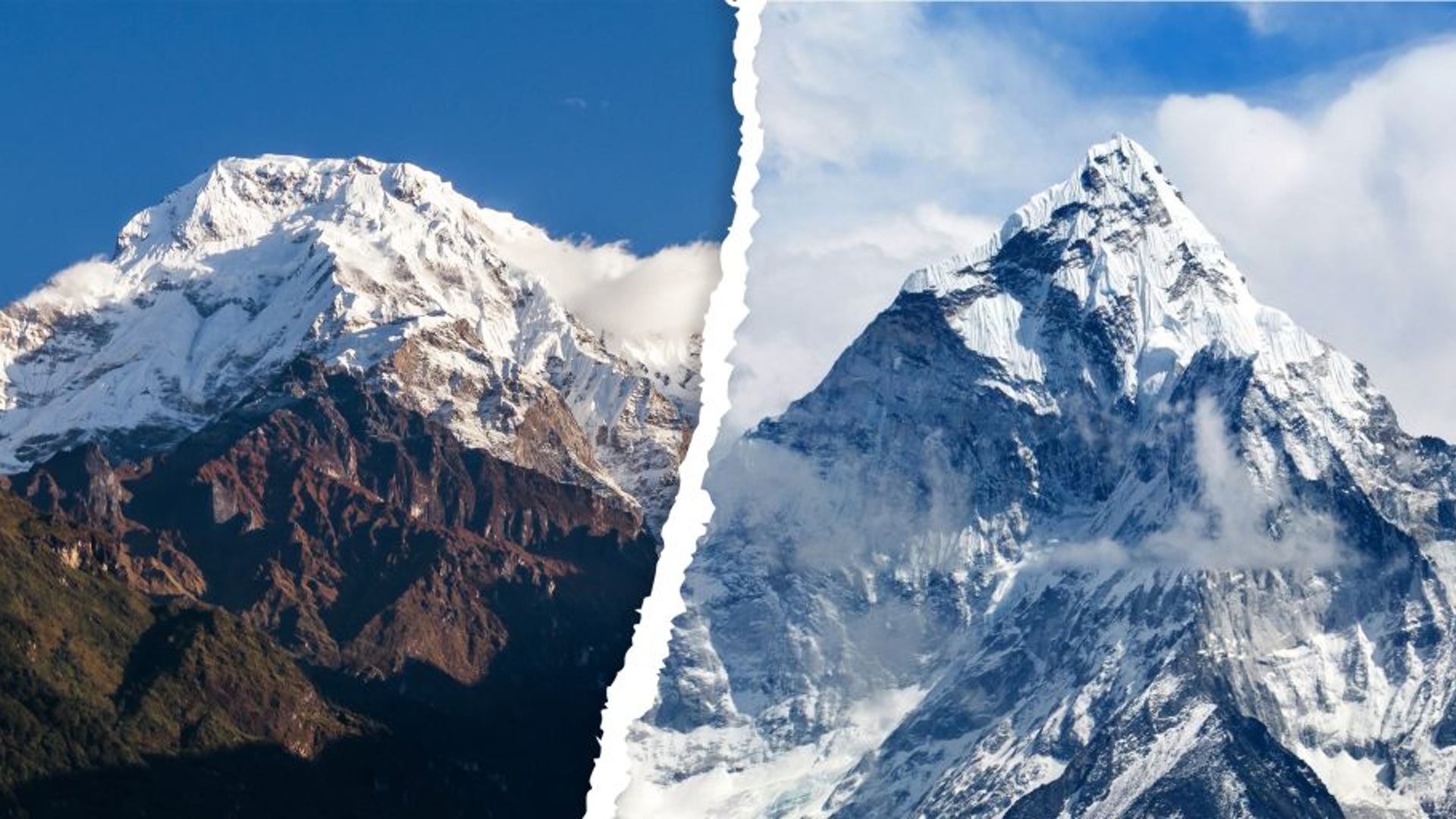
Everest vs Annapurna: Which Himalayan Trek Should You Choose?
Nepal is the ultimate destination for mountain lovers, home to eight of the world's fourteen highest peaks and countless legendary trekking routes. Among them, two regions stand above all others—the Everest Region and the Annapurna Region.
Every year, thousands of trekkers ask the same question:
Should I trek to Everest or Annapurna?
The answer isn't as simple as choosing the taller mountain. While both regions offer breathtaking Himalayan landscapes, unforgettable cultural encounters, and world-class trekking experiences, they cater to different types of travelers.
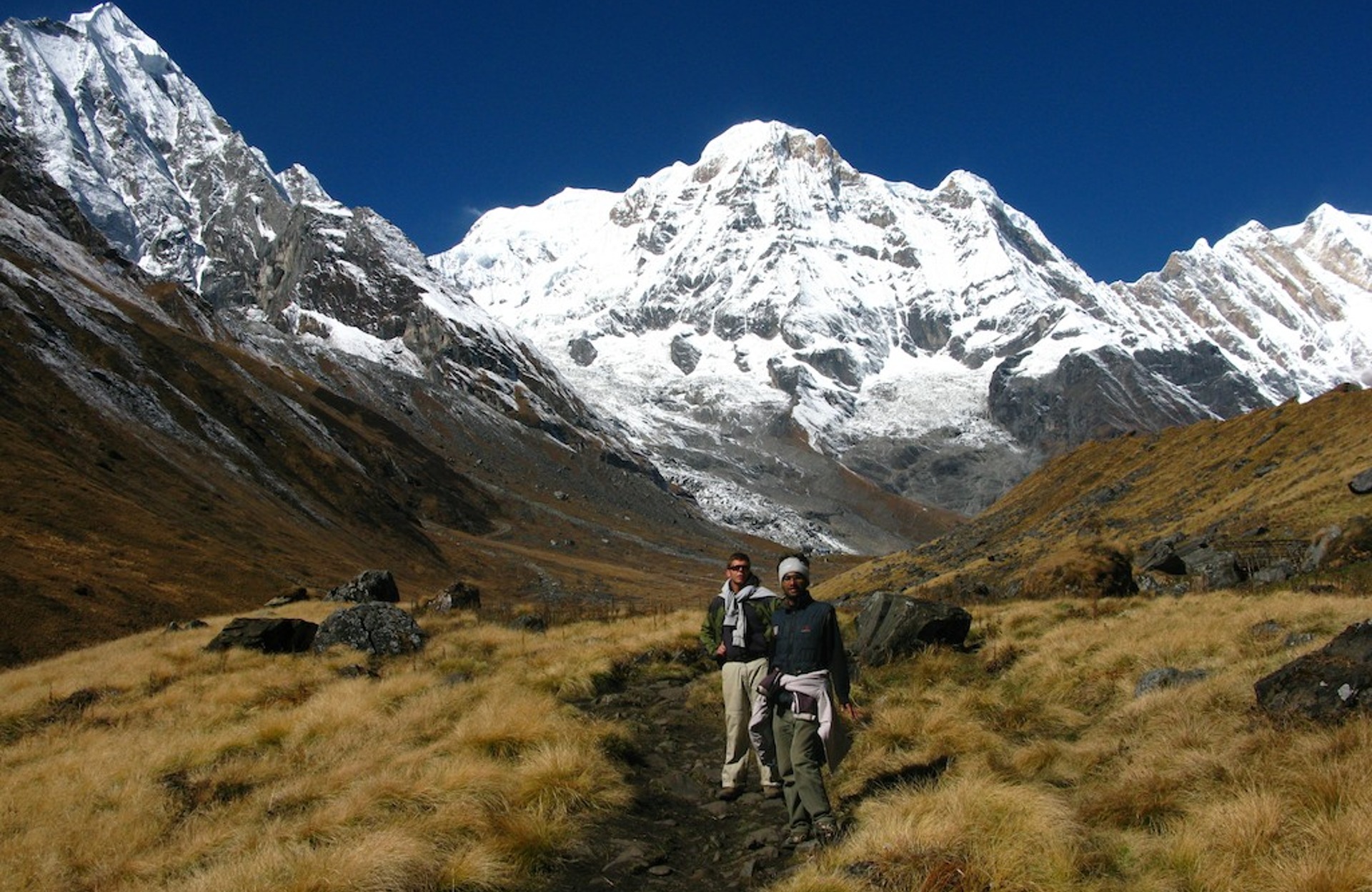
Everest is famous for its towering glaciers, legendary Sherpa villages, and the dream of standing at the foot of the world's highest mountain. Annapurna, on the other hand, is celebrated for its incredible diversity—lush forests, traditional villages, alpine meadows, high mountain passes, and panoramic Himalayan views.
Whether you're planning your first trek in Nepal or returning for another adventure, this comprehensive comparison will help you decide which Himalayan journey best suits your travel style.
Everest vs Annapurna at a Glance
Feature | Everest Region | Annapurna Region |
|---|---|---|
Famous Trek | Everest Base Camp | Annapurna Circuit & Annapurna Base Camp |
Highest Trek Point | Kala Patthar (5,545m) | Thorong La Pass (5,416m) |
Trek Duration | 12–16 Days | 5–20 Days |
Difficulty | Moderate to Challenging | Easy to Challenging |
Budget | Higher | More Affordable |
Flight Required | Yes (Lukla) | Usually No |
Best For | Everest dream, high mountains | Variety, flexibility, beginners |
The Everest Region – Walking Beneath the World's Highest Peak
The Everest Region, also known as the Khumbu, is synonymous with adventure. This is where legendary mountaineers have challenged the world's highest peak and where trekkers follow ancient Himalayan trails through Sherpa villages, suspension bridges, and Buddhist monasteries.
The journey begins with one of the world's most scenic mountain flights to Lukla before winding through picturesque villages like Phakding, Namche Bazaar, Tengboche, Dingboche, and Lobuche. Every step brings you closer to the magnificent Mount Everest, surrounded by giants like Lhotse, Nuptse, Ama Dablam, and Pumori.
The Everest trek isn't just about reaching Base Camp—it's about experiencing the unique Sherpa culture, witnessing centuries-old monasteries, and trekking through one of the most spectacular alpine landscapes on Earth.
The Annapurna Region – Nepal's Most Diverse Trekking Destination
Unlike Everest, the Annapurna Region is known for its remarkable variety. In just a few days, trekkers can walk through subtropical forests, terraced farmlands, rhododendron hills, alpine meadows, deep gorges, and snow-covered mountain passes.
Whether you're trekking to Annapurna Base Camp, crossing Thorong La on the Annapurna Circuit, hiking to Mardi Himal, or watching sunrise from Poon Hill, every route showcases different landscapes and cultures.
This diversity makes Annapurna suitable for everyone—from first-time hikers to experienced high-altitude trekkers.
Scenic Beauty: Which Region Has Better Views?
Everest Region
The Everest Region delivers dramatic mountain scenery unlike anywhere else in the world.
Expect to see:
- Mount Everest
- Ama Dablam
- Lhotse
- Nuptse
- Pumori
- Khumbu Glacier
- Icefalls and glacial valleys
The landscapes become increasingly rugged as you gain altitude, creating an unforgettable high-mountain atmosphere.
Annapurna Region
Annapurna's beauty lies in its diversity.
Within a single trek, you'll experience:
- Rhododendron forests
- Waterfalls
- Suspension bridges
- Rice terraces
- Deep river valleys
- Snow-capped Himalayan peaks
- Alpine landscapes
- High mountain passes
Visible peaks include:
- Annapurna I
- Annapurna South
- Machhapuchhre (Fishtail)
- Dhaulagiri
- Nilgiri
- Gangapurna
- Hiunchuli
Winner
If you dream of iconic Himalayan peaks, Everest is unbeatable.
If you love constantly changing landscapes, Annapurna offers greater variety.
Trekking Difficulty
The Everest Base Camp Trek is physically demanding mainly because of altitude. Although the trails themselves are technically straightforward, trekking above 5,000 meters requires proper acclimatization, patience, and good fitness.
The Annapurna Region offers something for every ability level.
Popular options include:
- Poon Hill Trek (Easy)
- Mardi Himal Trek (Moderate)
- Annapurna Base Camp Trek (Moderate)
- Annapurna Circuit Trek (Challenging)
- Tilicho Lake Trek (Challenging)
For beginners, Annapurna provides more accessible trekking routes.
Altitude and Acclimatization
Altitude is one of the biggest factors when choosing between these two regions.
Everest
- Everest Base Camp: 5,364m
- Kala Patthar: 5,545m
Acclimatization days are essential to reduce the risk of altitude sickness.
Annapurna
- Annapurna Base Camp: 4,130m
- Thorong La Pass: 5,416m
Only the Annapurna Circuit reaches extreme altitude, while many Annapurna treks remain below 4,500 meters.
Cultural Experience
One of Nepal's greatest treasures is its rich mountain culture.
Everest Region
The Khumbu is home to the Sherpa people, renowned worldwide for their mountaineering skills and warm hospitality.
Highlights include:
- Tengboche Monastery
- Mani walls
- Prayer flags
- Chortens
- Buddhist traditions
- Yak caravans
Annapurna Region
The Annapurna Region introduces trekkers to several ethnic communities including:
- Gurung
- Thakali
- Magar
- Manangi
Every village offers unique traditions, architecture, cuisine, and hospitality.
Accommodation and Food
Both trekking regions feature traditional Himalayan teahouses.
Everest lodges generally cost more due to the logistics of transporting supplies by aircraft, helicopter, or yak.
Annapurna offers:
- More accommodation choices
- Larger villages
- Better food variety
- Lower prices
- Greater comfort on many routes
Meals commonly include:
- Dal Bhat
- Momos
- Fried Rice
- Pasta
- Soups
- Pancakes
- Tibetan Bread
- Tea and Coffee
Accessibility
Everest trekking begins with a mountain flight to Lukla, one of the world's most famous airports.
While spectacular, flights can be delayed due to weather.
Most Annapurna treks begin with a drive from Kathmandu or Pokhara, making logistics easier and more affordable.
Trekking Costs
Everest is generally the more expensive destination.
Typical costs include:
Trek | Average Budget |
|---|---|
Everest Base Camp | USD 1,300–2,500 |
Annapurna Base Camp | USD 700–1,400 |
Annapurna Circuit | USD 900–1,800 |
The additional cost of Lukla flights and higher food prices make Everest the more expensive choice.
Best Time to Trek
Both regions are best visited during:
Spring (March–May)
- Blooming rhododendrons
- Comfortable temperatures
- Excellent visibility
Autumn (September–November)
- Crystal-clear skies
- Stable weather
- Best mountain views
Winter offers quieter trails but colder conditions, while the monsoon season brings rain, clouds, and slippery paths.
Which Trek Is Better for Beginners?
Choose Annapurna if you:
- Are trekking for the first time
- Want shorter trekking options
- Prefer lower altitude
- Have a limited budget
- Want flexible itineraries
Choose Everest If You...
- Dream of seeing Mount Everest up close
- Want to experience Sherpa culture
- Enjoy dramatic alpine scenery
- Are comfortable trekking above 5,000 meters
- Want one of the world's most iconic adventures
Choose Annapurna If You...
- Love diverse landscapes
- Want excellent value for money
- Prefer easier logistics
- Want multiple trekking options
- Enjoy experiencing different mountain cultures
Everest vs Annapurna: Final Verdict
There is no wrong choice.
If standing beneath the world's highest mountain has always been your dream, the Everest Region offers a once-in-a-lifetime adventure that few places on Earth can match.
If you're looking for diverse scenery, flexible itineraries, excellent value, and trekking options suitable for every experience level, the Annapurna Region is the perfect destination.
Many experienced trekkers eventually complete both—and for good reason. Each region offers a unique perspective on Nepal's incredible Himalayan landscape.
No matter which trail you choose, you'll return home with unforgettable memories, breathtaking photographs, and a deep appreciation for the beauty and culture of the Himalayas.
Frequently Asked Questions
Which trek is harder, Everest or Annapurna?
Everest Base Camp is generally more challenging due to its higher altitude. However, the Annapurna Circuit is comparable in difficulty because of the Thorong La Pass.
Which trek has better mountain views?
Everest offers iconic close-up views of the world's highest peaks, while Annapurna provides more varied landscapes with stunning mountain panoramas.
Which trek is better for beginners?
The Annapurna Region is ideal for beginners thanks to its flexible routes, lower-altitude options, and easier accessibility.
Is Everest more expensive than Annapurna?
Yes. Everest treks typically cost more because of Lukla flights, higher transportation costs, and more expensive accommodation and meals at higher elevations.
Can I trek both Everest and Annapurna in one trip?
Yes. If you have four to six weeks in Nepal, you can combine treks in both regions for the ultimate Himalayan adventure.
Keep reading