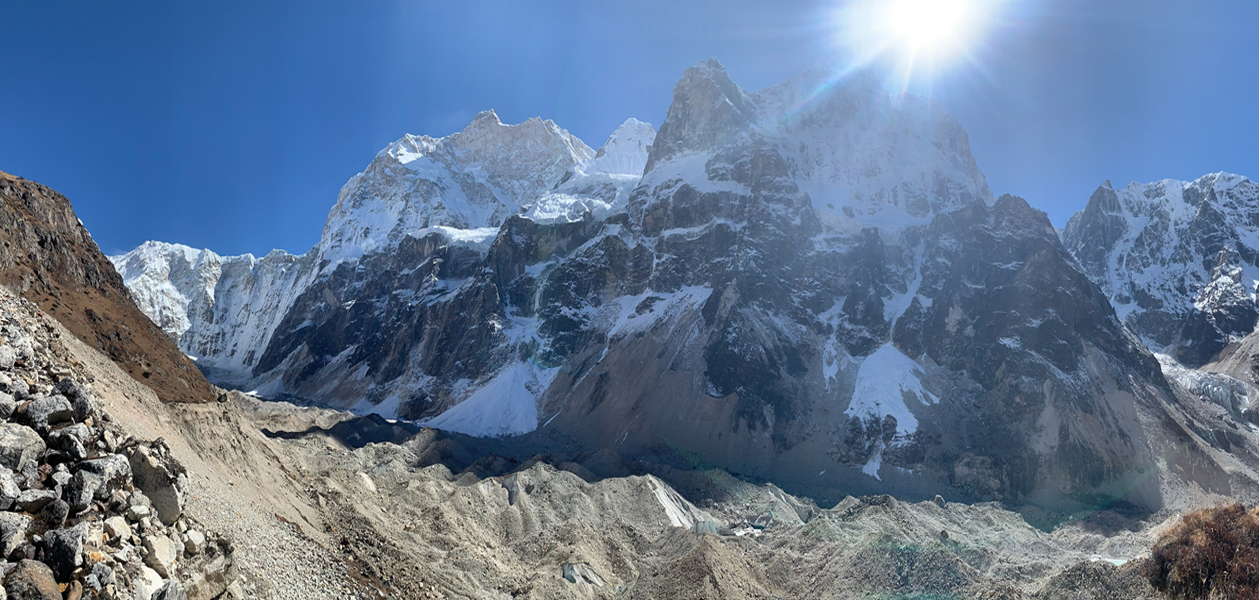
Discover Kanchenjunga, Nepal's wildest frontier offering true solitude beyond Manaslu. Plan your untouched Himalayan trek today.
About this destination
Kanchenjunga is not merely a mountain; it is a sanctuary of the wild, a realm so remote that it makes the Manaslu circuit feel like a well-trodden path. This is the third highest peak on Earth, yet it remains one of the least visited. While Manaslu offers a taste of the frontier, Kanchenjunga demands a true expedition. The trails here are not crowded; they are shared with yak caravans, elusive snow leopards, and the quiet rhythm of ancient villages that have seen few outsiders. This is trekking stripped of the familiar, a journey into a landscape that feels as untouched as when the first explorers laid eyes on its colossal southern face.
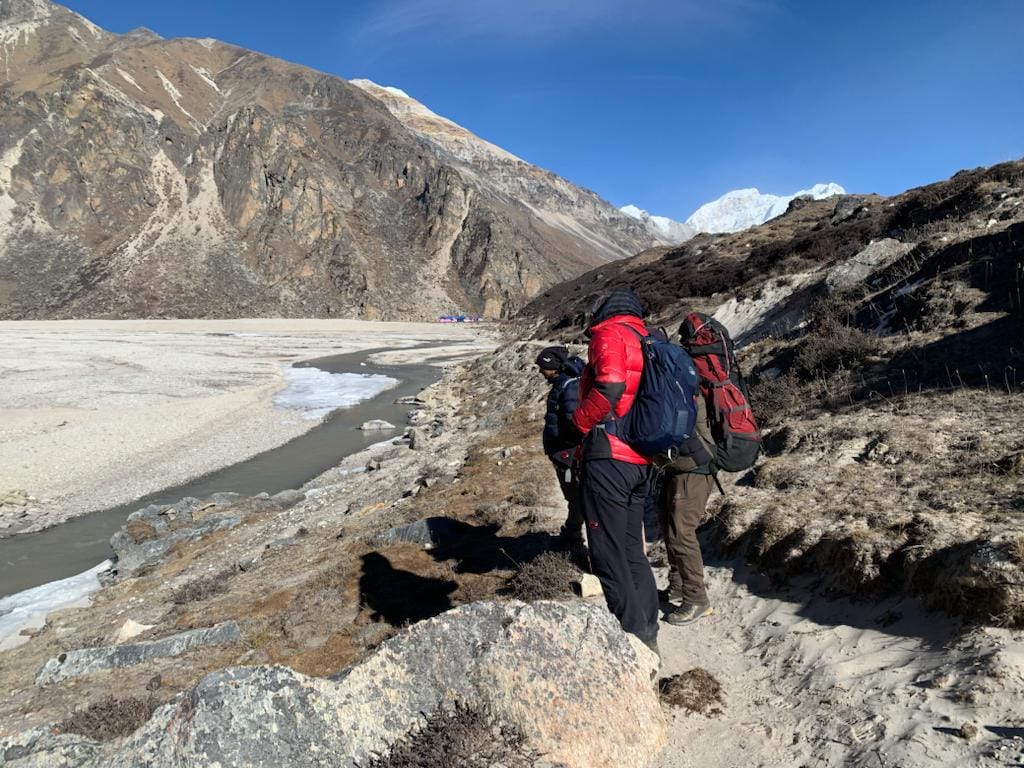
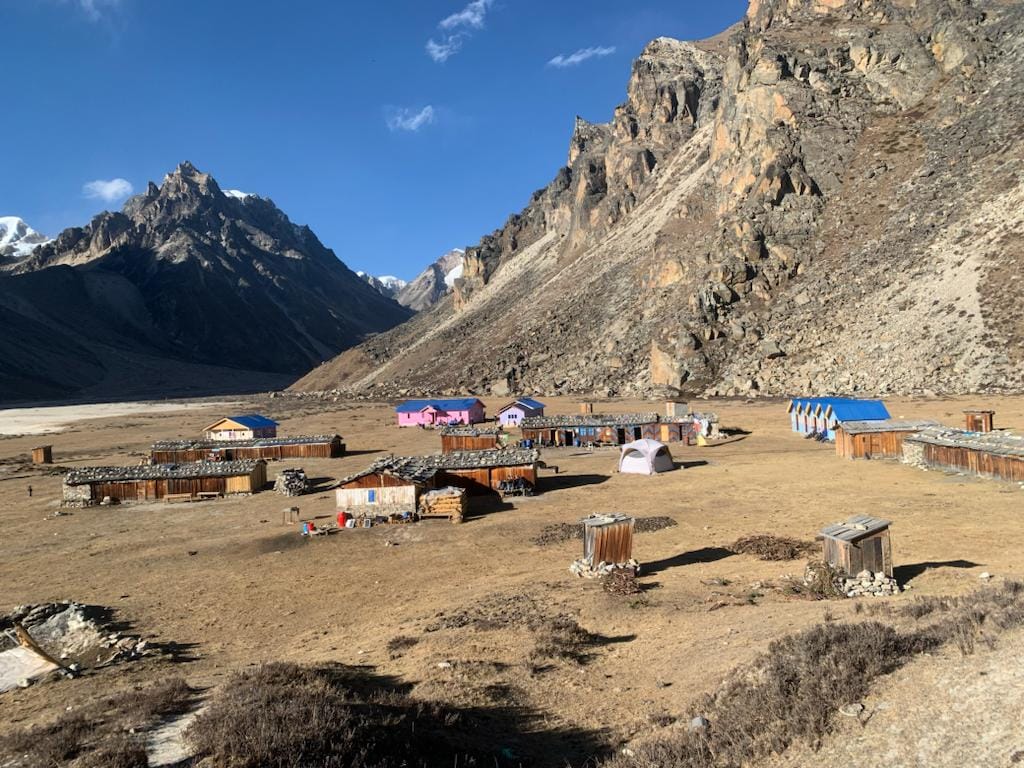
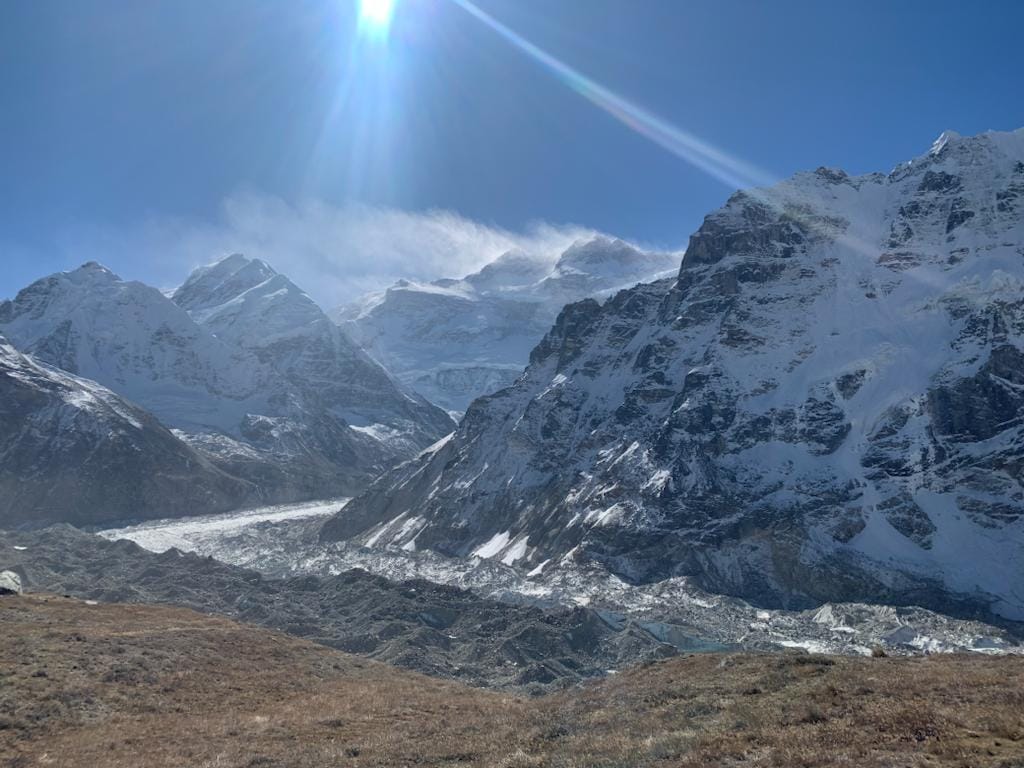
The geography of the region enforces its isolation. The approach is long, winding through dense rhododendron forests that give way to high alpine meadows and then to the stark, icy silence of the glacial moraines. Unlike the managed campsites of more popular treks, here you camp in the shadow of the mountain itself, on ground that feels genuinely wild. The air is thin, the distances are vast, and the sense of being utterly disconnected from the modern world is profound. It is this very rawness that defines the Kanchenjunga experience—a raw, honest communion with nature at its most powerful.
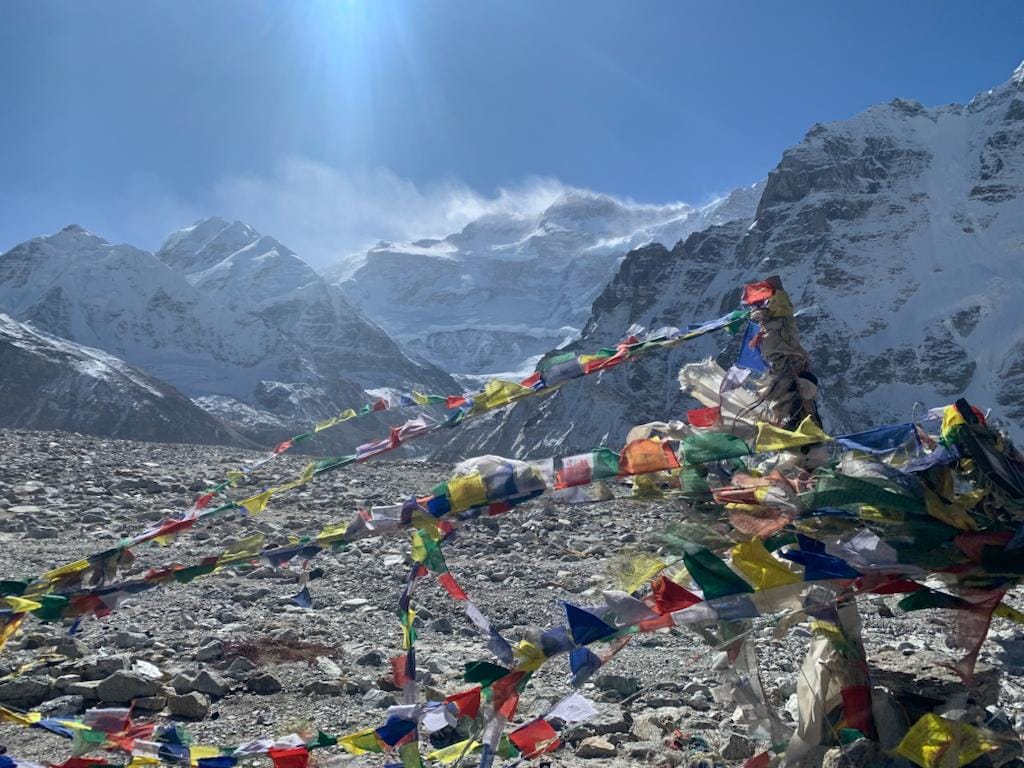
Culturally, this is the land of the Limbu and Sherpa peoples, communities whose lives are intertwined with the mountain’s spirit. Their stone houses and prayer flags stand resilient against the elements, and their hospitality is a warm constant in a cold landscape. The monasteries here, like the one at Pangpema, are not tourist stops but living places of worship, where the energy of the trekker and the devotion of the monk coexist in rare harmony. To walk here is to step into a living museum of Himalayan culture, preserved not by intention but by sheer remoteness.
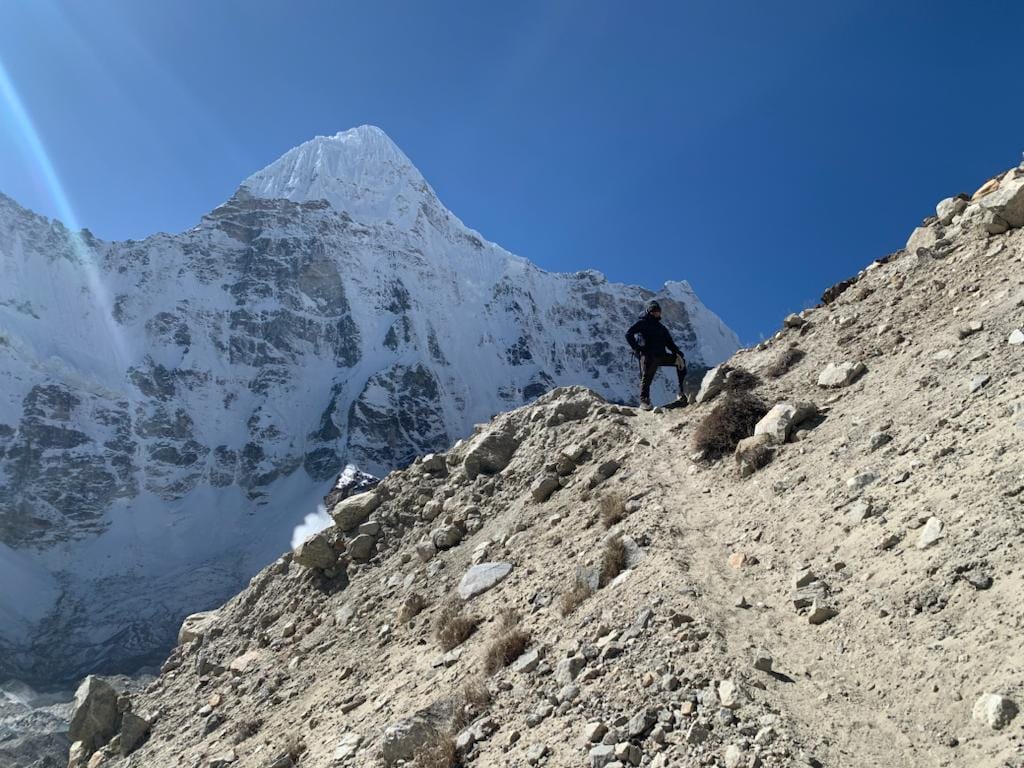
For the seasoned trekker who has felt the buzz of Annapurna’s tea houses and the thrill of Manaslu’s passes, Kanchenjunga offers the next horizon. It is a destination for those who seek not just a view, but a true wilderness encounter. The reward is not only the sight of the mountain’s jaw-dropping massif at sunrise, but the profound silence that follows. This is a place where the mountain does not come to you; you must earn every step towards it. Kanchenjunga is the final frontier of the Nepal Himalaya, an untamed, untouched jewel waiting for those ready to leave the beaten path far behind.
15 photos

Before you go
The best time to visit Kanchenjunga is during the pre-monsoon spring months of March, April, and May, and the post-monsoon autumn months of October, November, and early December. These windows offer the clearest skies and the most stable weather, which is essential for a trek this demanding and wild. Unlike more popular routes, the Kanchenjunga region does not see a rush of trekkers even in peak season; you will share the trail with only a handful of other adventurers. In spring, the lower forests burst with rhododendrons, while autumn provides crisp, panoramic views of the Kanchenjunga massif that are virtually unobstructed. Winter, from December to February, is for the truly hardcore, with deep snow and biting cold that closes high passes and makes the journey far more challenging. The monsoon months of June through September are not recommended, as heavy rainfall turns trails into slippery mud, leeches are abundant, and clouds often obscure the peaks for days on end. For a trek that offers true solitude beyond Manaslu, these seasonal windows ensure you experience the wilderness at its most accessible yet still profoundly untouched.
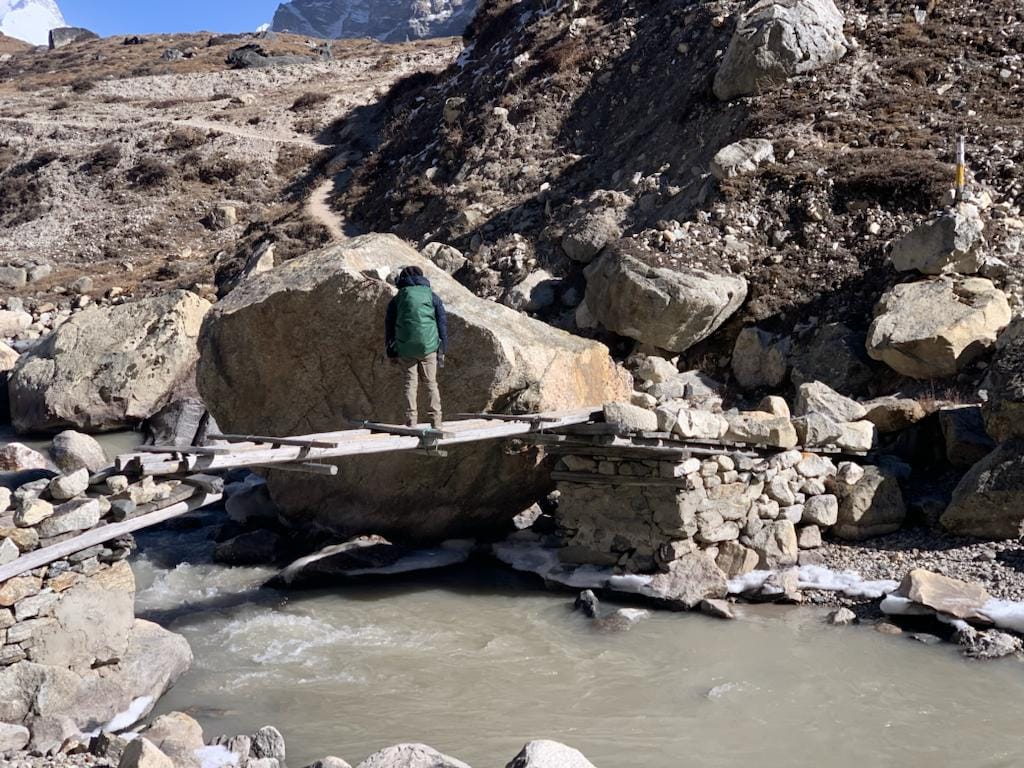
Reaching the base of the world’s third highest peak is an expedition in itself, a journey that underscores just how wild and untouched this region truly is. Unlike the Manaslu circuit, where a direct road has shortened the approach, getting to Kanchenjunga demands a deliberate and adventurous spirit. Your journey begins with a flight from Kathmandu to either Bhadrapur or Biratnagar, both gateways to Nepal’s far east. From there, you transfer to a private jeep for an exhilarating drive that snakes through lush lowlands and terraced hills, heading toward the trailhead at Taplejung. This final road section is an adventure in its own right, taking a full day along winding mountain roads. Alternatively, for those wanting to minimize road time, a direct flight from Kathmandu to Taplejung’s Suketar airstrip is an option, though flights are subject to weather and availability due to the remote location. Once you set foot on the trail, there are no lodges or tea houses for the first several days—only remote campsites and the raw, untamed landscape that sets Kanchenjunga apart from the more frequented paths of the Himalayas.
On the Kanchenjunga trek, your accommodation matches the raw, wild character of the landscape. This is not a trail of luxury lodges with hot showers and Wi-Fi; it is a journey into one of Nepal’s most remote corners. The teahouses are basic, often run by the same families who have lived in these valleys for generations. Expect simple wooden beds with thin mattresses, a shared dining room warmed by a wood-burning stove, and meals cooked over an open fire. Electricity is limited and usually solar-powered, so prepare for candlelit dinners and early nights. Hot water for washing is a rare luxury, typically provided in a bucket by the fire. In the higher reaches, particularly beyond Ghunsa, you will find even more primitive shelters—stone huts with no plumbing, where the warmth of a yak dung fire is your only comfort. This is the price of walking where few have gone before, and it is precisely this rugged simplicity that makes the experience so profound. You are not a tourist here; you are a guest in a world that has remained untouched by modern convenience.
Ready to plan your Himalayan trip?
Tell us your dates and interests — we'll build an itinerary around them.

