Experience breathtaking Annapurna treks with expert tips on the best seasons for clear views and blooming trails. Start your adventure today.
About this destination
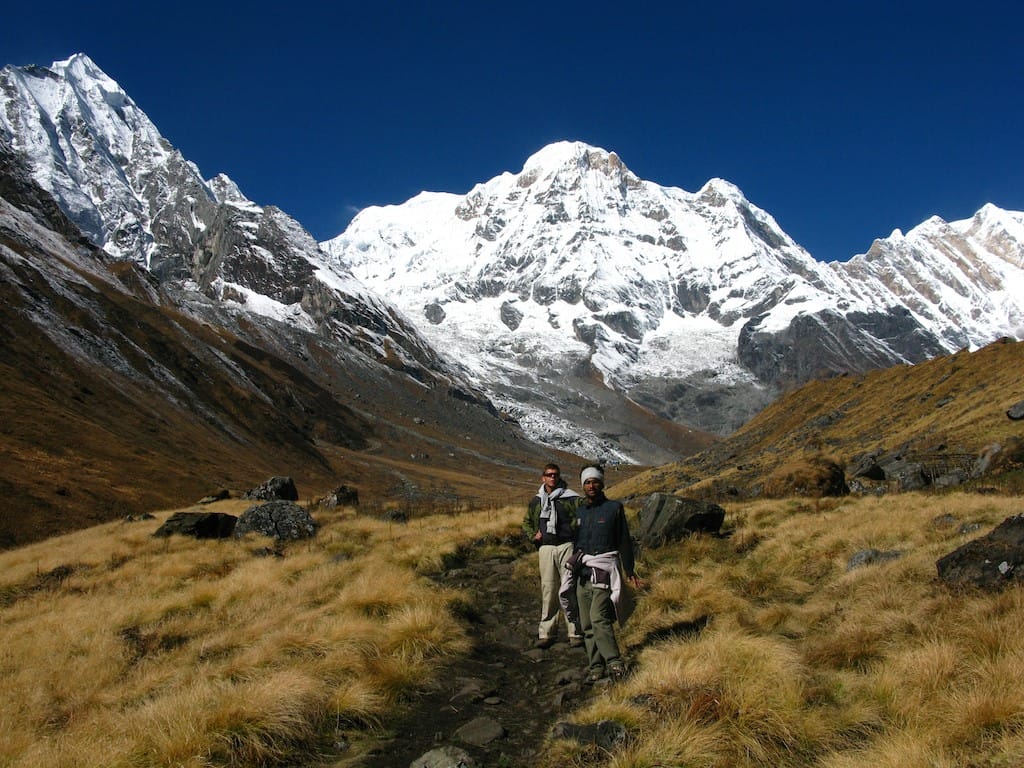
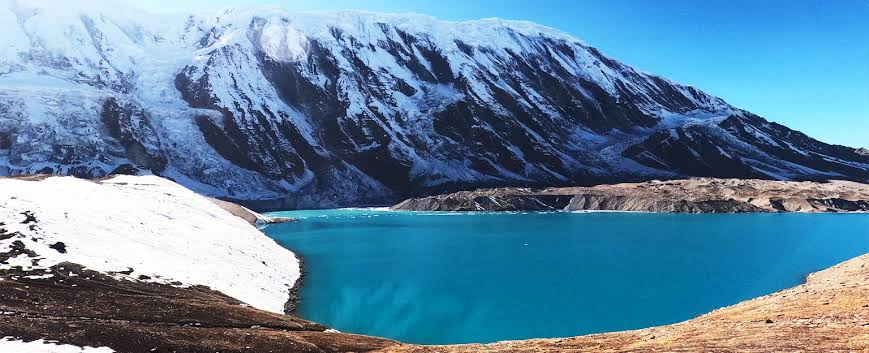
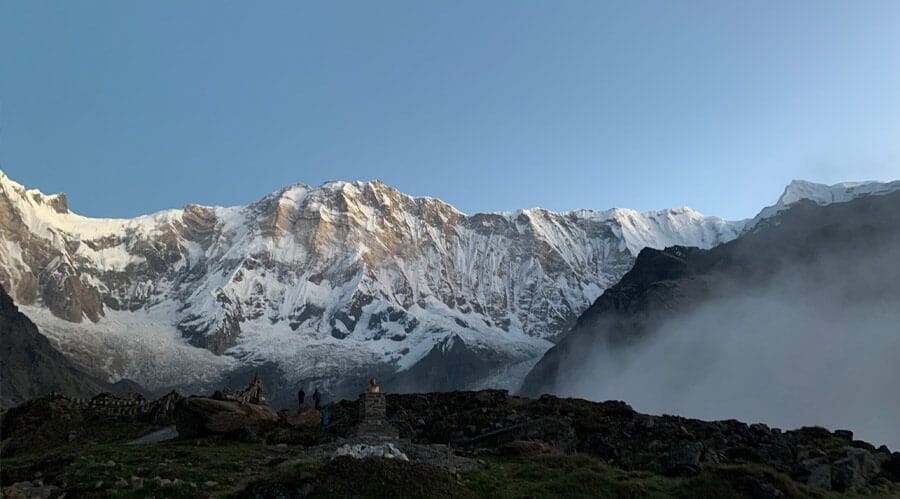
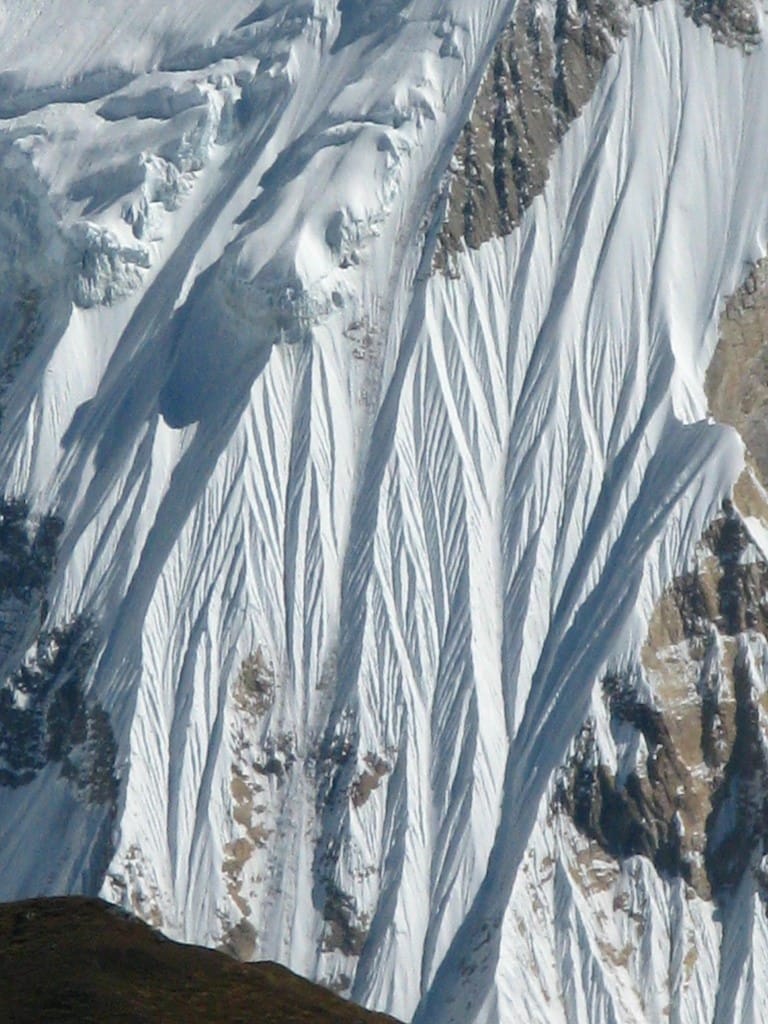
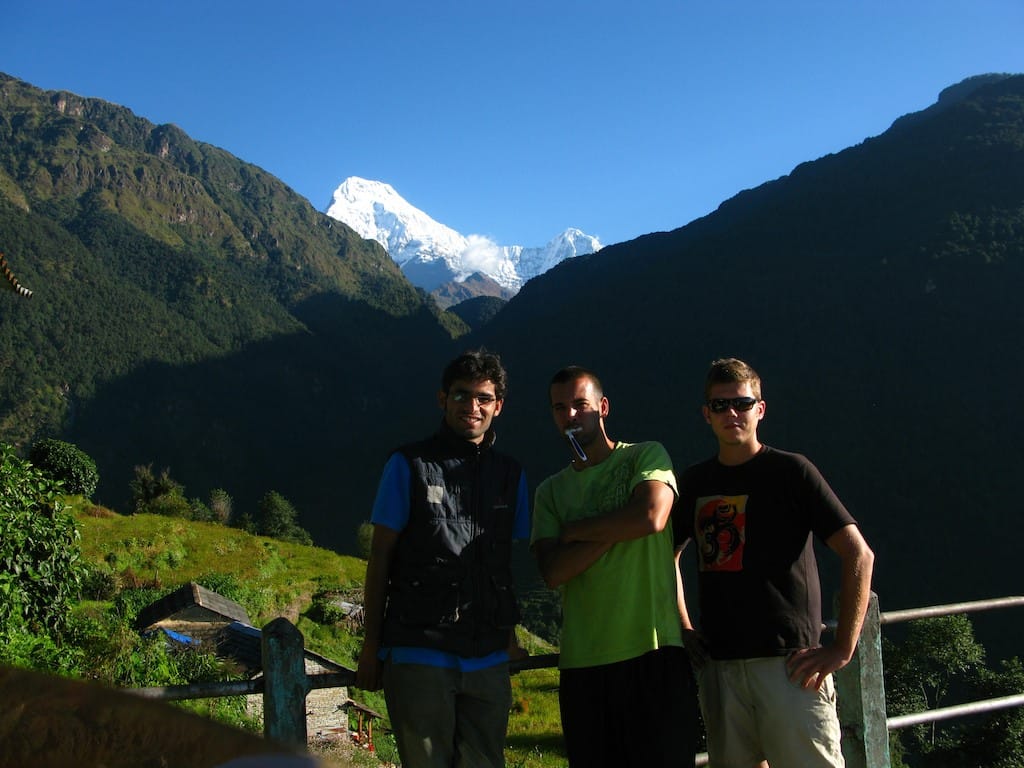
The Annapurn region is a masterpiece of nature, where the world’s highest peaks rise beside lush subtropical valleys and terraced farmlands. This is a land of dramatic contrasts—from the rhododendron forests and rice paddies of the lower elevations to the stark, wind-scoured trails above the tree line. Trekkers here are treated to an ever-changing panorama that includes the iconic Annapurna I, the formidable Machhapuchhre (Fishtail), and the sprawling Annapurna massif, all set against skies that shift from monsoon greens to winter blues.
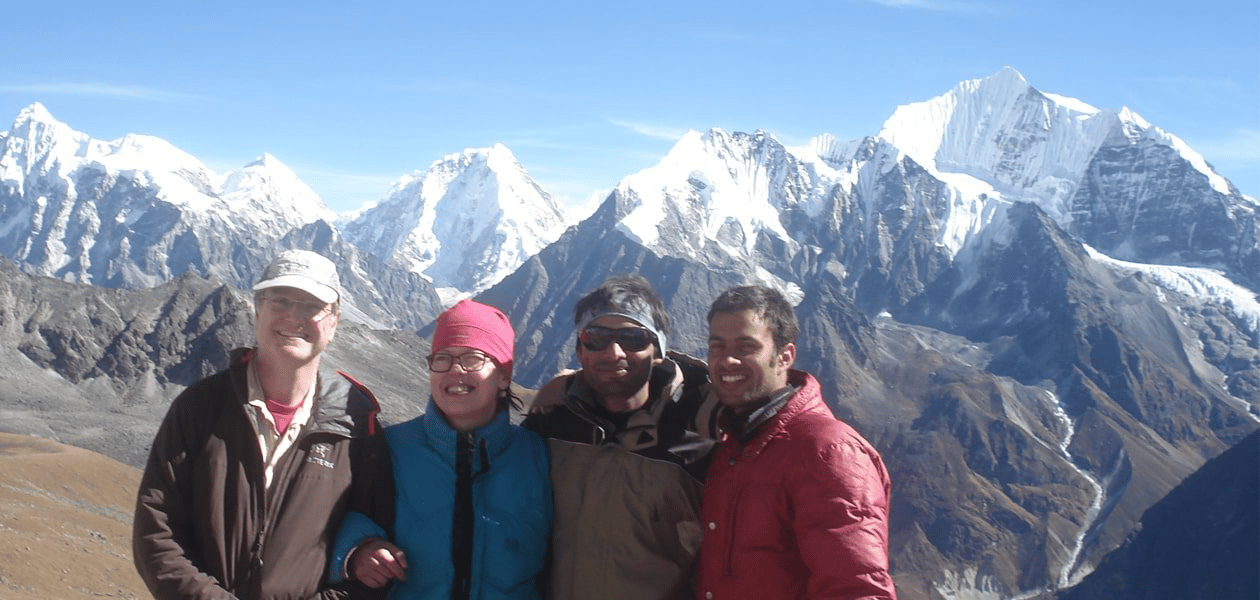
Culturally, the Annapurna circuit is a living tapestry of ethnic traditions. Villages like Ghandruk and Ghorepani are home to the Gurung and Magar communities, whose warm hospitality and centuries-old customs offer a genuine glimpse into Himalayan life. Mani stones, prayer flags, and ancient monasteries dot the trails, while the bustling town of Pokhara serves as the vibrant gateway, its lakeside setting a perfect prelude to the mountains.
Photo courtesy of Manaslu Guides Nepal, a sister company of Touch The Himalaya.
For trekkers, the Annapurna region offers unmatched variety and accessibility. Whether you choose the classic Annapurna Circuit, the shorter Ghorepani Poon Hill trek, or the remote trails of the Annapurna Sanctuary, each route delivers a unique experience. The well-established teahouse network ensures comfort, while the diverse terrain—from arid highlands to verdant valleys—keeps every day fresh and inspiring. This is a destination that rewards both first-time trekkers and seasoned adventurers with its beauty, challenge, and soul.
12 photos
.jpeg)
.jpeg)
.jpeg)
.jpeg)
.jpeg)
.jpeg)
Before you go
For the best experience in the Annapurna region, plan your trek during the two primary seasons: spring (March to May) and autumn (September to November). Spring brings mild temperatures, blossoming rhododendrons, and excellent visibility with clear mountain views, though trails can be busy, especially in March and April. Autumn offers stable weather, crisp air, and the clearest skies of the year, making it the most popular window—expect moderate to high crowds on classic routes like the Annapurna Circuit and Sanctuary. Winter (December to February) sees fewer trekkers and lower prices, but high passes may be snowbound and days are colder, with limited visibility at higher altitudes. Summer and monsoon (June to August) bring heavy rainfall, leeches, and cloudy conditions, making trails slippery and views unreliable; this season is best avoided unless you are experienced with wet-weather trekking. For a balance of good weather and fewer people, consider late September or early November, or the shoulder months of late April and early May.
Flying into the heart of the Annapurna region is the most time-efficient and scenic option. From Kathmandu, a short 25-minute flight takes you to Pokhara, the gateway to the Annapurna Sanctuary. Alternatively, you can fly directly to Jomsom from Pokhara, a 20-minute flight that bypasses the long road journey and offers breathtaking views of the Annapurna and Dhaulagiri ranges. Helicopter charters are also available for private groups or those with limited time.
For travelers who prefer the road, the drive from Kathmandu to Pokhara is a classic journey of approximately 6 to 7 hours by private vehicle or tourist bus. The route follows the Prithvi Highway, winding through river valleys, hillside villages, and terraced farms. Once in Pokhara, you can continue by jeep or local bus to trekking trailheads like Nayapul (about 1.5 hours) or Ghandruk (2 hours). For the Annapurna Circuit, a longer drive from Kathmandu to Besi Sahar (5-6 hours) or Dumre (4 hours) is common, with local buses and jeeps available for the next leg. During the monsoon season, road conditions can be challenging, so flights remain the most reliable option for reaching the region quickly.
On an Annapurna trek, your accommodation evolves with the altitude. In the lower valleys and around Pokhara, you will find comfortable tourist-standard hotels with private rooms, attached bathrooms, hot showers, and reliable electricity. As you ascend into the mountains, the experience shifts to classic teahouse lodging. These family-run lodges offer basic but clean twin-share rooms with foam mattresses, blankets, and pillows. Bathrooms are typically shared and located down the hall, with hot showers available for a small fee. Many teahouses feature a warm, wood-panelled dining room where you can enjoy hot meals and connect with fellow trekkers. At higher elevations, facilities become more rustic: rooms are simpler, electricity may be limited to solar-powered lighting, and amenities are basic, but the warmth of Nepali hospitality and the stunning mountain views more than compensate. Expect a genuine, comfortable, and culturally immersive stay that balances simplicity with essential comforts.
Ready to plan your Himalayan trip?
Tell us your dates and interests — we'll build an itinerary around them.