Experience the Everest Region with expert local guides and premium support for an unforgettable Himalayan adventure.
About this destination
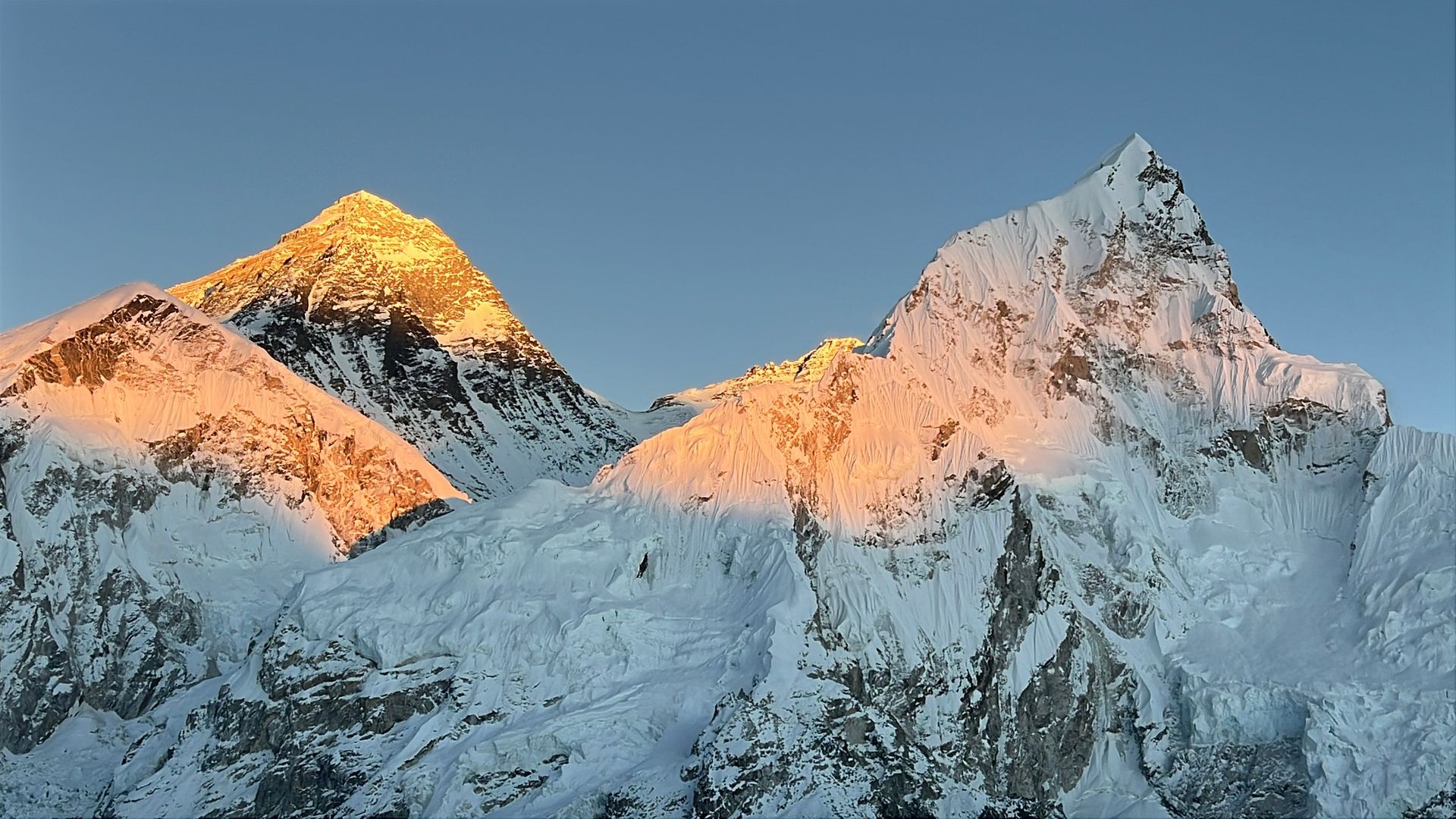
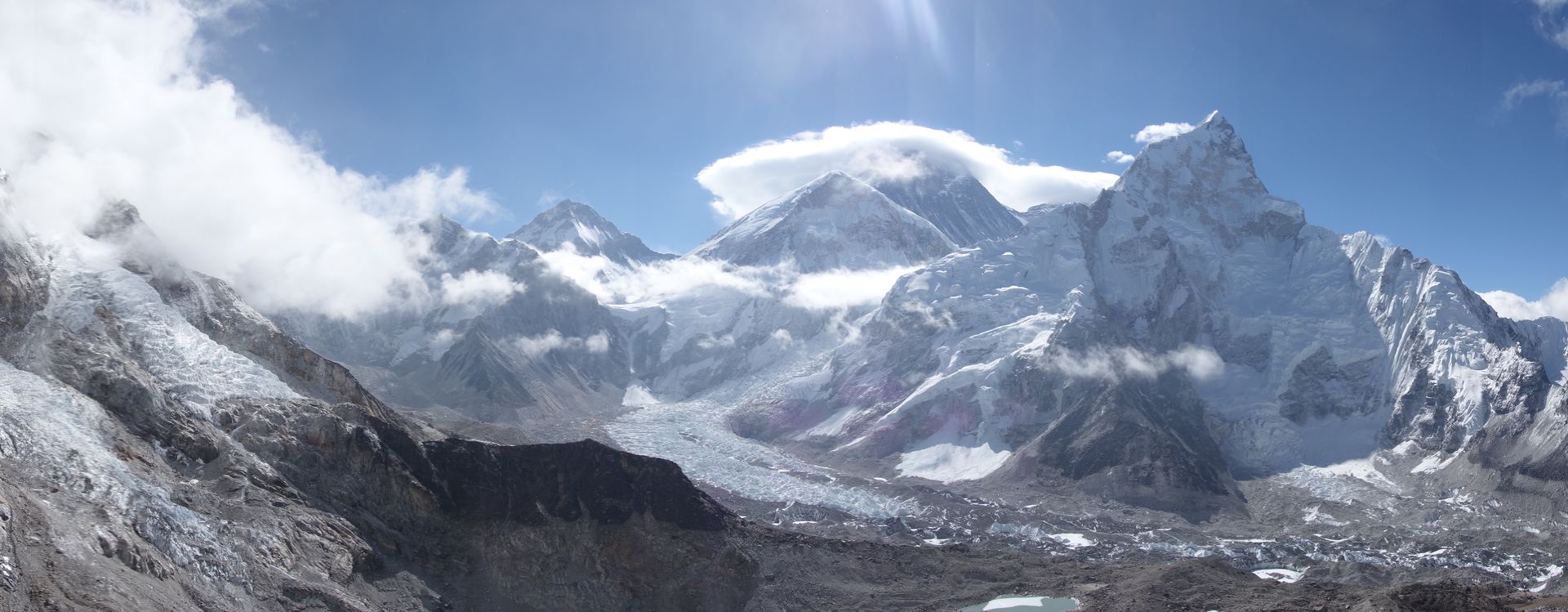
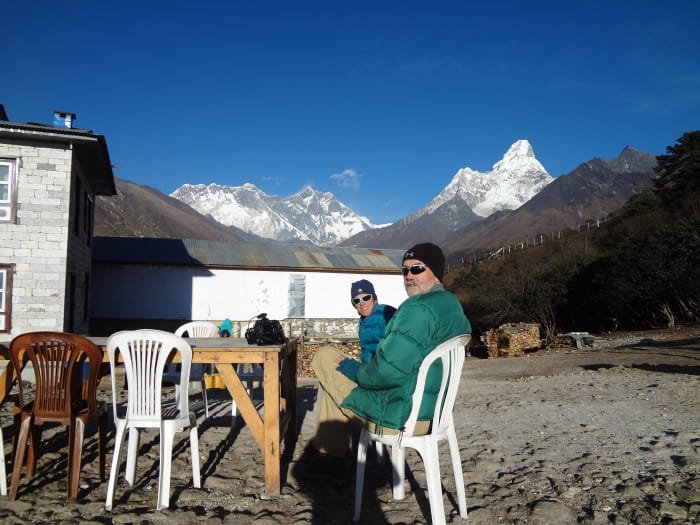
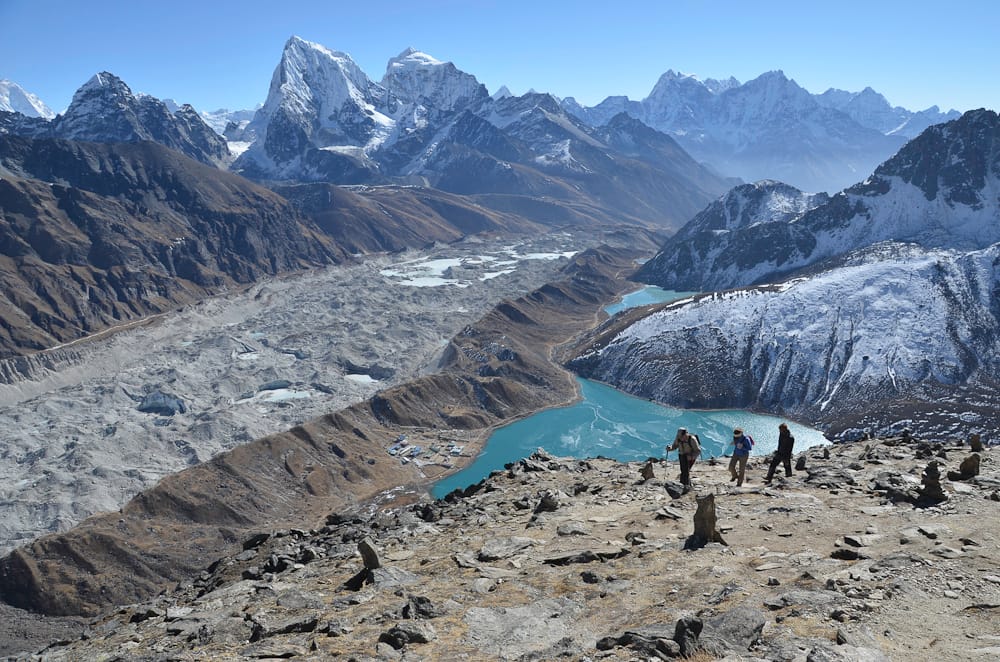
The Everest Region is the crown jewel of Nepal's trekking world, a landscape where the earth reaches toward the heavens with unmatched drama. Here, the world's highest peak, Sagarmatha, stands as a silent guardian over a realm of plunging valleys, ancient glaciers, and sheer granite walls that catch the first light of dawn. The air is thin and crisp, carrying the scent of pine and juniper, while the trails wind through rhododendron forests that burst into crimson and pink during spring. This is a place where every step reveals a new vista more staggering than the last, from the iconic pyramid of Ama Dablam to the rolling icefall of Khumbu.
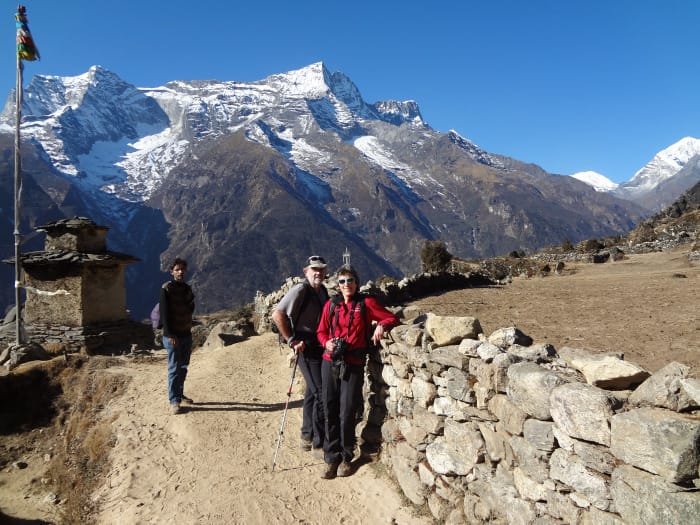
Beyond the natural grandeur, the Everest Region pulses with the rich culture of the Sherpa people, whose resilience and warmth have become legendary. Villages like Namche Bazaar and Khumjung offer a window into a way of life shaped by altitude and tradition, with prayer flags fluttering over stone houses and the deep hum of Buddhist chants from ancient monasteries. The region is not merely a destination for climbers; it is a living tapestry of hospitality, where tea houses serve steaming bowls of dal bhat and local guides share stories of the mountains that have defined their heritage for generations.
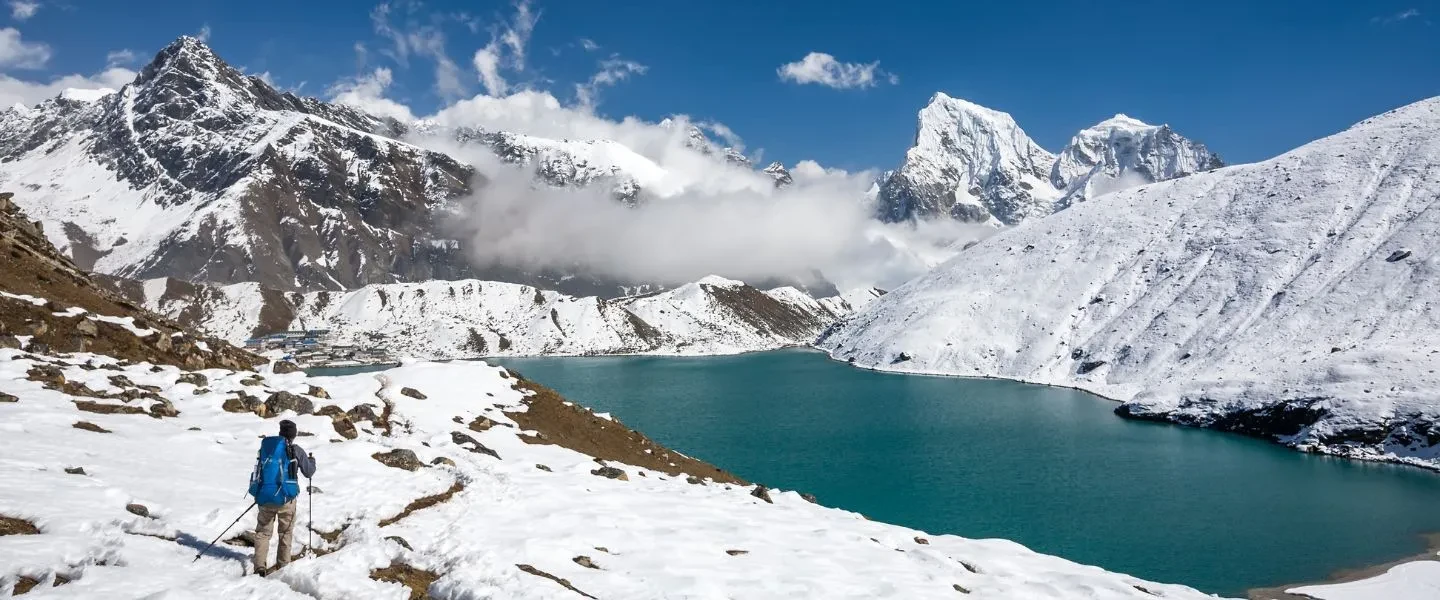
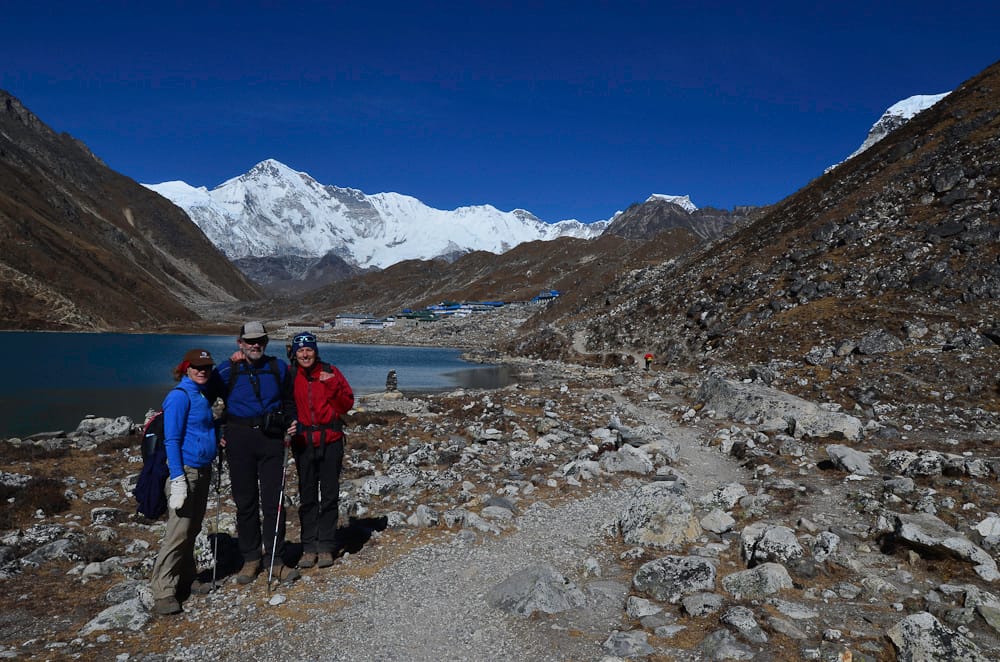
For trekkers, the appeal lies in the profound sense of achievement and connection found on these trails. Whether you are standing at Everest Base Camp, gazing up at the Khumbu Icefall, or crossing the high passes of Cho La and Renjo La, you are walking in the footsteps of legends. The journey is made seamless and safe by the expertise of local guides who know every trail, every weather pattern, and every hidden viewpoint. This is a trek that demands respect but rewards with moments of pure awe, offering an adventure that transforms how you see both the world and yourself.
17 photos

Before you go
The best time to visit the Everest Region is during spring (March to May) and autumn (September to November), when the weather is at its most stable and mountain views are spectacular.
Spring brings mild temperatures, longer daylight hours, and forests filled with blooming rhododendrons. Clear skies provide breathtaking views of Mount Everest, Lhotse, Ama Dablam, and other Himalayan peaks, making it one of the most rewarding seasons for trekking and sightseeing.
Autumn is the most popular time to visit, thanks to crystal-clear post-monsoon skies, comfortable daytime temperatures, and excellent visibility. The trails are lively, tea houses are fully operational, and conditions are ideal for trekking, photography, and cultural experiences.
For travelers seeking a quieter experience, early March and late November offer fewer crowds while still providing favorable weather in most areas.
Winter (December to February) features cold temperatures, snow-covered landscapes, and peaceful trails. Although higher elevations can experience heavy snowfall and challenging conditions, lower-altitude villages remain accessible and offer stunning winter scenery.
Summer (June to August) coincides with the monsoon season, bringing frequent rain, cloudy skies, and reduced mountain visibility. While trekking is less favorable during this period, it is an excellent time to experience lush green valleys and fewer visitors in the region.
For the best combination of pleasant weather, clear Himalayan views, and unforgettable trekking conditions, plan your visit between mid-March and mid-May or late September and early November.
Reaching the Everest Region is an adventure in itself, and we offer two primary transport options from Kathmandu to get you to the gateway town of Lukla.
This is The Route Map of Everest Region
The most common and efficient way is by flight from Kathmandu's Tribhuvan International Airport to Tenzing-Hillary Airport in Lukla. This scenic 30 to 40-minute journey weaves through the Himalayan foothills, offering your first breathtaking views of snowy peaks. Flights run daily during main trekking seasons, weather permitting. Mountain weather is unpredictable, so flights may face delays or cancellations; we recommend building a buffer day into your itinerary.
For those seeking gradual acclimatization or a more adventurous start, a combination of road and flight works well. You can take a bus or private vehicle from Kathmandu to Ramechhap or Manthali, alternative airstrips used when Lukla flights are diverted. This drive takes approximately 4 to 6 hours, followed by a short 15 to 20-minute flight to Lukla. While less common during peak season, this option can be a reliable alternative.
Alternatively, for trekkers with extra time and a spirit of exploration, a scenic drive to Jiri is an option. The road journey from Kathmandu to Jiri takes about 8 to 10 hours. From there, you can begin a classic trek following the original Everest route, taking about 6 to 8 days to reach Lukla. This path offers deeper immersion into local village life and stunning landscapes, though it requires a more significant time commitment.
Accommodation in the Everest Region is a story of comfort found in the most remote of places. You will stay in classic Nepali teahouses, which are the backbone of the trekking experience. These family-run lodges offer a warm, communal atmosphere with basic but clean private rooms. Expect simple twin beds with pillows and blankets; a shared, often squat-style, toilet; and a central dining room heated by a wood-burning stove where you can enjoy hot meals and share tales with fellow trekkers. As you ascend, the lodges become more rustic, with solar-powered lighting and bucket showers. In the larger settlements like Namche Bazaar and Lukla, you will find a step up in comfort with attached bathrooms, hot showers, and occasional Wi-Fi. Throughout the journey, the hospitality is genuine and the views from your window are unmatched. For the final approach to Everest Base Camp, the teahouses are more basic, but the sense of achievement and the surrounding Himalayan grandeur make every night's sleep a cherished memory.
Ready to plan your Himalayan trip?
Tell us your dates and interests — we'll build an itinerary around them.