

Village
Melamchi Ghyang
मेलम्ची घ्याङ
2,530 m
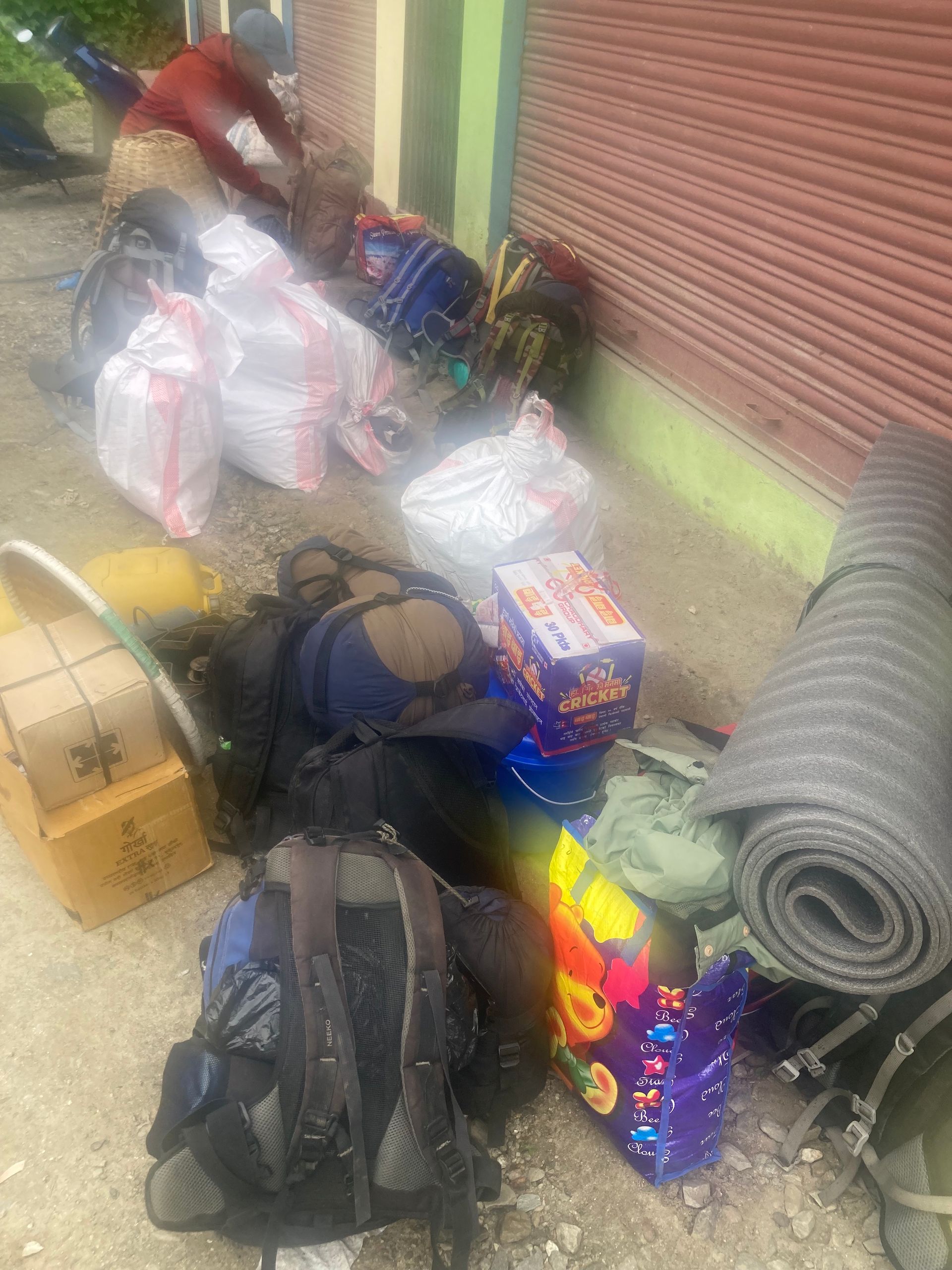
Melamchi Ghyang is a Hyolmo village with a large gompa in the upper Helambu region. It sits on a ridge facing the Jugal Himal. It links Tharepati with Tarkeghyang on the Helambu circuit.
Read placeThe region
Village
मेलम्ची घ्याङ
2,530 m
Melamchi Ghyang is a Hyolmo village with a large gompa in the upper Helambu region. It sits on a ridge facing the Jugal Himal. It links Tharepati with Tarkeghyang on the Helambu circuit.
Read place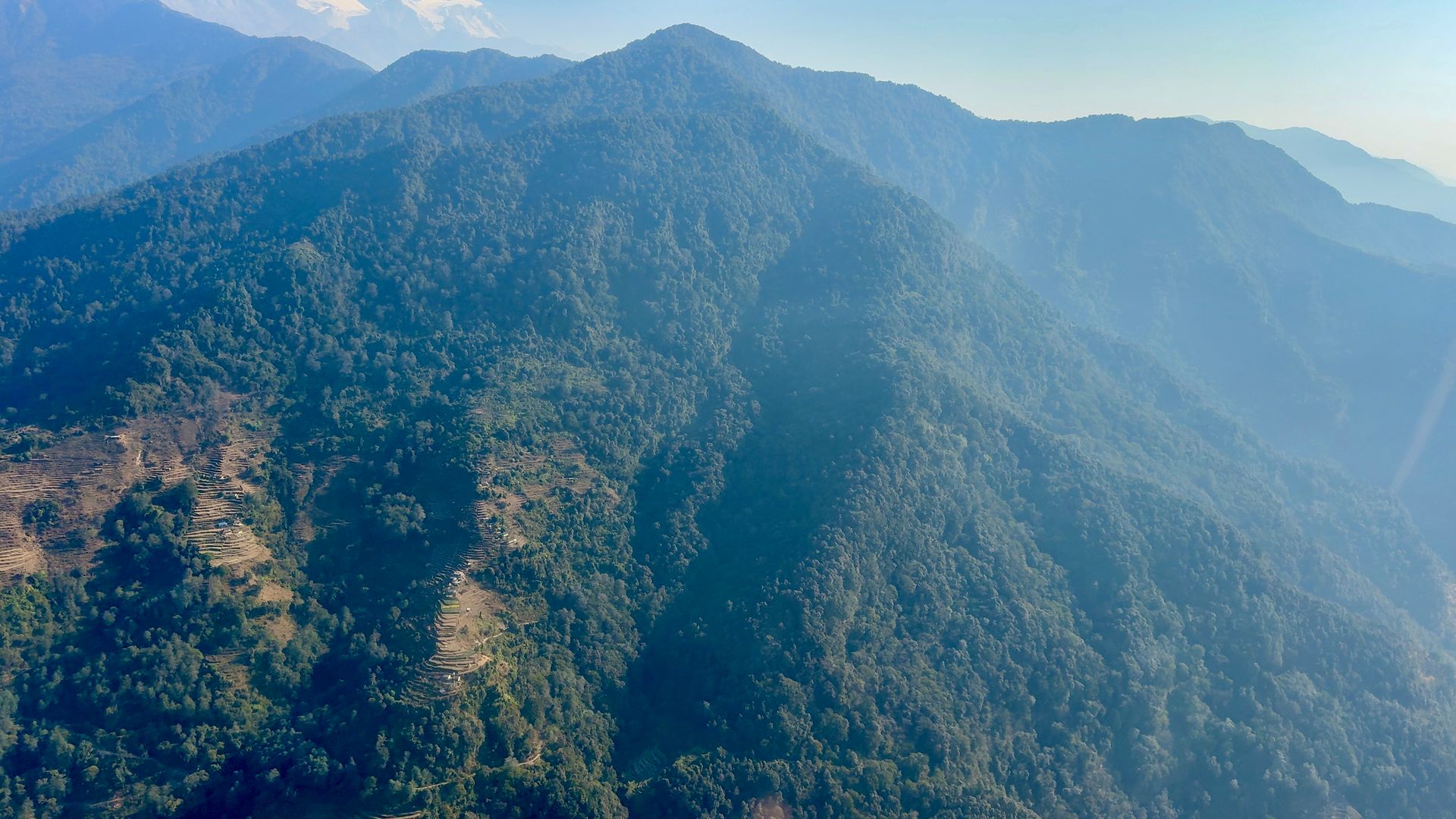
Village
मेटा
3,560 m
Meta is a seasonal settlement on a plateau in the Nar Phu valley, the first overnight stop after Koto. It has views of Annapurna II and Lamjung Himal. From here the trail continues to Phu or Nar.
Read place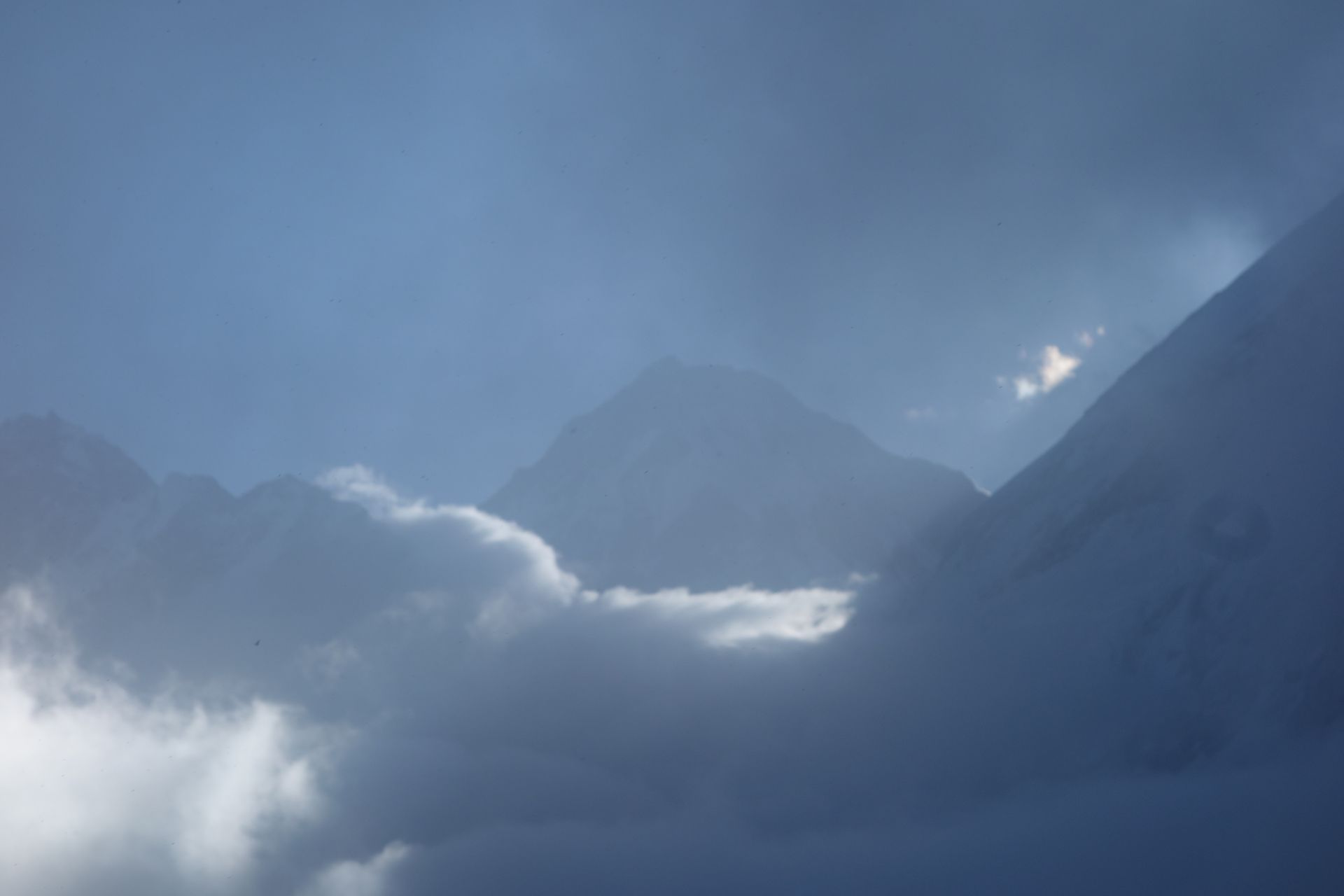
Village
मोन्जो
2,835 m
Monjo is a small village just below the entrance to Sagarmatha National Park, where trekkers show their park permit and local area entry card. Some itineraries stay here instead of Phakding to shorten the climb to Namche.
Read place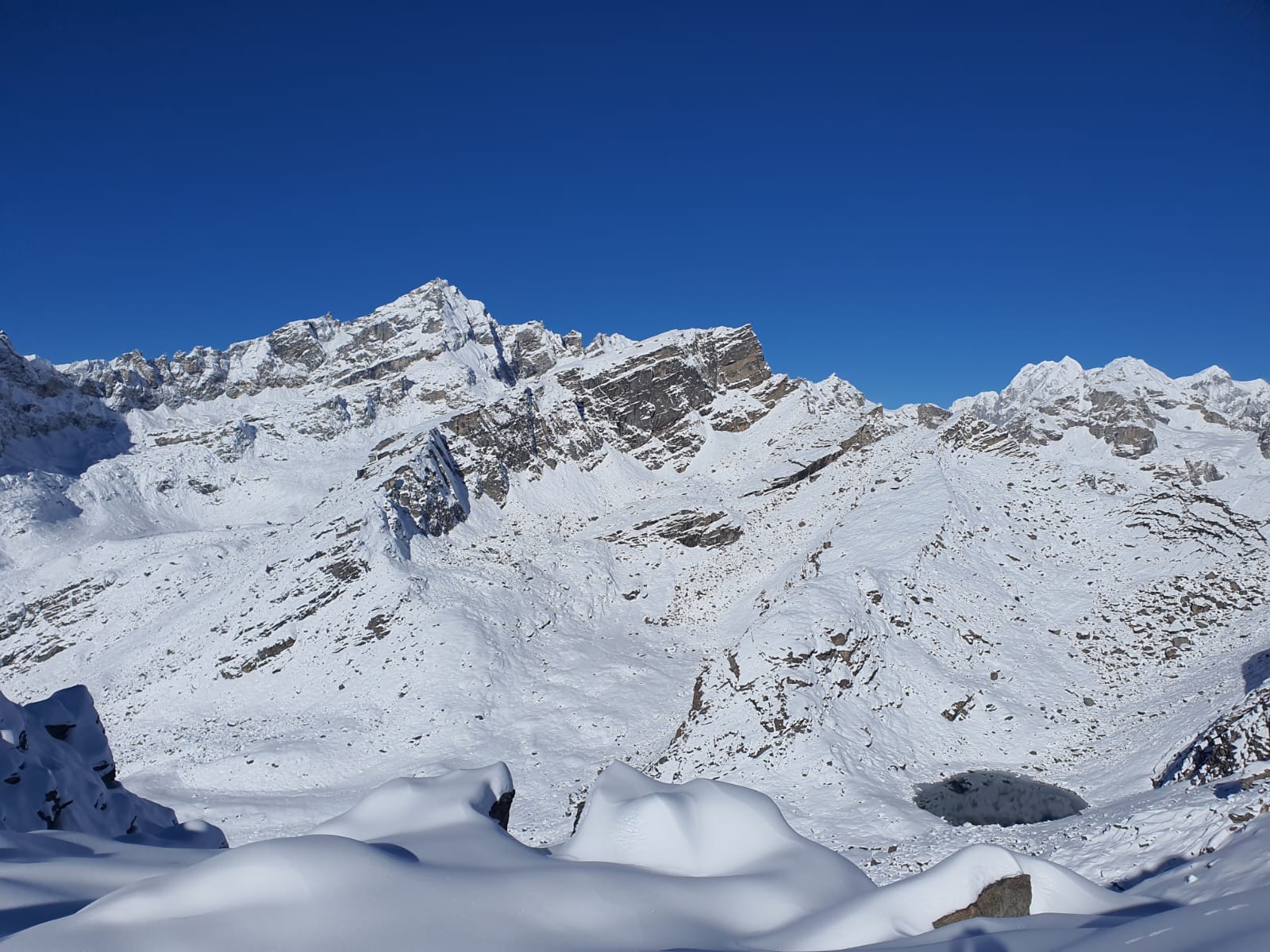
Village
ना
4,180 m
Na is a seasonal yak-herding settlement at the head of the Rolwaling valley, the last habitation before Tsho Rolpa and the Tashi Lapcha. It sits in a wide valley ringed by glaciated peaks. Trekkers often spend an extra night here to acclimatise.
Read place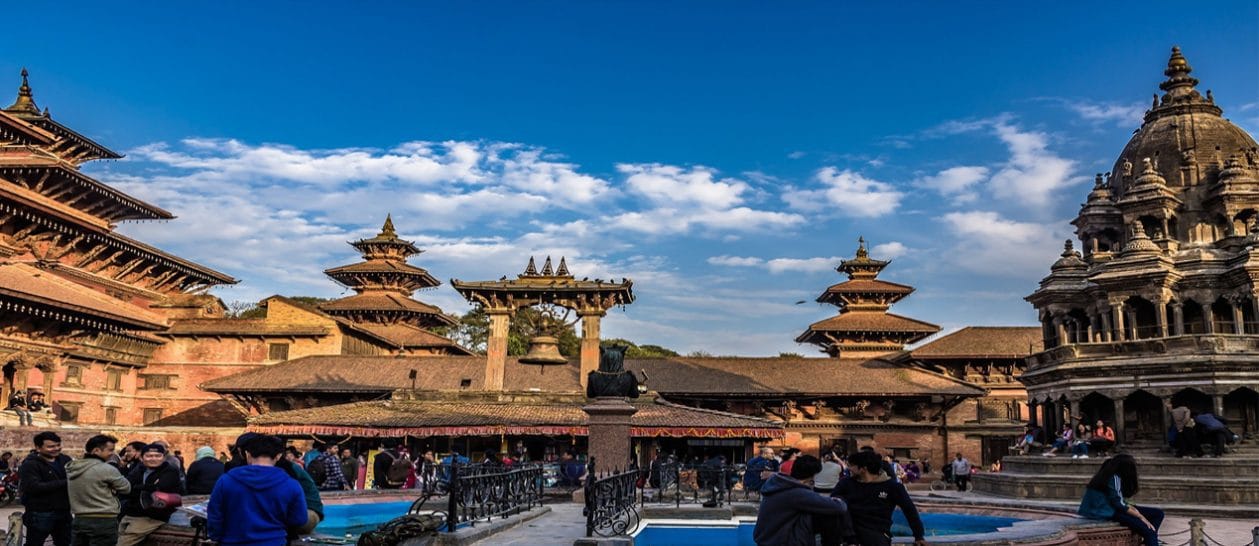
Village
नागथली
3,165 m
Nagthali is a high meadow on the Tamang Heritage Trail with a small monastery and wide views of Langtang, Ganesh Himal and the Tibetan peaks. It is a beautiful spot for sunrise.
Read place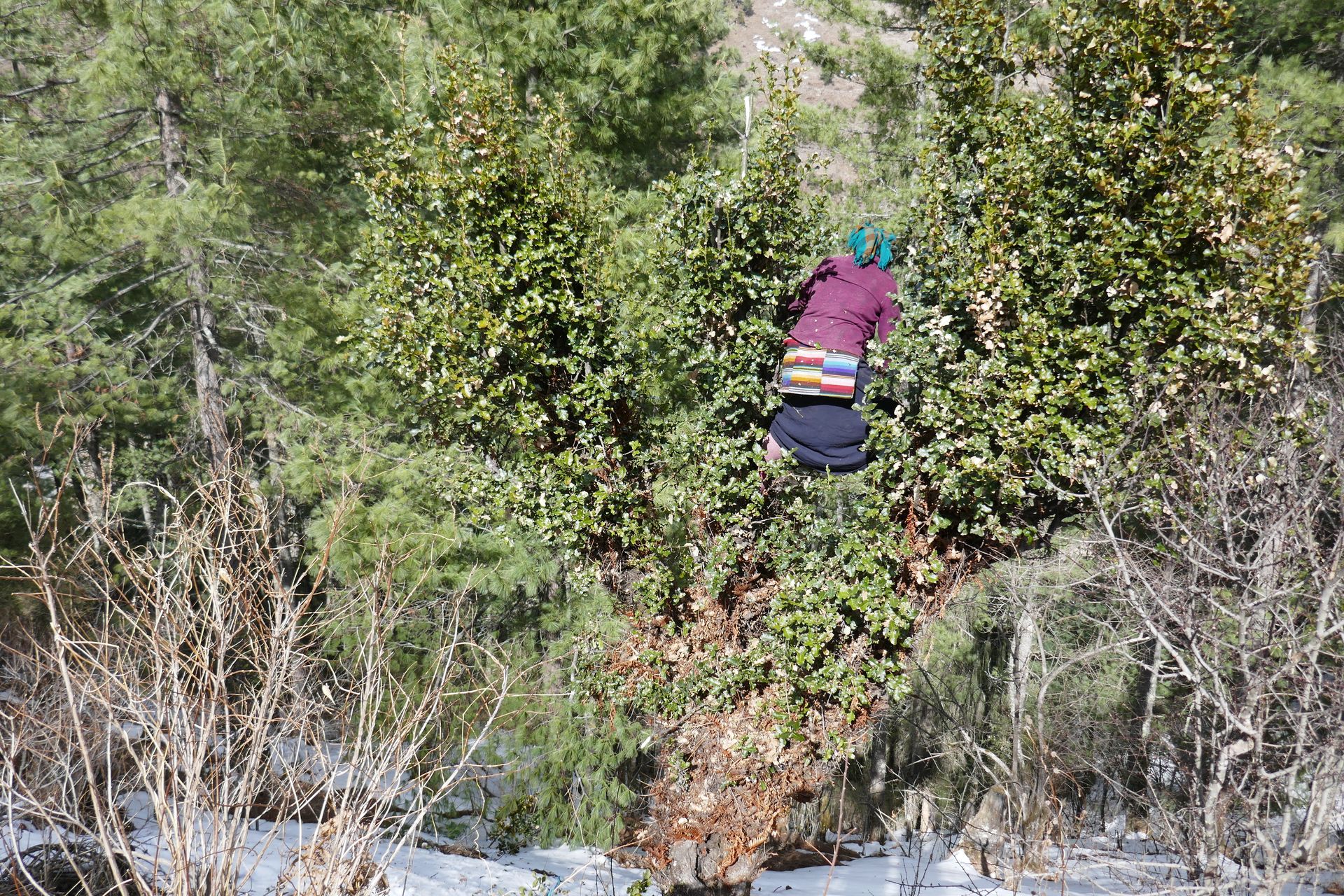
Village
नाम्रुङ
2,630 m
Namrung is a village in the Nubri region with a permit checkpoint and the first views of Manaslu North and Himal Chuli. Above it the valley opens into fields and Tibetan villages. It is a popular overnight on the Manaslu Circuit.
Read place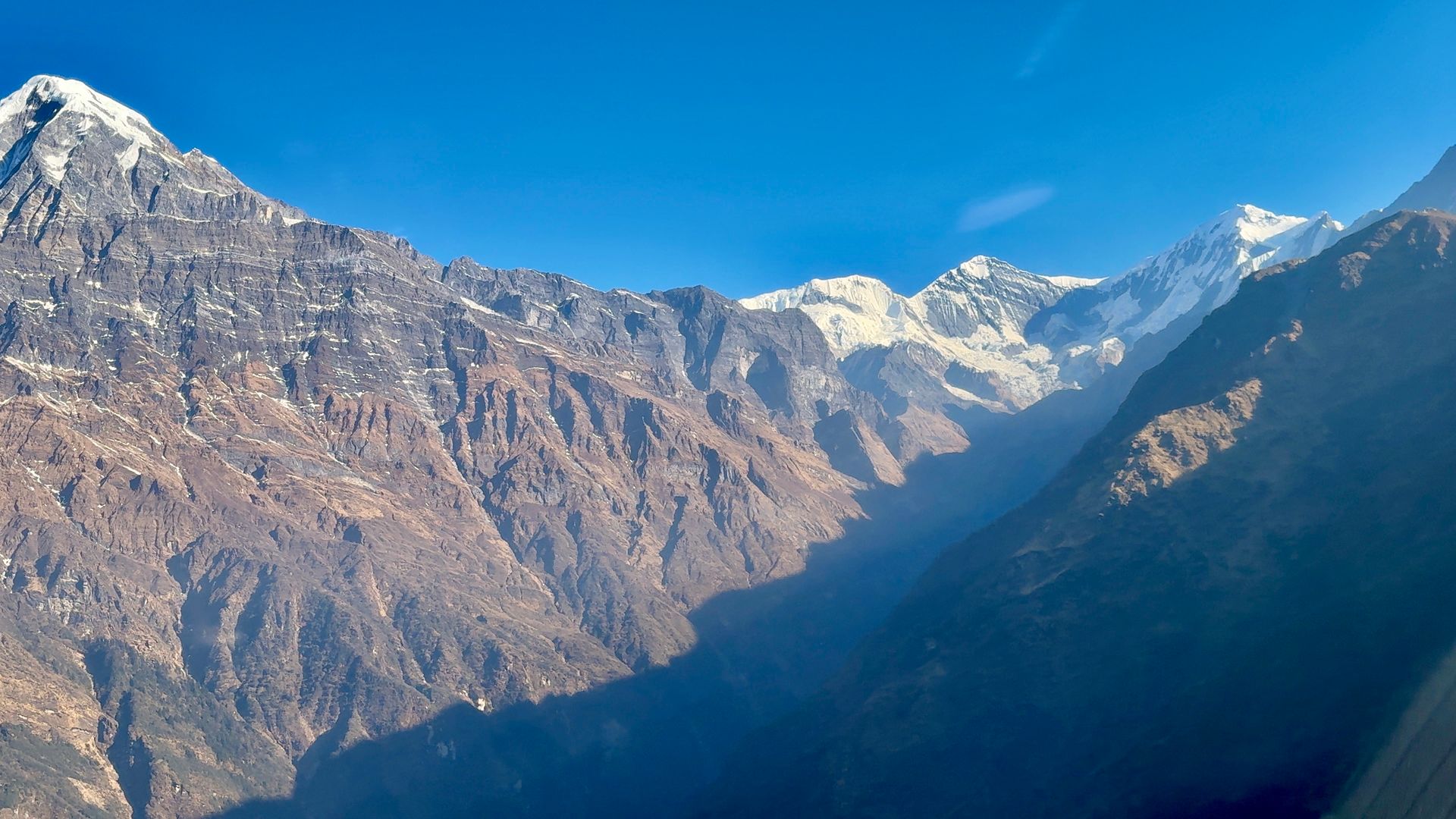
Village
नाङ्गी
2,300 m
Nangi is a Magar village in Myagdi known for its community development projects, including the eco-trekking network that runs Mohare Danda. Homestays here offer a close look at village life.
Read place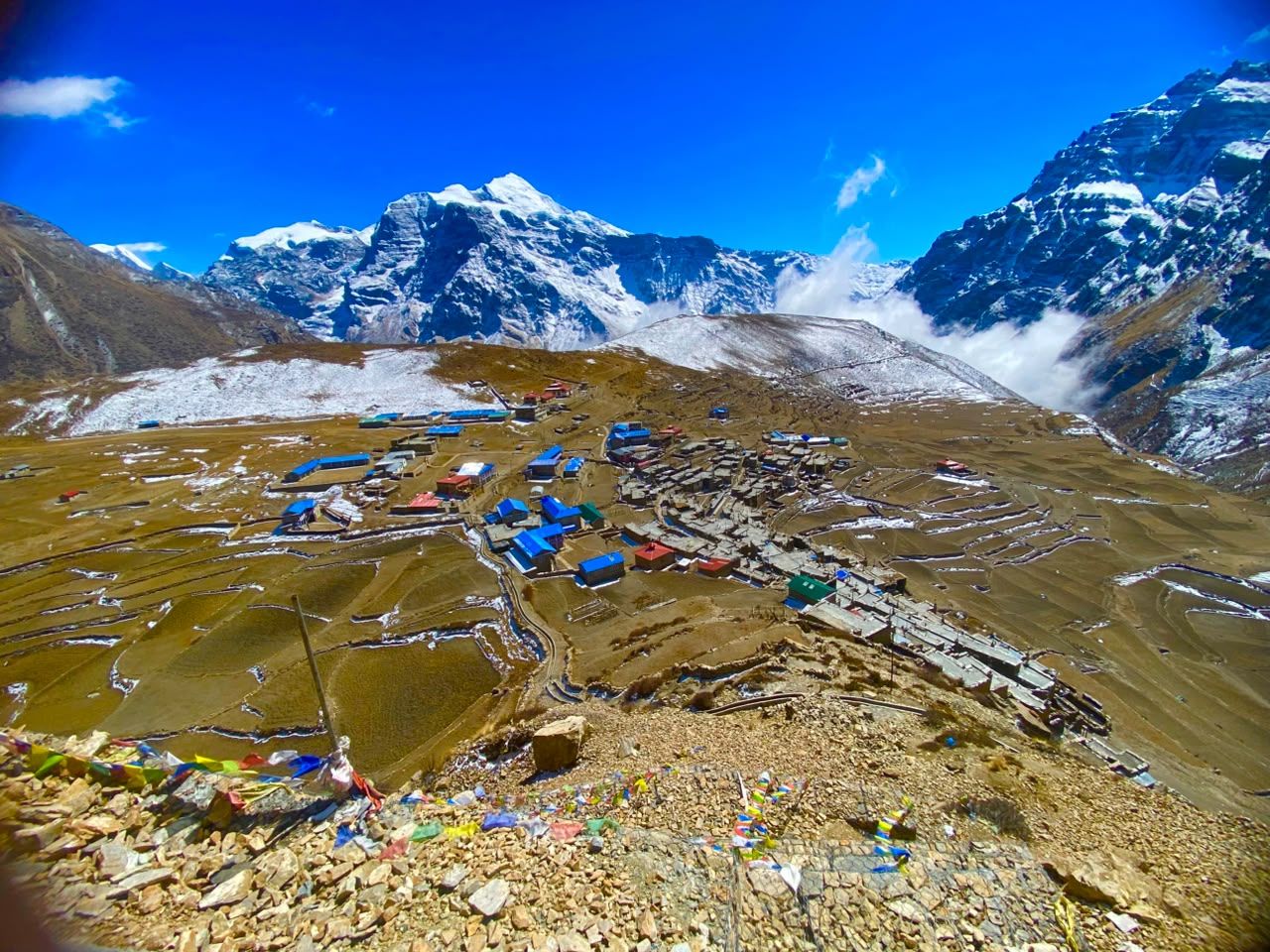
Village
नार
4,110 m
Nar is the larger of the two villages in the Nar Phu valley, with stone houses, chortens and fields on a sunny shelf. Several gompas surround the village. Trekkers continue from Nar over the Kang La to Ngawal in the Manang valley.
Read place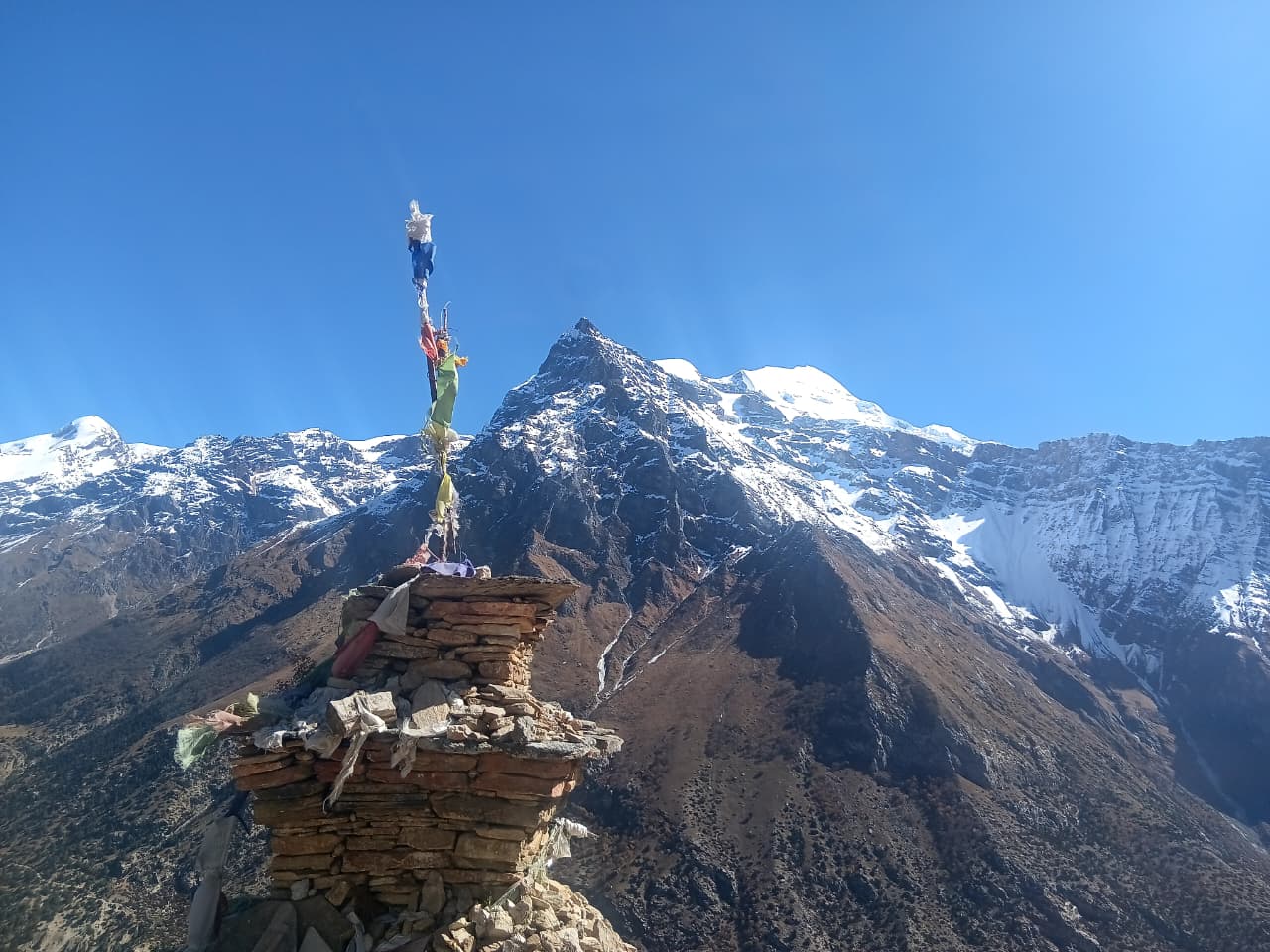
Village
नार फेदी
3,490 m
Nar Phedi is a small stop below Nar village in the Nar Phu valley, built around the Satte Gompa monastery, where trekkers can stay in the monastery guesthouse. It is the usual overnight before the short climb up to Nar.
Read place
Village
नार्च्याङ
1,940 m
Narchyang is a remote village in the Myagdi valley and the start of the climb to Annapurna North Base Camp. It sits below a waterfall in a steep valley. Few trekkers come here, and the trail beyond is steep and rough.
Read place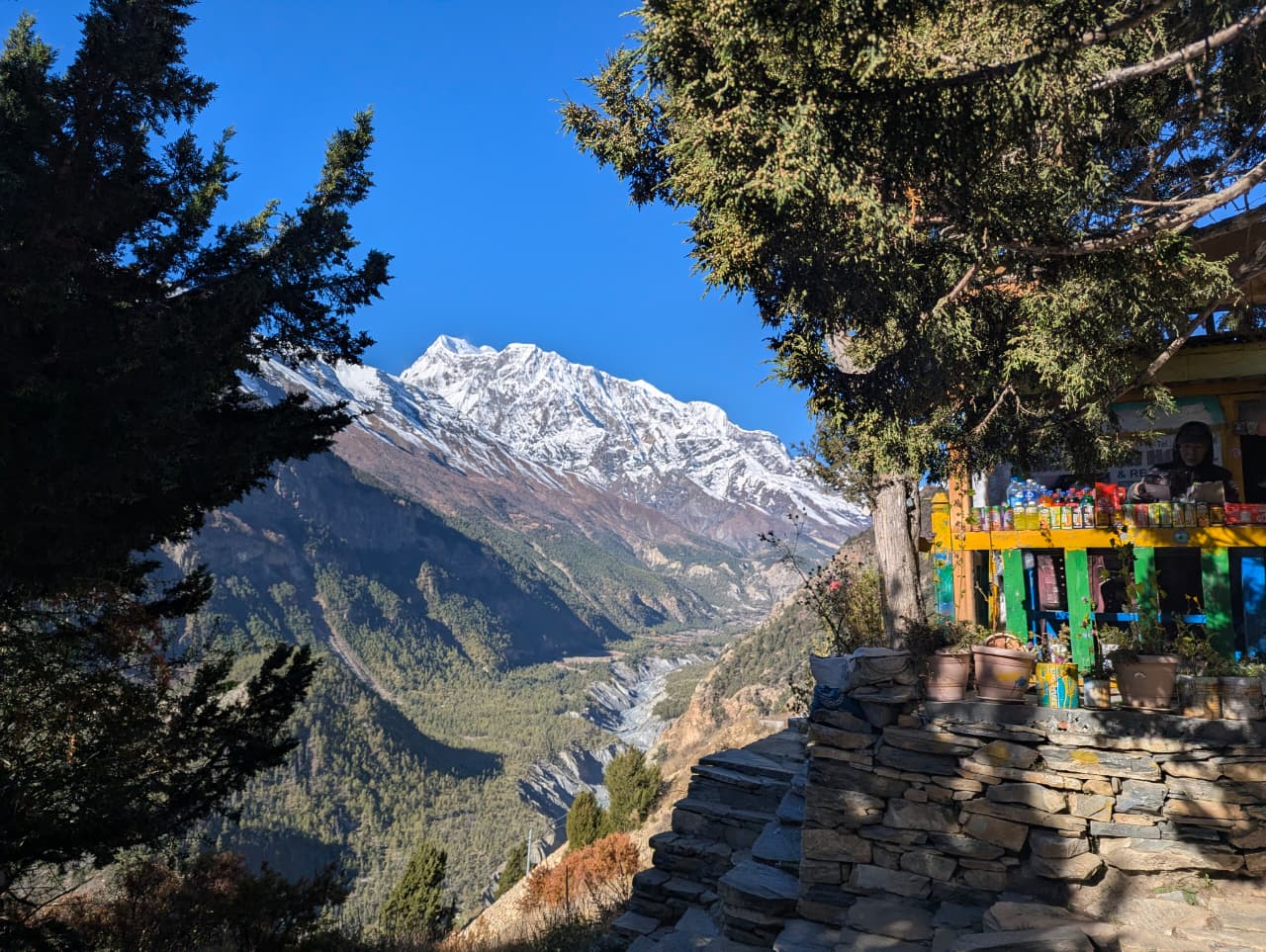
Village
नयाँपुल
1,070 m
Nayapul is a roadside town on the Pokhara–Baglung highway and the traditional trailhead for Poon Hill and Annapurna Base Camp treks. Jeeps now continue further up to Ghandruk and Ulleri. Trekkers show their ACAP and TIMS permits at the nearby Birethanti checkpoint.
Read place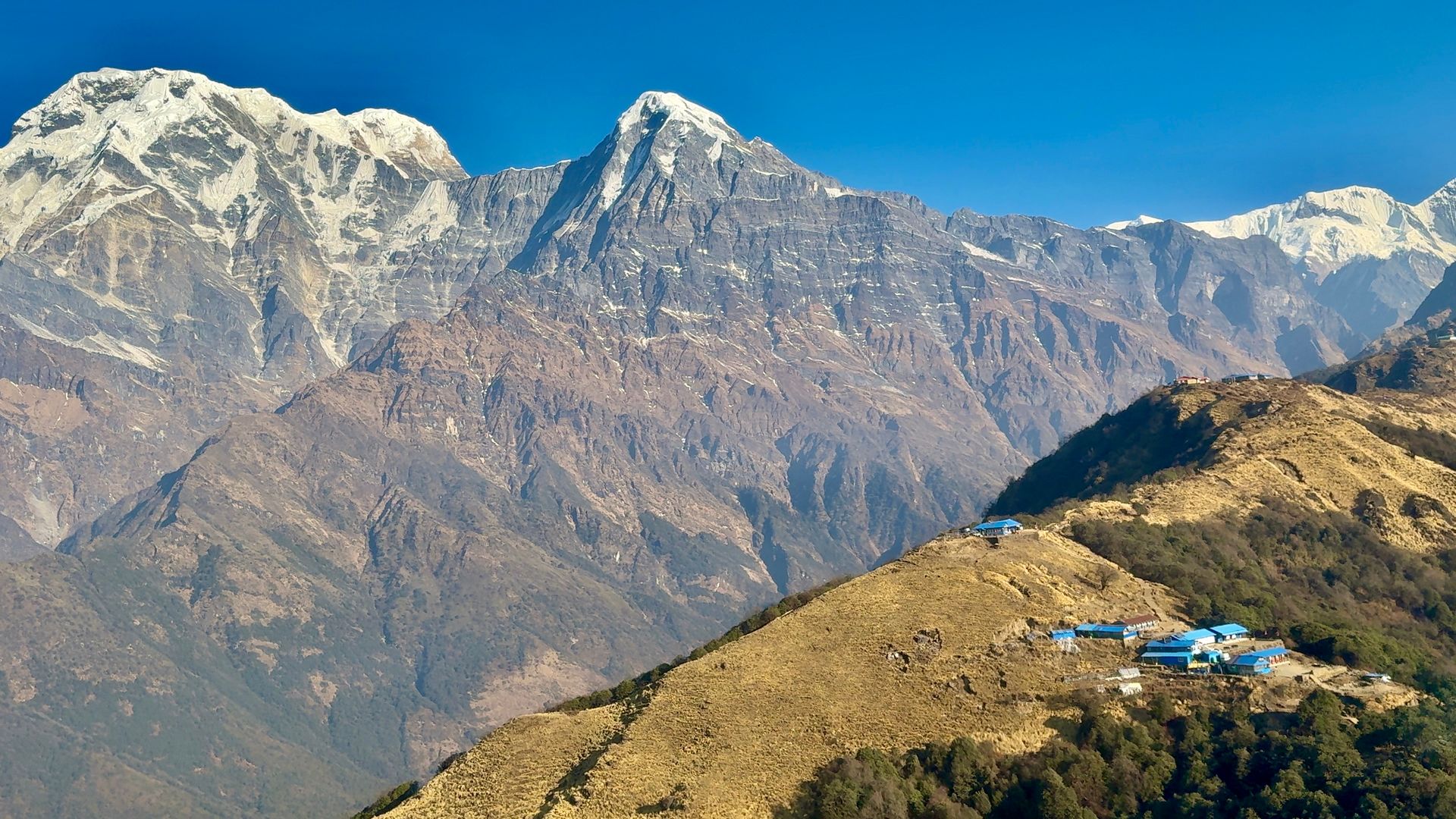
Village
ङावल
3,660 m
Ngawal is a traditional village on the high northern route between Pisang and Manang, with old chortens and prayer wheels. It looks across to Annapurna II, III and Gangapurna. Overnighting here helps acclimatise before Manang.
Read place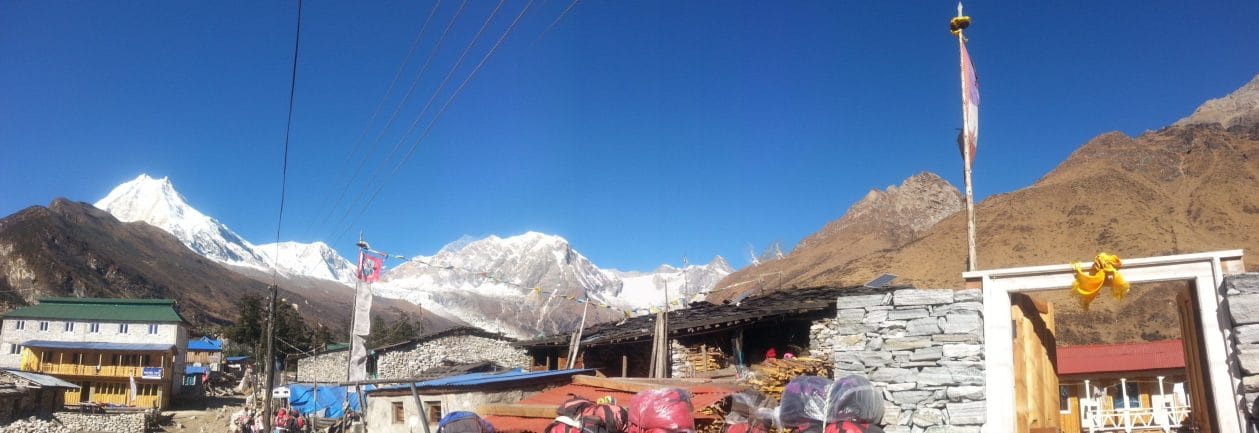
Village
नीले
3,361 m
Nile is one of the highest villages in the Tsum Valley, close to the Tibet border. Its stone houses cluster above the Shiar Khola. Mu Gompa lies a short walk above.
Read place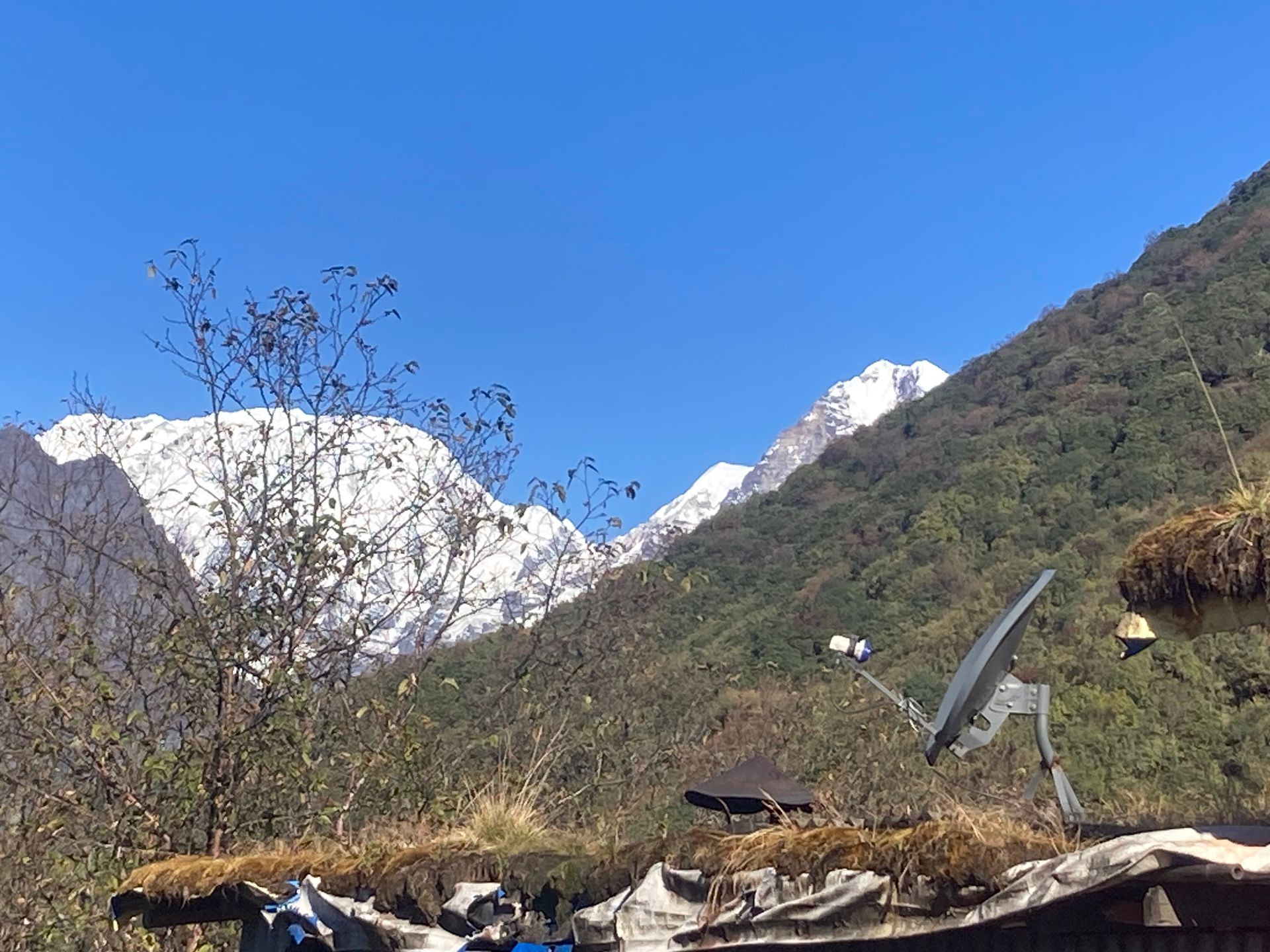
Village
नुम
1,560 m
Num is a ridge-top village above the Arun River, the usual road head for the Makalu Base Camp trek. It looks across the gorge to Seduwa. The trail drops steeply to the Arun and climbs again.
Read place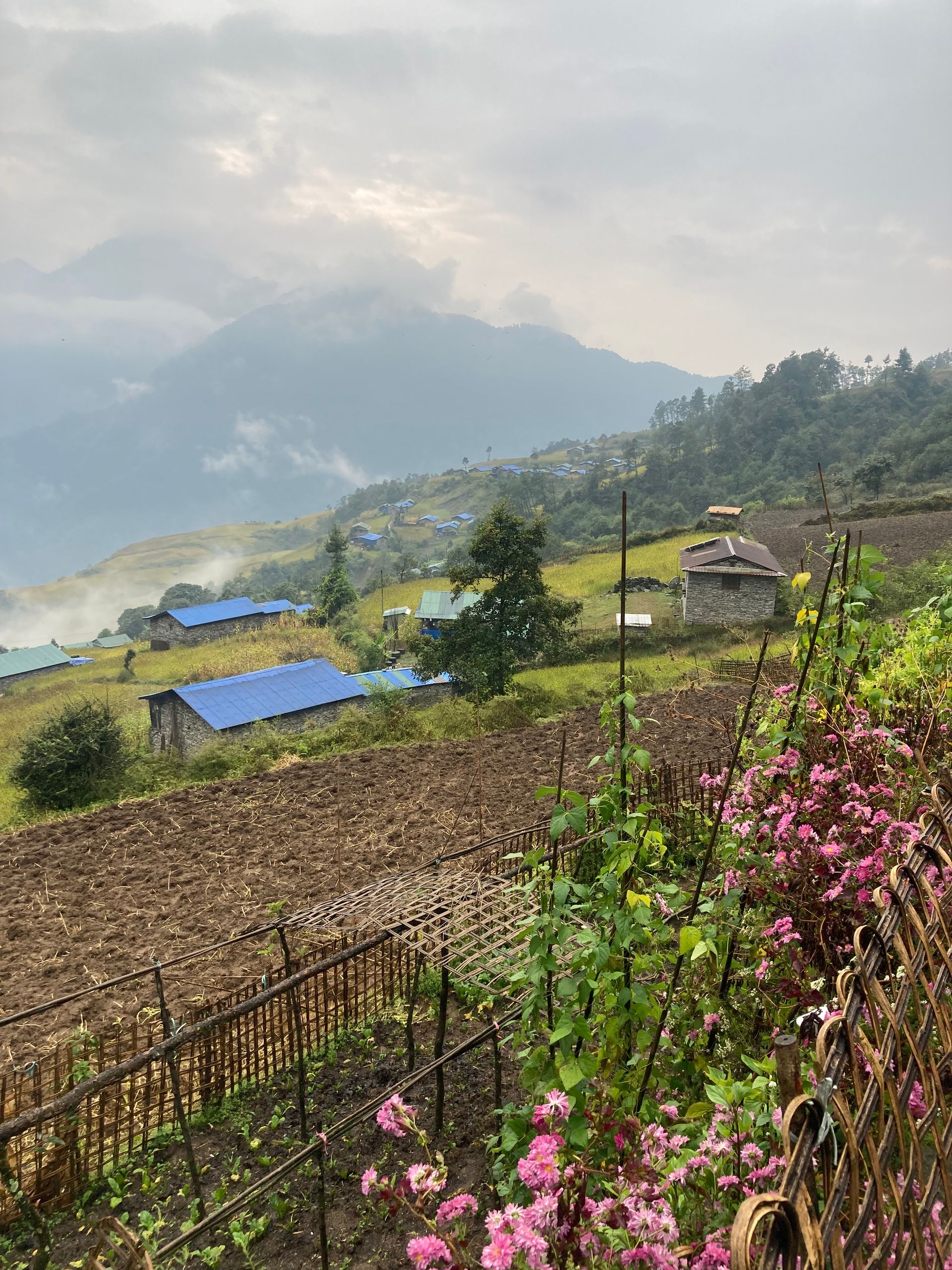
Village
ओलाङचुङ गोला
3,200 m
Olangchung Gola is an old Tibetan trading village near the Tibet border, with wooden houses and the Dingsamba Gompa, said to be over 500 years old. It lies in a remote valley of the northern Kanchenjunga region. It is a key stop on the Olangchung Gola and Lumba Sumba treks.
Read place
Village
पैयाँ
2,730 m
Paiya is a village on the lower Everest trail south of Lukla, used by trekkers walking in from Salleri or the road head instead of flying to Lukla. It is also a stop on the classic Jiri to EBC route.
Read place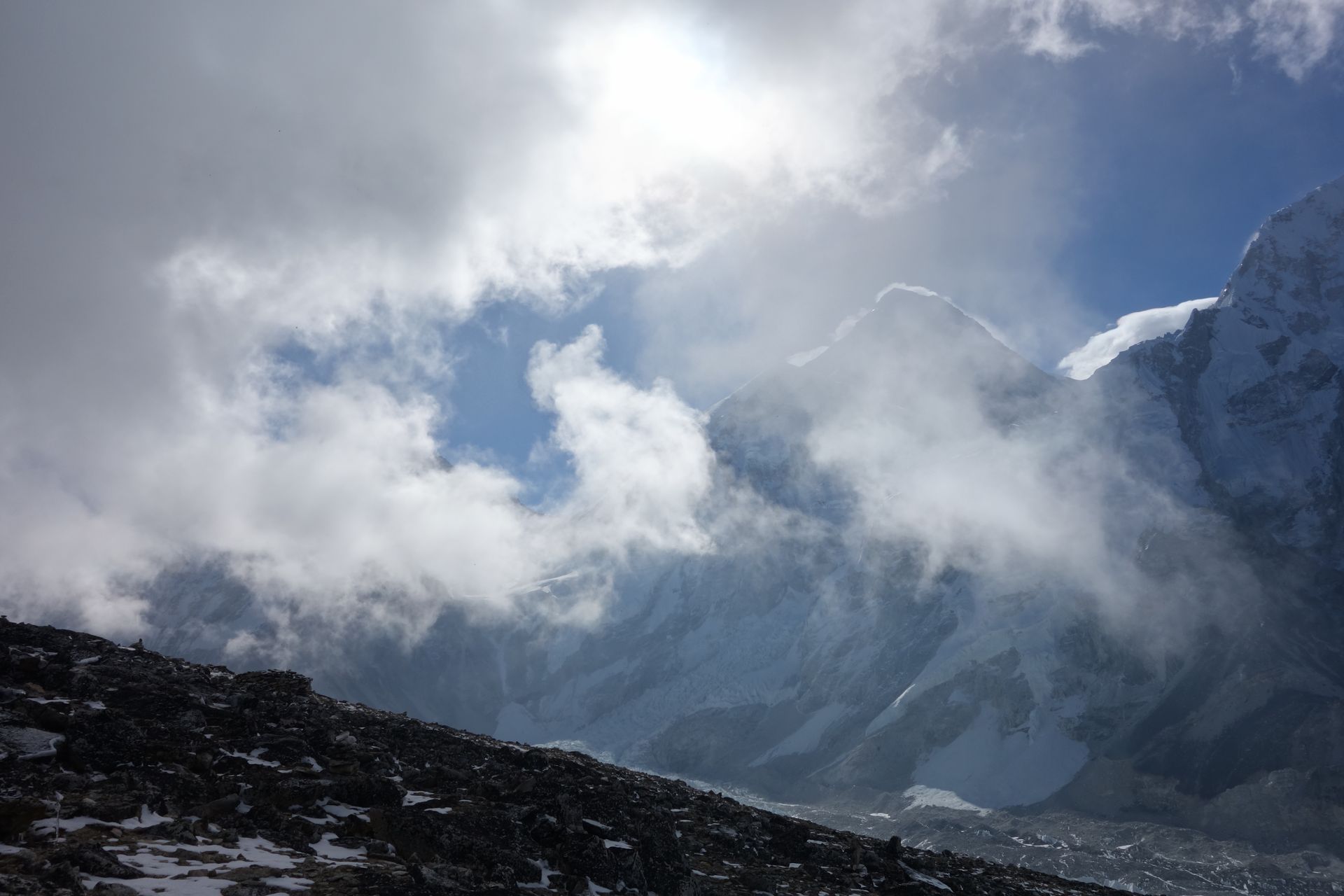
Village
पाङबोचे
3,985 m
Pangboche is one of the oldest Sherpa villages in the Khumbu, with a gompa thought to date back over 300 years. It sits almost directly beneath Ama Dablam and is the jumping-off point for Ama Dablam Base Camp.
Read place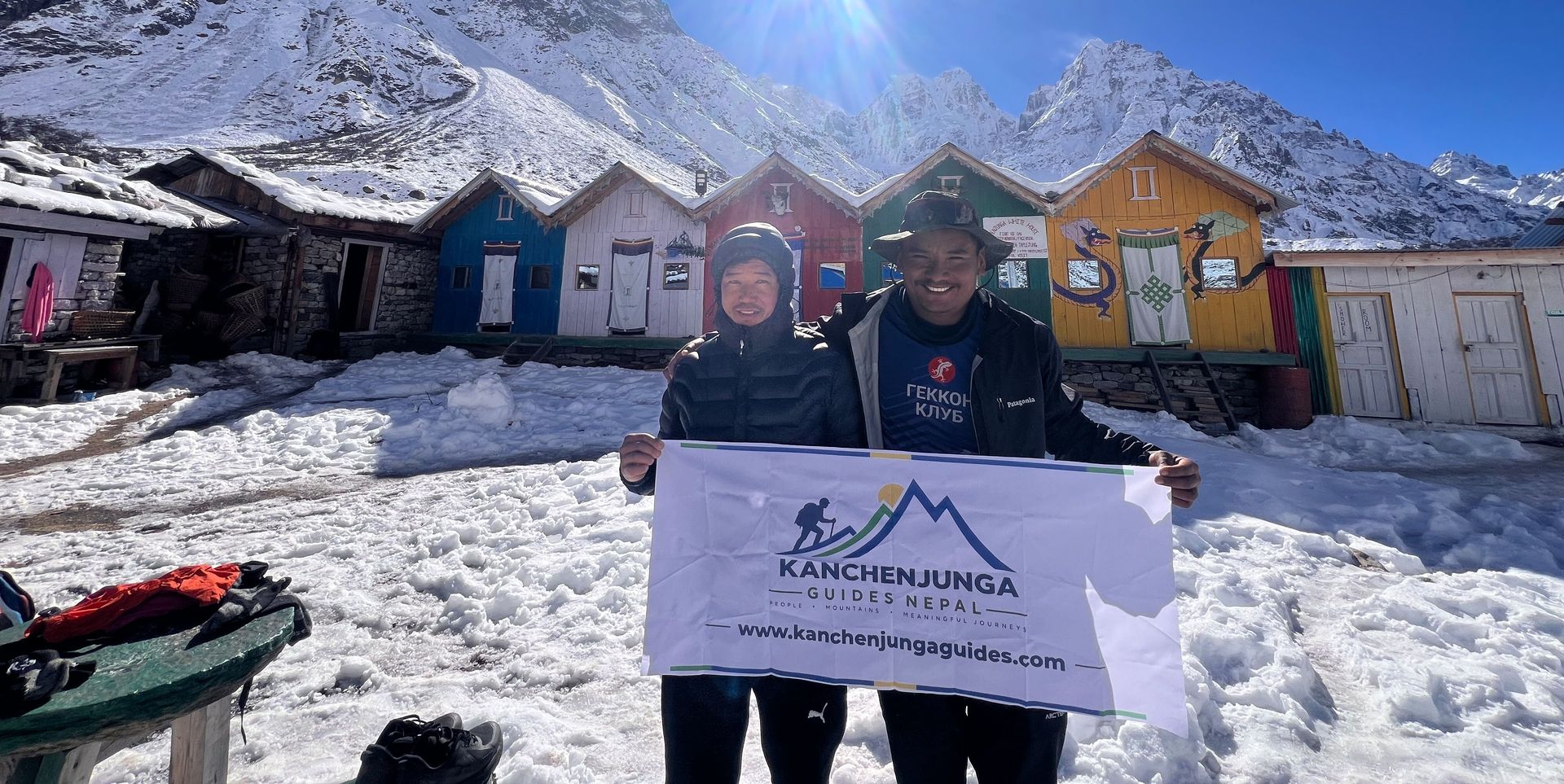
Village
5,140 m
Pangpema, at around 5,140 m, is the northern base camp area of Mount Kanchenjunga. Reached from Lhonak through rugged glacial terrain, it offers spectacular views of Kanchenjunga’s northern face, glaciers and surrounding Himalayan peaks. Proper acclimatization is essential at this altitude.
Read place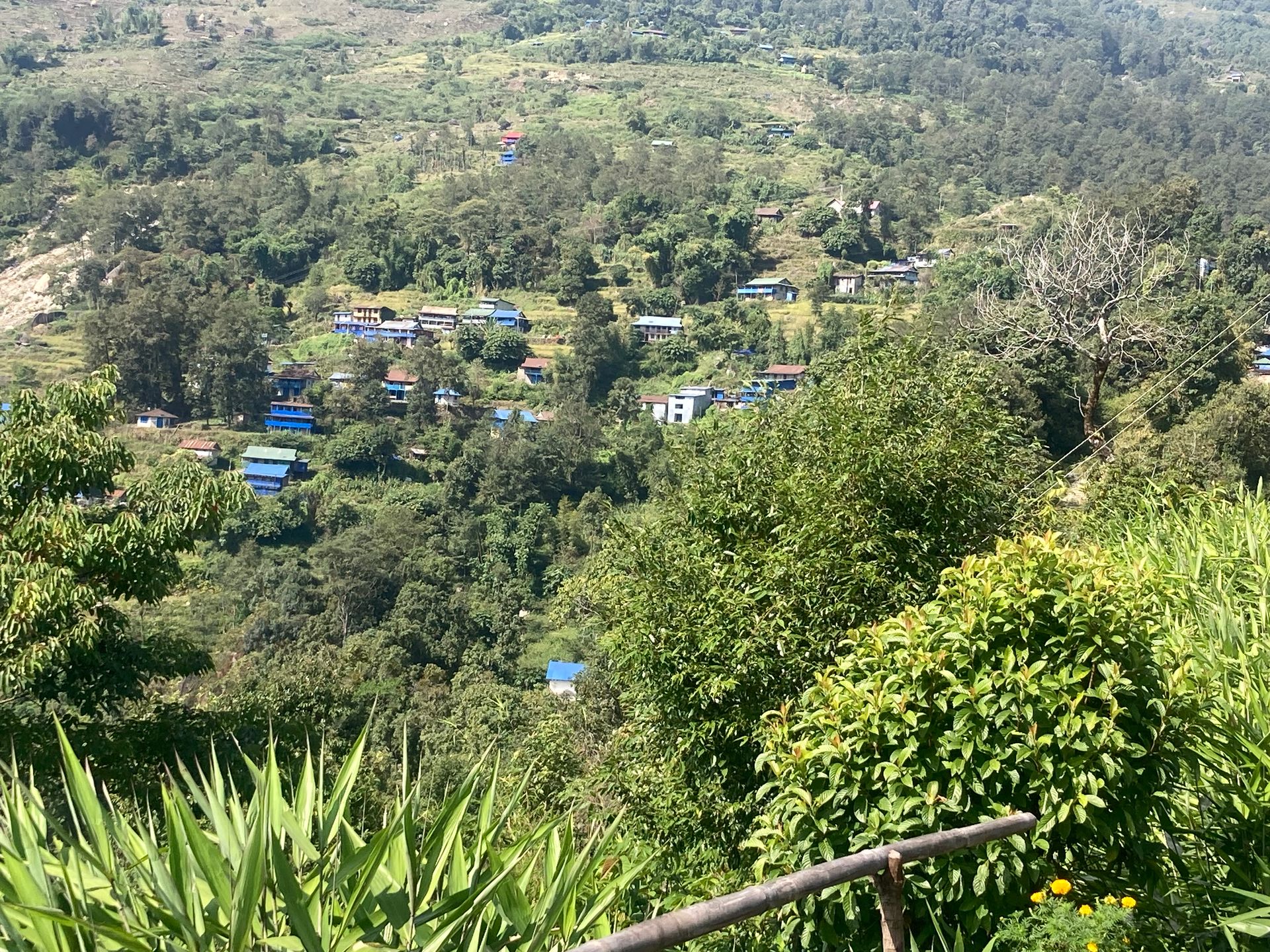
Village
Papung Loden is a village in Taplejung district in the Kanchenjunga region of eastern Nepal.
Read place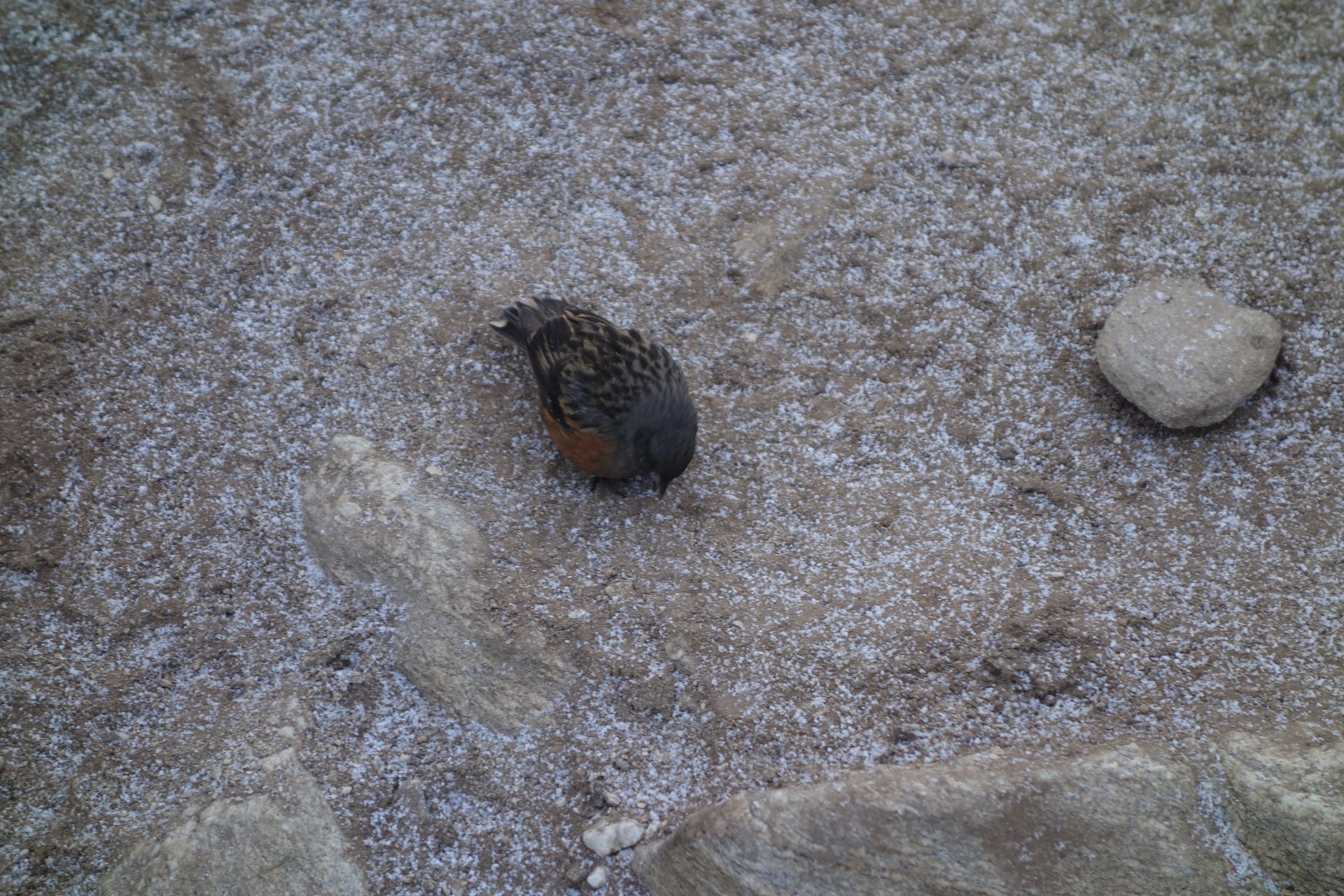
Village
फाक्दिङ
2,610 m
Phakding is a riverside village on the Dudh Koshi and the usual first overnight stop after flying into Lukla. The gentle walk here lets trekkers settle into the trail before the climb to Namche Bazaar.
Read place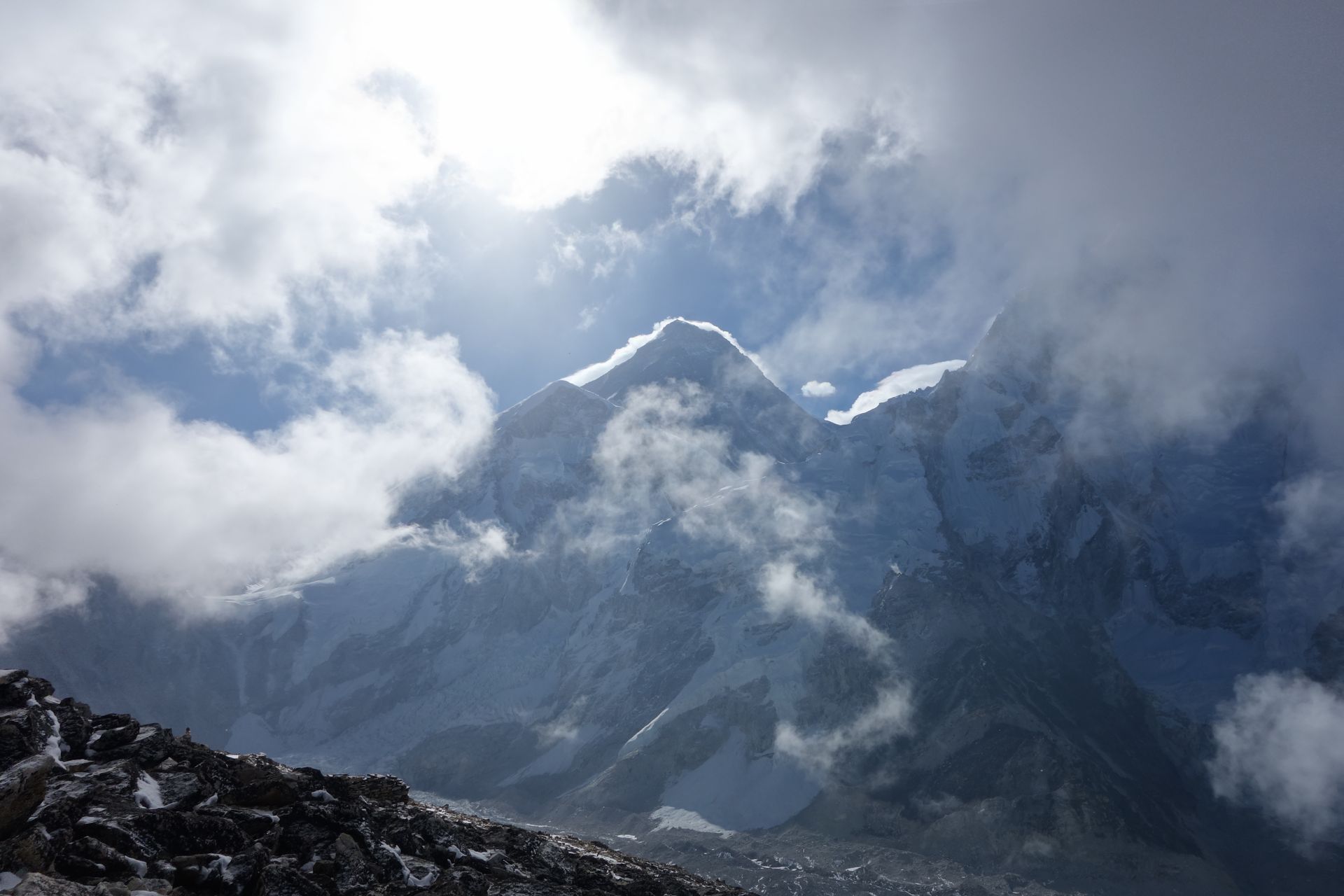
Village
फेरिचे
4,240 m
Pheriche is a windswept village in the Khumbu Khola valley, an alternative to Dingboche on the way to Everest Base Camp. It is home to the Himalayan Rescue Association aid post, which gives daily talks on altitude sickness during the trekking seasons.
Read place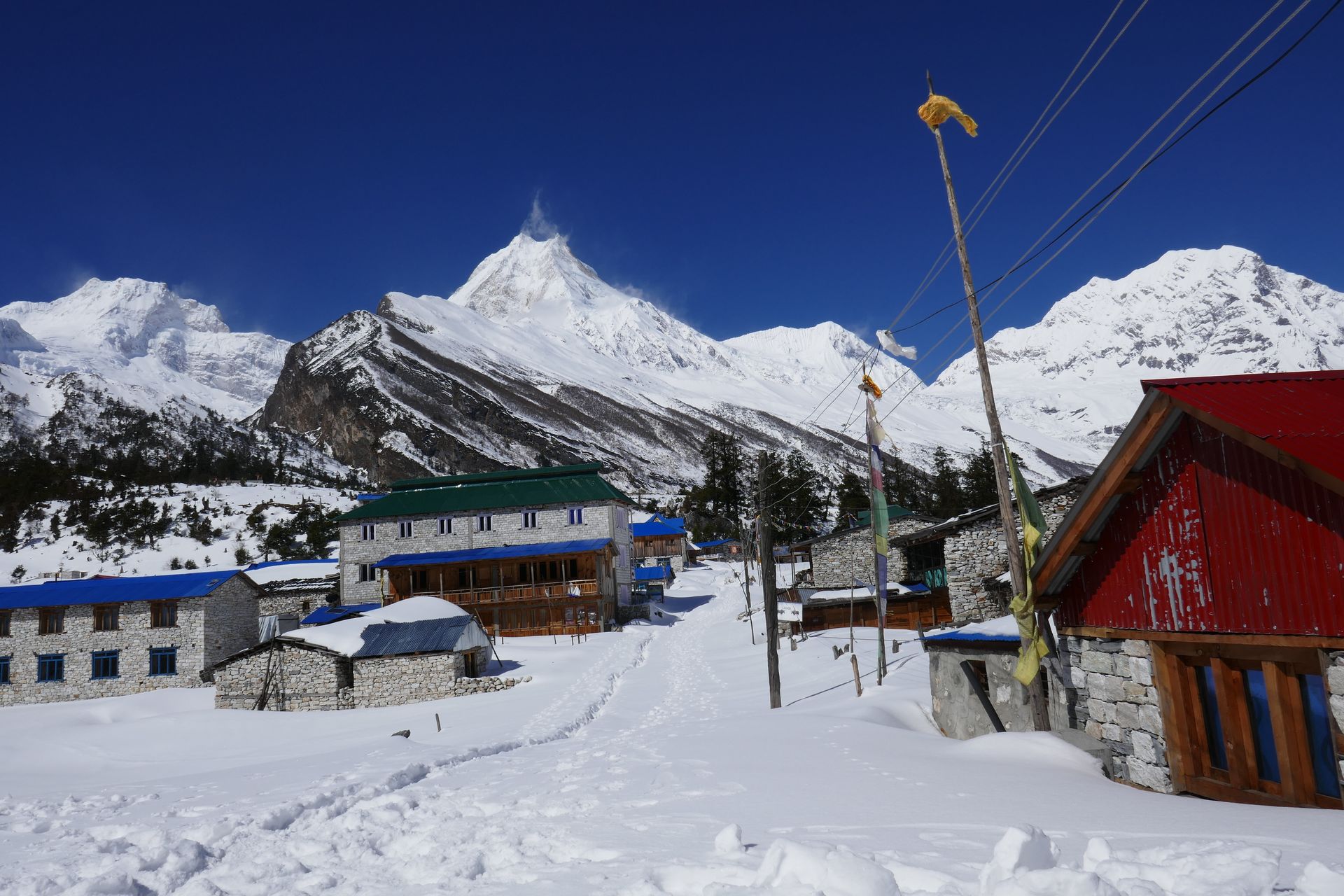
Village
फिलिम
1,570 m
Philim is a large Gurung village with terraced fields of millet and maize above the Budhi Gandaki. Just above it the trail splits for the Tsum Valley and the Manaslu Circuit. It has a school and several lodges.
Read place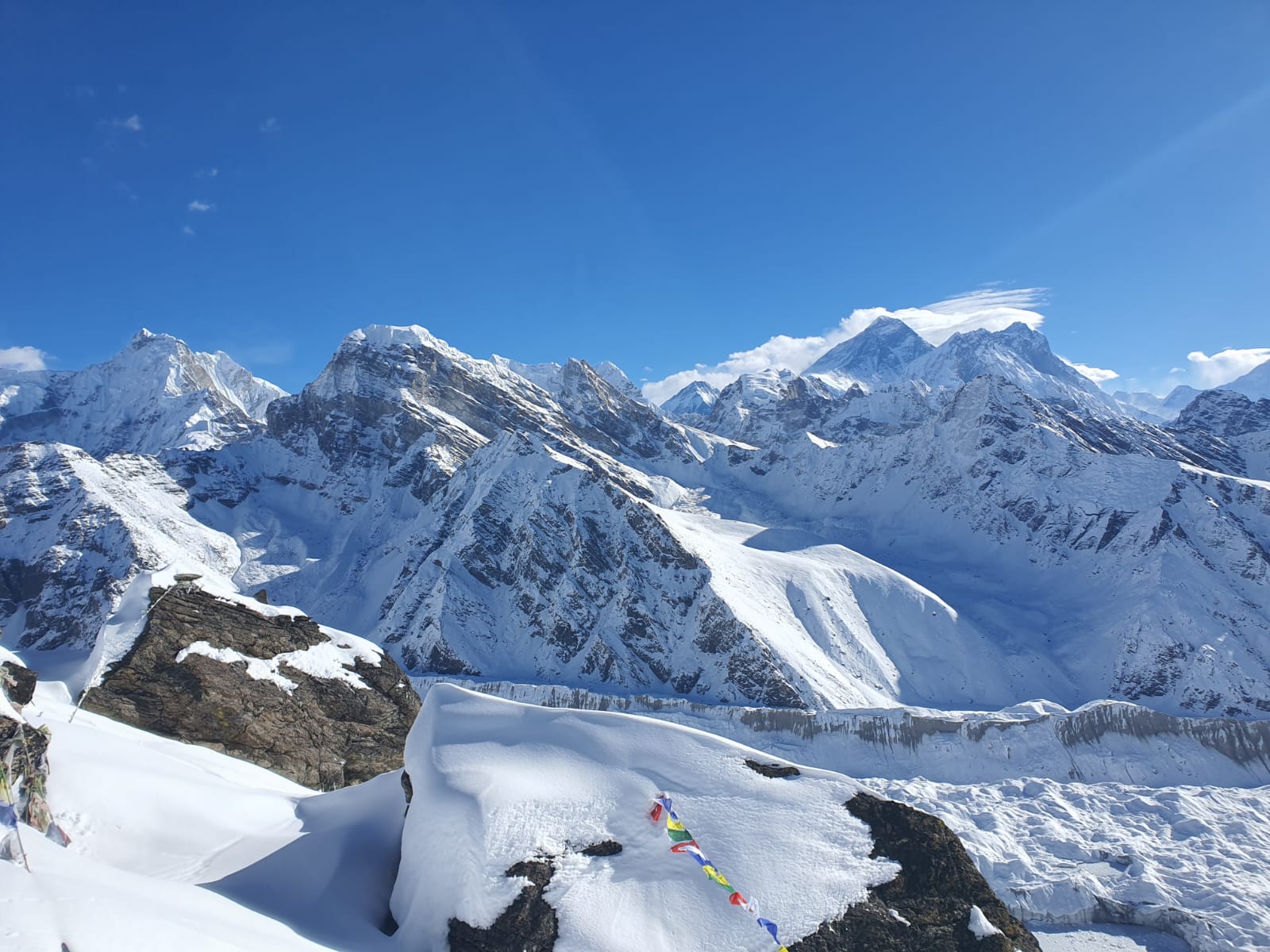
Village
फोर्चे
3,810 m
Phortse is a quiet Sherpa village on a sunny shelf across the valley from Tengboche, home to the Khumbu Climbing Center that trains local mountain workers. It links the Everest and Gokyo trails. It is a peaceful alternative overnight stop away from the main route.
Read place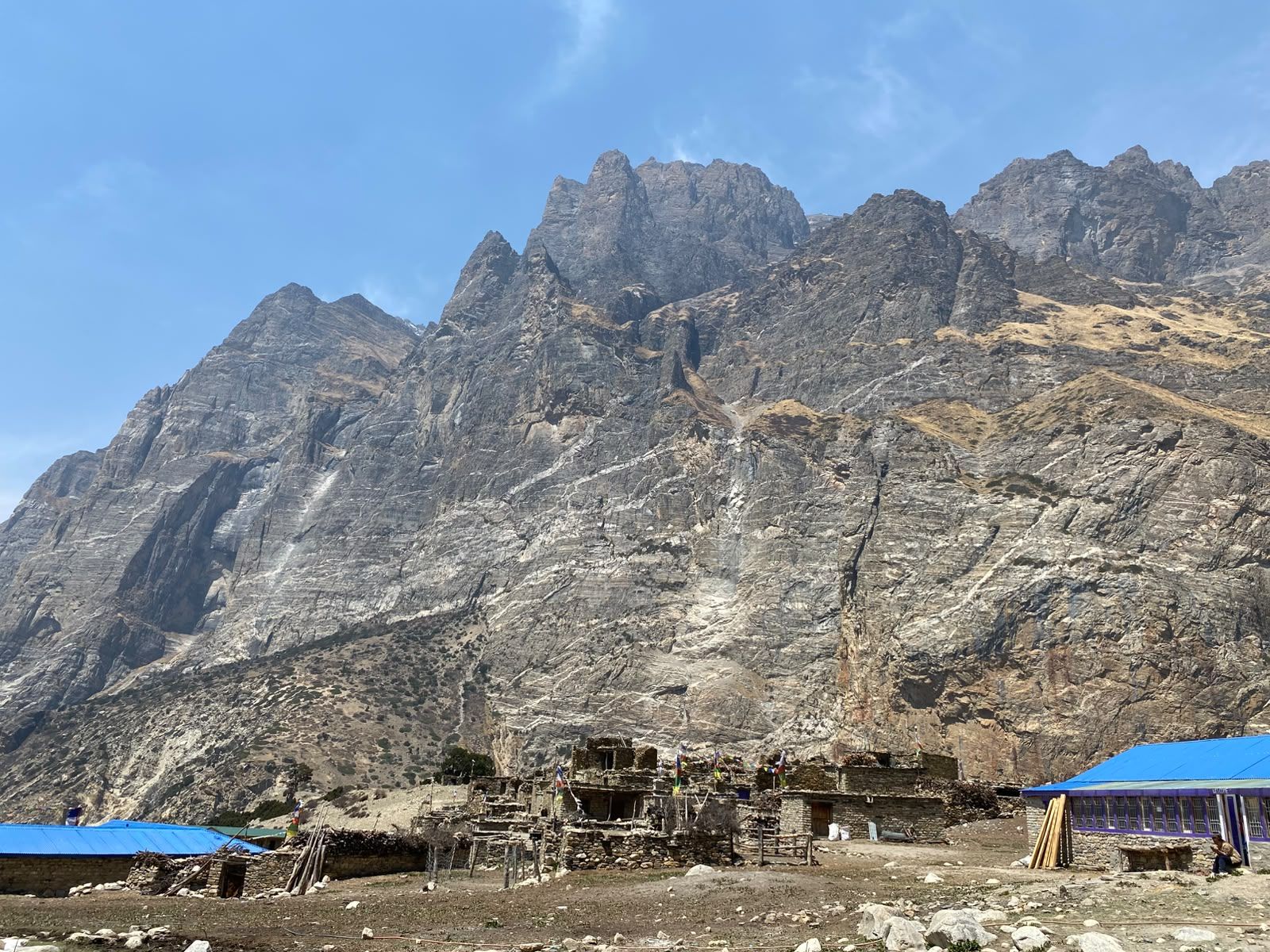
Village
फु
4,080 m
Phu is a medieval-looking Tibetan village at the head of the Phu valley, reached through a dramatic gate and canyon. It was opened to trekkers only in 2003. Tashi Lhakhang Gompa is one of the region’s important monasteries, and the village feels like old Tibet.
Read place Chat with MadanTypically replies in a few minutes