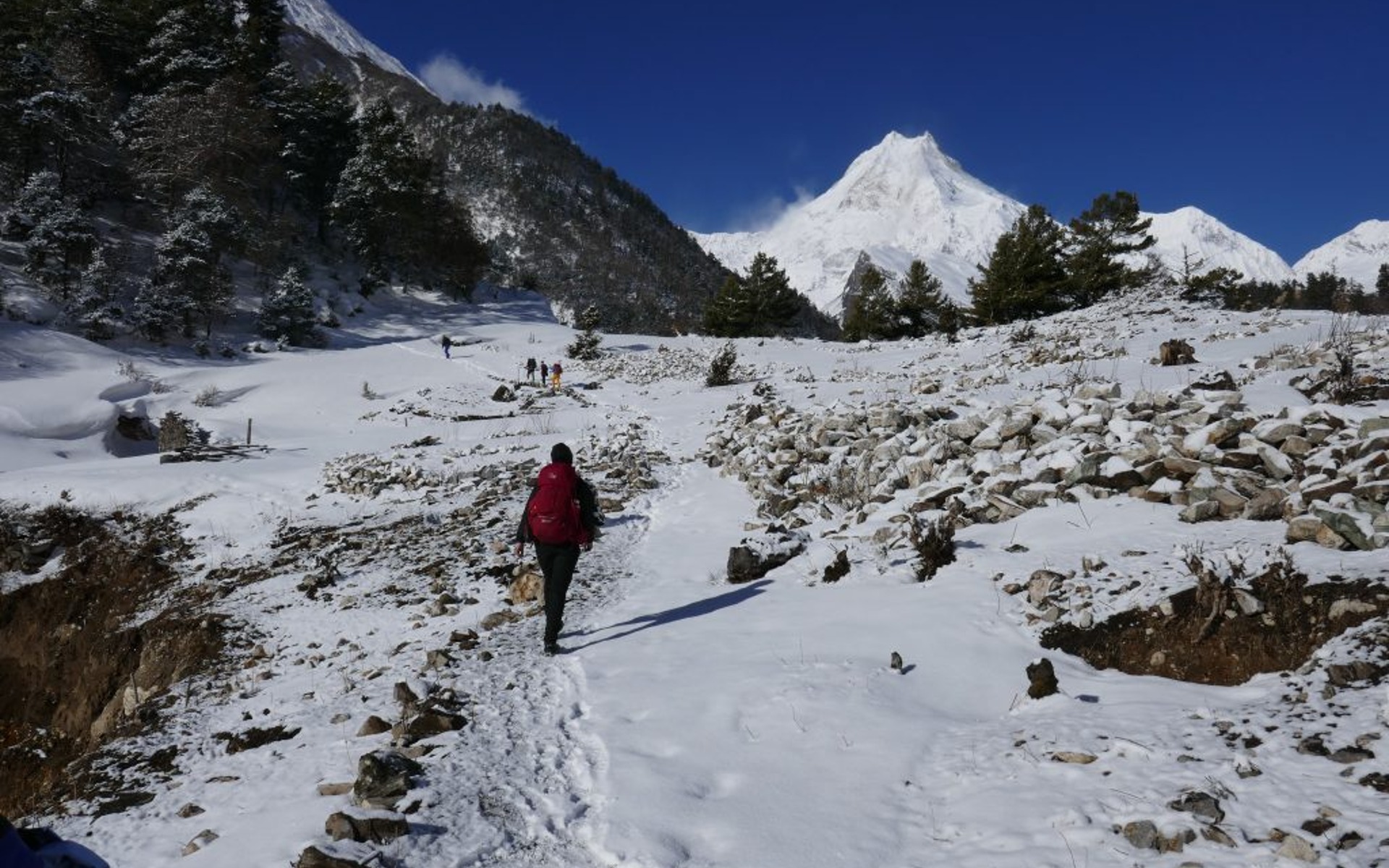
Kanchenjunga Trek: Explore Nepal's Last Great Himalayan Wilderness
Discover the raw beauty of Nepal's far east on the Kanchenjunga Trek, where towering 8,586-meter peaks, remote villages, and untouched glaciers offer an unforgettable Himalayan adventure far from crowded trails.
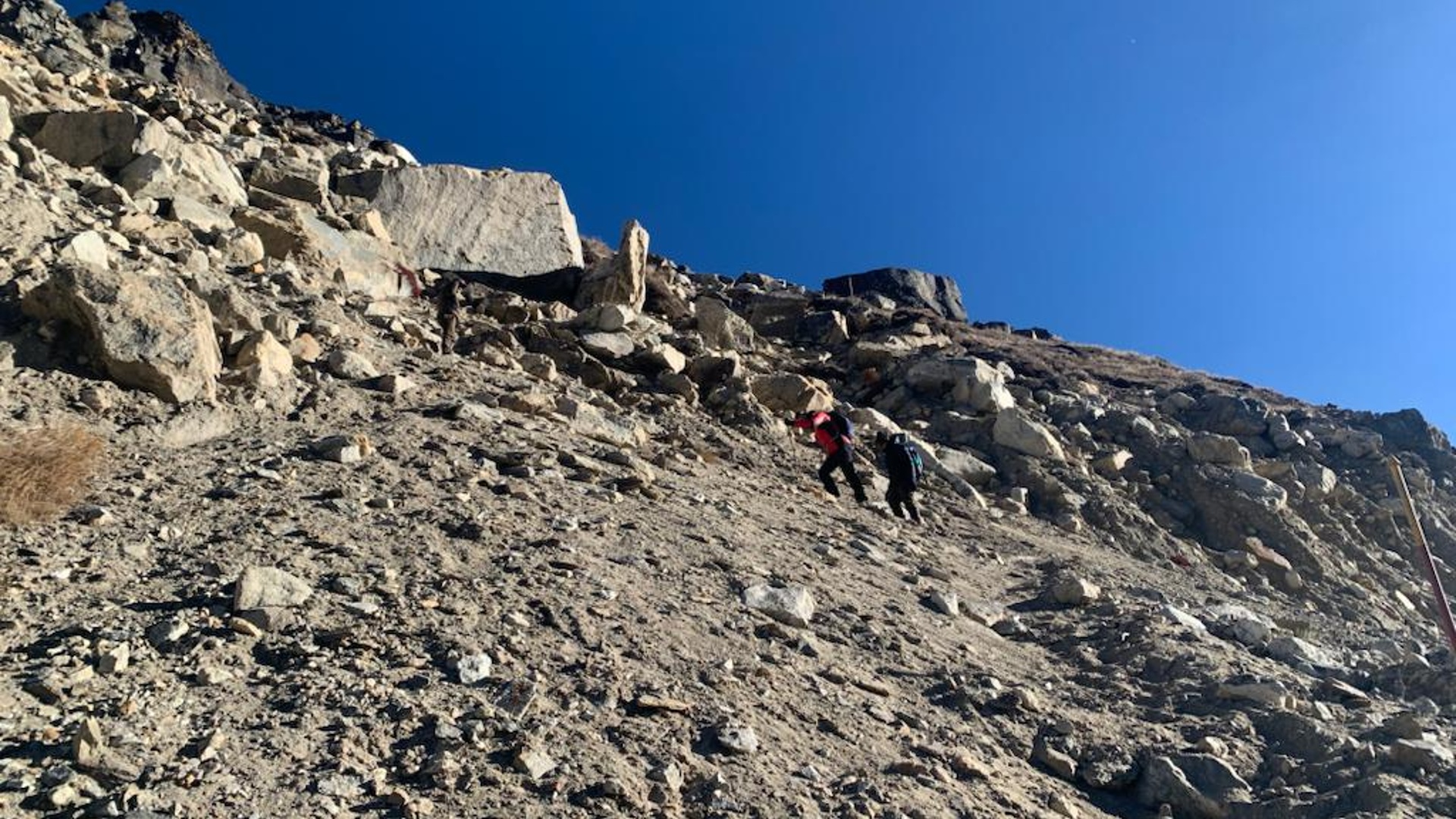
Kanchenjunga Trek
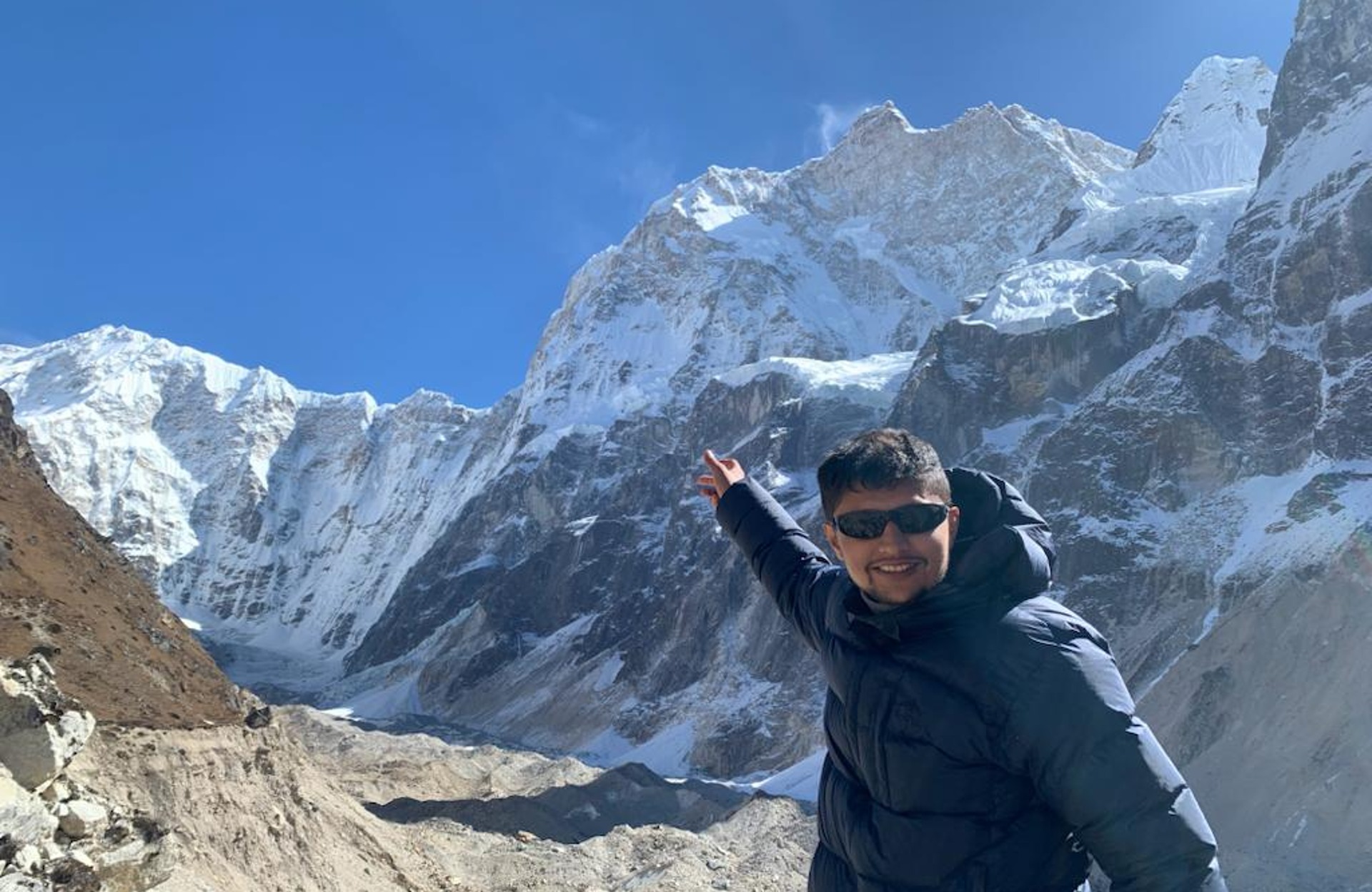
Standing at 8,586 meters, Mount Kanchenjunga is the third-highest mountain in the world and one of Nepal's most spectacular trekking destinations. Located in the far eastern Himalayas, the Kanchenjunga region offers untouched wilderness, authentic mountain culture, dramatic glaciers, and some of the most rewarding trekking experiences in Nepal.
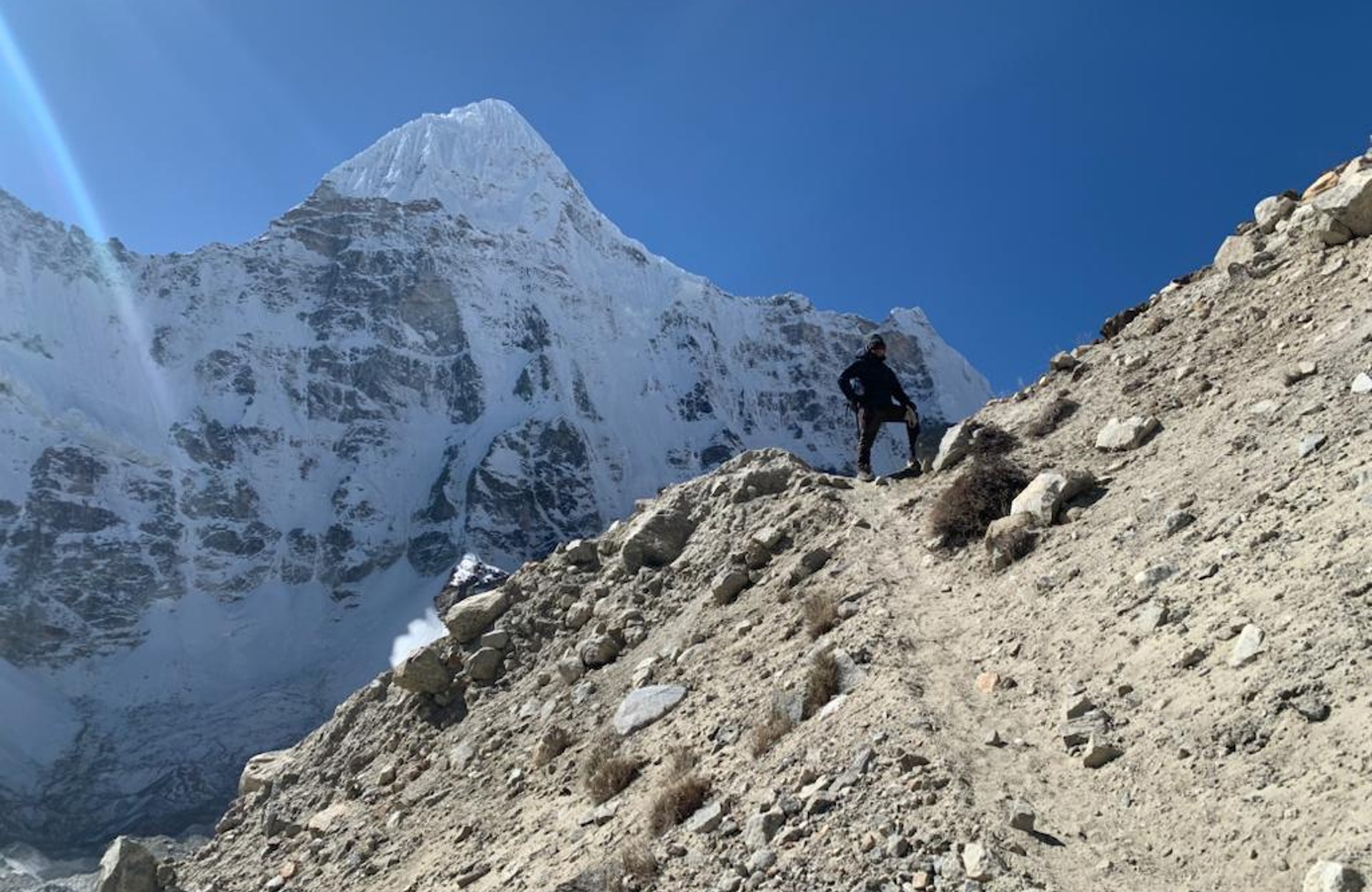
Unlike the busy trails of Everest or Annapurna, Kanchenjunga remains remarkably peaceful. Every step takes you through remote villages, dense forests, alpine meadows, glacial valleys, and breathtaking mountain landscapes that feel truly untouched.
Whether you're looking to reach the famous North Base Camp (Pangpema) or witness the magnificent South Face from Oktang, the Kanchenjunga region promises an unforgettable Himalayan adventure.
Why Trek in the Kanchenjunga Region?
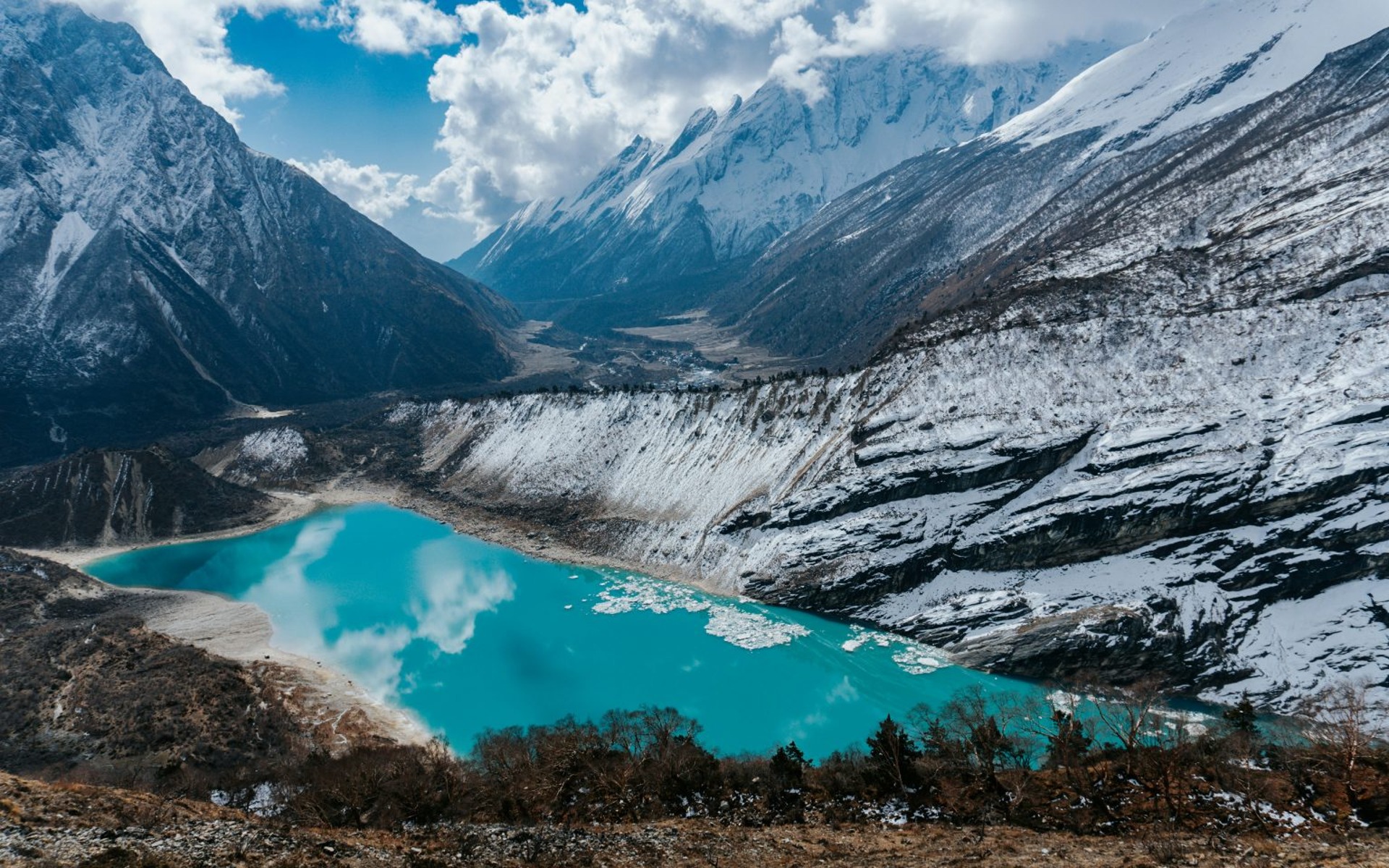
The Kanchenjunga Conservation Area covers over 2,000 square kilometers of protected wilderness and is one of Nepal's richest biodiversity hotspots.
Here you'll discover:
- Towering Himalayan peaks
- Ancient rhododendron forests
- Massive glaciers
- Crystal-clear rivers
- Traditional Limbu, Rai, Sherpa, and Tibetan villages
- Buddhist monasteries
- Rare wildlife including the Red Panda and Snow Leopard
Because the region is a restricted trekking area, visitor numbers remain low, allowing trekkers to experience the Himalayas in their most authentic form.
- Rhododendron forests
- Ghunsa Village
- Red Panda (illustrative)
- Prayer flags
- Suspension bridges
- Glacial rivers
Trekking Adventures in the Kanchenjunga Region
The Kanchenjunga region offers two incredible trekking routes, each showcasing a different perspective of the world's third-highest mountain.
Kanchenjunga Base Camp Trek
Journey to Pangpema – The North Base Camp
The Kanchenjunga Base Camp Trek is the classic expedition into the heart of the Kanchenjunga region. Following the beautiful Ghunsa Valley, the trail gradually climbs to Pangpema (5,143 m), where trekkers are rewarded with breathtaking views of Kanchenjunga's immense north face.
This route combines dramatic glaciers, alpine landscapes, yak pastures, and traditional Himalayan villages to create one of Nepal's finest high-altitude trekking experiences.
Trek Highlights
- Reach Pangpema (North Base Camp)
- Close-up views of Mount Kanchenjunga
- Explore Ghunsa Valley
- Walk beside glaciers
- Remote mountain villages
- Spectacular alpine scenery
- Pangpema
- Lhonak
- Ghunsa
- Glacier viewpoints
Kanchenjunga Base camp Trek
Kanchenjunga South Base Camp Trek
Experience the Majestic Yalung Glacier
The Kanchenjunga South Base Camp Trek follows the picturesque Yalung Valley to Oktang, one of the most beautiful viewpoints in eastern Nepal.
Instead of approaching the mountain from the north, this trek reveals Kanchenjunga's dramatic southern face rising above the enormous Yalung Glacier, creating one of the Himalayas' most breathtaking panoramas.
With fewer days than the full North Base Camp route, it's an excellent choice for trekkers looking to experience the beauty of Kanchenjunga within a shorter timeframe.
Trek Highlights
- Oktang Viewpoint
- Yalung Glacier
- Kanchenjunga South Face
- Rhododendron forests
- Traditional Limbu villages
- Peaceful alpine landscapes
- Oktang
- Yalung Glacier
- Ramche
- Forest trails
Kanchenjunga South Base camp Trek
What Makes the Kanchenjunga Region Special?
Untouched Himalayan Wilderness
Kanchenjunga remains one of Nepal's least-visited trekking destinations, offering an experience that feels truly wild and remote.
Rich Cultural Heritage
The region is home to diverse ethnic communities including:
- Limbu
- Rai
- Sherpa
- Tibetan
Visitors can explore centuries-old monasteries, prayer wheels, chortens, and traditional Himalayan villages that have preserved their unique way of life.
Incredible Mountain Views
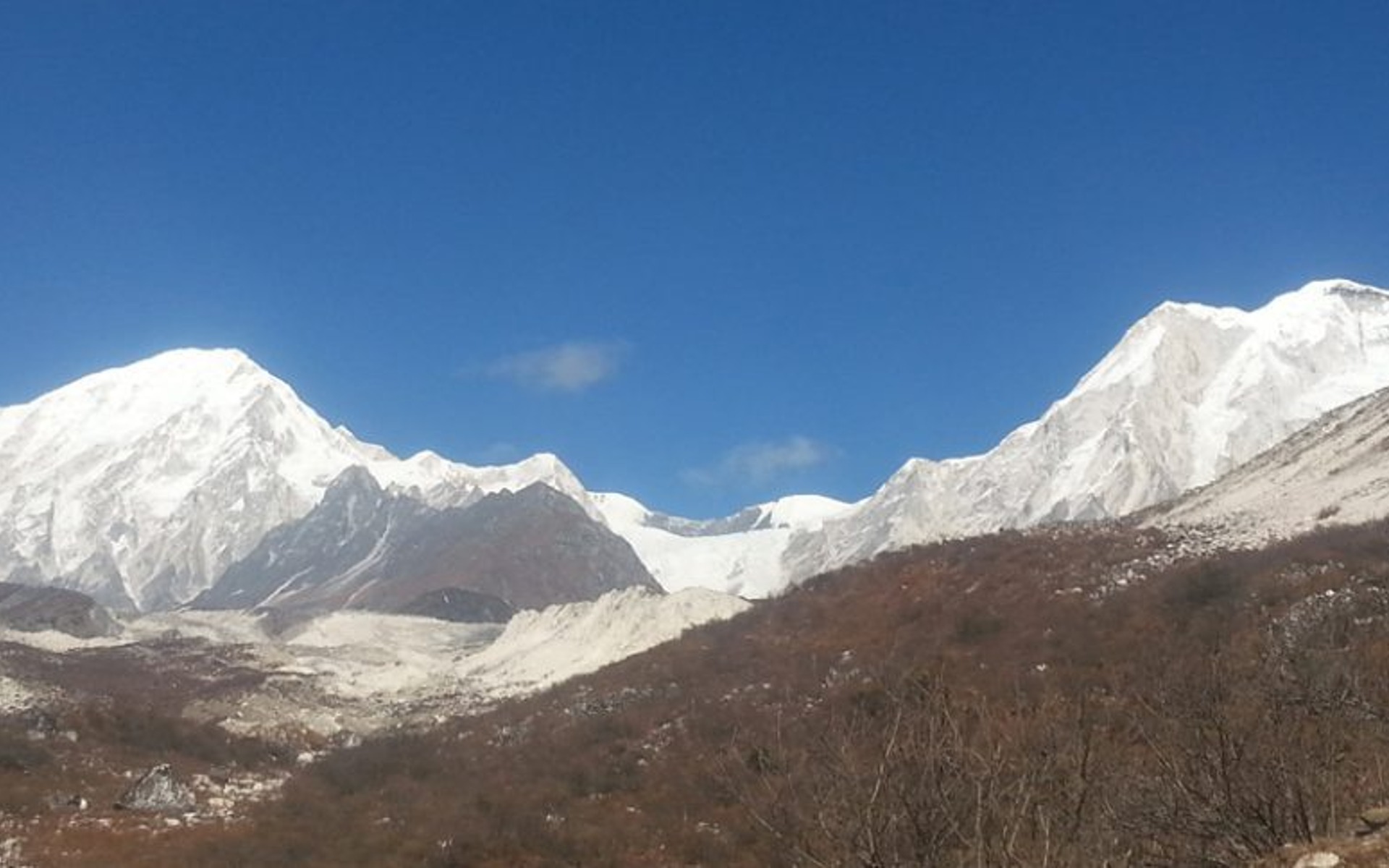
Throughout the journey, you'll enjoy spectacular views of:
- Mount Kanchenjunga (8,586 m)
- Jannu (Kumbhakarna)
- Kabru
- Rathong
- Talung Peak
- Kokthang
- Yalung Kang
Best Time to Visit:
Spring (March – May)
- Blooming rhododendron forests
- Pleasant temperatures
- Excellent mountain views
Autumn (September – November)
- Crystal-clear skies
- Stable weather
- Best visibility
- Ideal trekking conditions
- Spring flowers
- Autumn mountain landscapes
Permits Required
All trekkers require:
- Kanchenjunga Conservation Area Permit (KCAP)
- Restricted Area Permit (RAP)
A licensed guide is mandatory, and trekking must follow Nepal's restricted area regulations.
Is the Kanchenjunga Trek Right for You?
This region is perfect if you are looking for:
- Remote trekking adventures
- Fewer crowds
- Authentic Himalayan culture
- Long wilderness treks
- Spectacular glaciers
- High mountain scenery
- A true off-the-beaten-path experience
Frequently Asked Questions
How difficult is the Kanchenjunga Trek?
Both routes are considered moderate to challenging due to their length, altitude, and remote location. Good physical fitness and preparation are recommended.
Which trek should I choose?
- Kanchenjunga Base Camp Trek – Ideal for trekkers seeking the classic expedition to Pangpema and close-up views of the mountain's north face.
- Kanchenjunga South Base Camp Trek – Perfect for those wanting a slightly shorter adventure featuring the spectacular Yalung Glacier and Kanchenjunga's southern face.
Do I need a guide?
Yes. The Kanchenjunga region is a restricted trekking area, and a licensed guide is required.
Begin Your Kanchenjunga Adventure
Whether you choose the Kanchenjunga Base Camp Trek or the Kanchenjunga South Base Camp Trek, you'll experience one of Nepal's most pristine Himalayan landscapes. From remote villages and ancient forests to towering glaciers and unforgettable mountain views, every step reveals the raw beauty of eastern Nepal.
Explore our trekking packages below and start planning your journey to the magnificent Kanchenjunga region.