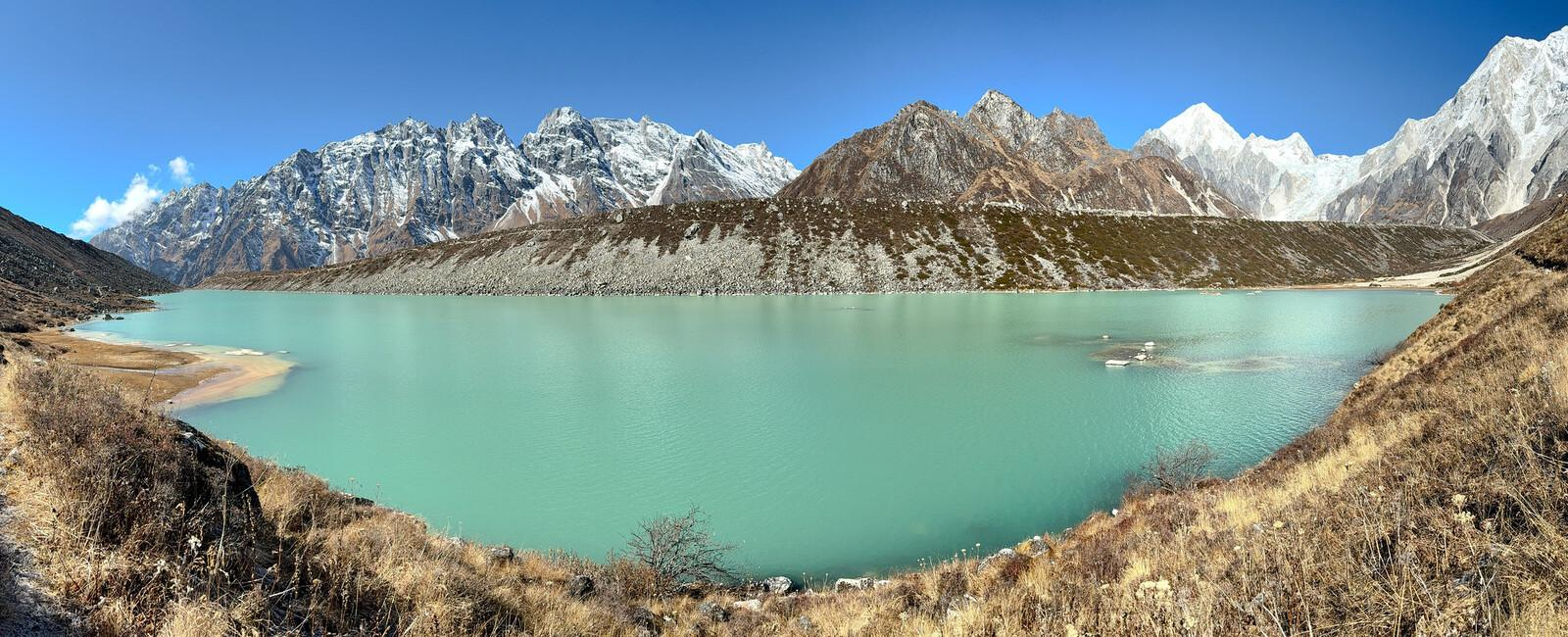
Trek the pristine Manaslu Circuit for untamed Himalayan adventure. Discover raw beauty, teahouse hospitality, and epic views of Mount Manaslu. Plan your trek
About this destination
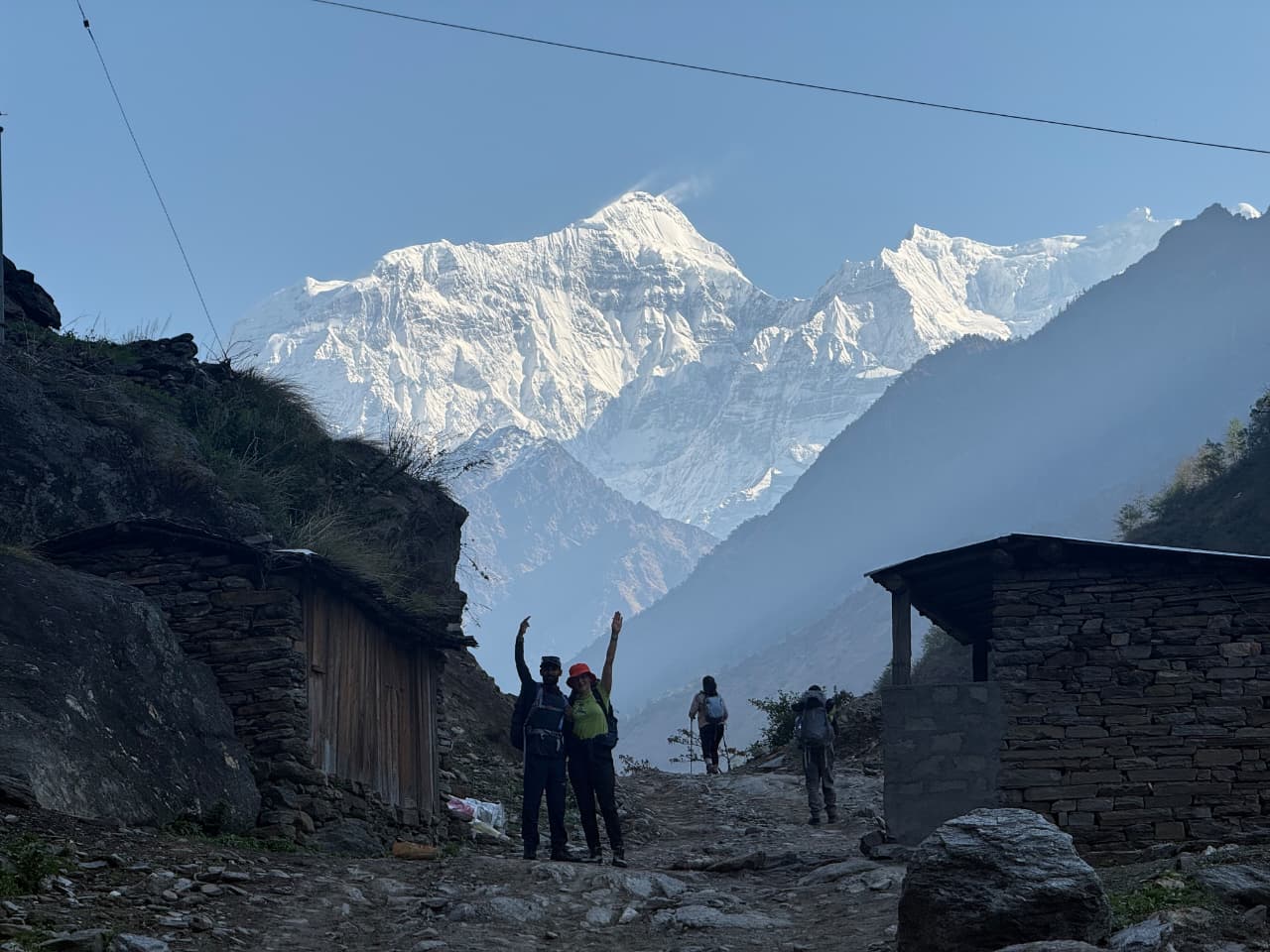
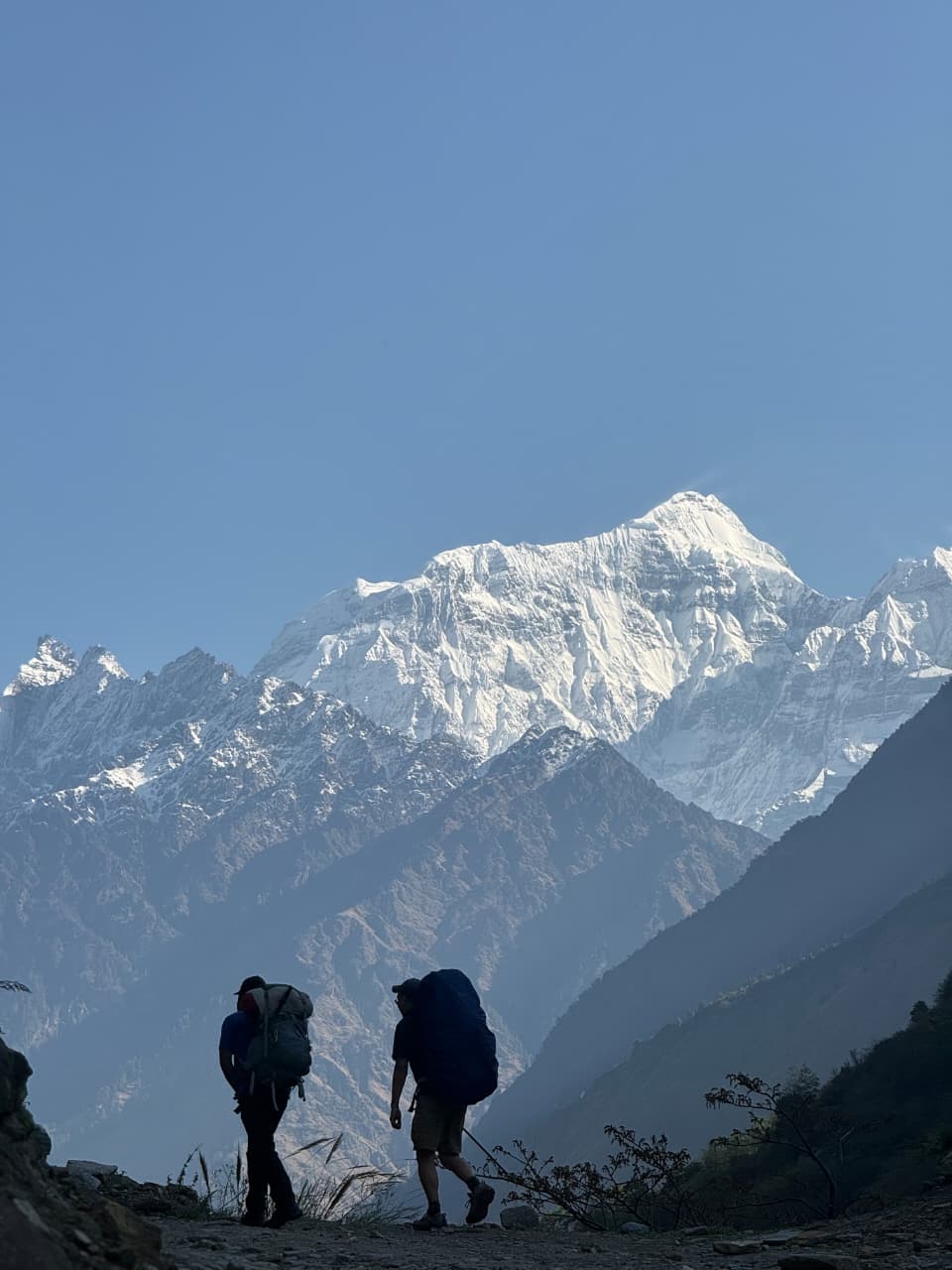
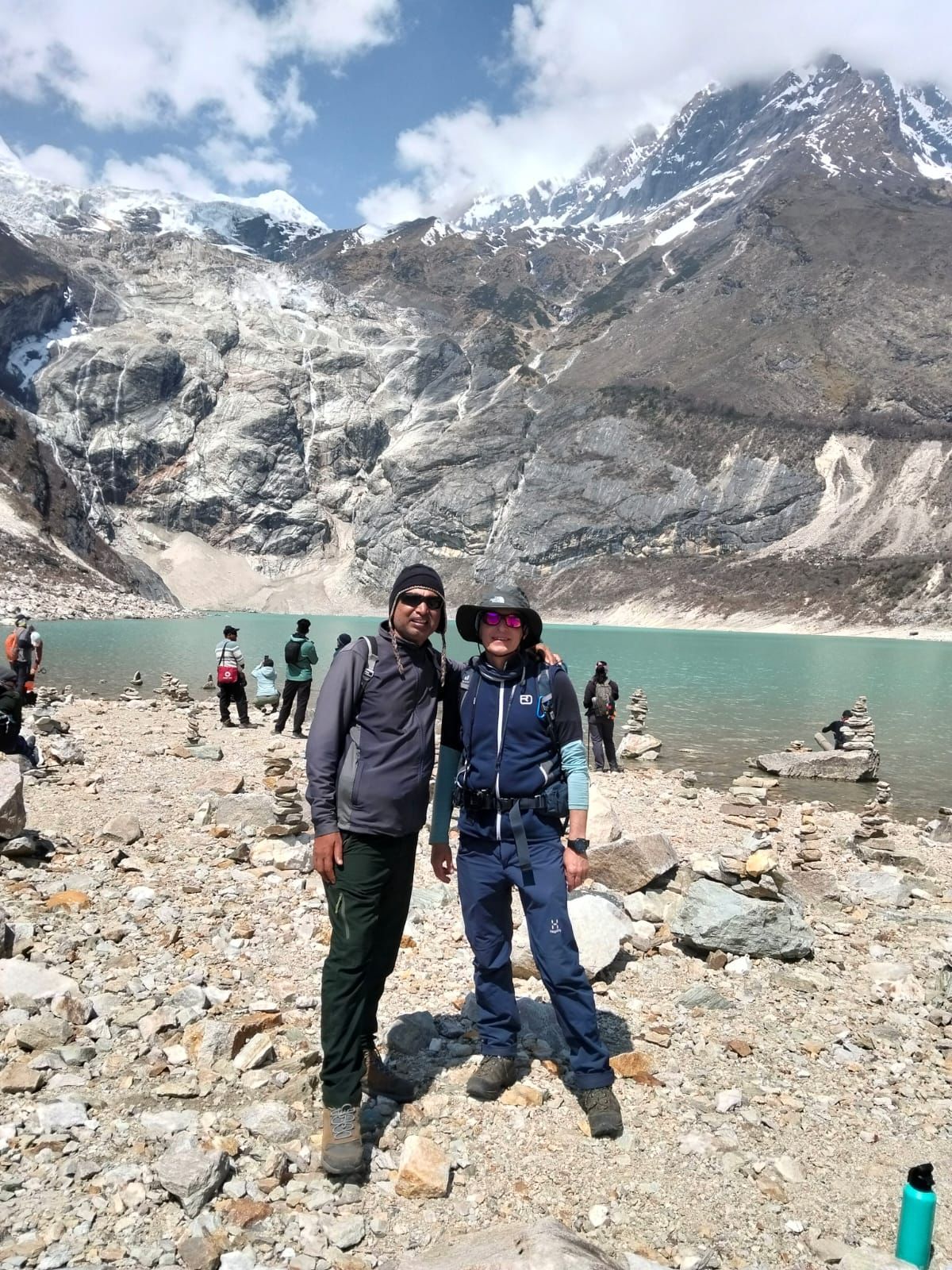
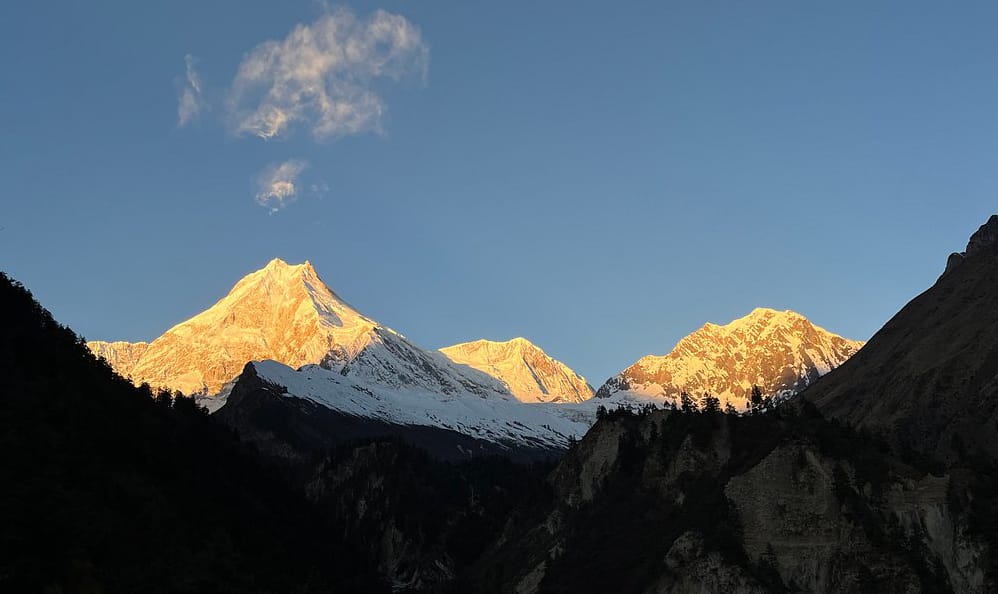
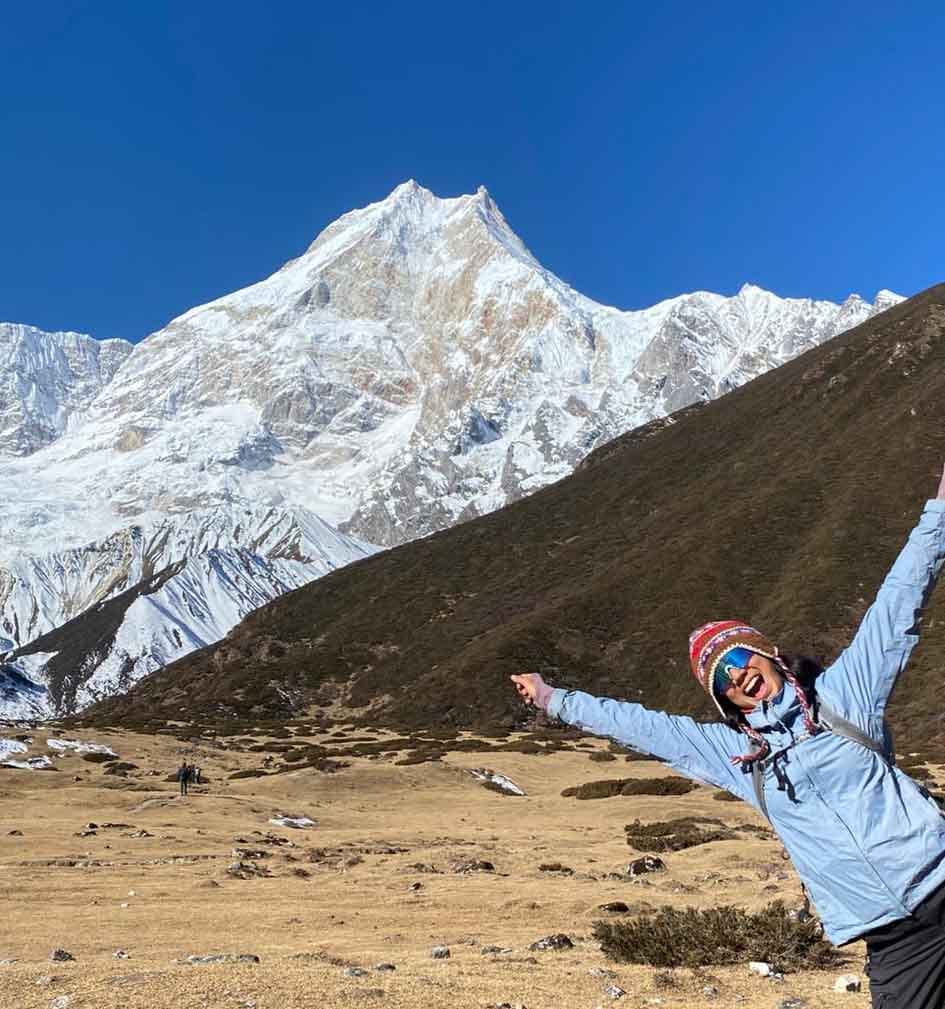
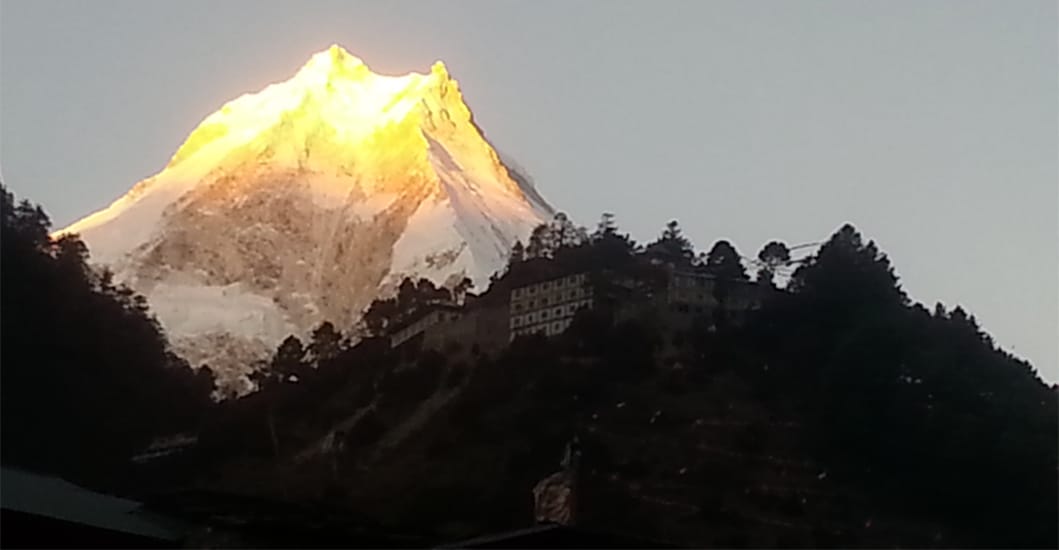
Nestled in the heart of the Nepalese Himalayas, the Manaslu Region offers one of the most pristine and untamed trekking experiences on earth. Dominated by the colossal Mount Manaslu, the world's eighth-highest peak at 8,163 meters, this area is a sanctuary of raw natural beauty. Its landscape is a dramatic tapestry of rugged gorges, alpine meadows, and dense rhododendron forests, all framed by soaring ice-clad peaks and the thundering Budhi Gandaki River. For trekkers seeking solitude and authenticity, Manaslu provides a wild, less-traveled corridor into the high Himalaya.
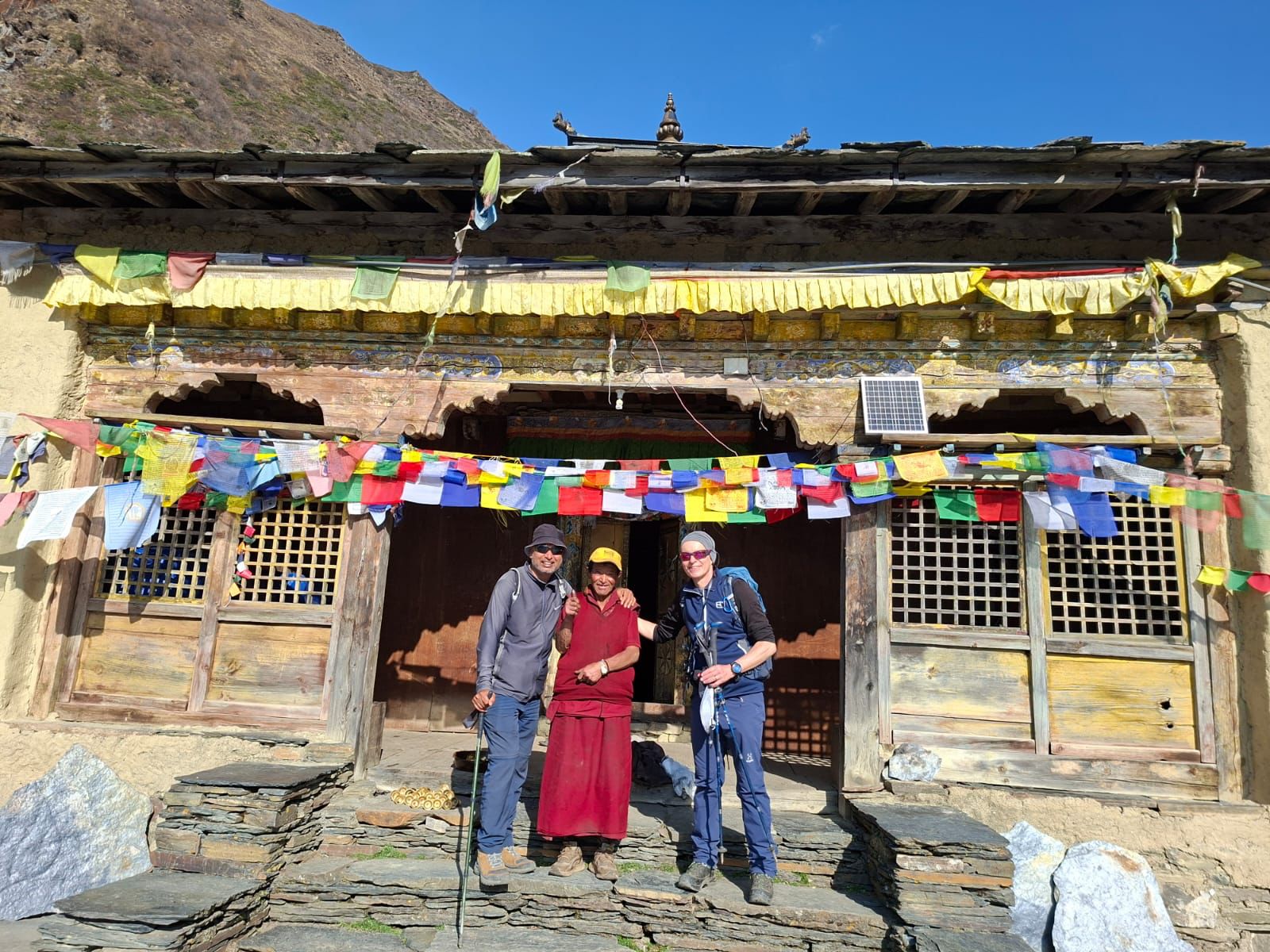
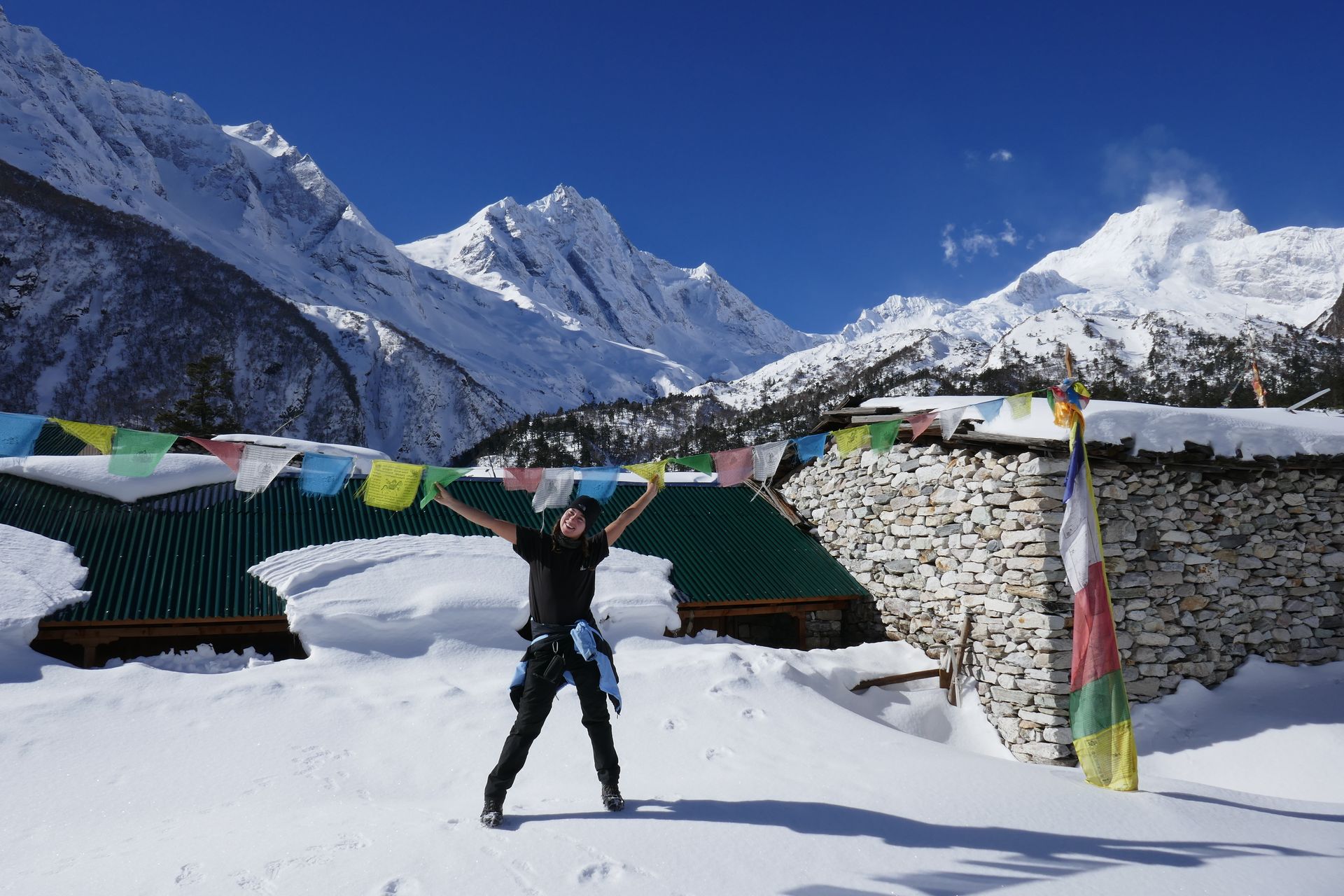
Culturally, the Manaslu Region is a living mosaic of ancient traditions. The trail winds through remote villages like Samagaun and Samdo, where the influence of Tibetan Buddhism is profound. Mani walls, prayer flags, and centuries-old gompas dot the path, reflecting a lifestyle that has remained largely unchanged for generations. This is a place where the hospitality of the local Nubri and Tsum peoples invites you into a world of spiritual calm, offering a deep cultural immersion that few other Himalayan treks can match.
The Manaslu Circuit stands as the region's premier trekking appeal, a classic teahouse route that circles the massif with breathtaking diversity. From the subtropical lowlands at Soti Khola to the stark, wind-scoured heights of Larkya La Pass at over 5,100 meters, the trail challenges and rewards in equal measure. Unlike the busier Everest or Annapurna circuits, Manaslu requires a special permit and a guided trek, ensuring a quieter, more intimate encounter with the mountains. This is the ultimate adventure for those who crave a genuine Himalayan crossing, where every step feels like a discovery.
17 photos
.jpeg)

Before you go
The ideal time to trek in the Manaslu Region is during the two distinct shoulder seasons: spring and autumn. For the most reliable weather, clear mountain views, and manageable trail conditions, plan your journey between March and May or September and November.
Spring, from March to May, brings warming temperatures and vibrant rhododendron blooms that paint the lower valleys in shades of red and pink. Daytime weather is generally stable, with clear mornings and occasional afternoon clouds. Visibility of Manaslu and its surrounding peaks is excellent during this period, though the higher passes may still hold snow early in the season. Crowds are moderate, offering a peaceful experience compared to more commercialized treks.
Autumn, from September to November, is widely considered the premier trekking window. Post-monsoon skies are crystal clear, offering the most spectacular and uninterrupted views of the Himalayan giants. Days are comfortably warm at lower elevations, while nights are crisp and cool. The trails are dry and firm, making the high-altitude passes like Larkya La more accessible. This is also the busiest season in the Manaslu region, but crowds remain sparse compared to the Everest or Annapurna circuits, preserving a sense of solitude.
Winter, from December to February, is not recommended for most trekkers. Heavy snowfall at higher elevations can block passes, and temperatures can drop well below freezing, making the journey dangerous and uncomfortable. The monsoon season, from June to August, brings heavy rain, leeches, and frequent landslides on the lower trails, with cloud cover obscuring mountain views for days at a time.
For the best balance of clear skies, comfortable trekking conditions, and fewer people on the trail, early October and late April are your prime windows. These months offer the sweet spot between peak season crowds and the extreme weather of off-season months.
Getting to the Manaslu Region is an adventure in itself, and the journey begins as soon as you leave Kathmandu. The most common and efficient way to start your trek is by taking a scenic drive from Kathmandu to Soti Khola or Machha Khola, the typical starting points for the Manaslu Circuit. This drive covers a distance of roughly 140 to 160 kilometers and takes between 8 to 10 hours, depending on road conditions and traffic. The route follows the Prithvi Highway west from Kathmandu to Arughat, then continues on a rugged but improving road along the Budhi Gandaki River valley. While the drive is long and the road can be bumpy, especially after Arughat, it offers a fascinating glimpse into rural Nepalese life, passing through terraced hillsides, small villages, and lush forests. For those seeking a more comfortable option, a chartered jeep or private vehicle is recommended, as it provides flexibility and a smoother ride. Alternatively, you can take a local bus from Kathmandu’s Gongabu Bus Park to Arughat or Soti Khola, which is a more budget-friendly but less comfortable choice, often taking 9 to 11 hours due to multiple stops.
For a faster start, you can fly from Kathmandu to Sera, a small airstrip located near the trekking route. This domestic flight is operated by local airlines and takes approximately 30 to 40 minutes, offering spectacular aerial views of the Himalayas. However, flights to Sera are weather-dependent and can be delayed or cancelled during the monsoon or winter months, so it is wise to have a flexible itinerary and a backup plan. From Sera, you can begin your trek directly, saving you a day of driving. Another option is to fly to Nepalgunj, a major hub in the Terai region, and then take a connecting flight to Simikot or Hilsa if you are planning a more extended journey that includes the remote Limi Valley or the Tibetan border. However, for the classic Manaslu Circuit, the Kathmandu-to-Soti Khola drive remains the most popular and reliable approach.
Once you reach Soti Khola or Machha Khola, your trekking adventure officially begins, with the trail following the Budhi Gandaki River upstream. The roads in the Manaslu region are generally in fair condition but can be affected by landslides, especially after heavy rains. It is always recommended to check current road conditions with your tour operator or local transport providers before departure. For a seamless experience, many trekkers arrange a private transfer through their trekking agency, which ensures a timely departure, a comfortable vehicle, and a direct drop-off at the trailhead. Whether you choose the scenic drive or the quick flight, the journey to the Manaslu Region sets the stage for an unforgettable Himalayan exploration.
Trekking in the Manaslu Region is a journey into authentic Himalayan hospitality, where accommodation options are as genuine as the landscapes themselves. The typical lodging is the classic Nepali teahouse, a family-run guesthouse that offers a warm bed, hearty meals, and a window into local life. Expect basic, clean, and comfortable rooms, usually twin-sharing with thin mattresses and a pillow. Most teahouses provide a shared squat-style toilet and a bucket shower—hot water is often available for a small fee, but don’t expect luxury. In lower-altitude villages like Soti Khola or Machha Khola, lodges are slightly more developed, with attached bathrooms and solar-heated showers, but still maintain a simple, rustic charm. As you ascend toward Samagaon and Manaslu Base Camp, teahouses become more basic, with fewer amenities; rooms are cold at night, so a sleeping bag is essential. The common dining room is the heart of every teahouse, where you’ll gather around a wood-burning stove for dal bhat, momos, and tea, sharing stories with fellow trekkers and locals. Throughout the circuit, expect friendly service, a reliable roof over your head, and the feeling of being welcomed into a mountain home—a perfect balance of comfort and adventure.
Ready to plan your Himalayan trip?
Tell us your dates and interests — we'll build an itinerary around them.
